By Audric Doche
Automotive and Mobility Journalist
1. Main Facts: The Acceleration Trap and the Rise of the "Software-Defined Vehicle"
The global automotive industry is undergoing its most radical transformation since the invention of the assembly line. Pressed for time and desperate to stave off the relentless onslaught of ultra-fast-moving Chinese EV manufacturers, legacy automakers are aggressively compressing their vehicle development cycles. Where traditional vehicle design and engineering once took anywhere from 48 to 60 months, industry giants are now slicing these timeframes in half.
Mercedes-Benz claims it can shave up to 17 months off its development timeline using cutting-edge proprietary artificial intelligence. Renault has publicly stated its intent to design and produce new vehicles—following the blueprint of the upcoming Twingo revival—in a blistering 24 months. Meanwhile, General Motors is similarly leveraging artificial intelligence to streamline production into a two-year window.
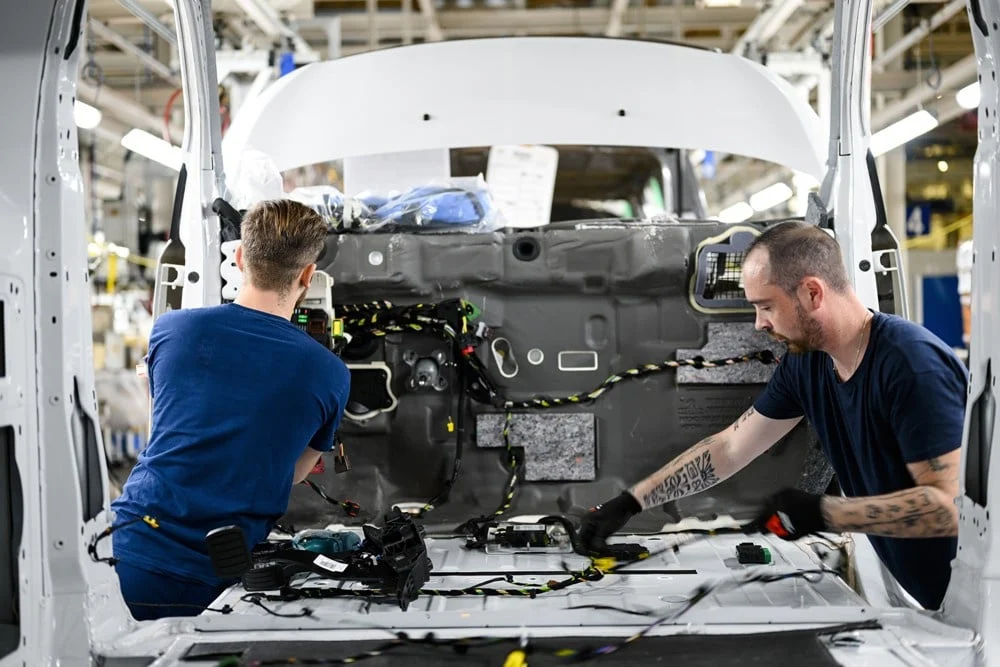
This hyper-acceleration is not merely about styling cars faster; it represents a fundamental overhaul of how automobiles are conceived, built, and operated. Modern vehicles are no longer mechanical marvels powered primarily by internal combustion; they are rolling supercomputers. Integrating advanced driver-assistance systems (ADAS), complex infotainment arrays, and centralized computing architectures known as "Software-Defined Vehicles" (SDVs), today’s cars rely less on traditional mechanical robustness and more on millions of lines of code.
However, this rapid transition introduces a terrifying existential question for the automotive ecosystem: Are we hurtling toward a massive reliability crisis on the used car market of tomorrow? Furthermore, what happens to the real-world performance and viability of these complex technologies when manufacturers eventually pull the plug on software updates?
2. Chronology: How the Auto Industry Accelerated into the Digital Era
To understand how the automotive sector reached this precarious crossroads, it is essential to trace the historical evolution of car manufacturing, electronics integration, and the shifting pressures of global competition.
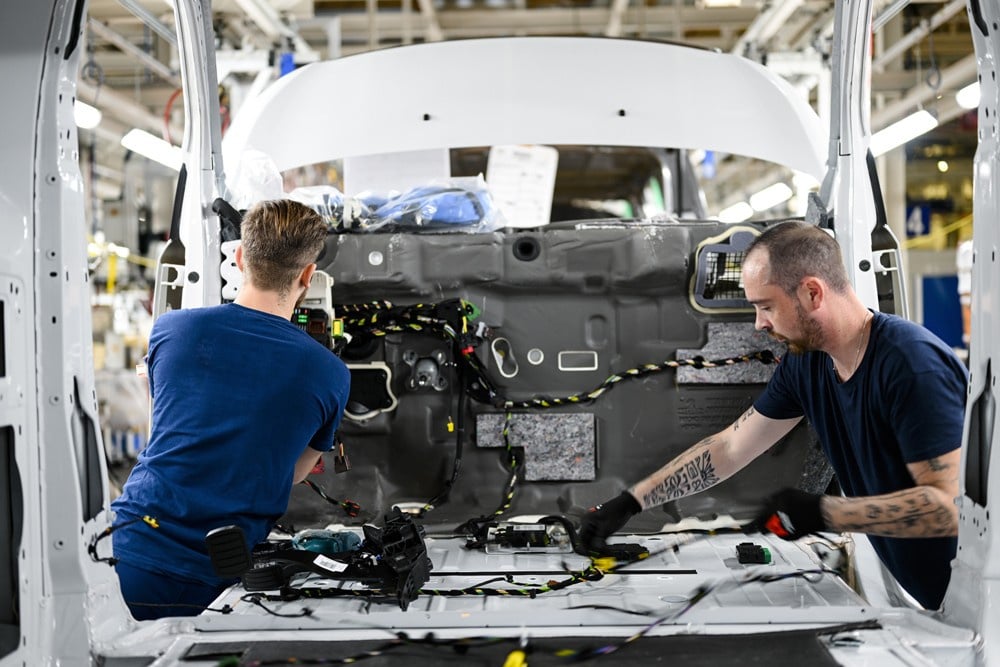
- The Mechanical Era (Pre-2010s): For decades, vehicle development was dictated by rigorous, multi-year physical prototyping, crash testing, and long-term durability trials. While electronic fuel injection and basic ABS systems were introduced, cars remained predominantly mechanical. Reliability was largely defined by metallurgy, engine tolerances, and powertrain engineering. Problems were physical and could be diagnosed and fixed with a wrench.
- The Infotainment Explosion (2010–2020): The proliferation of smartphones radically changed consumer expectations. Automakers rushed to integrate touchscreens, Bluetooth, complex navigation, and internet connectivity into their cabins. During this decade, software began to infiltrate every aspect of the driving experience.
- The JD Power Warning (2016): As early as 2016, consumer intelligence firms began sounding alarm bells. Market research from J.D. Power revealed that problems related to built-in infotainment, communication, and navigation systems had surged, accounting for a staggering 20% of all reported customer complaints. The traditional mechanical failure was rapidly being eclipsed by software glitches.
- The Post-2020 EV Boom and Chinese Market Pressure: The rapid rise of Chinese automotive brands—capable of designing, testing, and launching new electric vehicles in less than 24 months—sent shockwaves through Detroit, Stuttgart, and Wolfsburg. Traditional European and American automakers realized that their traditional 5-year development cycles rendered them obsolete before their cars even hit showrooms.
- The AI and SDV Era (Present Day): To survive, legacy manufacturers have fully embraced artificial intelligence, centralized computing architectures, and compressed development pipelines. Brands like Tesla, Volkswagen (famously stung by software bugs during the 2020 rollout of the ID.3), Mercedes, and Renault are pushing the boundaries of how fast a car can be rushed from a digital rendering to a dealership floor.
3. Supporting Data: The Shifting Landscape of Automotive Failures
The nature of vehicle breakdowns has shifted fundamentally over the past fifteen years. The classic dread of a blown head gasket or a seized transmission has increasingly taken a backseat to digital gremlins.
According to historical industry surveys, consumer dissatisfaction has steadily migrated away from pure mechanical performance toward electronic and software dependability.
- 20% and Growing: Back in 2016, J.D. Power data established that audio, communication, entertainment, and navigation systems constituted 20% of all initial quality complaints. In subsequent years, this percentage has steadily climbed as screens grew larger and features multiplied.
- The Tesla Phenomenon: Industry quality studies frequently rank manufacturers heavily reliant on over-the-air (OTA) ecosystems and heavy automation near the bottom of traditional reliability indices—not because their electric motors fail, but because their semi-autonomous features, sensor suites, and software interfaces trigger persistent owner complaints.
- The Cost of Digital Integration: Mercedes-Benz recently poured nearly 2 billion euros into developing an in-house automated system designed to manage a vehicle’s entire lifecycle—from initial digital design to factory assembly and post-sale maintenance. The company projects a 30% increase in overall efficiency, cutting development timelines by 17 months. On specific methodological tasks, Mercedes aims to cut execution times in half.
While these efficiency gains are vital for corporate survival, industry analysts note that physical validation testing—traditionally performed over millions of grueling miles in extreme climates—is inevitably being compressed, simulated, or skipped altogether in favor of virtual testing environments.
4. Official Responses and Industry Perspectives: Speed vs. Stability
Automotive executives find themselves trapped in a high-stakes prisoner’s dilemma. Falling behind the cadence of Chinese competitors means losing market share irreversibly; yet, moving too fast risks replicating the disastrous software launches that plagued early-generation electric vehicles.
The Legacy European Perspective: Cautious Resistance
Some heritage brands have expressed deep anxiety regarding the reckless race to slash development times. Renault, for instance, has publicly pushed back against the most extreme timelines, noting that compressing development under the two-year mark introduces unacceptable risks to long-term quality control. Executives at French automotive groups have warned that sacrificing rigorous, real-world durability testing to match foreign rivals could permanently damage consumer trust in European engineering.
The German Technological Push: Embracing the "Software-Defined" Paradigm
Conversely, German premium manufacturers argue that the traditional way of building cars is dead. By transitioning from a fragmented network of dozens of electronic control units (ECUs)—where every minor component runs on its own isolated microchip—to a centralized architecture controlled by one or two master "brains," automakers believe they can drastically simplify vehicle wiring while increasing computational power.
This is the core premise of the Software-Defined Vehicle (SDV). Instead of relying purely on physical components remaining unchanged, the vehicle becomes a dynamic platform managed via remote connections to corporate headquarters. If a bug is found, engineers do not need to recall physical parts; they simply push an over-the-air update.
5. Implications: The Spectre of the "Disposable Car" and Used Market Peril
The widespread adoption of compressed development cycles and software-driven architectures carries profound implications for the automotive ecosystem, particularly for second-hand buyers and the long-term lifecycle of vehicles.
The Limits of Over-the-Air Updates
Proponents of modern automotive tech argue that software updates solve the problem of rushed development. If a car rolls off the production line with minor bugs due to a shortened engineering phase, an OTA patch will fix it.
However, software support is not eternal. Much like smartphones, tablets, and personal computers, vehicles will eventually reach an "End of Life" for software support. While hardware components—such as the electric motor, chassis, and battery chemistry—may remain robust and operational for 15 or 20 years, the vehicle’s digital brain has a much shorter shelf life.
The Risk of the "Disposable Electric Vehicle"
What happens when a manufacturer decides that supporting a ten-year-old EV model is no longer economically viable?
If automakers continue to churn out new models at the breakneck pace pioneered by Chinese manufacturers—multiplying nameplates and refreshing software ecosystems constantly—we risk entering the era of the disposable car.
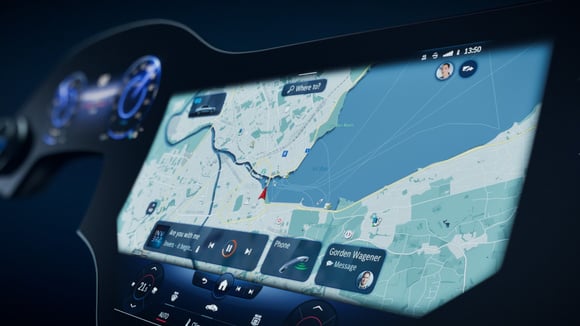
Imagine a scenario in the mid-2030s: a consumer purchases a used, 100% electric vehicle. Mechanically, the battery holds an acceptable charge and the electric drivetrain operates flawlessly. However, the central computer is choked with unpatched software errors, incompatible security certificates, and outdated infotainment protocols. Because the manufacturer has moved on to servicing newer generations of vehicles, no further security patches or functional updates are deployed.
The car becomes digitally obsolete while its mechanical components are still functioning. Essential features—ranging from climate control interfaces to driver-assistance safety systems mandated by regulators—begin to glitch or shut down entirely because the master computer can no longer communicate with modern digital infrastructure.
Conclusion: A Critical Crossroads
The automotive industry’s dash toward hyper-compressed, AI-assisted development and software-heavy vehicle architecture is an absolute commercial necessity in the face of fierce global competition. Yet, it represents a massive gamble with consumer trust.
If legacy and emerging automakers fail to establish long-term software support guarantees and rigorous baseline reliability standards, the used car market of the future could be flooded with brilliant, high-tech machines that turn into expensive, unfixable paperweights simply because their operating systems were rushed to the market and abandoned to time.