

PARIS — In an era dominated by aerodynamic efficiency, hyper-connected digital cockpits, and anonymous crossover silhouettes, the most talked-about vehicle at the opening of the 2026 Paris Motor Show possesses none of these traits. Instead, it relies on something far more potent in the current automotive landscape: pure, unfiltered nostalgia.
Citroën delivered the ultimate communication masterstroke on opening day by pulling the covers off not one, but two spiritual successors to its most iconic creation. While the passenger-focused 2CV Concept drew immediate crowds, it was its utilitarian sibling—the 2CV Fourgonnette Concept—that ultimately captured the imagination of journalists, industry veterans, and the public alike. By blending the legendary charm of the post-war commercial workhorse with contemporary electric mobility, Citroën has inadvertently created the most anticipated "what-if" vehicle of the decade.
Main Facts: Reimagining a Working-Class Hero for the Electric Age
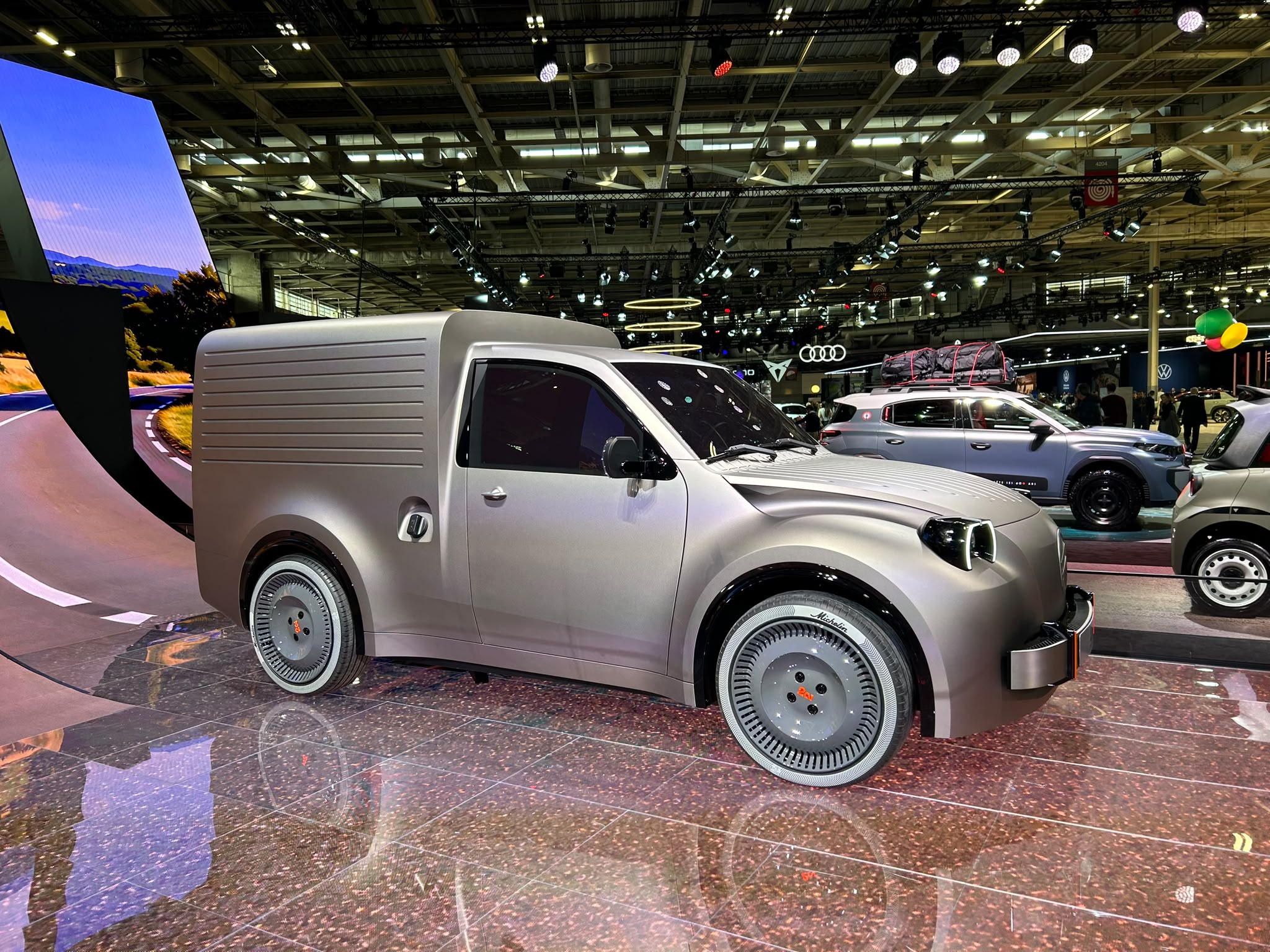
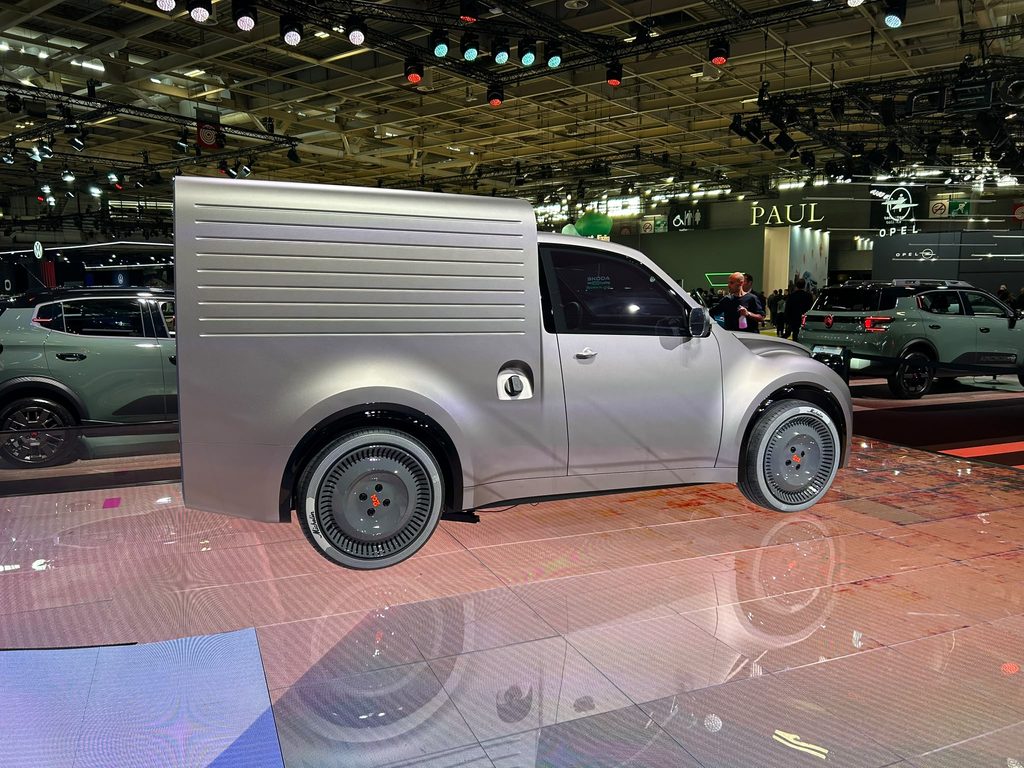
At its core, the Citroën 2CV Fourgonnette Concept is a contemporary exercise in utilitarian design, built around the core tenets that made the original "Deuche" a global phenomenon: unyielding simplicity, ingenious space management, and effortless everyday usability.
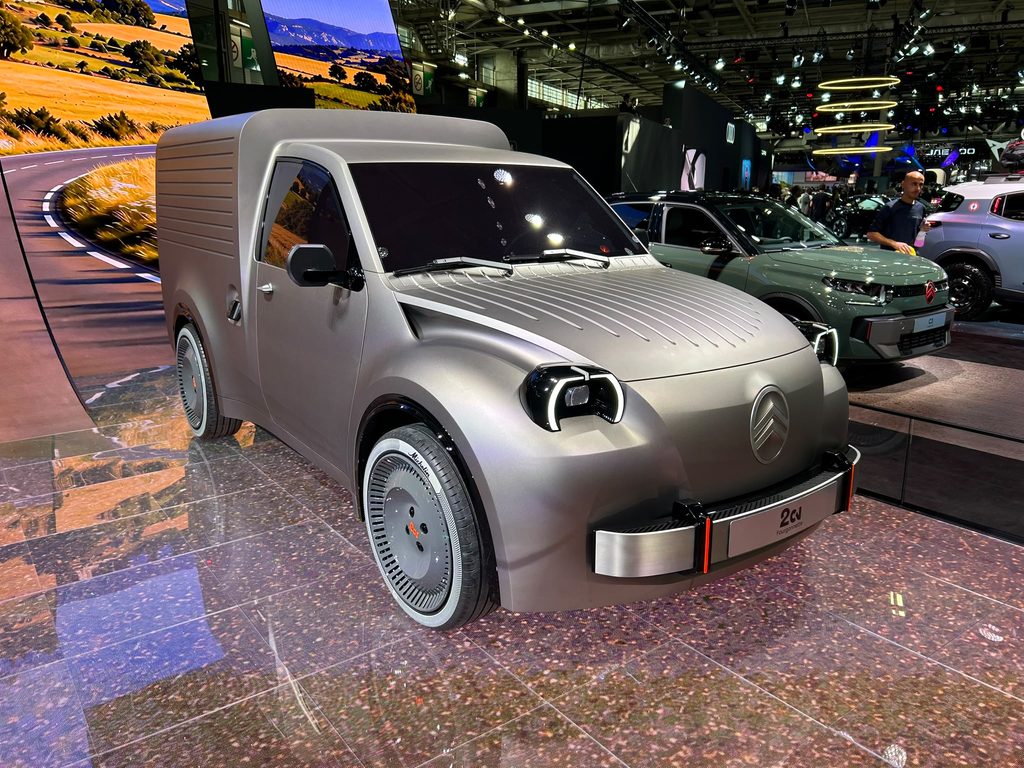
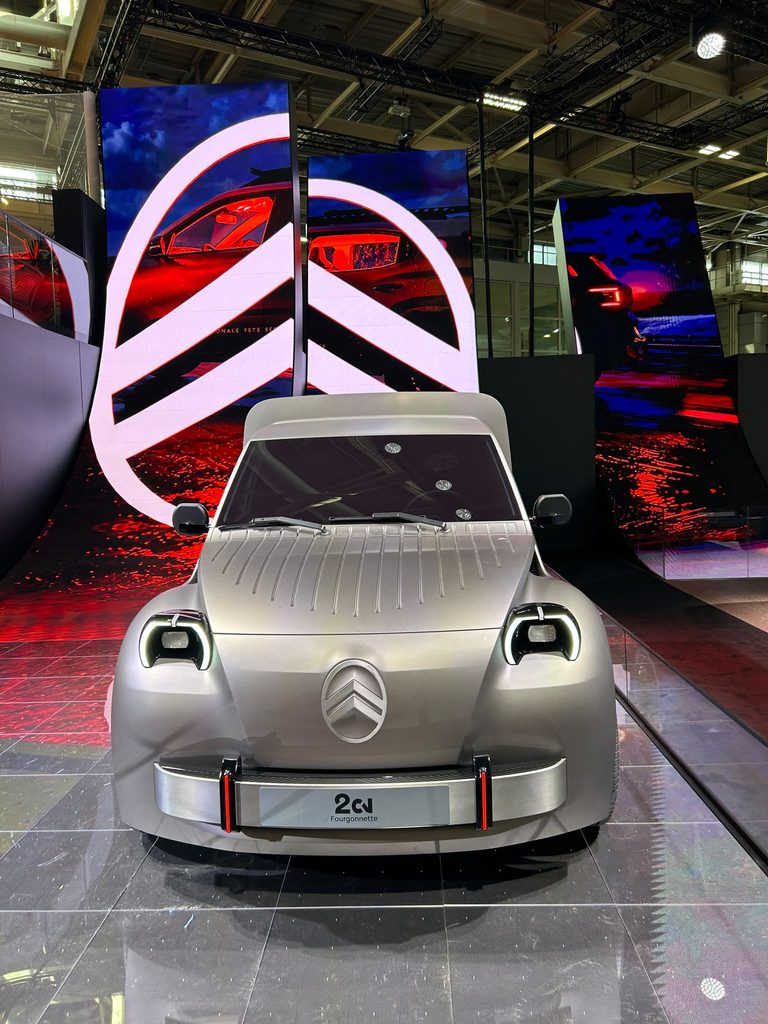
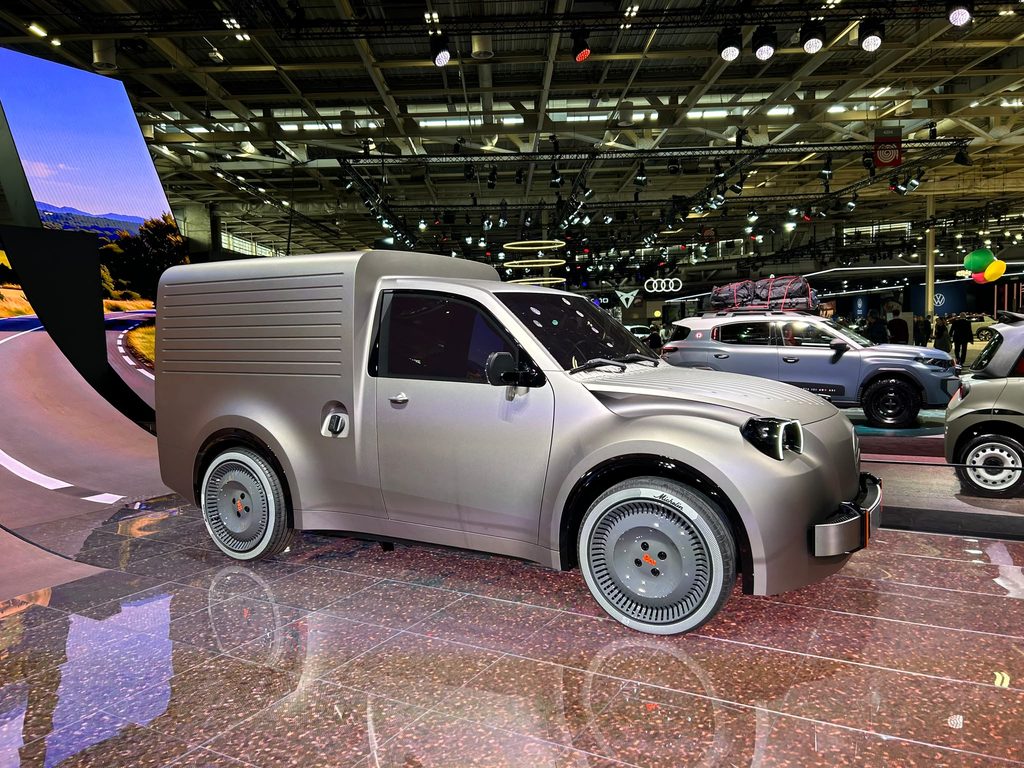
Aesthetically, the front end shares its DNA directly with the passenger 2CV Concept, boasting a friendly, approachable visage reinterpreted through a modern lens. Move toward the rear, however, and the vehicle assumes its true identity: the classic, unmistakable cargo "cube" of the commercial 2CV, complete with functional side body flutings and a whimsical faux fuel filler cap—a cheeky nod to a bygone era, now rendered obsolete by the vehicle’s zero-emission electric architecture.
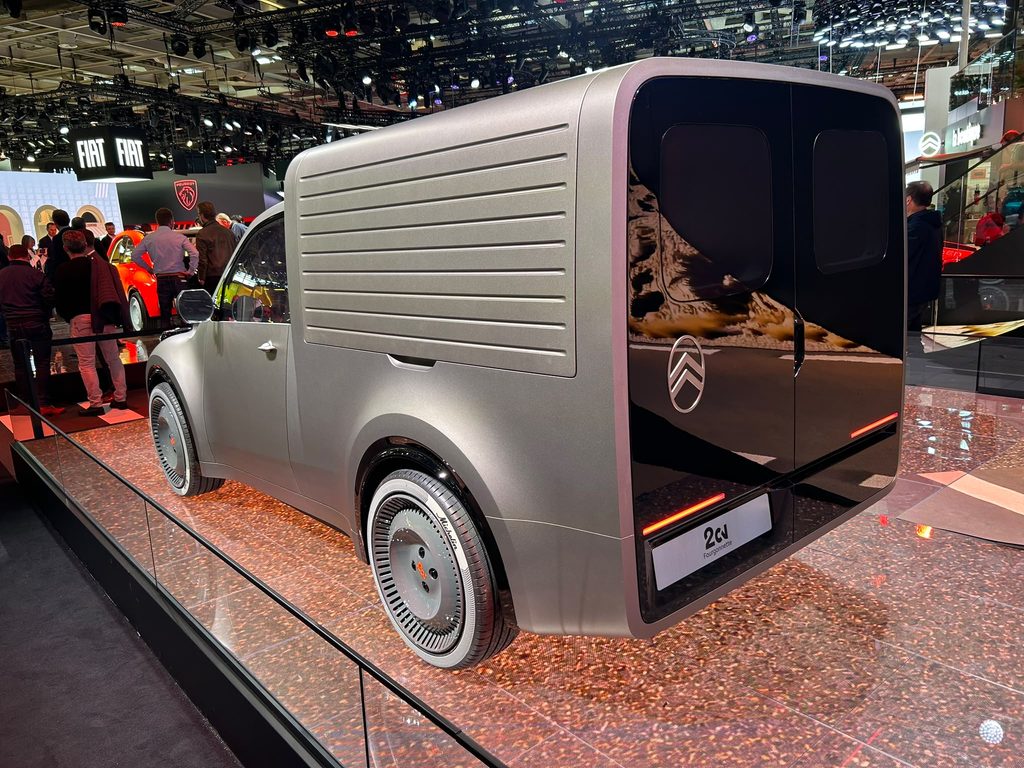
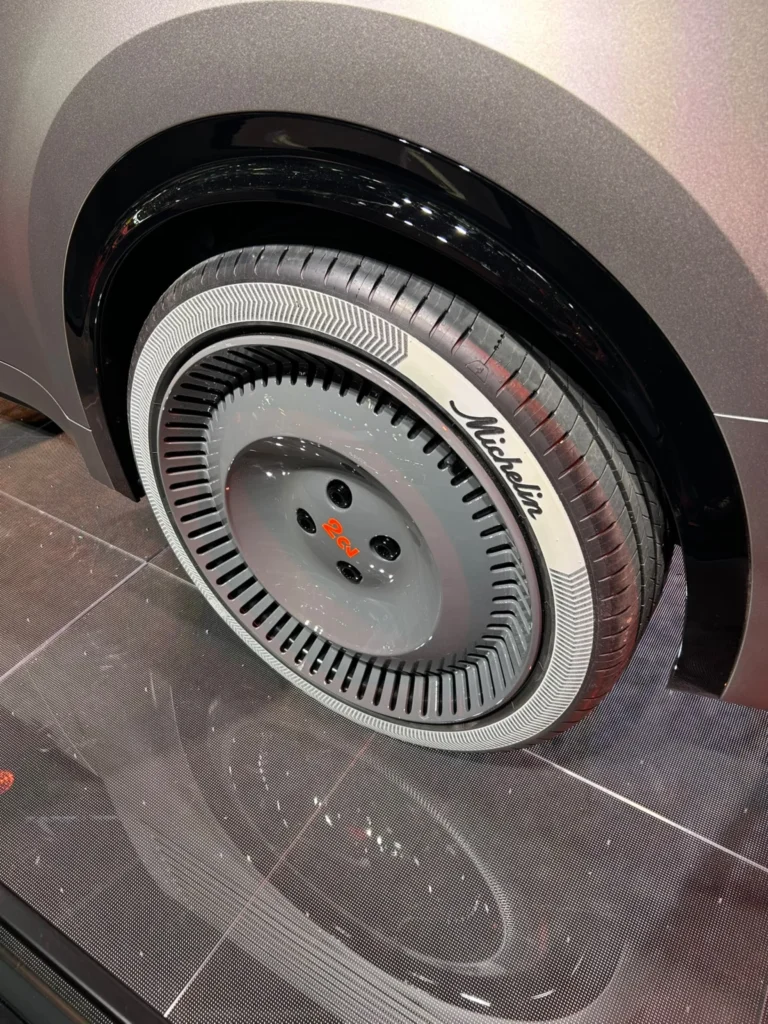
Despite the vintage aesthetic, the execution is thoroughly modern. The concept integrates cutting-edge LED lighting, subtly curved wheel arches, and period-correct mechanical door handles that offer tactile resistance reminiscent of mid-century machinery. Even the wheels have been meticulously designed to echo the pressed-steel rims of the past. In a stroke of historical synergy, Michelin—the tire manufacturer that notably owned Citroën during the original 2CV’s development cycle—developed bespoke tires featuring vintage-style sidewall graphics.
Chronology of the Legend: From Rural Lifeline to Modern Revival
To understand why the 2CV Fourgonnette Concept resonates so deeply, one must look back at the trajectory of the original commercial vehicle and the events leading up to its 2026 reappearance.
- 1951 (The Genesis): Recognizing post-war France’s urgent need for affordable, rugged transport for farmers and small business owners, Citroën introduced the 2CV Fourgonnette (Type AU). It quickly became the backbone of rural and small-town commerce.
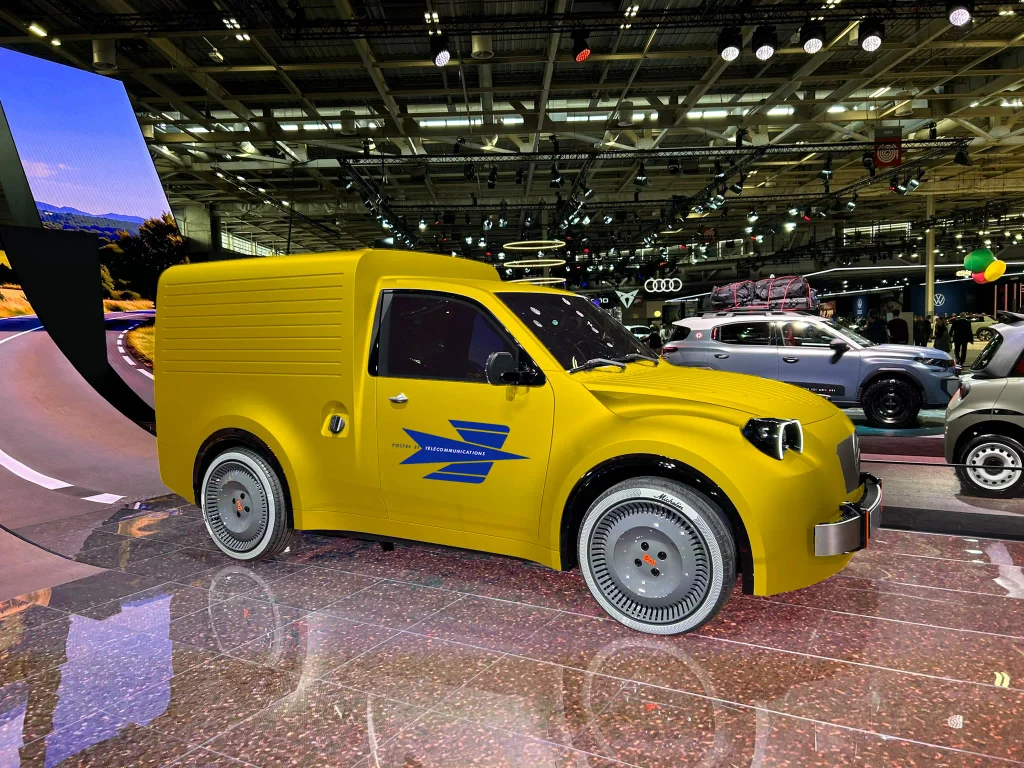
- Decades of Public Service: Throughout the 1950s, ’60s, and ’70s, the Fourgonnette became woven into the cultural fabric of Europe. It was the vehicle of choice for La Poste delivering mail to remote hamlets, for EDF/GDF technicians stringing up power lines, and for local farmers hauling produce directly to village markets.
- The Restomod Wave (2010s–2020s): As original models appreciated into collector status, independent coachbuilders like Caselani Automobili capitalized on public affection by launching modern retro-styled body kits (such as the "Type H" and "2CV Fourgonnette" conversions) built on modern Citroën commercial platforms. These custom vehicles achieved remarkable commercial success, proving that the market hungered for working-class heritage.
- October 2026 (Paris Motor Show): Citroën officially unveils the electric 2CV Fourgonnette Concept, stunning attendees and instantly dominating headlines across European automotive media.
Supporting Data & Market Context: The Economics of Emotion
While Citroën has categorized the 2CV Fourgonnette Concept strictly as a stylistic design exercise rather than a confirmed production vehicle, the market data underpinning the retro-utility segment suggests that a green-lit version could be an unmitigated commercial success.
- The Last-Mile Delivery Boom: With European cities increasingly restricting internal combustion engines in urban centers, demand for compact, zero-emission commercial vehicles optimized for last-mile delivery has surged by over 40% since 2020.
- The Nostalgia Premium: Independent conversions by firms like Caselani demonstrate that customers are willing to pay a significant financial premium—often doubling the cost of a standard donor vehicle—to secure commercial transport with vintage styling.
- Brand Heritage Value: Citroën’s identity has always been rooted in democratic, accessible mobility. For over a century, the double chevron has symbolized working-class utility. Reintroducing this ethos via an electric platform touches a chord that traditional, utilitarian vans simply cannot reach.
Official Responses and Manufacturer Stance
Despite the overwhelming enthusiasm from show-goers and automotive journalists, Citroën’s official stance remains cautious.
Speaking at the Paris Motor Show, brand representatives emphasized that the 2CV Fourgonnette Concept was designed purely as a creative outlet for their styling department—a way to explore how historical DNA can inform future design languages without the immediate pressure of homologation or mass production constraints.
"We wanted to honor our roots and celebrate the unbreakable bond Citroën has shared with artisans, tradespeople, and rural workers for more than a century," noted a brand spokesperson. "The concept is an homage to that legacy, showcasing how ingenuity and simplicity remain timeless values."
However, industry insiders note that automakers frequently use concept cars as trial balloons to gauge public reaction before greenlighting niche production runs. Given the immediate viral success of the display, pressure is mounting within corporate headquarters to reconsider the vehicle’s future.
Implications: Why Citroën Should "Dare" to Build It
The appearance of the 2CV Fourgonnette Concept at the 2026 Paris Motor Show carries significant implications for the future of commercial vehicle design.
For too long, light commercial vehicles (LCVs) have trended toward hyper-rationalized, sterile boxes designed solely to maximize cargo volume per square centimeter. While practical, they lack personality. The 2CV Fourgonnette proves that a work vehicle can double as a powerful marketing asset. Imagine a fleet of electric postal vans styled after the classic French icon, or artisan bakers, florists, and coffee roasters navigating European city streets in a zero-emission retro van. The PR value alone for a local business would be immeasurable.
Furthermore, the vehicle bridges a psychological gap in the EV transition. Many traditional buyers remain hesitant about the sterile, futuristic aesthetic of modern electric vehicles. By wrapping state-of-the-art electric powertrains in a warm, familiar, and culturally resonant shell, Citroën could convert skeptics who view modern EVs with suspicion.
As Thibaut Emme noted in his analysis for Le Blog Auto: "Allez Citroën, on ose un peu ?" (Come on, Citroën, let’s dare a little?). In an automotive landscape desperately searching for soul, building the electric 2CV Fourgonnette isn’t just a nostalgic indulgence—it’s a guaranteed commercial triumph waiting to happen.
