

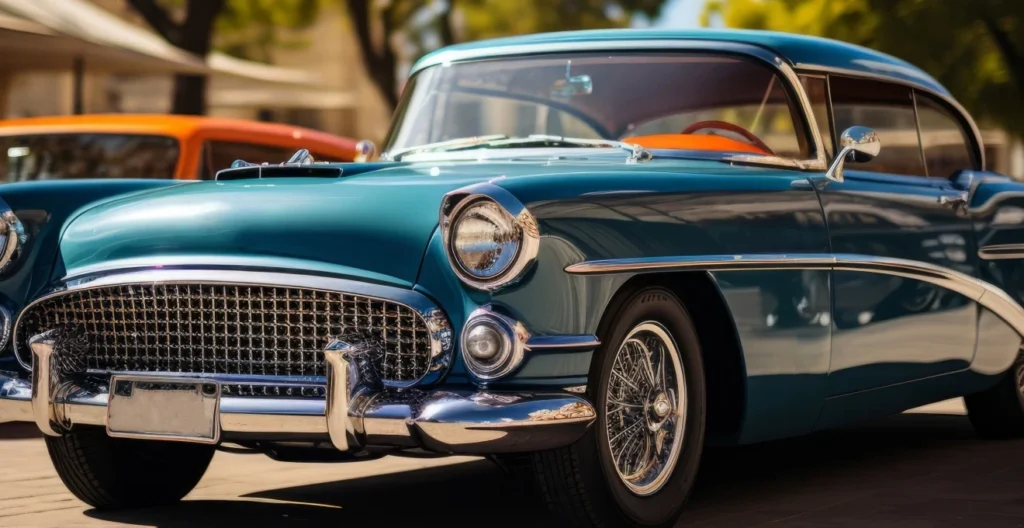
For the automotive enthusiast, owning a classic car is far more than a simple acquisition; it is the realization of a passion, a commitment to preserving history, and often, a significant financial investment. However, this stewardship comes with a unique set of responsibilities. Among the most critical is securing a specialized insurance policy that recognizes the nuances of vintage vehicles—assets that do not depreciate like modern commuters but instead often appreciate as they age. Navigating the landscape of classic car insurance requires an understanding of technical definitions, valuation methods, and the specific needs of the collector community.
Main Facts: The Essence of Classic Coverage
Unlike standard automobile insurance, which is designed for mass-produced vehicles that lose value the moment they leave the dealership, classic car insurance is a bespoke financial instrument. The core philosophy of this coverage is "agreed value" rather than "actual cash value."
Insurance providers for classic cars evaluate risk based on a different set of variables. They recognize that these vehicles are typically stored in secure environments, driven sparingly, and maintained with meticulous care by owners who view them as heritage assets. Consequently, the premiums for specialized policies are often significantly lower than those for daily drivers, despite the potentially high valuation of the car. However, the complexity arises when determining what qualifies as "classic" and how that value is calculated in an ever-shifting market.
Chronology and Statutory Requirements
In France, as in many European jurisdictions, the transition from a "used vehicle" to a "collection vehicle" is not merely a matter of sentiment—it is a legal milestone.
The 30-Year Rule
The primary gateway to the classic car status is the thirty-year threshold. Under French law, a vehicle must be at least 30 years old to be officially designated as a "véhicule de collection." This is not just a label for car shows; it has profound implications for registration (carte grise de collection), taxation, and insurance eligibility.
The Path to Official Recognition
The administrative journey is rigorous:
- Certification: The owner must obtain an attestation from the Fédération Française des Véhicules d’Époque (FFVE). This body verifies the authenticity and historical integrity of the vehicle.
- Technical Inspection: While standard vehicles face biennial inspections, classic cars often benefit from more lenient or specialized inspection requirements, acknowledging that these vehicles are driven significantly fewer miles.
- Registration: Once the FFVE documentation is secured, the owner submits a file to the Agence Nationale des Titres Sécurisés (ANTS) to obtain the official "collection" status on the registration document.
This chronology is essential. Without this formal recognition, an owner may struggle to access the specific, lower-premium insurance products designed for collectors, as standard insurers often lack the mechanisms to handle the unique valuation requirements of vintage machinery.
Supporting Data: Valuation and Market Dynamics
The financial backbone of classic car insurance is the appraisal. Unlike the depreciation curves seen in the general automotive market, classic cars exist in a speculative, sentiment-driven economy.
Agreed Value vs. Stated Value
- Agreed Value: This is the gold standard for collectors. The owner and the insurer agree on a specific sum at the start of the policy. In the event of a total loss, the insurer pays this amount, minus any deductible. It eliminates the ambiguity of market fluctuations.
- Stated Value: This is a more fluid approach where the owner declares the value. While premiums might be lower, it carries the risk of "under-insurance" if the market value of the car rises significantly between policy renewals.
Expert Appraisals
Reliable estimation is not merely a Google search of recent auction results. Professional appraisers evaluate the mechanical integrity, the "matching numbers" status (whether the engine and chassis match the original production records), and the quality of restoration. For high-value collections, experts are often required to conduct physical inspections every two to three years. This ensures that the policy coverage remains commensurate with the current market valuation, preventing a scenario where a total loss leaves the owner with a payout that cannot replace the asset.
Official Perspectives and Industry Standards
Industry experts and insurers emphasize that the "best" insurance is not necessarily the one with the lowest premium, but the one with the most comprehensive "agreed value" clause.
In discussions regarding the preservation of heritage, insurance providers highlight the importance of "spare parts coverage." For a 1960s roadster, a fender is not just a piece of metal; it is a specific, possibly extinct component. Leading insurers now offer policies that include provisions for the fabrication of custom parts or the search for rare, period-correct components. This recognizes that the goal of the policy is not just to pay for a replacement, but to restore the vehicle to its pre-accident condition, maintaining its historical authenticity.
Furthermore, insurers note that the community aspect—club memberships and rally participation—often leads to better safety outcomes. Data suggests that owners who are active in clubs are more likely to perform preventative maintenance and follow strict safety protocols, which in turn influences the underwriting process and allows for more competitive pricing.
Implications for the Modern Collector
The implications of these insurance structures extend into the broader market for classic cars as investment vehicles.
The Impact of Usage Restrictions
Most classic car policies include a mileage limit. While this may seem like a constraint, it is a key driver of the lower premiums. For the collector who takes their car out for Sunday drives or weekend rallies, these restrictions are rarely an issue. However, for those looking to drive their classic car to work every day, these policies are generally unavailable, pushing them toward standard—and much more expensive—insurance products that do not cater to the specific needs of vintage repair.
Managing Risk in Restoration
A unique challenge for the industry is the "restoration gap." Many enthusiasts purchase "project cars" that are currently non-functional. Specialized insurers now provide coverage for these vehicles while they are under the knife. This is critical because a car undergoing a full frame-off restoration is highly vulnerable to theft or garage fires. Professional policies cover the vehicle at its "in-progress" value, which increases as the restoration nears completion, ensuring the owner is never exposed to an uninsured loss.
Liability and Club Events
For those deeply involved in the community, liability is a primary concern. Participating in organized tours, rallies, or public exhibitions creates potential liability risks. Specialized club-focused policies provide broader coverage, protecting the owner not just as a driver, but as a participant in a communal activity. This legal safety net allows the hobby to flourish, fostering a culture of exhibition and preservation rather than clandestine storage.
Conclusion: Choosing the Right Partner
Selecting an insurance provider for a classic car is a high-stakes decision. The owner must look beyond the initial quote and investigate the insurer’s track record with claims. Does the company employ adjusters who understand the difference between a reproduction part and an original, period-correct component? Do they have a network of specialists who can handle the delicate restoration of a vintage engine?
The transition from a mere car owner to a vehicle curator requires a shift in mindset. It demands an appreciation for the history, the fragility, and the appreciating nature of the asset. By securing a policy that recognizes these truths—through agreed-upon valuations, coverage for rare parts, and an understanding of the enthusiast lifestyle—the collector ensures that their piece of history will remain on the road, or on the show field, for generations to come. In the world of classic cars, the right insurance is not just a legal requirement; it is the ultimate form of preservation.
