

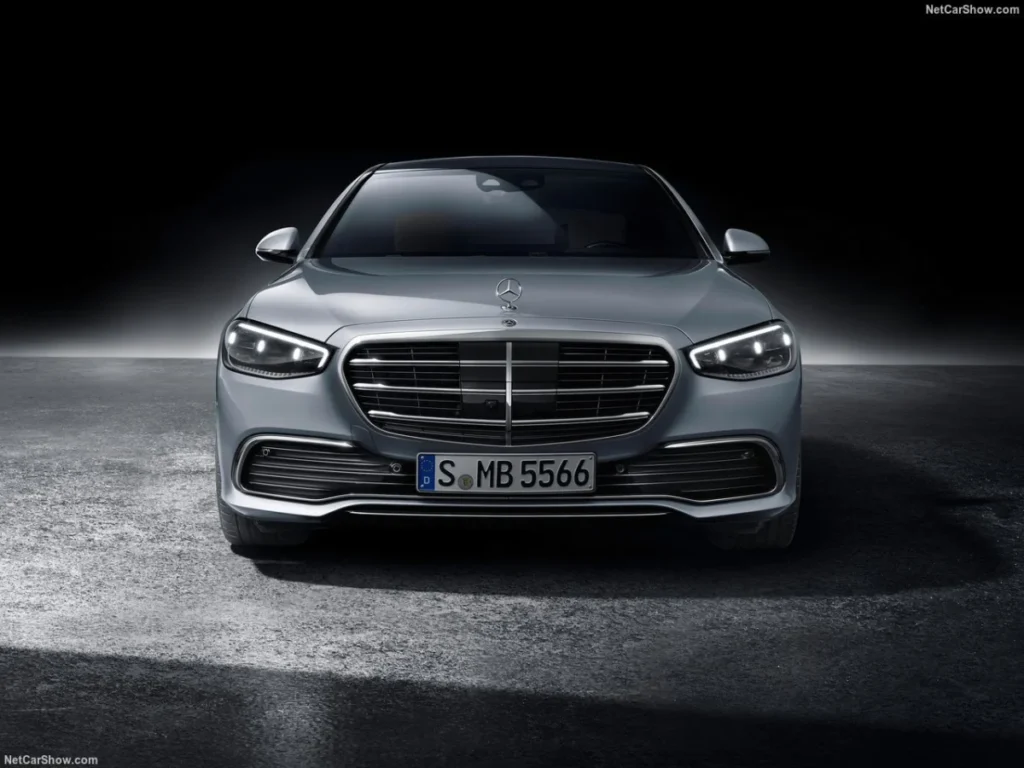
Even at the pinnacle of automotive luxury, where engineering precision is expected to be flawless, the smallest components can dictate the safety of a vehicle. Mercedes-Benz, the German titan of prestige motoring, has recently initiated a significant expansion of its recall campaign, targeting its most sophisticated and high-end flagship sedans. While these vehicles represent the zenith of comfort and technological innovation, a persistent issue with front brake hoses has forced the manufacturer to revisit a safety initiative first launched in early 2025.
This development highlights the complexities of modern automotive manufacturing, where the integration of advanced mechanical systems requires absolute reliability in even the most fundamental parts.
The Core of the Issue: A Critical Mechanical Vulnerability
At the center of this safety campaign is a technical defect involving the front brake hoses. According to documentation filed with the National Highway Traffic Safety Administration (NHTSA)—the federal authority overseeing road safety in the United States—certain brake hoses installed in Mercedes-Benz’s flagship lineup are prone to premature deterioration.
The issue stems from a combination of environmental and mechanical stresses. Over time, exposure to extreme heat and the continuous physical vibrations inherent in vehicle operation can compromise the structural integrity of the hose material. This degradation can manifest as microscopic cracks, which, if left unaddressed, may lead to a loss of brake fluid, or in worst-case scenarios, a complete rupture of the line.
The implications for driver safety are significant. A breach in the hydraulic braking system results in a loss of pressure, which directly impairs the vehicle’s ability to decelerate. Drivers may notice an increase in the pedal travel required to bring the car to a stop or, in more severe cases, a significant reduction in total braking power. While modern Mercedes-Benz vehicles are equipped with sophisticated dashboard monitoring systems—often triggering a red warning light if brake fluid pressure drops—the potential for a sudden loss of control remains a critical safety concern that the manufacturer is eager to mitigate.
Chronology of a Growing Recall
The current recall is not an isolated event but rather an extension of a campaign that originated in February 2025. Initially, Mercedes-Benz identified a specific batch of vehicles that were susceptible to this hose fatigue. However, further investigation and ongoing data collection have led the manufacturer to broaden the scope of the operation, incorporating a wider range of production dates and specific trim levels.
The Timeline of Concern
- February 2025: Initial recall campaign launched by Mercedes-Benz to address potential brake hose degradation in specific luxury models.
- Late 2025 – Early 2026: Continued monitoring and internal quality assessments reveal that the issue is more widespread than previously estimated, affecting a larger production window.
- November 2026 (Scheduled): Formal notification of owners in the United States is set to begin, as the manufacturer coordinates with regulatory bodies to ensure all affected units are identified and serviced.
The vehicles identified in the current recall were assembled between February 2, 2021, and November 28, 2024. According to internal engineering reports provided to the NHTSA, the manufacturing process was updated following the November 2024 cutoff. Vehicles produced after this date incorporate a redesigned brake hose that has been stress-tested to withstand the environmental factors that compromised the original parts. Consequently, newer models remain unaffected.
Statistical Breakdown: Impact on the Luxury Segment
The scale of the recall is substantial, particularly given that it focuses exclusively on the brand’s most expensive and exclusive sedans. In the United States alone, the recall encompasses 30,064 vehicles. The distribution of these affected units reveals just how deeply this issue cuts into the heart of the Mercedes-Benz flagship range:
- Mercedes-Benz S 580 4Matic: 16,881 units
- Mercedes-Benz S 500 4Matic: 7,143 units
- Mercedes-Benz S 580 e 4Matic (Plug-in Hybrid): 2,277 units
- Mercedes-AMG S 63 E Performance: 1,760 units
- Mercedes-Maybach S 680 4Matic: 1,070 units
- Mercedes-Maybach S 580 4Matic: 947 units
These numbers are striking. The inclusion of the Mercedes-Maybach line—the ultra-luxury division—and the high-performance AMG variants underscores that this is not merely a defect affecting entry-level production or a niche mechanical configuration. It is a systematic issue that impacts the most prestigious offerings in the Stuttgart-based automaker’s portfolio.
Official Response and Remediation Strategy
Mercedes-Benz has adopted a proactive stance in addressing the concerns of its clientele. The manufacturer has committed to replacing the front brake hoses on all affected vehicles free of charge. This is a standard procedure for safety-critical recalls, ensuring that the burden of the manufacturer’s quality control failure does not fall upon the consumer.
Steps for Owners:
- VIN Identification: The most reliable way to determine if a vehicle is affected is by utilizing the Vehicle Identification Number (VIN). Owners can input their 17-character VIN into the NHTSA’s official recall portal or the dedicated safety section on the Mercedes-Benz official website.
- Notification Process: Mercedes-Benz is currently preparing to issue formal notices to owners of record. These letters will provide detailed instructions on how to schedule the repair at authorized dealerships.
- Service Appointments: Once the parts are available, owners are encouraged to book an appointment with their local service center. Given the nature of the repair, the labor time is expected to be manageable, though customers should expect a drop-off period while the hydraulic system is serviced and bled of air.
Global Implications: Beyond the U.S. Market
While the primary data and the 30,064-vehicle count originate from the NHTSA in the United States, this does not suggest that the problem is exclusive to the North American market. The global supply chain for Mercedes-Benz components is highly centralized, and the production period in question covers vehicles distributed worldwide.
For European, Asian, and Middle Eastern owners, the situation requires vigilance. Regulatory frameworks in regions like the European Union (via the RAPEX system) often mirror U.S. safety findings. However, international owners should not wait for a formal letter to arrive in the post. The most prudent course of action for any owner of a Mercedes-Benz S-Class, Maybach, or AMG model produced between 2021 and 2024 is to contact their local dealership. By providing the vehicle’s chassis number to a service advisor, owners can instantly verify if their specific car is flagged in the manufacturer’s global database for this repair.
The Broader Impact on the Luxury Automotive Industry
This recall serves as a sobering reminder of the challenges faced by even the most storied luxury brands. As vehicles become increasingly complex—packed with sensors, hybrid powertrains, and sophisticated chassis dynamics—the reliance on high-quality sub-components has never been greater.
When a brand like Mercedes-Benz, which prides itself on "The Best or Nothing," encounters a mechanical failure of this nature, the reputation of the entire engineering team is brought into question. However, the industry’s shift toward transparency and rapid response is a positive development for consumer safety. By choosing to expand the recall rather than hide behind minor service updates, the manufacturer is prioritizing the long-term trust of its high-net-worth customer base.
Ultimately, the safety of a vehicle is measured by the integrity of its weakest link. In this case, that link is a rubber hose tasked with the immense pressure of bringing a multi-ton luxury sedan to a halt. While the inconvenience of a recall is undeniable, the decisive action taken by Mercedes-Benz ensures that the high-performance, high-comfort experience expected by these owners remains synonymous with safety.
As the industry moves toward an electrified and autonomous future, such mechanical recalls may become less frequent as physical braking systems are supplemented by regenerative braking. Yet, until that transition is complete, the standard of mechanical excellence must remain uncompromising. Owners of the affected S-Class and Maybach models are encouraged to act promptly, ensuring that their vehicles remain as safe as they are luxurious.
