

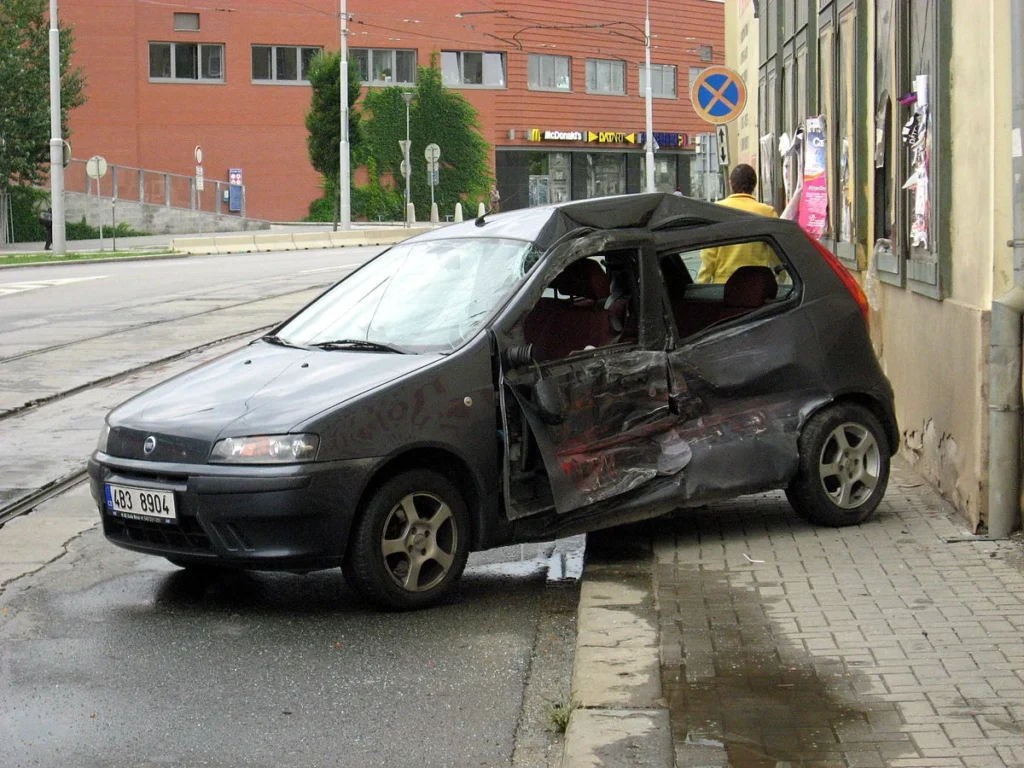
Auto insurance is far more than a bureaucratic hurdle or a monthly expense; it is the fundamental pillar of responsible vehicle ownership. In an era where mobility is synonymous with personal and professional freedom, maintaining a valid insurance policy is a non-negotiable legal requirement. Whether you are a first-time buyer, a seasoned driver renewing a policy, or someone returning to the road after a hiatus, the landscape of vehicle coverage has been fundamentally transformed by digital innovation.
This guide provides an in-depth exploration of the regulatory necessity, the strategic selection of coverage, and the technological advancements that are streamlining the insurance process for modern drivers.
1. The Fundamental Facts: Why Insurance is Non-Negotiable
At its core, the French legislative framework—and indeed the framework of most developed nations—leaves no room for ambiguity: any individual who owns a motorized vehicle must possess, at a minimum, third-party liability insurance (often referred to as responsabilité civile).
This is not merely an administrative check-box; it is a critical safety net. The primary function of this insurance is to provide financial protection to third parties in the event of an accident. However, it serves a dual purpose by shielding the vehicle owner from catastrophic financial ruin. Without adequate coverage, a single serious accident could result in personal bankruptcy, as the costs associated with medical bills, property damage, and legal fees can escalate rapidly into the hundreds of thousands of euros.
The Consequences of Non-Compliance
Circulating without valid insurance is classified as a severe infraction. The implications are immediate and punitive:
- Heavy Fines: Monetary penalties can reach several thousand euros for repeat offenders.
- Administrative Sanctions: Immediate immobilization of the vehicle is common.
- License Implications: In many jurisdictions, operating without insurance can lead to a suspension or permanent revocation of the driver’s license.
- The "Silent" Risk: Many drivers fail to realize that insurance must be active the very moment a vehicle enters public traffic, even if the trip is only a few kilometers. An "expired" policy is legally equivalent to having no policy at all.
2. Chronology: When and Why You Need Immediate Coverage
Identifying the specific moments in your life when insurance needs adjustment is vital to avoiding coverage gaps.
Phase 1: The Acquisition (The New or Used Vehicle)
The moment you purchase a car, the clock starts ticking. Before you can legally drive your new asset off the lot or from a private seller’s driveway, you must present a valid insurance certificate.
- The Proactive Approach: Savvy buyers gather insurance documentation before finalizing the sale.
- The Urgent Scenario: Consider a buyer who secures a vehicle on a Friday evening with plans to attend a high-stakes job interview on Saturday morning. In such instances, the ability to secure coverage instantly via digital platforms is not a luxury—it is a necessity.
Phase 2: The Transition (Resale or Relocation)
Life events such as moving to a new city, selling an older vehicle, or transitioning between insurance providers require careful orchestration. To avoid paying "double premiums" or, conversely, leaving a window of time where you are driving uninsured, it is essential to manage the transition period.
- Best Practice: Always provide the legal notice period to your current insurer and synchronize the end date of the old policy with the inception date of the new one.
Phase 3: The Return (Re-entry to the Road)
Returning to the road after a period of non-driving—whether due to a license suspension, a long-term medical issue, or storing a vehicle for the winter—requires more than just a new policy. A comprehensive mechanical inspection of the vehicle is recommended before re-insuring, as insurance companies may deny coverage or apply exclusions if a vehicle is deemed unroadworthy due to long-term neglect.
3. Supporting Data: Choosing the Right Formula
Selecting the appropriate insurance tier is a balance of risk management and budget. The market is generally segmented into three distinct levels:
- Third-Party (Tiers Simple): The bare minimum. It covers damage caused to others. It is often the most economical choice for older vehicles with low market value.
- Extended Third-Party (Tiers Étendu): This typically adds coverage for fire, theft, and natural disasters. It is the "middle ground" for vehicles that are aging but still hold significant value.
- Comprehensive (Tous Risques): The premium option. It covers the policyholder regardless of fault, including vandalism, accidents, and glass breakage.
Strategic Considerations
- Vehicle Age: For a modest car over ten years old, comprehensive insurance may cost more than the vehicle’s total market value over time.
- Deductibles (Franchises): Manipulating the deductible allows a driver to balance the monthly premium against their personal risk tolerance. A higher deductible results in lower monthly payments but requires more "out-of-pocket" expense during a claim.
4. Official Responses and Industry Standards
Regulatory bodies and industry federations, such as the Fédération Française de l’Assurance, consistently emphasize the importance of transparency during the underwriting process.
Common Pitfalls and Exclusions
Official industry guidelines highlight that many policy disputes arise from undisclosed information. Drivers must be wary of:
- Professional Use: Using a personal vehicle for business purposes without declaring it can lead to claim denials.
- Technical Modifications: Installing aftermarket parts (e.g., engine tuning, exhaust modifications) without notifying the insurer can invalidate the policy.
- The Secondary Driver: Failure to declare a spouse or child as a secondary driver can lead to significant complications in the event of an accident.
Industry experts advocate for the use of neutral comparison tools. When using these tools, it is imperative to compare "apples to apples"—ensuring that the levels of coverage, deductibles, and assistance options are identical across all quotes.
5. The Digital Revolution: Implications for the Future
The shift toward digital insurance platforms has fundamentally altered the consumer experience, providing three core advantages:
A. Efficiency and Accessibility
Digital platforms offer 24/7 availability. Gone are the days of scheduling appointments with brokers during standard business hours. With a few clicks, a user can generate multiple quotes, compare coverage, and bind a policy in minutes.
B. Legal Validity
Modern secure digital signatures (signature électronique) carry the same legal weight as traditional "wet" ink signatures. The instant delivery of insurance documents via email means that a driver can theoretically be fully covered and legally documented within minutes of completing a digital form.
C. The "Immediate Coverage" Reality
The advent of immediate online auto insurance allows drivers to obtain a temporary certificate of insurance (often valid for a limited period) that serves as proof for registration authorities. This has eliminated the friction previously associated with the purchase of a new vehicle.
A Warning on Temporality
While digital solutions are fast, consumers must avoid the trap of "temporary insurance" (often valid for only a few days or weeks) unless they have a specific, short-term need. These products are priced differently and are not suitable substitutes for annual, long-term coverage.
Conclusion: Driving with Confidence
Securing the right auto insurance is a hallmark of the modern, responsible citizen. By leveraging digital tools to compare offerings, understanding the legal nuances of the policy, and proactively managing the transition between contracts, drivers can ensure they are not only compliant with the law but also protected against the financial uncertainties of the road.
As technology continues to evolve, the process of insuring a vehicle will only become more integrated and seamless. However, the onus remains on the driver to evaluate their needs, understand the exclusions, and maintain a policy that truly reflects their daily reality. Whether you are driving a vintage sedan or the latest electric vehicle, your insurance policy is your most valuable co-pilot. Treat it with the same care you give your vehicle, and you will navigate the road ahead with the peace of mind you deserve.
