

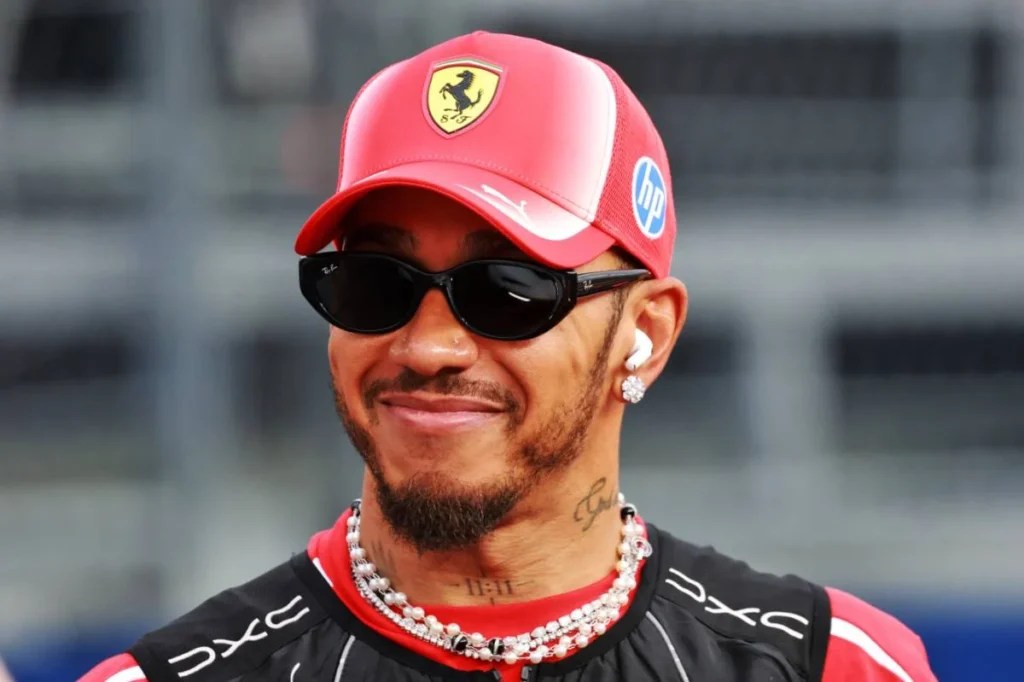
The neon-soaked streets of Singapore, the shimmering desert expanse of Sakhir, and the dazzling spectacle of the Las Vegas Strip have all become synonymous with the modern era of Formula 1. For seven-time world champion Lewis Hamilton, these nocturnal showcases are not merely a visual gimmick or a clever marketing ploy—they represent the future evolution of the sport. As the F1 calendar continues to expand into new territories and grapple with the realities of a changing global climate, the British racing icon is advocating for a broader shift toward night racing, arguing that it enhances performance, protects human well-being, and elevates the theatrical spectacle of Grand Prix racing.
The Genesis of the Night Race: A New Era
The history of Formula 1 is deeply rooted in the tradition of Sunday afternoon racing. For decades, the sport’s identity was tied to the sun-drenched circuits of Europe and the classic daytime starts that defined the schedules of the 20th century. However, in 2008, that paradigm shifted forever with the inaugural Singapore Grand Prix at the Marina Bay Street Circuit.
For the first time, the FIA sanctioned a race under the glare of high-intensity artificial lighting. It was a logistical and engineering marvel that changed the landscape of the sport. Lewis Hamilton, who was driving for McLaren at the time, recalls the apprehension and excitement that permeated the paddock during that landmark weekend.
"I love night races," Hamilton reflected recently. "I remember the arrival of Singapore on the calendar and the simulation work we did back at McLaren. The organizers did an incredible job with the lighting. It was a completely new environment for us as drivers, and it set a benchmark that has since been replicated across the globe."
The success of Singapore proved that the spectacle of Formula 1 could be heightened by the drama of light and shadow, transforming the track into a coliseum of speed. This realization sparked a trend that would see historic venues like Bahrain transition from afternoon events to spectacular floodlit night races, forever altering the visual language of the sport.
A Visionary’s Influence: Shaping the Desert Sands
Hamilton’s interest in night racing is not purely aesthetic; he has been an active, albeit unofficial, proponent of the format for years. His influence played a subtle but significant role in the evolution of the Bahrain International Circuit.
During the early 2000s, racing in Sakhir was an endurance test against the elements. Temperatures often soared past 40°C (104°F), creating punishing conditions for drivers, mechanics, and spectators alike. Recalling his discussions with the Bahraini authorities, including the Crown Prince Salman, Hamilton shared a pivotal piece of advice that eventually helped shape the circuit’s future.
"I remember speaking with the Prince during our early testing sessions there," Hamilton noted. "We were out on the track in the middle of the day, and the heat was simply incredible. The tires were essentially melting, and the car’s performance was suffering under the sheer thermal stress. I told him, ‘This place would be absolutely incredible at night.’ A few years later, they made the switch."
The transition to a night format in 2014 was a game-changer for the Bahrain Grand Prix. It mitigated the extreme daytime heat, allowed for more consistent tire performance, and created a breathtaking visual contrast between the glowing asphalt and the dark desert night. It serves as a prime example of how infrastructure investment can solve both the physical challenges of a climate and the commercial desire for a more compelling television product.
The 2026 Landscape and the Case for Climate Adaptation
As Formula 1 looks toward the 2026 season, the footprint of night racing is significant. With events like Saudi Arabia, Qatar, and Abu Dhabi regularly scheduled under the lights, the sport is increasingly reliant on nocturnal windows to accommodate the extreme weather conditions of the Middle East.
The logic is straightforward: as global temperatures rise, the "thermal envelope" for safe racing becomes narrower. Holding a Grand Prix at 2:00 PM in the Qatari desert is not only a grueling physical challenge for the pilots but a significant health risk for the thousands of fans sitting in uncovered grandstands.
Hamilton argues that the sport must continue to prioritize these shifts. "It works really well in places where it is extremely hot," he explained. "If you hold a race in the middle of the day, it becomes very difficult for the spectators and for everyone working in the paddock. Moving to the night isn’t just about the show; it’s about the sustainability of the event in those regions."
Beyond the Desert: Madrid and the Future of Flexibility
While the Middle Eastern swing has become the natural home for night racing, Hamilton is challenging the sport to think more creatively about where these formats could be applied. His sights are set on newer additions to the calendar, such as the upcoming Madrid Grand Prix.
"I find some night races to be truly great," Hamilton remarked. "We were recently in Madrid, and the circuit is beautiful during the day, but I couldn’t help but think it would be equally stunning at night. It’s a concept that could work for many circuits, not just those in the desert."
This vision of a more "flexible" calendar is a fascinating proposition. Hamilton suggests that the sport could potentially experiment with rotating formats—perhaps alternating between day and night sessions to keep the challenge fresh for the drivers and the viewing experience dynamic for the fans. While he acknowledges that this would require significant investment in high-grade, permanent lighting systems, the long-term payoff could be immense.
Implications for the Sport: The Logistics of Light
The transition to night racing involves far more than simply flipping a switch. The technical requirements are immense. From a broadcast perspective, the lighting must be uniform, flicker-free, and capable of high-definition capture for global audiences. For the drivers, the challenge lies in the change of lighting conditions as the race progresses from twilight to full darkness, requiring specialized helmet visors and constant adjustments to their visual perception of braking points and apexes.
Moreover, the environmental impact of such lighting systems is a topic of increasing scrutiny within the F1 sustainability mandate. Modern LED technology has significantly reduced power consumption, but the infrastructure required to illuminate a multi-kilometer street or permanent circuit remains a massive logistical undertaking.
However, the "Hamilton Approach" suggests that the benefits—both human and commercial—outweigh the costs. By reducing the physical toll on the human body, the sport ensures that drivers can perform at their peak for longer, potentially leading to more competitive racing. By creating a unique, premium atmosphere, the sport justifies its position as a global entertainment giant.
Conclusion: A New Philosophy for Formula 1
Lewis Hamilton’s advocacy for more night races is a reflection of his status as a steward of the sport. He is thinking beyond his own tenure as a driver, considering how the sport must adapt to modern challenges. Whether it is through the lens of climate adaptation, fan experience, or pure, unadulterated spectacle, the "night race" has evolved from a novelty in 2008 to a pillar of modern Formula 1.
As the grid prepares for future seasons, the dialogue between drivers, the FIA, and race promoters will be crucial. If Hamilton’s vision is realized, we may soon see a calendar where the distinction between day and night becomes as fluid as the racing itself. One thing is certain: in the world of Formula 1, the lights are only going to get brighter.
As we look toward the 2026 season and beyond, the legacy of the night race will continue to grow. For a sport that prides itself on being at the bleeding edge of technology and performance, embracing the dark to show off its brightest assets seems, in the eyes of one of its greatest champions, to be the only logical path forward.
