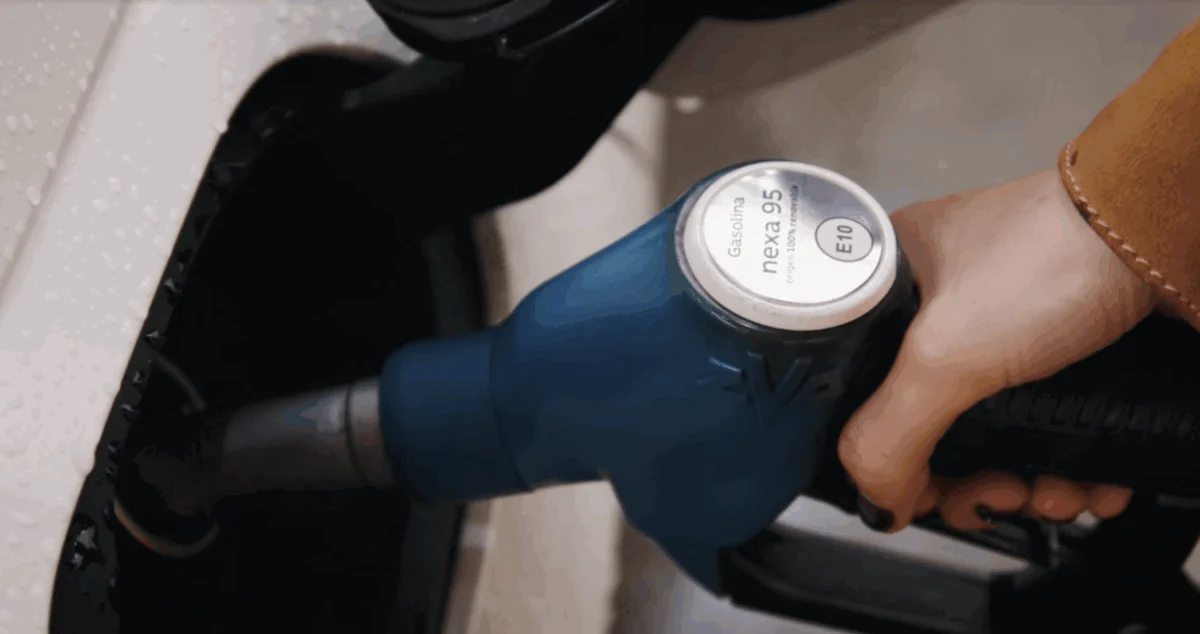
For millions of French households, the weekly visit to the petrol station has transformed from a routine errand into a source of significant financial anxiety. The persistent crisis surrounding fuel costs continues to grip the nation, casting a long shadow over the automotive sector and the broader economy. While the latest data from the Ministry of Ecological Transition indicates a marginal retreat in diesel prices, experts warn that this minor relief is likely a temporary anomaly rather than a structural shift. As geopolitical tensions simmer and global market pressures mount, the question remains: is the current stabilization merely the calm before another price storm?
The Current State of Play: A Marginal Ebb
According to the latest figures released by the French Ministry of Ecological Transition, the national average price for diesel has seen a slight decline. Currently, the average cost stands at approximately €2.3282 per liter, representing a decrease of 2.73 centimes compared to the previous week, when prices hovered around €2.3555 per liter.
For the average motorist, this shift offers little more than symbolic relief. On a standard 50-liter tank, this reduction translates into a saving of approximately €1.37—a negligible amount for daily commuters who are already struggling to absorb the impact of sustained inflation. Meanwhile, the gasoline market remains even more stagnant. The SP95 E10, one of the most widely used fuels, has seen its price dip from €2.1399 to €2.138 per liter—a marginal reduction of only 0.2 centimes.
Other fuel types present a similarly bleak picture. The SP95 has actually recorded a slight increase, rising from €2.117 to €2.122 per liter, while the SP98 has seen a nearly imperceptible decline, moving from €2.2043 to €2.2039. These figures underscore a reality that is far from the "reasonable" pricing thresholds that consumers were accustomed to in previous years.
Chronology of a Crisis: From Geopolitics to the Pump
The current inflationary cycle did not emerge in a vacuum. To understand why prices remain stubbornly high, one must look at the convergence of several international crises that have destabilized energy supply chains over the past eighteen months.
The Impact of the War in Ukraine
The conflict in Ukraine remains the primary catalyst for the volatility seen in European energy markets. Since the inception of the war, the disruption of oil and gas exports from Russia—a major global supplier—has forced Europe to scramble for alternative sources. This shift has not only driven up the cost of procurement but has also created a climate of permanent uncertainty, where any escalation in the conflict leads to immediate, knee-jerk reactions in commodity trading.
Middle Eastern Instability
Compounding the European situation is the ongoing instability in the Middle East. As a region responsible for a massive share of the world’s crude oil output, any sign of regional escalation or disruption in shipping routes acts as a force multiplier for price hikes. The market, which thrives on stability, remains hyper-sensitive to headlines emanating from these conflict zones, ensuring that even when supply levels are adequate, "risk premiums" remain baked into the price of every barrel of oil.
Supporting Data: The Brent Benchmark
The disconnect between the slight dip at the pump and the reality of the global market is best illustrated by the performance of Brent crude, the international benchmark for oil pricing. Despite the minor relief in French service stations, the Brent crude market has sent a starkly different signal.
At the beginning of October, Brent prices surged significantly, gaining $12.4 per barrel in a single week. Prices reached approximately $128.5 per barrel, a sharp increase from the $123.8 mark recorded just three weeks prior. This resurgence places the price of crude at one of its highest levels in three months.
In the complex ecosystem of the oil industry, there is a "lag time" between the price of a barrel on the global exchange and the price displayed on the digital displays at local petrol stations. The recent surge in Brent suggests that the temporary dip currently being enjoyed by French motorists may be short-lived. As refineries buy crude at these higher market prices, the costs will inevitably be passed down the supply chain, potentially erasing the recent marginal gains within the next few weeks.
Official Responses and Fiscal Friction
One of the most contentious aspects of the fuel crisis in France is the role of government taxation. In France, taxes represent approximately 60% of the total price per liter of fuel. This high fiscal burden has become a focal point of public frustration, with many motorists and advocacy groups calling for a reduction in the Value Added Tax (VAT) or the Taxe Intérieure de Consommation sur les Produits Énergétiques (TICPE).
The Government’s Dilemma
To date, the French government has resisted calls to drastically lower fuel taxes. Officials argue that such measures would undermine the state’s budget and weaken the transition toward greener energy alternatives. Instead, the administration has opted for more surgical interventions rather than a wholesale reduction in fiscal policy.
Strategic Reserves: The 10-Million-Barrel Plan
Recognizing the social pressure and the economic strain on households, the government has announced a strategic move: the release of 10 million barrels of diesel from national strategic stocks. The goal of this initiative is to increase supply and dampen the upward pressure on prices through the remainder of the year.
However, the efficacy of this move is heavily debated. Market analysts suggest that while this release might provide a temporary cushion, it is essentially a "drop in the bucket" compared to the total consumption of the French automotive fleet. Projections indicate that the potential savings resulting from this intervention might reach between €6 and €9 per 50-liter tank. While this is certainly more substantial than the current 2-centime drop, it remains insufficient to offset the long-term structural increases that have characterized the post-pandemic, war-time economy.
Implications for the Future
The current situation poses deep questions about the future of mobility in France and the sustainability of the current economic model.
Socio-Economic Impact
The most direct implication is the growing inequality between those who can afford to absorb these costs and those who cannot. For rural households, where public transportation is limited and a vehicle is a necessity for work, the high cost of fuel acts as a regressive tax, limiting disposable income and affecting consumption in other areas of the economy.
The Push Toward Electrification
The government’s refusal to lower fuel taxes is part of a broader strategy to incentivize the transition to electric vehicles (EVs). By keeping fuel prices high—either through market forces or taxation—the state hopes to accelerate the adoption of cleaner transport. However, this transition is hindered by the high purchase price of EVs and the need for significant infrastructure investment in charging networks, leaving millions of French citizens stuck in a "transitional limbo" where they must pay high prices for fossil fuels while the promised alternatives remain out of reach.
Market Volatility as the New Normal
Finally, the industry must grapple with the reality that volatility is now the standard. The days of predictable, low-cost energy appear to be behind us. As the world transitions toward renewable energy, the "middle period"—characterized by high fossil fuel prices and supply shocks—is expected to last for several years.
Conclusion
The recent, very slight drop in diesel prices provides a momentary respite, but it does not represent a resolution to the crisis. With global oil prices trending upward and the underlying geopolitical conflicts showing no signs of de-escalation, the outlook remains precarious. While the release of strategic reserves demonstrates that the government is aware of the gravity of the situation, it is clear that such measures are stop-gap solutions. For the average French motorist, the message is clear: brace for continued price fluctuations, and do not count on a return to the pre-crisis pricing era anytime soon. The road ahead remains expensive, uncertain, and heavily dependent on factors far beyond the control of the individual driver.