

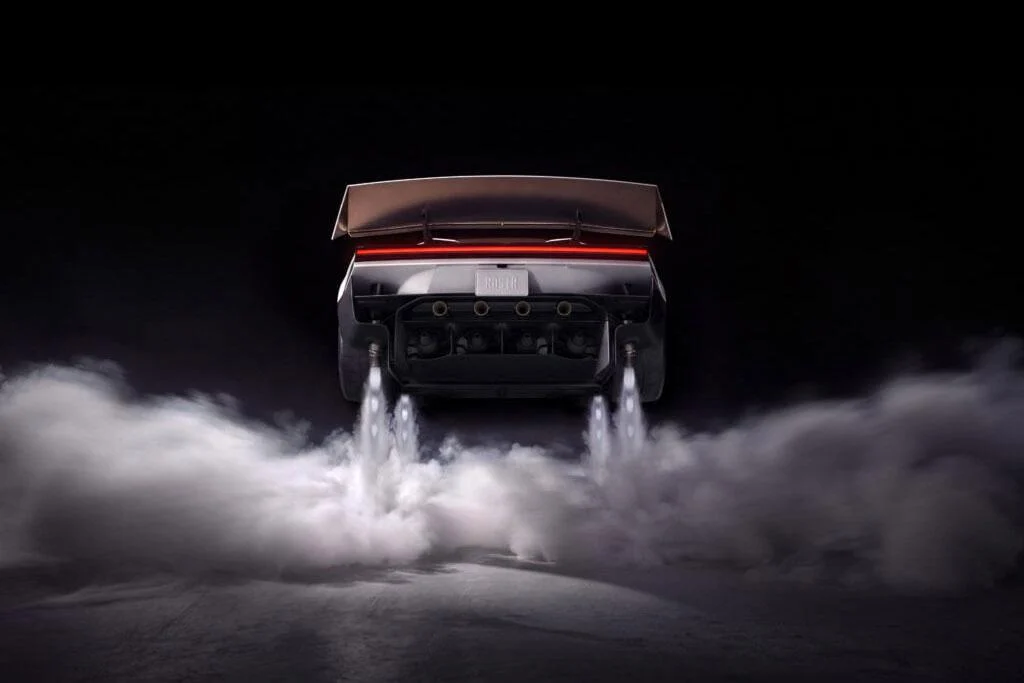
October 16, 2026 — Nearly a decade after its initial, jaw-dropping unveiling, Tesla’s next-generation Roadster has once again captured the global automotive zeitgeist with a presentation that felt more akin to a Hollywood science-fiction blockbuster than a traditional vehicle debut. Featuring aerial stunts powered by aerospace thrusters developed in collaboration with SpaceX and a mind-bending 0 to 60 mph acceleration claim of just 0.81 seconds, the new Roadster pushes the boundaries of imagination.
Yet, beneath the smoke, laser lights, and defiance of gravity, a nagging reality persists: the production-ready car is still nowhere to be found. As Tesla eyes a tentative 2028 manufacturing launch, industry analysts and enthusiasts alike are left asking a critical question: In its relentless pursuit of breaking the laws of physics, has Tesla lost sight of what makes a true sports car?
Main Facts: Defying Physics with SpaceX Technology
The centerpiece of Tesla’s latest reveal was a demonstration so audacious it immediately went viral across global digital platforms. Rather than merely driving onto a stage, the Roadster prototype navigated a curved ramp, inverted itself mid-air, detached from the mechanical structure to complete a full aerial rotation, and landed smoothly back on four wheels. The performance continued with a dramatic leap over a line of parked Tesla vehicles before coming to a controlled halt.
The technical specifications cited during the presentation are equally staggering. Tesla announced a 0 to 60 mph (approx. 97 km/h) time of 0.81 seconds—a metric that, if verified by independent testing, would obliterate every production hypercar currently on the market.
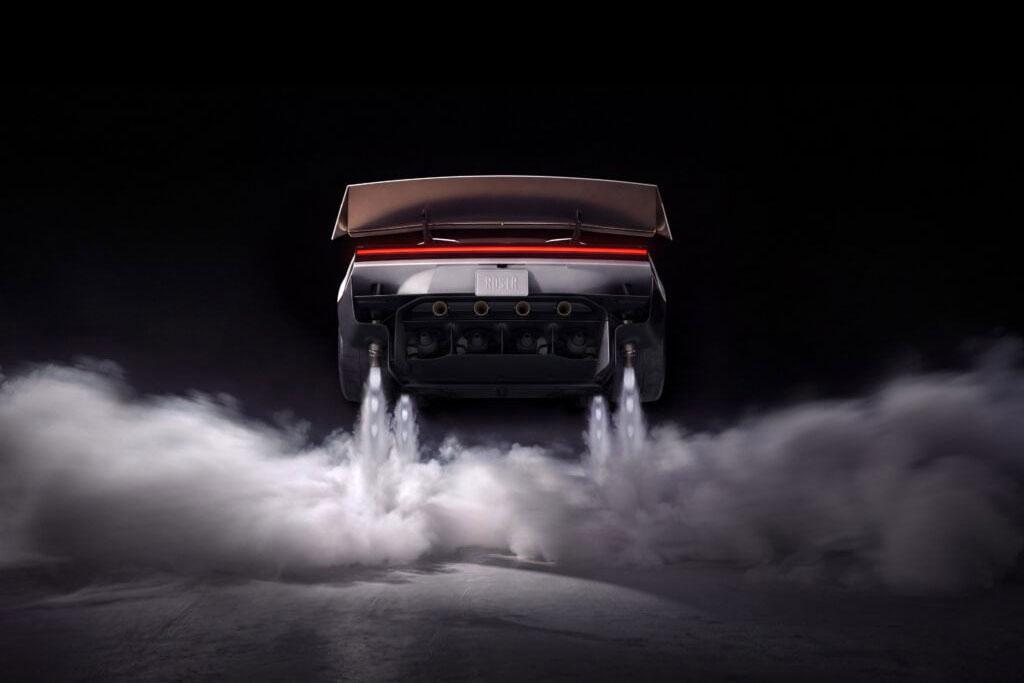
To achieve these impossible feats, Tesla leaned heavily on its corporate sibling, SpaceX. The vehicle incorporates a "SpaceX package" featuring ten cold-gas thrusters powered by high-pressure air stored in dual 600-liter tanks. Additionally, integrated high-powered fans beneath the chassis can generate up to 2Gs of downforce while stationary, effectively allowing the vehicle to cling to specialized surfaces.
Unlike traditional rocket propulsion systems, these cold-gas thrusters utilize compressed air to produce immediate thrust. Applying aerospace maneuvering technology to a passenger-derived vehicle is entirely unprecedented, offering a spectacle of engineering prowess that demands attention, even if its practical application on public roads remains deeply controversial.
Chronology: Nearly a Decade of Anticipation and Delay
To understand the skepticism surrounding the new Roadster, one must look back at its protracted timeline:
- November 2017: Elon Musk unexpectedly pulls the wraps off the second-generation Tesla Roadster at the end of a Semi truck event. Promises include a 1.9-second 0–60 mph time, a 250+ mph top speed, a 620-mile range, and a 2020 production date. Base prices are set at $200,000, with a $50,000 reservation fee required upfront. Founders Series slots command the full $250,000 immediately.
- 2020–2021: The initial launch window passes quietly. Musk cites supply chain hurdles, the global pandemic, and shifting engineering priorities—specifically the development of the Cybertruck and volume-scaling for the Model Y—as reasons for the delay.
- 2023–2024: Updates become sporadic. Musk hints that the design has evolved drastically, teasing integration with SpaceX technology and claiming the vehicle will achieve unprecedented performance metrics that "will blow your mind."
- Late 2026: Tesla hosts a grand re-unveiling event featuring the SpaceX thruster demonstration, aerial stunts, and the revised 0.81-second acceleration figure. A new production target is established for 2028.
This nearly eleven-year gap between concept and expected delivery underscores a troubling trend in Tesla’s roadmap: grand technological promises paired with perpetual delivery delays.
Supporting Data: Performance Metrics and the Sports Car Identity
While the raw numbers command headlines, the physical architecture of the new Roadster sparks fierce debate among automotive purists.
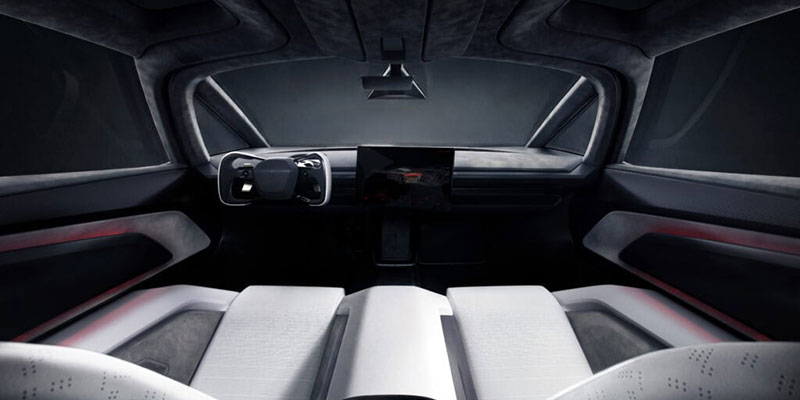
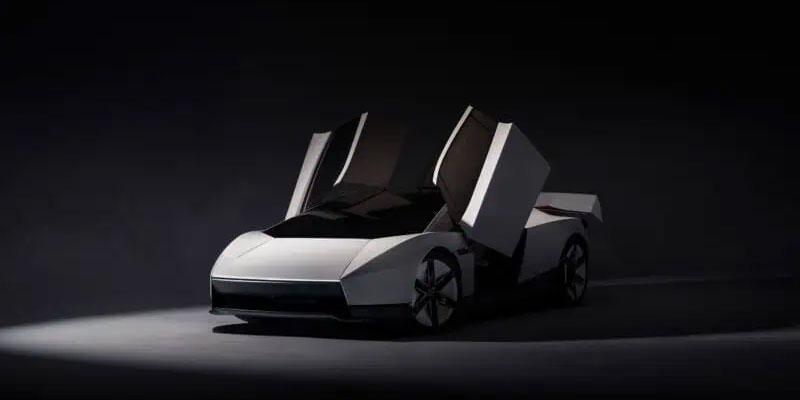
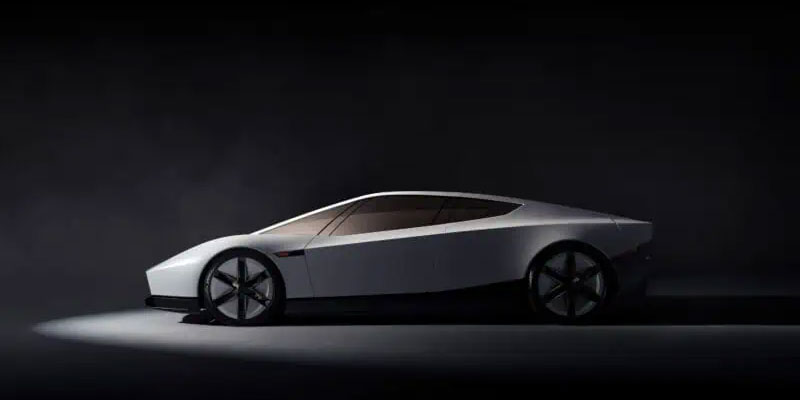
By definition, a "roadster" has historically been a two-seat, open-top sports car designed to offer an unfiltered, wind-in-the-hair driving experience. However, the 2026 prototype reveals a sharply raked, fixed-roof coupe. Its angular, aggressive lines and monolithic volumes draw far more aesthetic inspiration from the stainless-steel Cybertruck than the smooth, flowing curves of the 2017 concept or the original 2008 Roadster (which was built upon a Lotus Elise chassis).
Furthermore, Tesla has remained tight-lipped regarding foundational performance data:
- Powertrain Output: Exact horsepower and torque figures for the electric motors remain undisclosed.
- Battery Capacity & Range: While the 2017 concept promised a 200 kWh battery pack yielding 620 miles of range, updated metrics for the heavier, thruster-equipped architecture have not been confirmed.
- Curb Weight: The addition of 600-liter high-pressure air tanks, cold-gas thrusters, heavy-duty fans, and reinforced chassis components inevitably impacts weight—a critical enemy of agile handling.
- Chassis Dynamics: Tesla highlights advanced steer-by-wire, brake-by-wire, and an active rear wing that adapts aerodynamic downforce in real-time. Yet, traditional metrics concerning cornering G-forces, braking distances, and chassis feedback are entirely absent.
Tesla has hinted at a tiered configuration model, including "Performance" and "Thrust" variants, alongside a limited-run "Rocket" edition reserved for select clientele. Despite these tiers, concrete pricing schedules and finalized global specifications are missing.
Official Responses and Industry Context
Tesla executives have positioned the new Roadster as the ultimate technological flagship for the brand, intended to demonstrate the absolute zenith of electric vehicle engineering. Musk has repeatedly emphasized that the vehicle is designed to provide an experience that bridges the gap between terrestrial driving and aerospace physics.
However, the wider automotive industry has reacted with a mixture of awe and cautious skepticism. Competitors have not stood still during Tesla’s decade-long development cycle. Hypercars like the fully electric Rimac Nevera have proven that battery-electric vehicles can achieve earth-shattering performance—holding numerous world speed records—without needing compressed-air rocket thrusters to lift off the ground.
Independent engineers and safety regulators have also raised valid concerns regarding homologation. Equipping a street-legal vehicle with thrusters capable of launching a car into the air introduces staggering liability, safety, and regulatory roadblocks. To date, Tesla has offered no clear roadmap on how regulatory bodies in the United States, Europe, or Asia will license a consumer vehicle equipped with aerospace propulsion systems for public roads.

Implications: Vitrine Technologique or Real Sports Car?
The 2026 re-introduction of the Tesla Roadster was undoubtedly a masterclass in marketing and public relations. It successfully shifted the news cycle, dominated social media, and reminded the world of Tesla’s engineering audacity.
Yet, a sports car cannot be judged solely by its acceleration figures or its ability to perform acrobatic stunts on a specialized stage. The original Tesla Roadster played a monumental role in the early 2000s by proving to a skeptical public that electric cars could be fast, desirable, and fun. Its modern successor faces an exponentially higher bar: it must transition from a stunt-performing concept into a cohesive, balanced, and rewarding machine on real-world asphalt.
There remains a vast chasm between launching a specialized prototype across a controlled environment and delivering a reliable, street-legal sports car to thousands of patient reservation holders who have locked away their capital for over ten years.

With production now pushed toward 2028, the stakes could not be higher. Tesla has built a reputation on disrupting industries and achieving the seemingly impossible. But after nearly a decade of waiting, the ultimate performance metric for the Roadster will no longer be how fast it can defy gravity, but whether Tesla can finally deliver on its word.
