

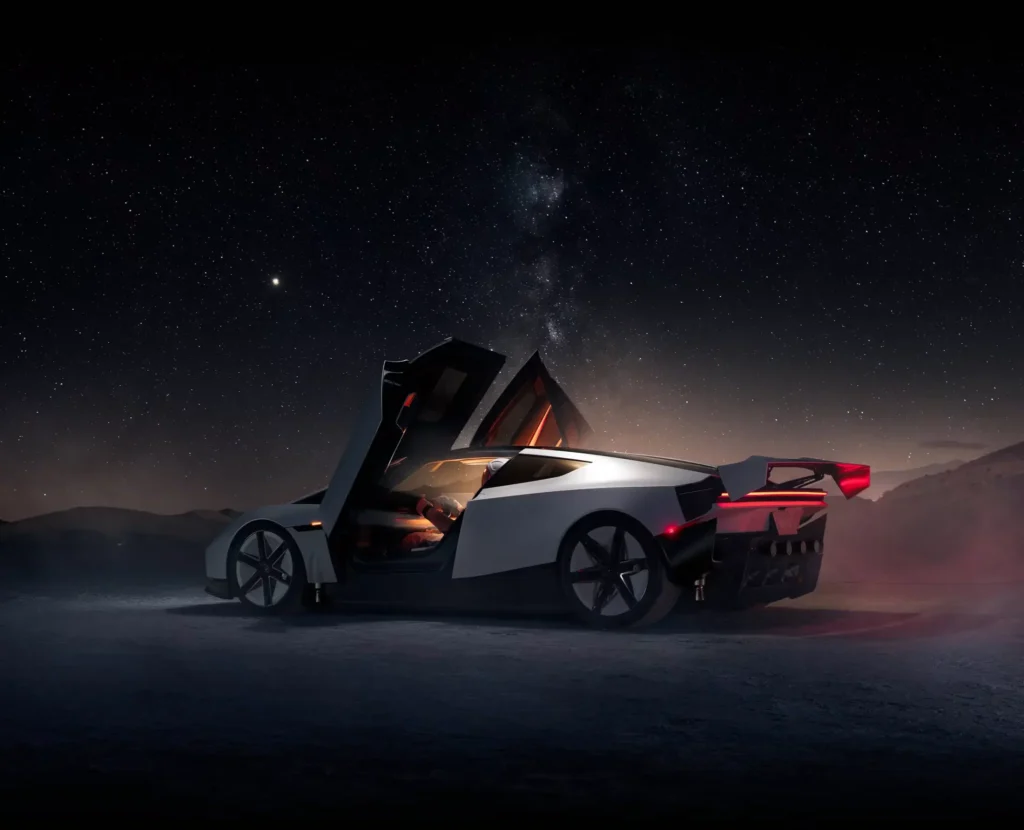
The automotive world is no stranger to the grandiose promises of Elon Musk, but few projects have occupied the collective imagination—and sparked as much skepticism—as the second-generation Tesla Roadster. Initially unveiled with great fanfare nearly a decade ago, the Roadster has become the industry’s ultimate "Arlésienne," a mythical vehicle that is always just around the corner. However, in a recent, high-octane presentation held at a SpaceX testing facility, Tesla finally pulled the curtain back on a production-ready iteration. This is not merely a sports car; it is a declaration of intent, blurring the lines between automotive engineering and aerospace technology.
Main Facts: A Paradigm Shift in Design and Capability
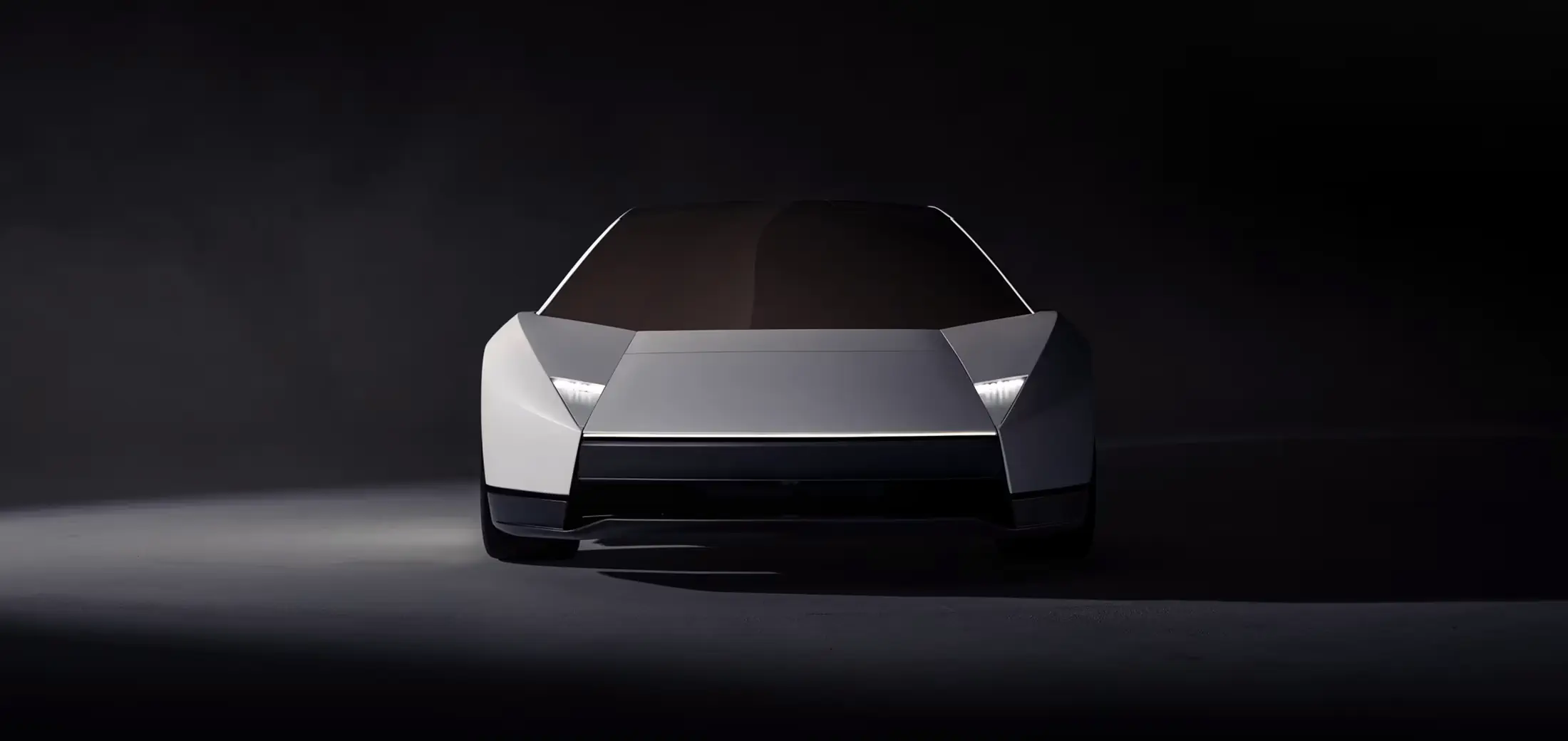
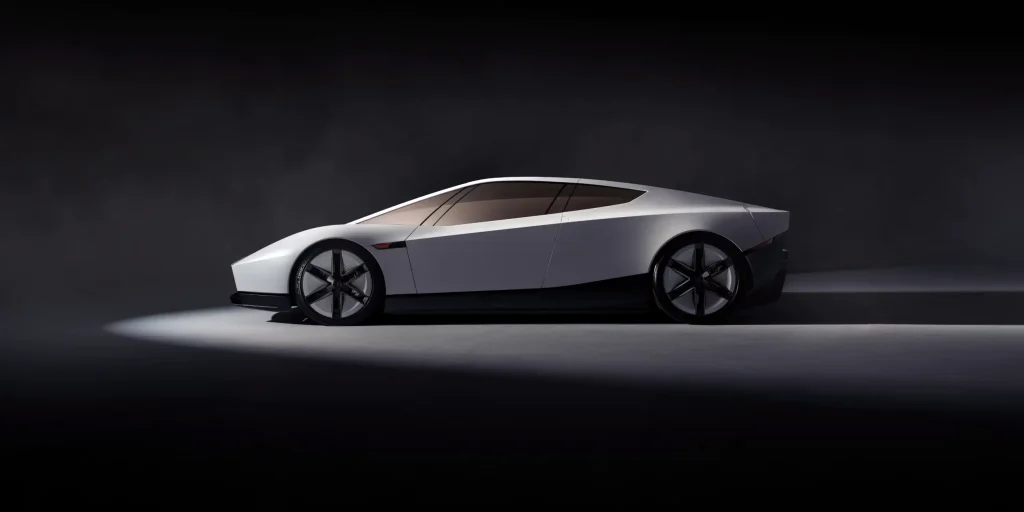
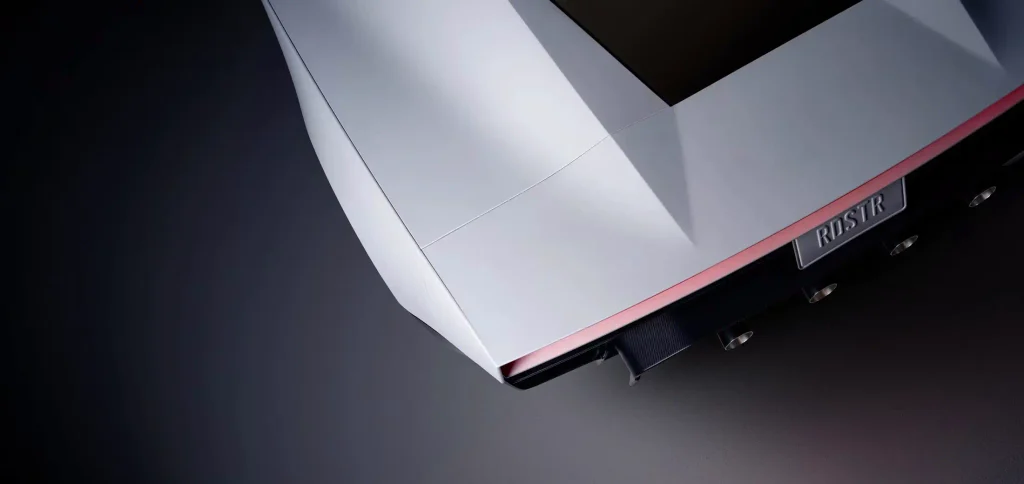
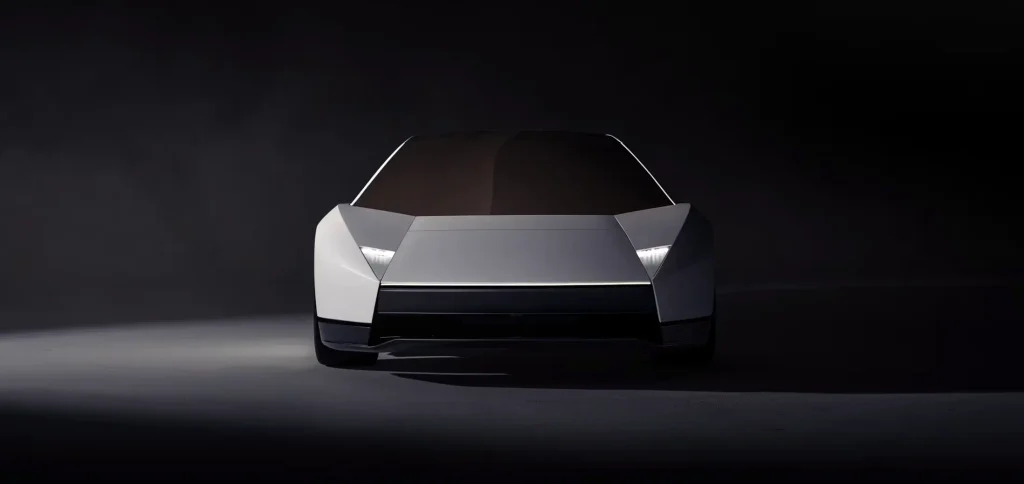
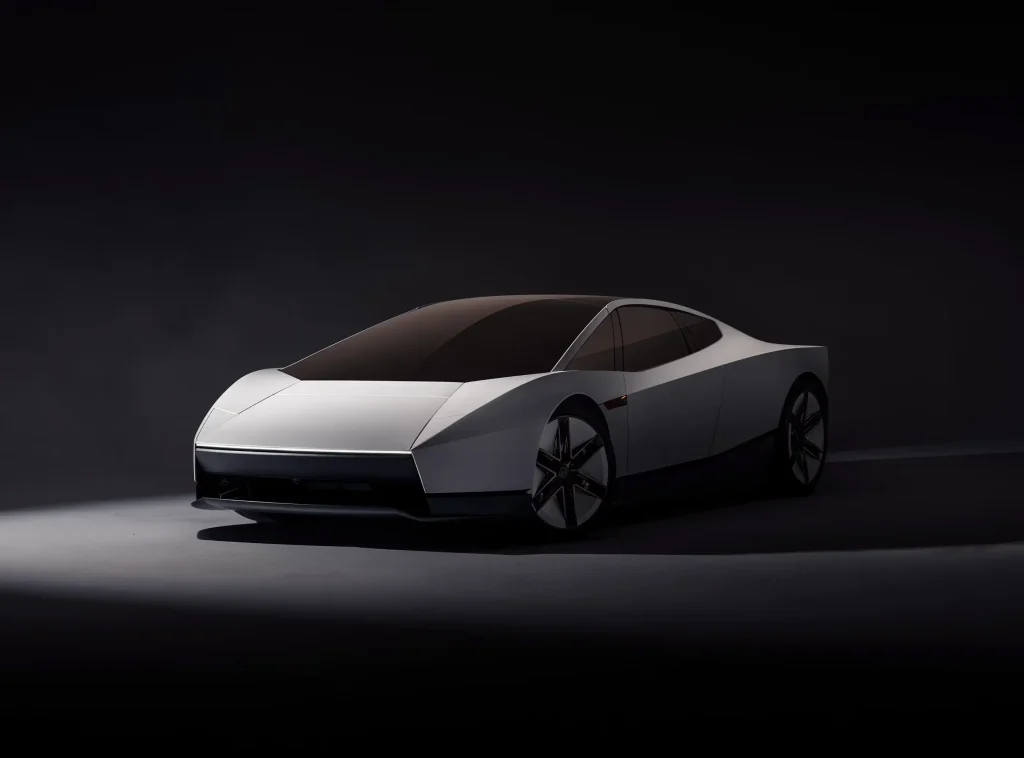
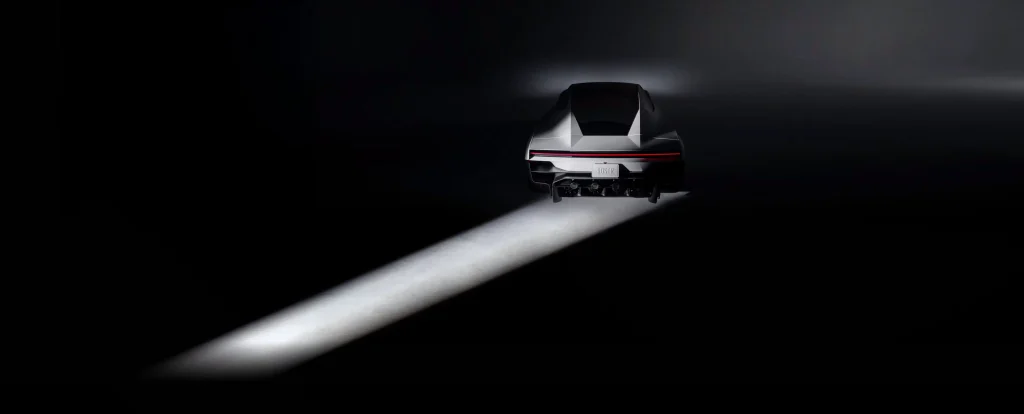
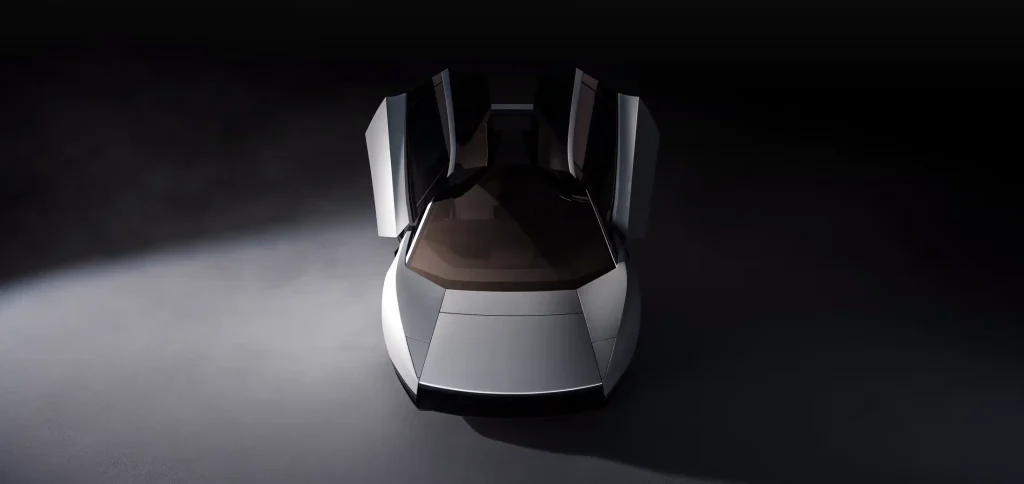
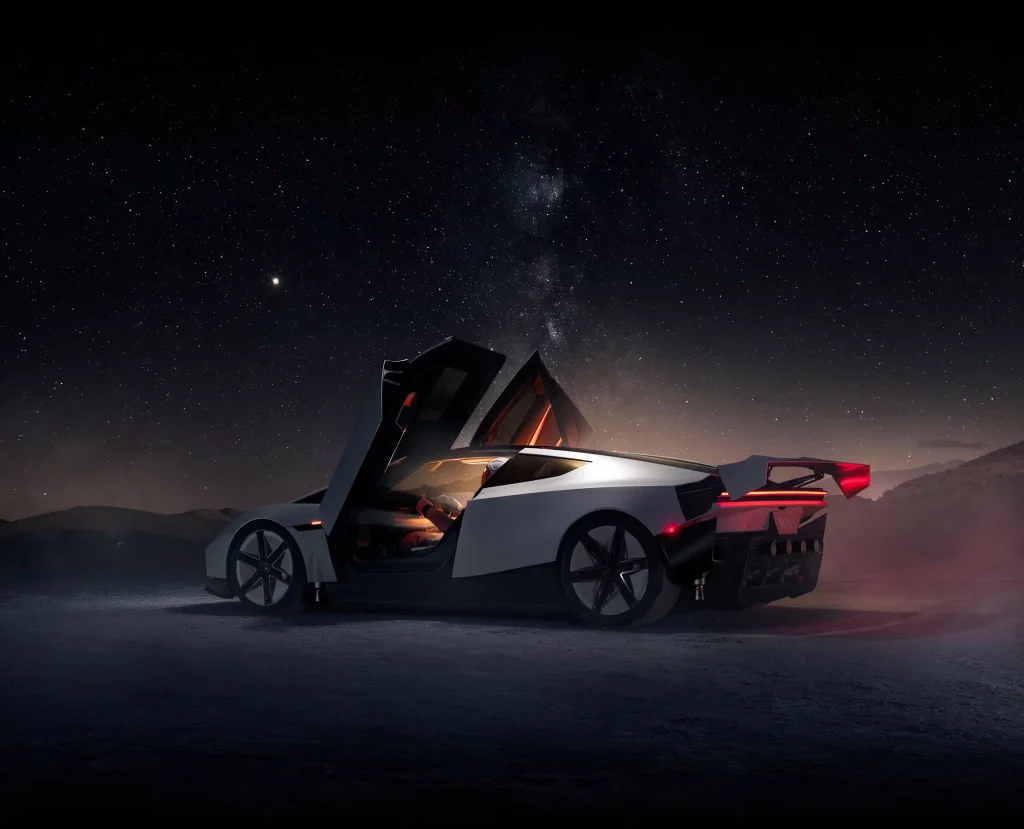
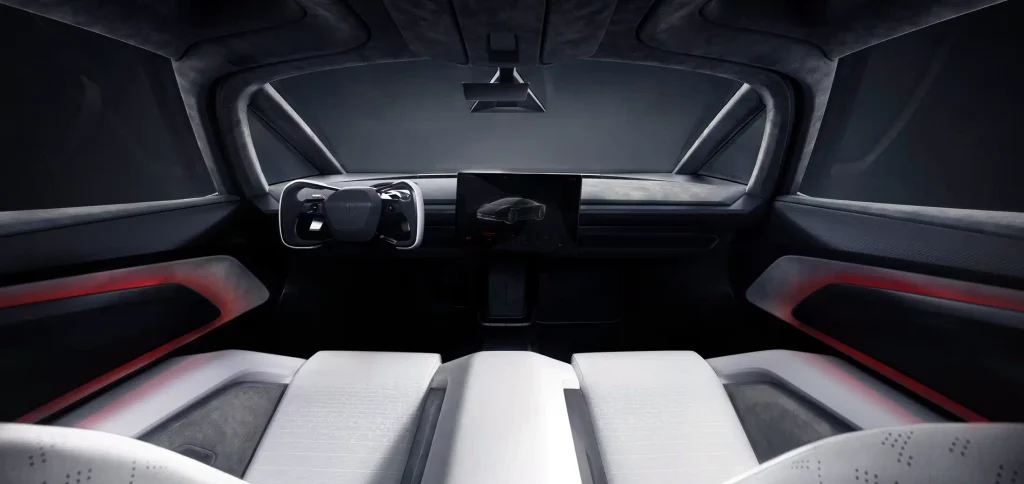
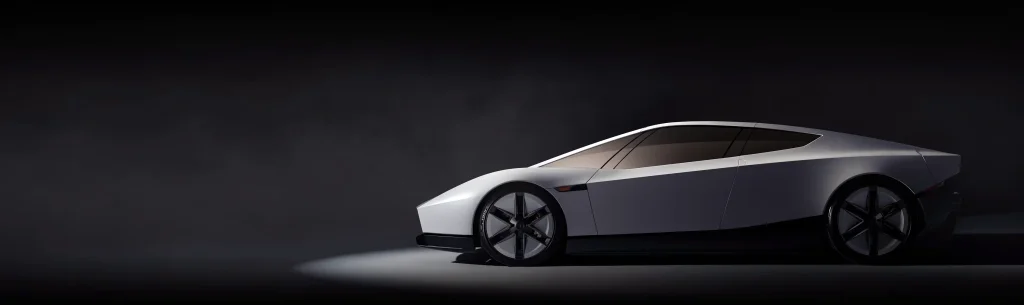
The new Tesla Roadster breaks significantly from the design language that has defined the brand since the launch of the Model S. Where previous Teslas were criticized for their homogenized, rounded aesthetics, this new model is unapologetically aggressive, angular, and sculptural. Observers have drawn immediate parallels to the Lamborghini Murciélago, citing the sharp lines, low-slung silhouette, and the dramatic "pop-down" LED headlamp configuration housed within triangular body elements.
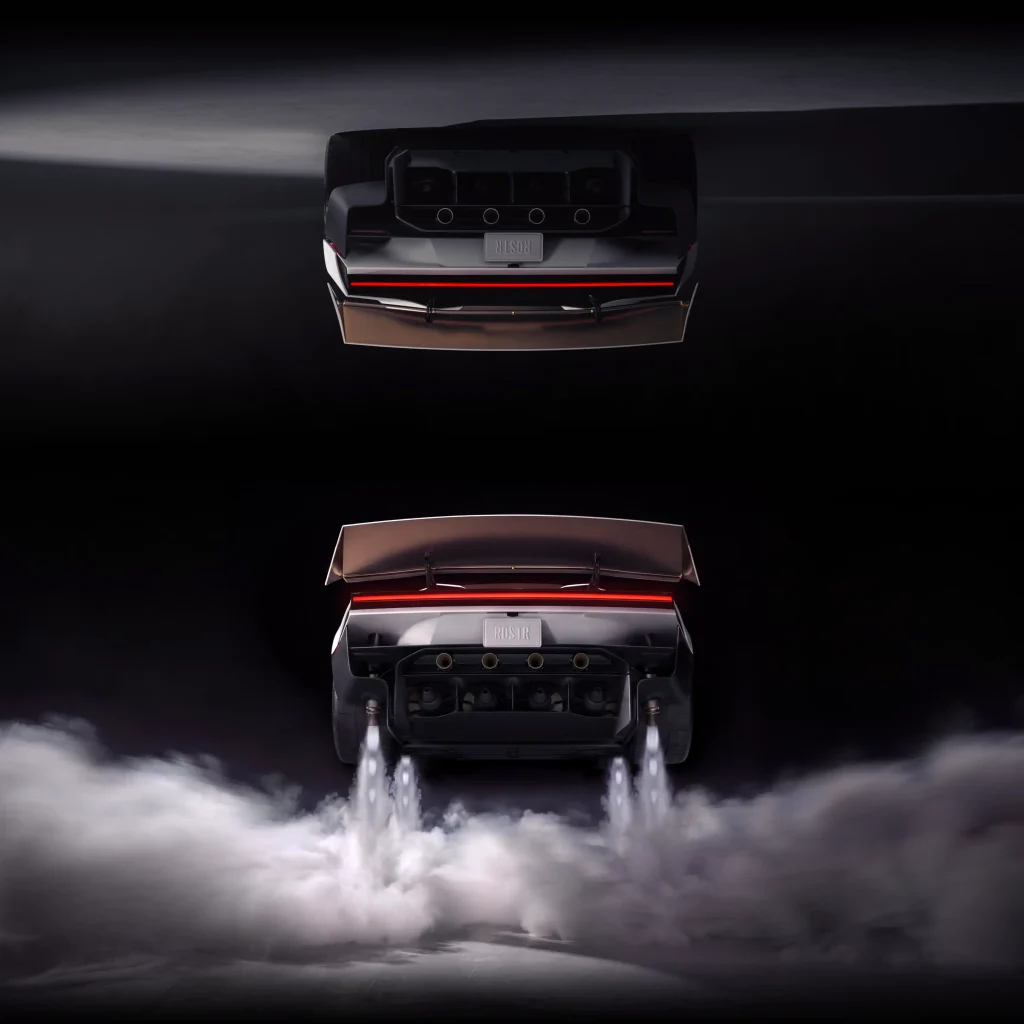
Beyond the sheet metal, the Roadster introduces a radical approach to performance through three distinct configurations: Performance, Thrust, and Rocket. Each tier elevates the vehicle from a conventional sports car to an experimental machine. The Performance model focuses on active aerodynamics, while the Thrust and Rocket versions integrate cold-gas thrusters—a technology directly inherited from SpaceX—to push the boundaries of terrestrial acceleration and handling.
A Chronology of the Roadster’s Evolution
The path to this moment has been long and fraught with delays:
- 2017: The prototype is first revealed. Musk makes bold claims of 0–100 km/h times and a range exceeding 1,000 km, setting the stage for what was expected to be a 2020 arrival.
- 2019–2023: The "Year of Silence." The Roadster is pushed back repeatedly as Tesla prioritizes the Model 3, Model Y, and the development of the Cybertruck and the Semi. Enthusiasts begin to label the project "vaporware."
- 2024–2025: Rumors of SpaceX-integrated "thruster packages" circulate, with Musk doubling down on the claim that the car would be capable of "short hops" or even limited flight.
- 2026 (The Present): The official unveiling of the production-spec model. Tesla announces that production is scheduled to begin in 2028, effectively restarting the clock for a project that has already spanned a decade.
Supporting Data: Engineering the Impossible
To achieve the performance metrics Tesla claims, the company has had to move beyond standard automotive physics. The Roadster utilizes a "ground-effect" suction system, a concept pioneered in Formula 1 and recently popularized in the hypercar segment by the McMurtry Spéirling. By using motorized fans and active seals to vacuum the air beneath the chassis, the Roadster can generate massive downforce even while stationary.
The Thruster Architecture
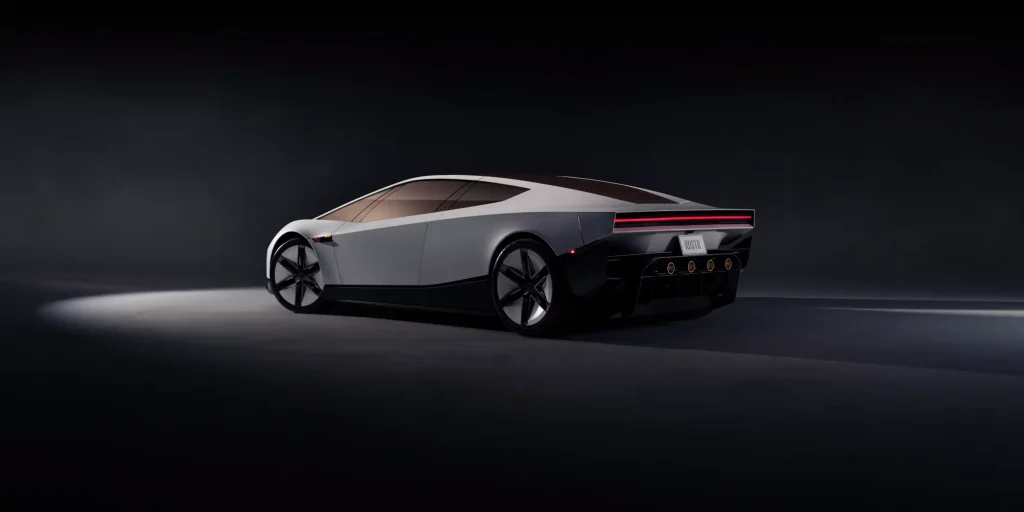
The "Thrust" and "Rocket" editions represent the most controversial aspects of the vehicle. These models employ cold-gas thrusters—the same type used to maneuver spacecraft—to provide instantaneous bursts of force. In the "Thrust" configuration, these are located at the rear, primarily to assist in acceleration, allowing for a 0–100 km/h time of under one second. The "Rocket" edition, available only by invitation, places these thrusters around the entire vehicle, enabling lateral rotation and upward force.
Lightweight Materials
The reliance on heavy battery packs poses a significant challenge for a car aiming to be a performance titan. To compensate, Tesla has moved toward extreme material science:
- Chassis: Extensive use of titanium and aerospace-grade carbon fiber.
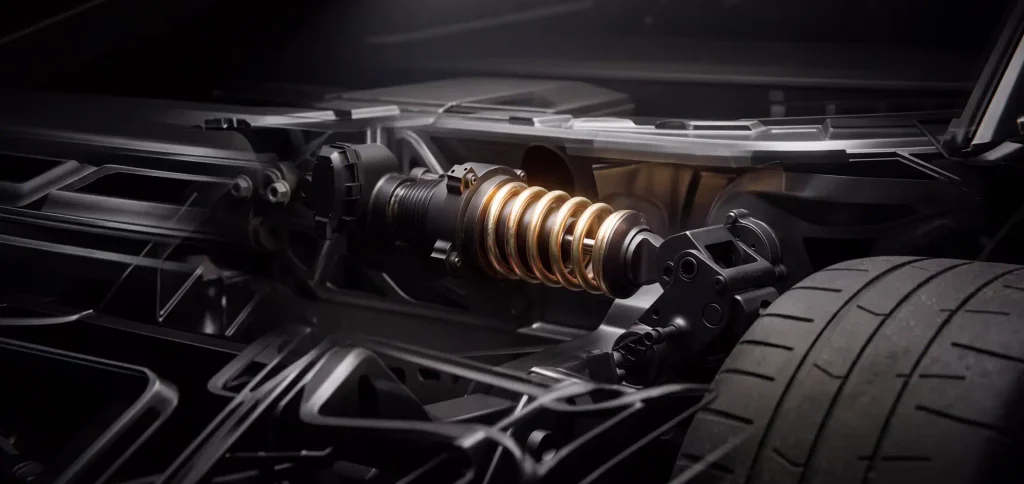
- Components: Magnesium alloy structural elements to minimize unsprung weight.
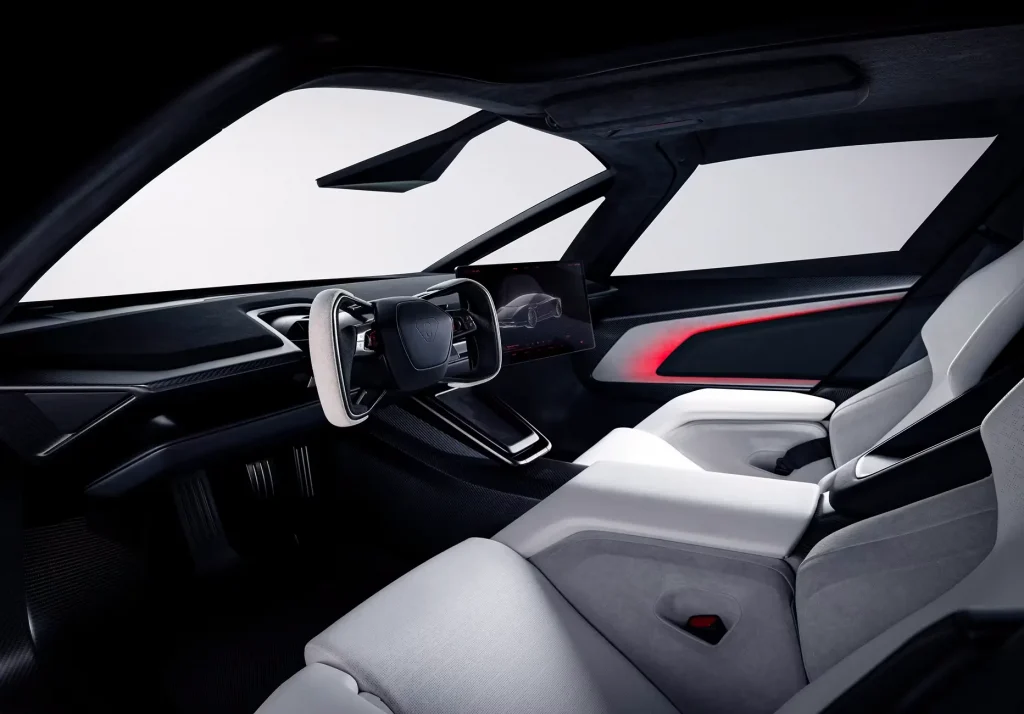
- Control Systems: A "drive-by-wire" setup removes mechanical linkages, further reducing weight and allowing for software-defined handling characteristics.
Official Responses and Regulatory Hurdles
Tesla’s presentation was characteristically bold, but the company has been careful to manage expectations regarding the "Rocket" version. During the briefing, representatives clarified that the Rocket package is not currently approved for public roads.
"The availability of these technologies is strictly subject to the legal requirements and regulatory frameworks of each region," a Tesla spokesperson stated. This is a crucial distinction. While the Performance model is a road-legal supercar, the higher-tier variants exist in a legal gray area. Tesla is essentially marketing a consumer-grade vehicle that possesses military-grade maneuverability, a prospect that has already drawn scrutiny from safety regulators in North America and Europe.
Implications for the Industry
The Roadster is more than a car; it is a branding masterstroke designed to re-establish Tesla as the undisputed leader in performance and innovation.
The "Halo" Effect
By pushing the boundaries of what is possible, Tesla creates a "halo" effect. Even if few people buy the $200,000+ Rocket edition, the prestige of its existence elevates the brand’s reputation for engineering prowess. It serves as a defiant response to legacy automakers who have spent the last five years closing the gap in electric vehicle performance.
A New Standard for Performance
If Tesla delivers on the promise of a sub-one-second 0–100 km/h time, it will render current hypercars obsolete overnight. The move toward active aerodynamics and "suction" tech validates the work of boutique manufacturers like McMurtry and Rimac, signaling that the future of speed lies in managing air pressure rather than simply adding more horsepower.
The Risk of Broken Promises
The primary risk remains the timeline. By announcing a 2028 production target, Tesla is once again asking its most loyal customers to wait—potentially for another two years beyond that. For the "quintuagenarian" car enthusiast who put down a deposit in 2017, the excitement is increasingly tempered by the reality of the wait. If the company fails to meet this new deadline, it risks alienating its most dedicated fan base.
Conclusion: A Visionary’s Playground
Ultimately, the Tesla Roadster is a testament to the "Muskian" philosophy: sell the dream today, build the reality tomorrow. It is an exercise in performance-as-theater. Whether or not it will ever truly "fly" or simply be the fastest car to ever grace a drag strip, it succeeds in one undeniable metric: it has captured the attention of the world.
The Roadster serves as a reminder that the automotive industry is shifting from a sector defined by mechanical refinement to one defined by software, aerospace materials, and the sheer audacity of its leaders. Whether this ends in a triumph of engineering or another chapter in the story of promises unfulfilled, the Tesla Roadster remains the most discussed, most anticipated, and most polarizing vehicle of the decade. For now, we wait—some with bated breath, others with a healthy dose of skepticism—to see if the rocket-powered future ever hits the pavement.
