

By Automotive Journalism Desk
Published: October 2024
Main Facts
The automotive world has watched with bated breath as Stellantis—the sprawling multinational automotive conglomerate housing 14 distinct brands—executes its aggressive "Fastlane" strategic plan. With a laser-like focus on its core, high-volume profit centers, rumors have naturally swirled regarding the fate of the group’s most vulnerable marques. Among them, Maserati, the storied Italian maker of luxury and high-performance vehicles adorned with the iconic Trident badge, has appeared increasingly isolated.
Its noticeable absence from the Paris Motor Show floor—even as its parent company arrived in full force with an array of concept cars and new launches—only fueled speculation that Stellantis was content to let the Modenese manufacturer wither on the vine.
However, top-level corporate reassurance has arrived to quiet the storm. In a definitive statement to Bloomberg, Antonio Filosa put an end to months of relentless rumors regarding a potential sell-off or liquidation of the brand. When asked directly whether Stellantis intends to part ways with Maserati, Filosa’s response was unequivocal: "Not at all."
This crucial confirmation signals that while Maserati is undeniably navigating a treacherous transitional phase, it remains an integral part of the Stellantis portfolio. To reverse its current fortunes, the marque is gearing up for a vital strategic reset. In December, Maserati is scheduled to unveil a comprehensive, detailed roadmap for its future, offering the public its first tangible look at incoming vehicle models, cutting-edge technologies, and a much-needed product offensive designed to restore the brand to its former glory.
Chronology
To understand how Maserati arrived at this pivotal crossroads, it is necessary to examine the timeline of its recent struggles, product updates, and corporate maneuvers under the Stellantis umbrella:
- Early 2024: Maserati introduces minor updates across its lineup, but the cadence of new vehicle launches slows noticeably. The market begins to question the brand’s long-term viability within the newly formed Stellantis group.
- Spring 2024: Modest styling and technological refreshes are applied to the Grecale SUV as well as the GranTurismo and GranCabrio grand tourers. Meanwhile, production of the legacy Ghibli and Quattroporte sedans comes to an end, leaving the brand temporarily devoid of a four-door passenger car in its catalog.
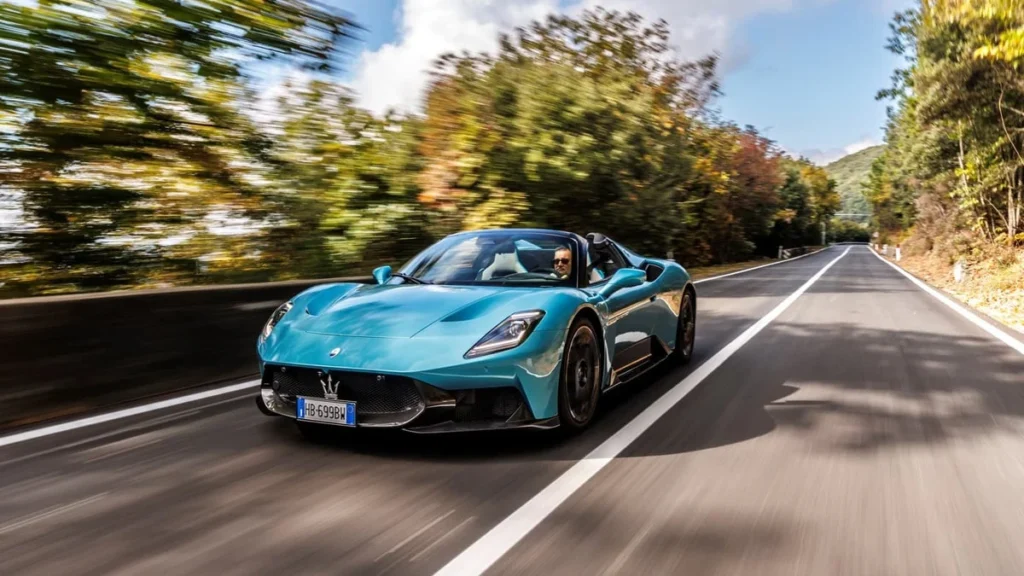
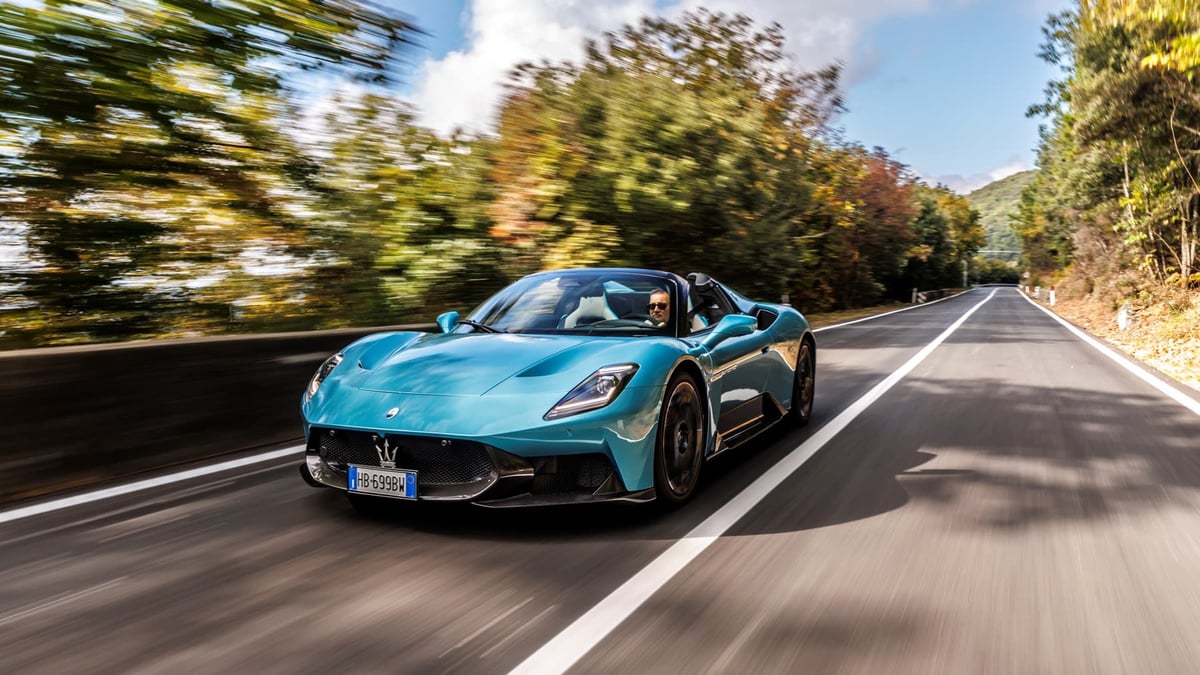
- Late 2024: The MC20 supercar receives minor modifications and is rebranded as the MCPura to maintain visual and marketing freshness.
- Throughout 2025: Sales figures register a steep decline. Global deliveries drop to fewer than 8,000 units for the full year—a dramatic 31% decrease compared to 2024.
- October 2025 (Paris Motor Show): Stellantis mounts a massive corporate presence, showcasing multiple concept cars across its priority brands. Notably absent, however, is Maserati, underscoring the brand’s current lack of fresh hardware to display on the international stage. Amid growing market anxiety, Antonio Filosa explicitly refutes rumors of a brand divestment.
- December 2025 (Projected): Maserati leadership, including Santo Ficili, is set to formally present the brand’s new strategic blueprint to the public. This presentation is expected to feature a brand-new concept car previewing the successor to the Levante SUV, alongside definitive plans for the revival of the iconic Quattroporte nameplate.
Supporting Data
The urgency behind Maserati’s upcoming strategic pivot is laid bare by sobering financial and commercial metrics. In the cutthroat luxury and sports car segments, where customer expectations are shifting rapidly and margins are razor-thin, standing still equates to moving backward.
- Global Sales Volume: Maserati recorded fewer than 8,000 vehicle deliveries worldwide over the course of 2025.
- Year-over-Year Decline: The 2025 volume represents a 31% contraction compared to the figures posted in 2024.
- Portfolio Gaps: Following the phase-out of the Ghibli and the sixth-generation Quattroporte, Maserati’s active catalogue is currently limited to the Grecale (SUV), the GranTurismo/GranCabrio (grand tourers), and the MCPura (sports car/supercar). The complete absence of a sedan leaves a massive hole in a segment historically vital to the marque’s identity.
- Corporate Scale: Maserati is just one of 14 brands under the multi-billion-dollar Stellantis corporate umbrella, forcing it to compete internally for capital allocation, research and development funding, and marketing mindshare against volume-heavy siblings like Peugeot, Citroën, Fiat, and Jeep.
Official Responses
The future of Maserati cannot be separated from the overarching management philosophy of Stellantis. Leadership has been forced to walk a fine line between rationalizing its massive brand portfolio and preserving the heritage of historic nameplates.
Antonio Filosa on Brand Independence
Addressing rumors of a sell-off in his interview with Bloomberg, Antonio Filosa was direct. Rejecting the notion that Stellantis would discard the Trident, Filosa acknowledged the brand’s current operational hurdles while doubling down on its long-term potential. Crucially, Filosa admitted that "Maserati has a need for new products, for new technologies," openly recognizing that the brand’s current hardware cycle has run out of momentum.
Santo Ficili and the Product Pipeline
Echoing Filosa’s sentiments, executive leadership—including Santo Ficili—has confirmed that the corporate parent is actively funneling resources into Maserati’s engineering and design pipelines. Rather than letting the brand atrophy, Stellantis has greenlit a product renewal strategy that will break cover this coming December.
This upcoming roadmap will center on two major pillars:
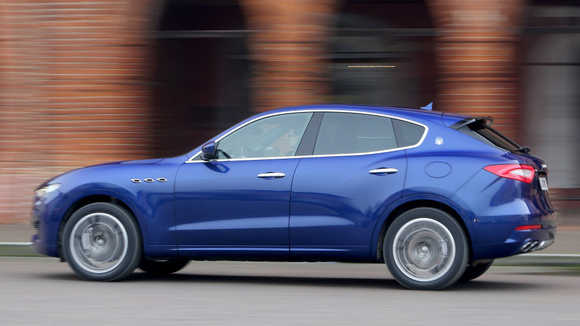
- The Levante Successor: The brand’s pioneering SUV, which originally put much-needed volume on dealership floors when it launched years ago, will be officially replaced. A preview concept car is scheduled to debut in December, signaling the design and propulsion direction for the next-generation crossover.
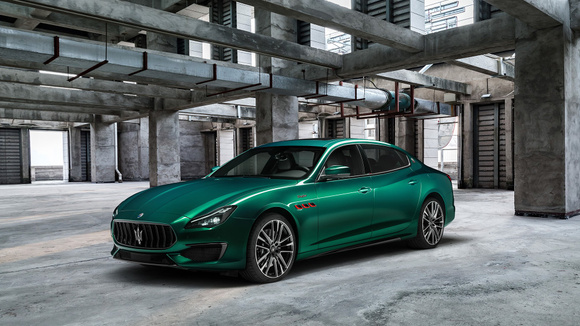
- The Return of the Quattroporte: Recognizing the cultural damage done by abandoning the sedan market, management has committed to resurrecting the Quattroporte. Across six generations spanning more than six decades, the Quattroporte served as the undisputed flagship of the brand, standing toe-to-toe with elite German and British executive expressways.
Implications
The decision by Stellantis to salvage and reinvest in Maserati carries profound implications for the Italian luxury sector, the broader automotive landscape, and the identity of the Trident brand itself.
The Challenge of Electrification and Luxury
Maserati faces a uniquely difficult market environment. The luxury and super-sports car segments are notoriously slow to embrace full electrification, as traditional buyers remain deeply attached to the visceral acoustics and mechanical theatre of internal combustion engines. Maserati’s ambitious pivot toward EV technology has encountered customer resistance, complicating its transition.
Furthermore, the retirement of Maserati’s famous, melodious V8 engine marks the end of an era. As future models adopt highly electrified or fully battery-electric architectures, the engineering team faces the monumental challenge of infusing these modern platforms with the emotional soul, aural drama, and dynamic flair that has defined Italian automotive artistry for over a century.
Navigating the Stellantis Portfolio Strategy
Under the "Fastlane" directive, Stellantis has had to make hard choices, systematically prioritizing brands that offer high-volume profitability or undeniable market stability. DS Automobiles and Lancia have already seen their operational autonomies reined in as the parent company streamlines costs.

For Maserati, avoiding the chopping block is only the first step. The brand must prove that it can operate as a lean, technologically advanced luxury player without diluting its heritage. Reports of exploring unconventional partnerships—including potential strategic alignments targeted at the crucial Chinese market—indicate that management is willing to look outside traditional European paradigms to secure the brand’s survival.
What Lies Ahead
The unveiling of Maserati’s detailed master plan in December will be a watershed moment. If the upcoming concept cars and product timelines successfully marry cutting-edge electric architectures with quintessential Italian design, Maserati may yet pull off a remarkable renaissance.
However, if the strategy fails to capture the imagination of high-net-worth buyers, even the steadfast financial backing of a titan like Stellantis may not be enough to shield the Trident from a permanent eclipse. For now, the message from the top is one of cautious hope: Maserati is bruised, sales are contracting, and the road ahead is fraught with complexity, but the legendary Italian marque is staying in the race.
