By David Lefevre | Automotive Technology & Trends
Can a smartphone that continues to function flawlessly for everyday tasks suddenly become obsolete on your car’s dashboard overnight? For a significant number of motorists worldwide, this frustrating scenario is rapidly turning into reality. Recent reports indicate that Google is preparing a major update for Android Auto, a decision that could soon lock out millions of users whose devices rely on older operating systems.
While the system remains fully functional today for millions of vehicles, early warning notifications popping up on users’ screens suggest a shifting technical landscape. If current trends and developer footprints hold true, Google is poised to raise the minimum Android version required to bridge your mobile device with your vehicle’s infotainment system. For owners of popular, albeit aging, high-end smartphones—particularly those running Android 9 and Android 10—this impending evolution could force them to replace hardware with which they are otherwise completely satisfied.
Main Facts: The End of the Road for Android 9 and 10?
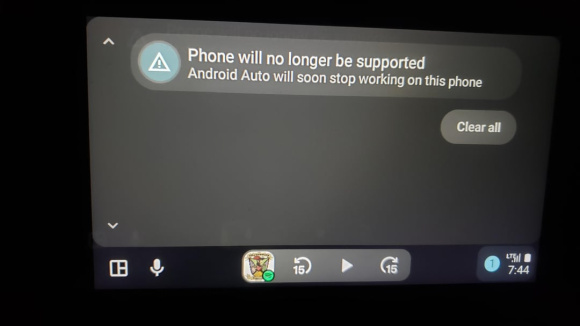
The first warning signs emerged during a weekend in early October, when bewildered drivers took to community forums like Reddit to report sudden, unexpected notifications. Upon plugging their smartphones into their vehicles via a USB cable, users were greeted with a clear, alarming prompt: Android Auto would soon no longer be compatible with their devices.
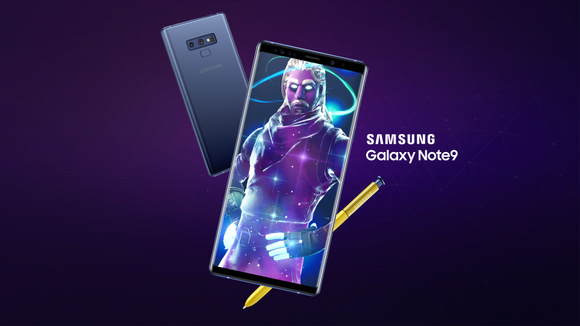
Among the affected models cited in these early reports are once-flagship devices such as the Samsung Galaxy S9, Galaxy Note 9, and the Sony Xperia XZ2 Compact. Originally launched around 2018, these smartphones share a common constraint: their final official manufacturer updates left them permanently anchored to Android 10.
To understand the scale and mechanics of this shift, one must examine how Android Auto manages device connectivity:
- Wired Connection: Traditionally, Google has required a minimum of Android 9 for a stable USB cable connection between a smartphone and a car’s dashboard.
- Wireless Connection: For drivers utilizing a wireless dongle or built-in Wi-Fi projection, the baseline has already been stricter, requiring Android 11 or newer.
However, the recent wave of warnings has specifically targeted users connecting via USB cables. Prominent specialized tech publications, including Android Authority and 9to5Google, strongly suspect that Google is moving to standardize Android 11 as the universal baseline for both wired and wireless connections. Should this hypothesis be officially confirmed, smartphones trapped on Android 9 and Android 10 will completely lose the ability to mirror their interfaces onto compatible car displays—rendering physical cables useless for projection purposes.
Chronology of Google’s System Requirements
While Google has not yet published an official announcement setting a definitive cut-off date or revising its formal minimum configuration web pages—which currently still list Android 9 for wired connections—this gradual phase-out follows a well-established corporate playbook. Google regularly updates its software requirements to leverage newer API frameworks, security protocols, and performance optimizations.
A look back at recent history highlights this evolutionary cadence:
- 2022: Google quietly initiated the groundwork for deprecating legacy Android iterations, signaling that older software branches would eventually lose support.
- July 2024: The tech giant officially established Android 9 as the new minimum requirement on paper.
- October 2025: The actual, effective enforcement arrived with Android Auto version 15.5, which officially terminated operational support for devices stuck on Android 8.
The current pattern strongly suggests that Android 9 and Android 10 are next on the chopping block, following the exact same timeline of grace periods followed by hard software deprecation.
Supporting Data: The Scale of Impact
At first glance, dropping support for operating systems released nearly half a decade ago might seem like an inevitable byproduct of fast-moving consumer tech. Yet, older software versions retain a surprisingly resilient footprint in the global marketplace.
According to official Android distribution statistics released at the beginning of December 2025:
- Android 10 still powered 7.8% of all active, globally connected Android devices.
- Android 9 accounted for an additional 4.5% of the active ecosystem.
- Combined, these two legacy operating systems represent 12.3% of the entire global Android device parc.
While global distribution percentages do not translate into an exact head-count of active drivers, the broader context is sobering. With an ecosystem spanning several billions of active devices worldwide, a 12.3% slice translates directly into millions of functional smartphones.
For the owners of these devices, the loss of Android Auto strikes at the heart of modern in-car convenience. Android Auto serves as a vital bridge, projecting safe, driver-optimized interfaces for essential navigation and entertainment applications—such as Google Maps, Waze, and Spotify—directly onto a vehicle’s central touchscreen. Losing this capability means reverting to disjointed, potentially unsafe dashboard setups.
Implications for Drivers: What Are Your Options?
If Google officially pulls the plug on Android 9 and 10, affected motorists will face distinct practical hurdles. Crucially, losing Android Auto integration does not render the smartphone itself entirely useless. Users will still be able to run their applications directly on their phone screens, provided the individual apps continue supporting those older OS versions.

However, relying on a phone propped up in a traditional dashboard vent mount—rather than interacting safely with an integrated factory touchscreen via voice controls or steering wheel buttons—is a significant step backward in terms of ergonomics and road safety. For daily commuters, professional drivers, and road-trippers who rely heavily on real-time traffic updates from Waze or seamless playlist management via Spotify, the handicap will be deeply felt.
How to Check Your Device Status
For motorists concerned about whether their hardware is at risk, taking proactive steps is essential:
- Check Your Android Version: Navigate to your smartphone’s Settings, scroll down to About Phone (or System Information), and look for the Android Version field. If your device runs Android 11 or higher, current indicators suggest you are safe from this specific wave of restrictions.
- Explore Official Updates: If your phone is stuck on Android 9 or 10, check manually for any pending manufacturer system updates. It is entirely possible that a firmware update was previously released by your device manufacturer but never automatically installed.
- Alternative Firmware (Advanced Users Only): For tech-savvy enthusiasts, installing custom ROMs (such as LineageOS) can sometimes breathe new life into older hardware by upgrading it to a modern Android version. However, this path involves complex technical manipulation, data loss risks, and potential security hurdles—making it an unviable solution for the average driver.
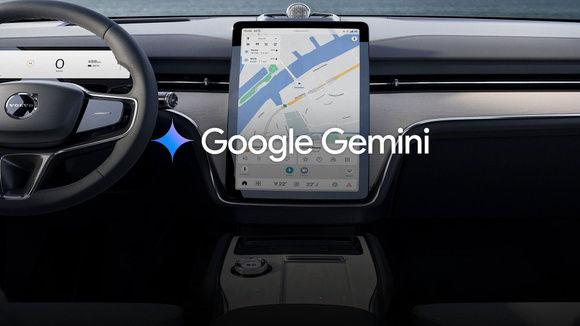
It is also vital to distinguish Android Auto from Android Automotive OS. The looming restrictions discussed here apply strictly to the projection application that streams your smartphone interface onto your car. Vehicles equipped with native, embedded Google built-in systems (such as modern Volvo or Renault models) operate independently and will remain completely unaffected by changes to smartphone OS requirements.
Official Responses and Industry Outlook
As of publication, Google has maintained a measured silence regarding a formal rollout date for the Android 11 minimum requirement. Customer support channels and online documentation continue to reflect legacy guidelines while the tech giant monitors telemetry data and user feedback from the recent wave of warning notifications.
Automotive journalists and industry analysts emphasize that while hardware longevity is a growing ecological and economic concern, software developers face constant pressure to abandon legacy codebases to maintain top-tier cybersecurity standards and seamless integration with modern car infotainment architectures.
Until Google issues an official press release or updates its developer guidelines, affected drivers can only wait, check their software versions, and weigh their options—whether that involves investing in a newer pre-owned smartphone, transitioning to manual dashboard mounts, or upgrading their mobile hardware entirely to keep their digital lives safely aligned with the open road.