

When Honda officially closed the chapter on its iconic NSX supercar, purists and automotive enthusiasts worldwide mourned the loss of one of history’s finest mid-engine handlers. However, in the industrious workshops of Milan, racing titan JAS Motorsport decided that Honda’s retirement was merely a suggestion.
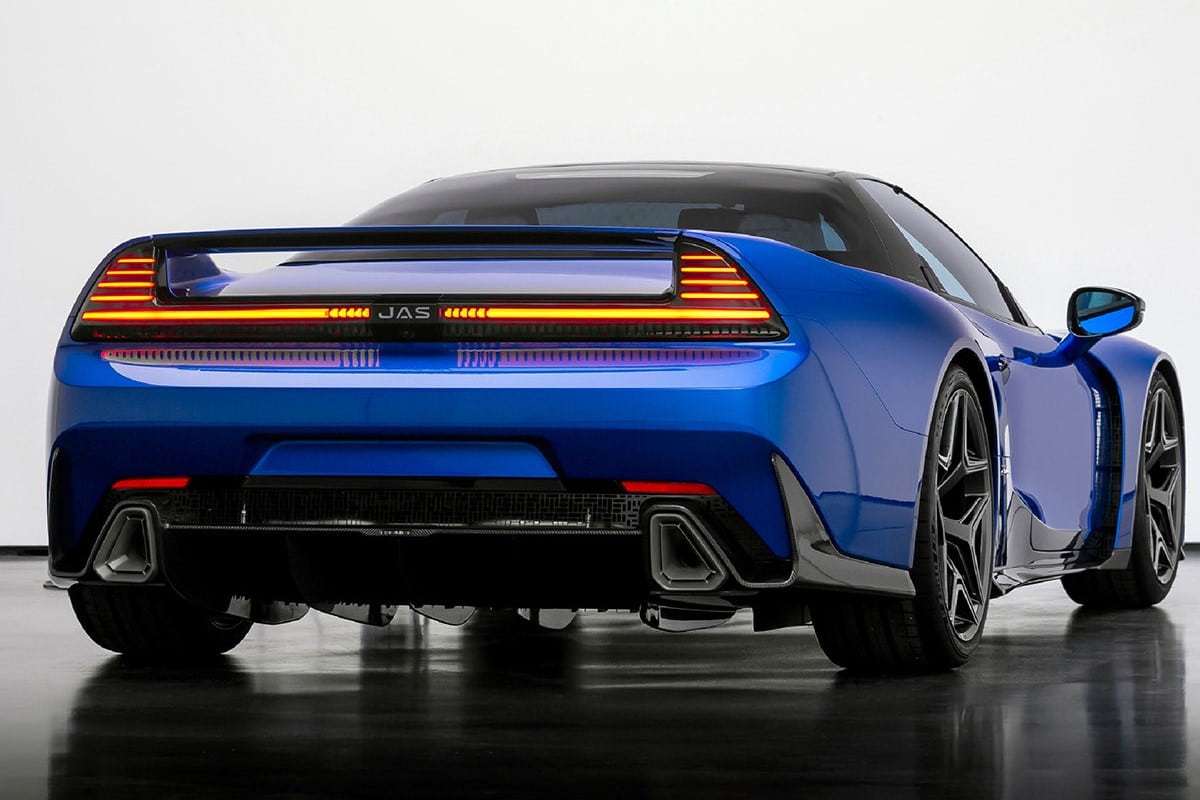
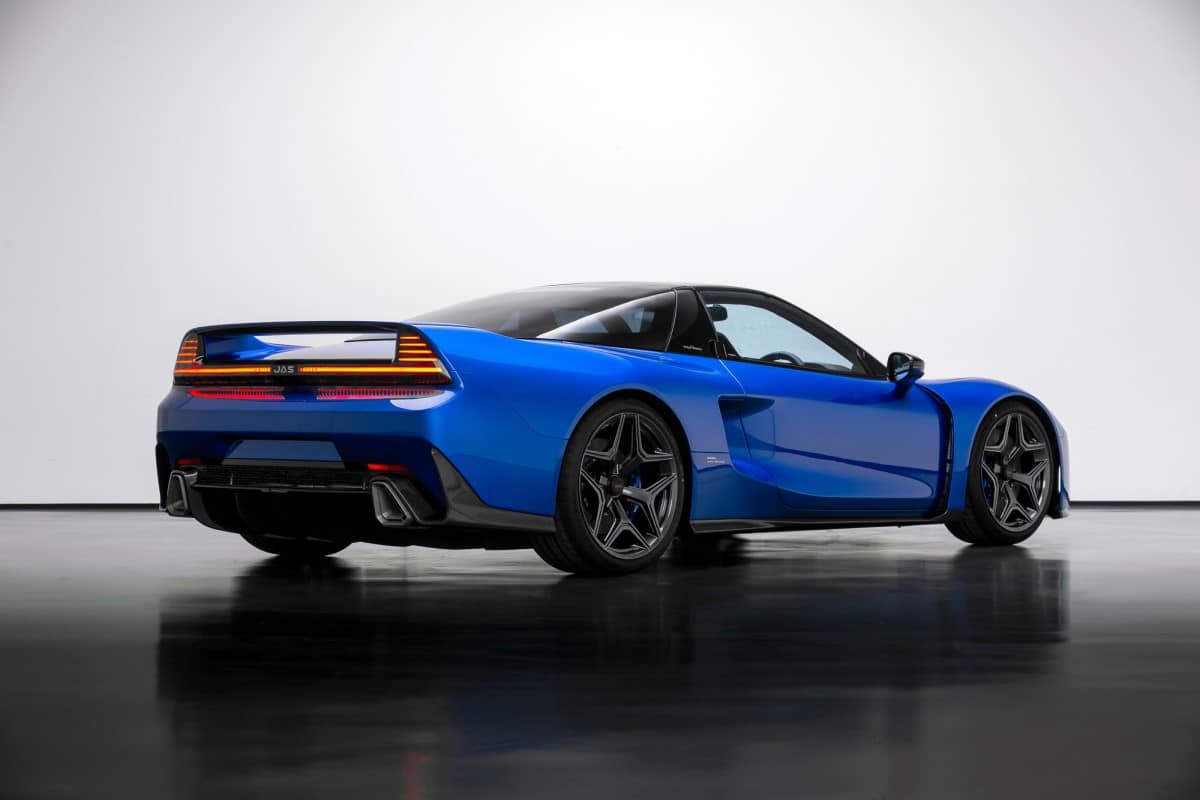
Enter the Tensei—a breathtaking, unapologetically analogue, and financially staggering resurrection of the first-generation Honda NSX. Limited to just 35 units globally, this machine is neither a standard restoration nor a conventional restomod. Instead, it represents a complete re-engineering of an automotive legend, marrying Japanese mechanical purity with timeless Italian coachbuilding.
Main Facts: Anatomy of the Tensei
At its core, the JAS Tensei is an exercise in bespoke automotive craftsmanship. Rather than building a car from scratch, the process begins with a donor first-generation Honda NSX supplied directly by the client. JAS strips the car down to its foundational aluminum chassis, reinforces it structurally, and transforms it into a modern work of rolling art.
Mechanical Purity and Judd Power Engineering
While the legendary C30A V6 engine block remains, its internal architecture has been entirely reimagined by renowned British racing motorists, Judd Power.
- Displacement: Expanded to 3.5 liters.
- Redline: A spine-tingling 8,500 rpm.
- Engine Internals: Custom-machined billet crankshaft, lightweight forged pistons and connecting rods, individual throttle bodies, and an entirely bespoke engine management system.
- Power Output: Depending on homologation specs, the naturally aspirated V6 delivers between 414 and 425 horsepower, alongside 350 Nm of torque.
- Transmission: A pure, uncompromised 6-speed manual gearbox sending power exclusively to the rear wheels, complete with a titanium shifter and a traditional three-pedal layout.
Chassis and Dynamics
Weighing in at approximately 1,250 kg dry, the Tensei benefits from significant chassis enhancements:
- Aluminum chassis reinforcement at the A- and B-pillars as well as the central tunnel.
- Fully adjustable KW dampers.
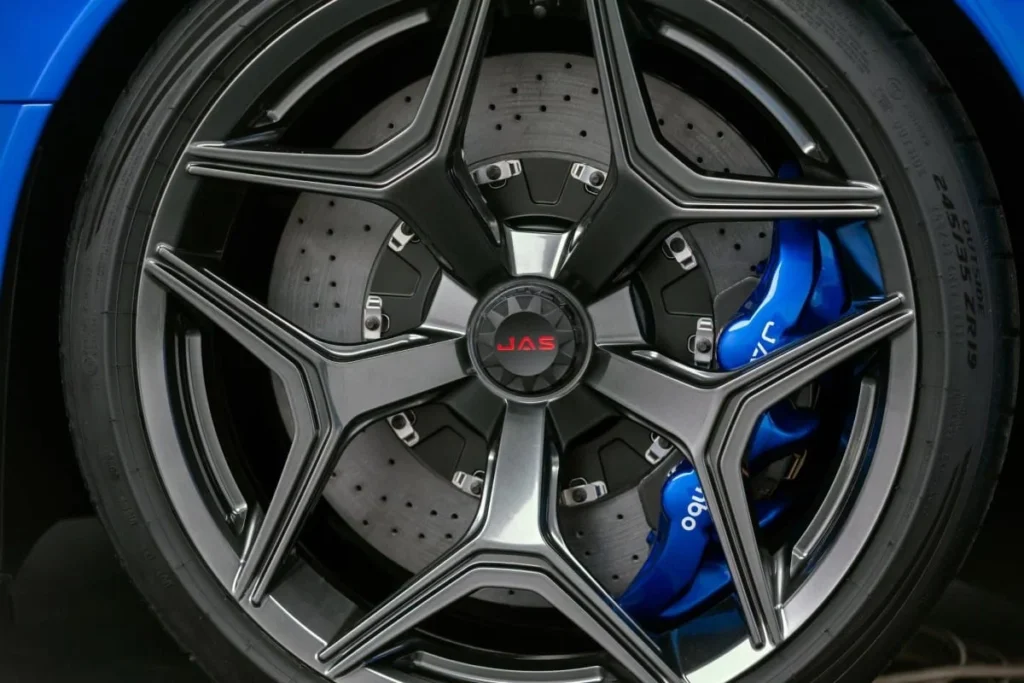
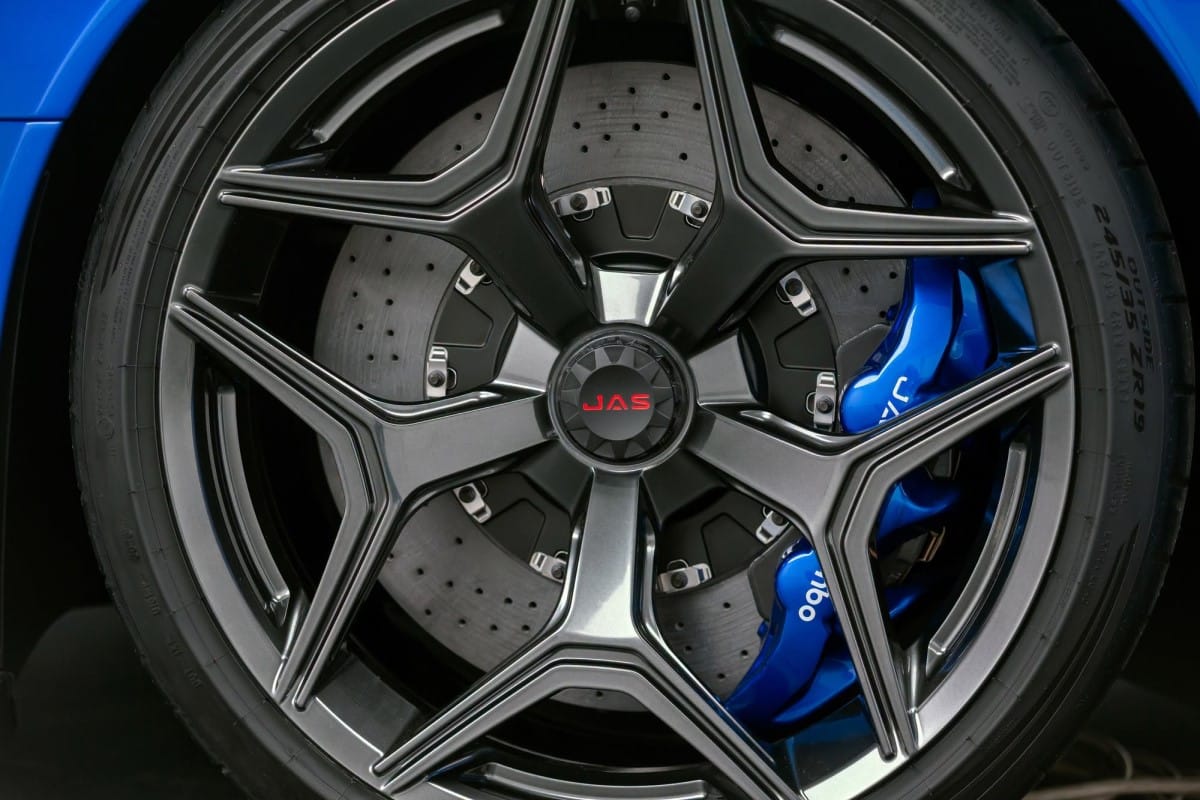
- Brembo carbon-ceramic brakes.
- An analog-tuned electronic steering system.
- A practical hydraulic front-axle lift system to save the bespoke front lip from speed bumps.
Pininfarina Styling
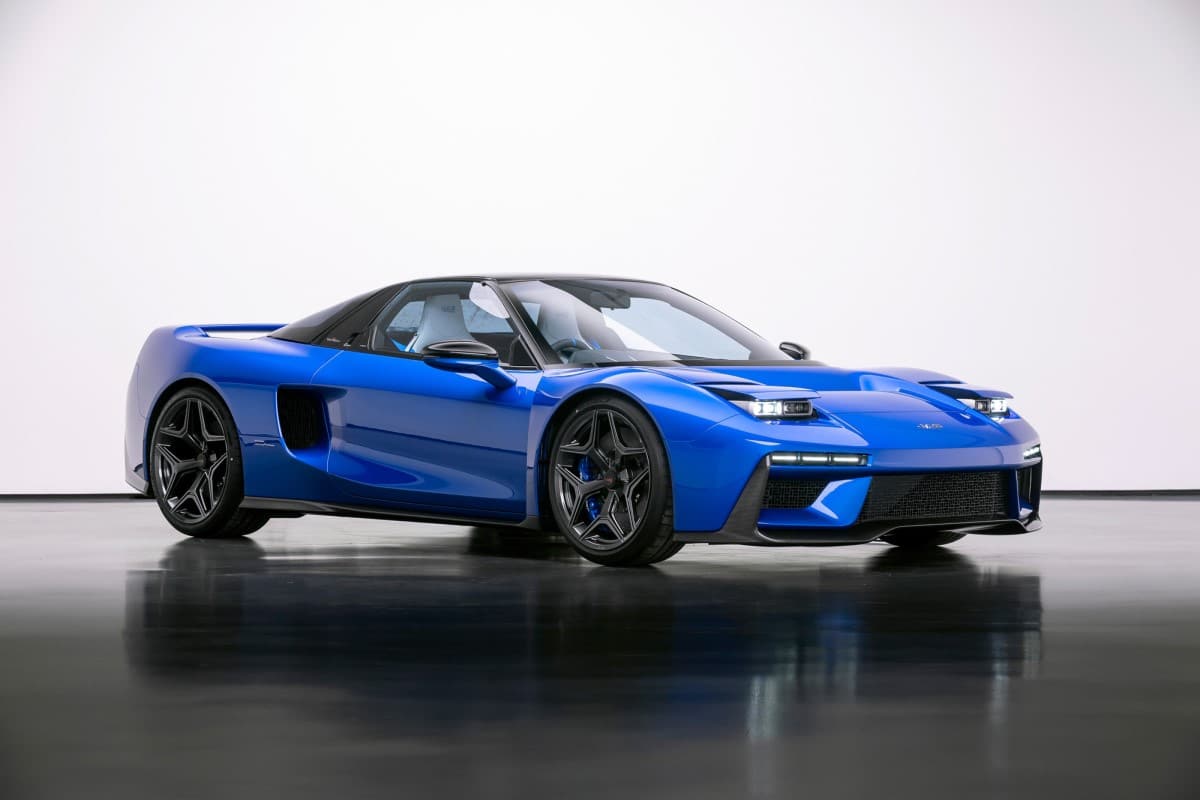
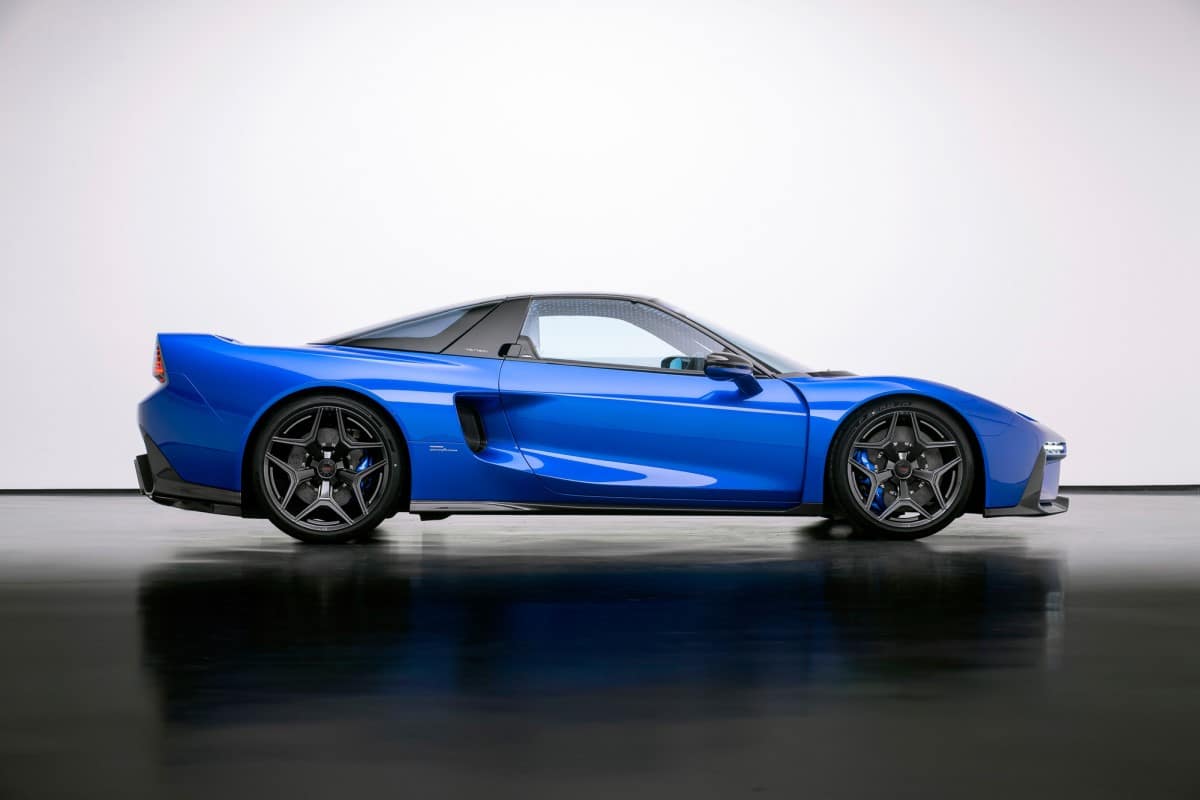
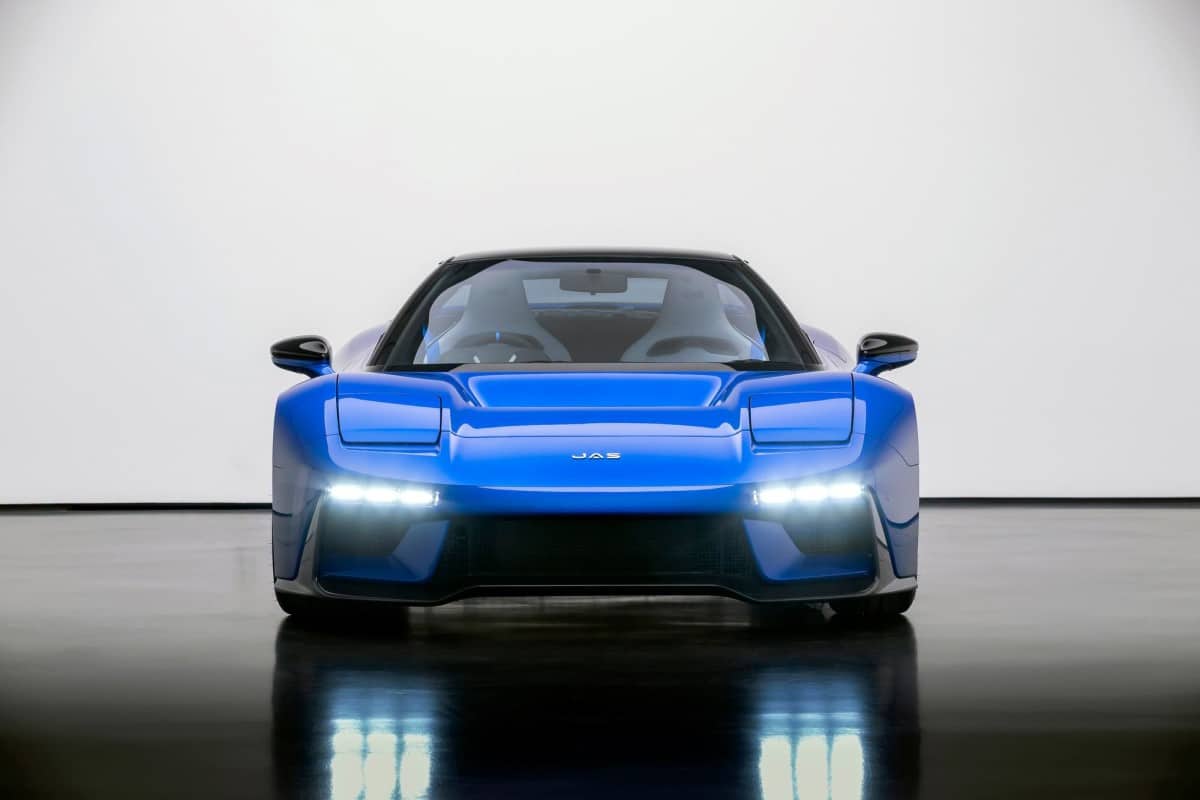
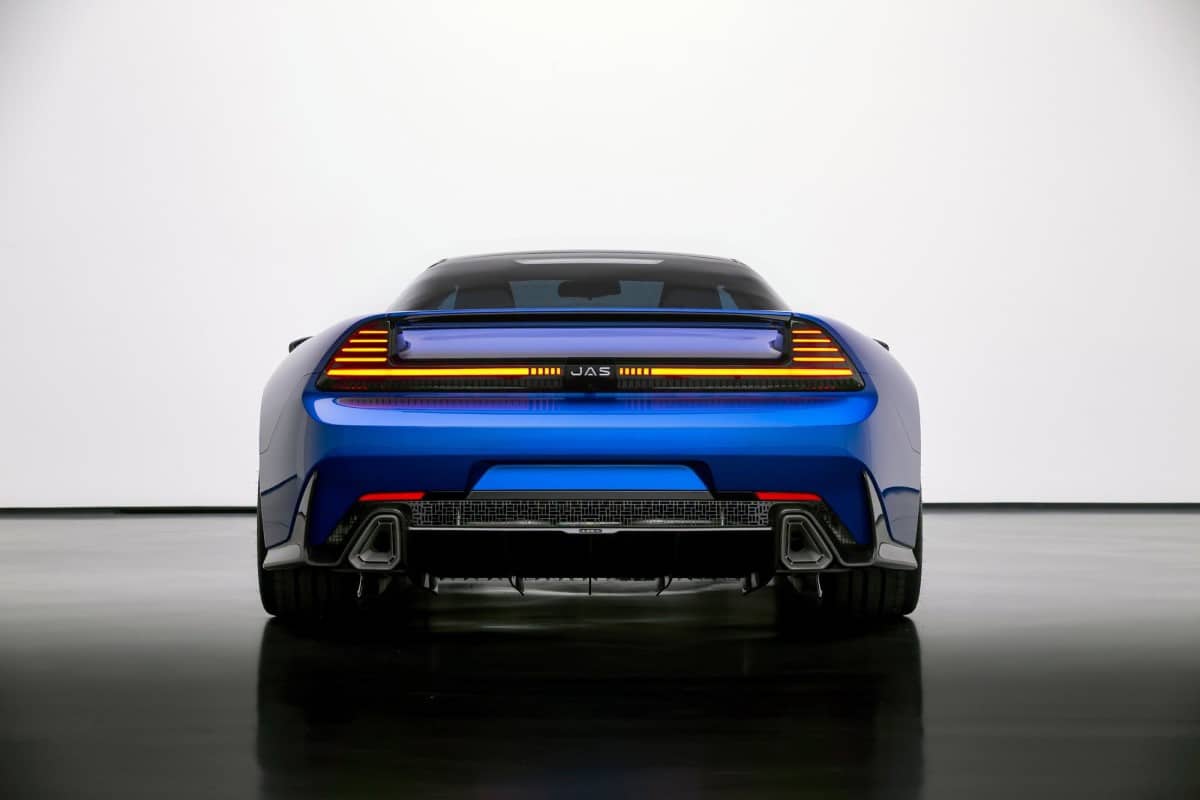
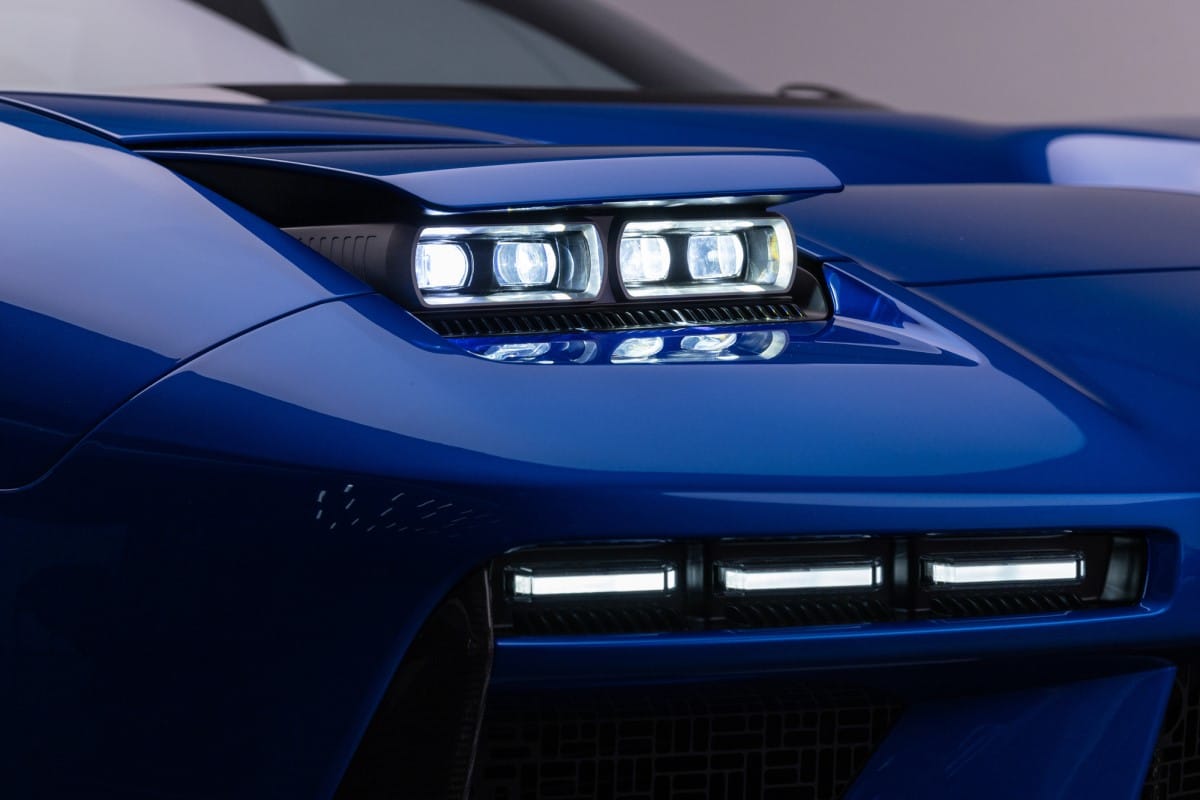
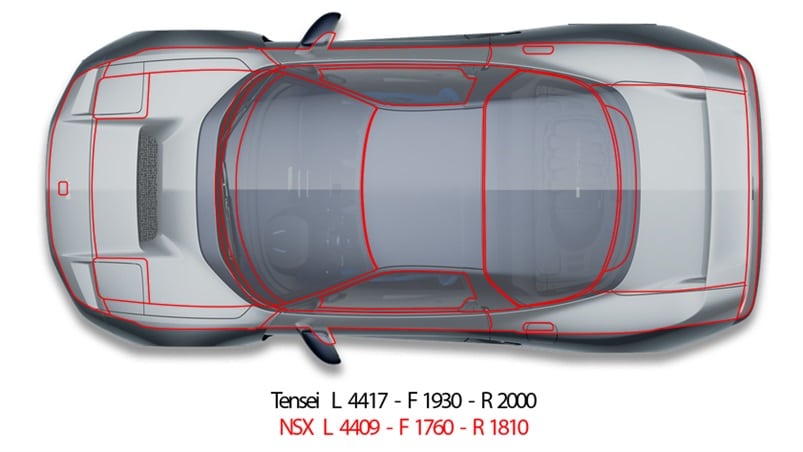
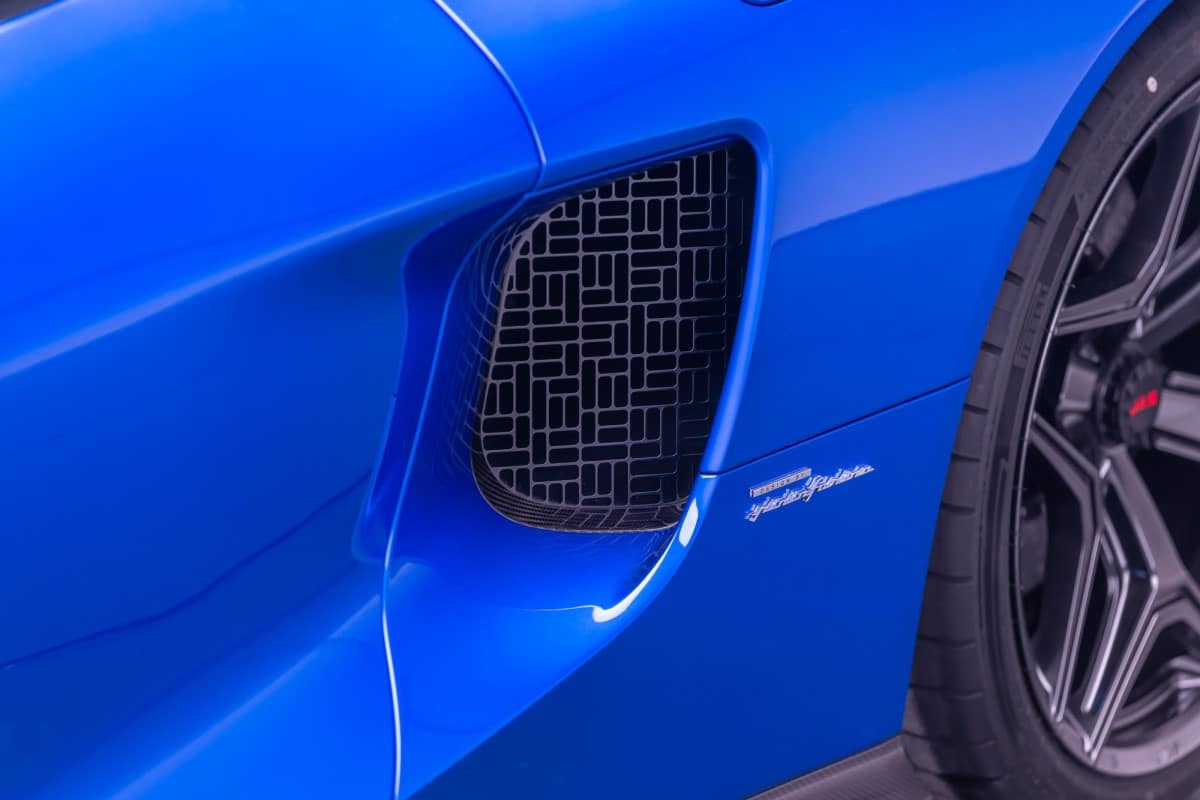
The exterior design is a masterclass executed by Pininfarina. The Italian design house actually conceptualized the original 1984 HP-X concept that previewed the NSX. Forty years later, Pininfarina has returned to widen and lengthen the proportions. The Tensei’s body is wider by 6.7 inches up front and 7.5 inches at the rear (over 20 centimeters total), giving it a muscular stance that puts even the factory Type R models to shame—all while cleverly retaining the beloved pop-up headlights.
Chronology: From Racing Tracks to Road-Going Masterpieces
To understand how the Tensei came to be, one must look at the trajectory of JAS Motorsport.
- 1995: JAS Motorsport is founded in Milan by Paolo Jasson, Maurizio Ambrogetti, and Giorgio Schon (hence the acronym J-A-S).
- 1998: JAS becomes an official technical partner for Honda, beginning a decades-long relationship deeply rooted in competitive motorsport. Over the next thirty years, cars built or prepared by JAS secure over 900 race victories, including dominant campaigns with the Civic TCR and NSX GT3 Evo 22.
- The Strategic Shift: Recognizing a changing market, JAS decided to leverage its motorsport pedigree to transition from building pure race cars to crafting ultra-exclusive road cars for collectors.
- Asia-Pacific Debut: The Tensei was revealed in strict privacy to select clientele at the Fuji Speedway, hosted by JAS’s Asian partner, SPS Global.
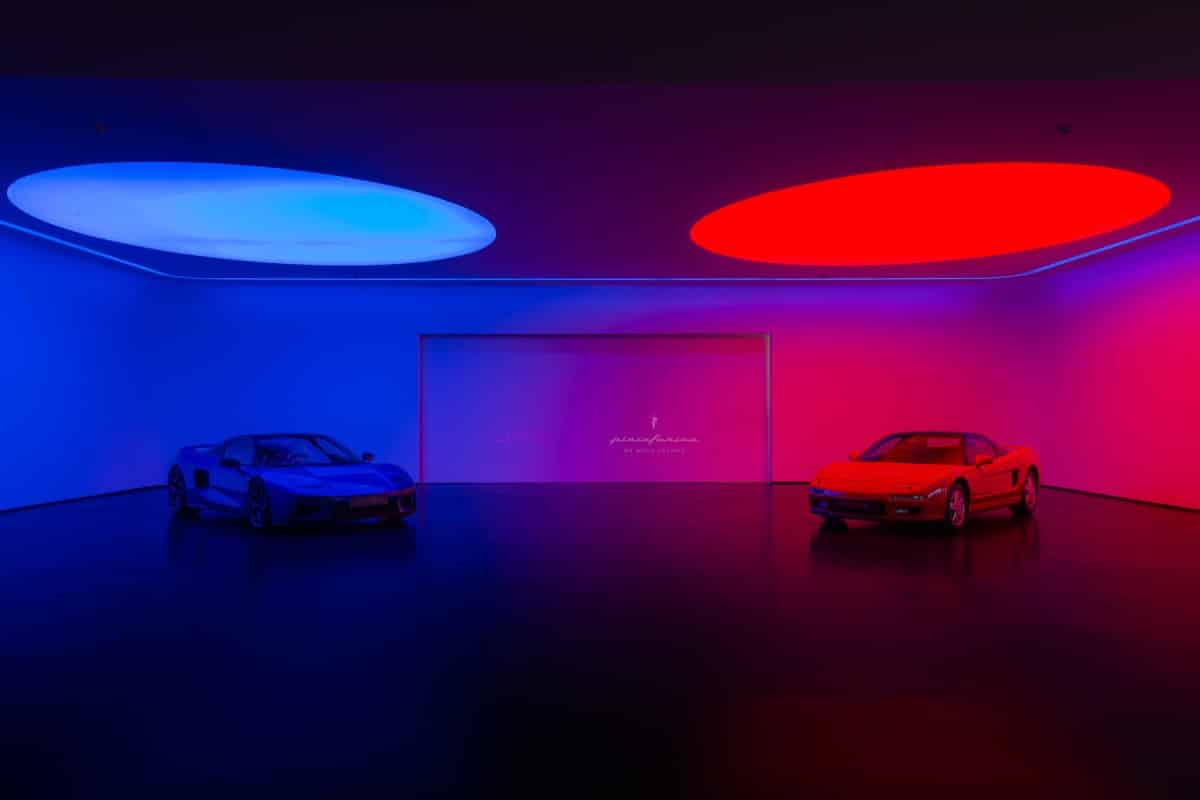
- Public Debut & Exhibition: Following private viewings, the Tensei is showcased in Paris alongside the Honda Prelude HRC Concept, reinforcing the tight, albeit unofficial, synergy between the atelier and the Japanese manufacturer.
Supporting Data & Technical Specifications
| Feature | Specification |
|---|---|
| Builder | JAS Motorsport (Arluno, Italy) |
| Design | Pininfarina (Cambiano, Italy) |
| Engine Builder | Judd Power |
| Production Volume | Strictly limited to 35 units worldwide |
| Engine Type | Naturally aspirated 3.5-liter V6 (derived from Honda C30A) |
| Power Output | 414 – 425 hp |
| Torque | 350 Nm |
| Max RPM | 8,500 rpm |
| Transmission | 6-speed manual, rear-wheel drive (RWD) |
| Dry Weight | ~1,250 kg |
| Braking | Brembo carbon-ceramic system |
| Suspension | Adjustable KW dampers |
| Base Price | Starting at €880,000 (excluding donor car, taxes, and bespoke options) |
Official Responses and Philosophy
The leadership at JAS and Pininfarina has been clear about the philosophy driving the Tensei project. The name Tensei translates to "renaissance" in Japanese—a fitting moniker for a car that guts a classic machine to give it eternal life.
Dimitri Vicedomini of Pininfarina noted that the project was designed to celebrate a car that completely redefined the 1990s supercar paradigm through lightweight engineering, precision handling, and everyday usability.
Rather than chasing the 1,000-horsepower figures common in modern hypercars, JAS consciously prioritized throttle response, mechanical feedback, and the visceral connection between driver and machine. Inside the cabin, there are no massive digital tablet screens or over-complicated software suites. Instead, drivers find physical climate controls reminiscent of the original NSX, paired with a small touchscreen and a plaque bearing the proud inscription: "Design by Pininfarina."
Implications: Where the Tensei Fits in the Modern Automotive Landscape
In a market saturated by electrified hypercars, automated dual-clutch transmissions, and screen-dominated interiors, the JAS Tensei stands as a defiant breath of fresh air.
Pricing and Competition
Starting at €880,000 before personalization, donor car acquisition, and local taxes, the Tensei enters the hyper-exclusive stratosphere of elite restomods (such as high-end Singer Porsches). Yet, it carves out a entirely unique niche. While companies like Italdesign have explored modern interpretations based on the second-generation hybrid NSX, the Tensei pays homage to the analogue golden age of the 1990s.
The Ultimate Analogue Experience
The Tensei is, by all traditional metrics, a wildly expensive and functionally unnecessary object. It does not solve modern mobility problems; it fulfills pure, unadulterated automotive desires. By preserving the three-pedal manual layout, the screaming naturally aspirated V6, and lightweight aluminum bones, JAS and Pininfarina have created a time capsule that looks toward the future while honoring the past. For the 35 lucky collectors worldwide who secure an allocation, the Tensei is not just a car—it is the ultimate mechanical symphony.
