Introduction and Main Facts
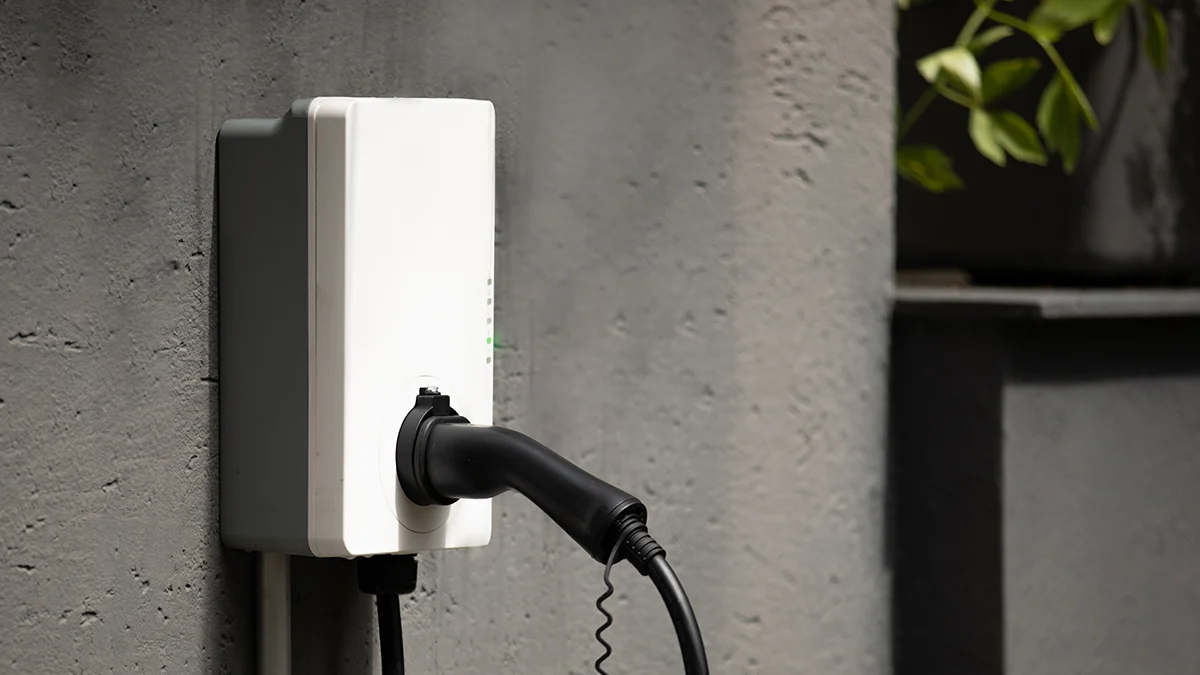
As the adoption of electric vehicles (EVs) accelerates globally, drivers frequently encounter the limitations of public charging infrastructure. Despite ongoing municipal and private efforts to densify the public charging network, motorists still grapple with issues such as geographic distance, out-of-service equipment, and long queues. Consequently, installing a dedicated home charging station—commonly known as a Wallbox—has emerged as the gold standard for EV ownership.
A home charging station offers unparalleled convenience, allowing vehicle owners to wake up every morning to a fully charged battery. Furthermore, it significantly reduces the cost per kilowatt-hour compared to rapid public charging hubs. However, transitioning to home-based charging requires a careful financial evaluation. The total investment encompasses three primary pillars: the purchase price of the hardware, professional installation fees, and the ongoing impact on domestic electricity consumption.
Market prices for residential charging stations generally range from €500 to €5,000, driven by variations in power output, build quality, and smart connectivity features. When factoring in mandatory professional installation by certified technicians, property owners must prepare a comprehensive budget before initiating any infrastructure upgrades.
Chronology of the EV Charging Transition: From Public Reliance to Domestic Independence
The shift toward home charging mirrors the broader evolution of the electric vehicle market over the past decade:
- Phase 1: The Public Infrastructure Era (Early 2010s): Early EV adopters relied almost exclusively on nascent public charging networks. Charging was often slow (Level 2 AC chargers) and networks were fragmented across different utility providers and municipalities.
- Phase 2: The Rise of Fast Charging (Mid-to-Late 2010s): The deployment of high-power DC fast chargers along major highways transformed long-distance travel, but urban areas still suffered from chronic bottlenecks, prompting drivers to seek reliable overnight alternatives.
- Phase 3: The Wallbox Revolution (2020–Present): Manufacturers began mass-producing residential Wallboxes equipped with smart features (Wi-Fi, Bluetooth, load balancing). Governments introduced subsidies and mandatory installation standards, shifting the paradigm toward domestic charging as the primary method for daily replenishment. Today, home charging accounts for the vast majority of all EV charging events globally.
Supporting Data: Breaking Down the Costs
Understanding the financial commitment of a residential charging station requires an analytical look at hardware tiers, labor costs, and operational electricity expenses.
1. Hardware Costs: Choosing the Right Wallbox
The cost of a charging unit varies heavily depending on its technical specifications.
- Entry-Level Units (€500 – €600): These basic models provide straightforward charging capabilities with integrated small screens to display fundamental metrics like energy delivered and charging duration. They lack advanced remote-control features.
- Mid-Range / Popular Units (€950+): The most popular category among consumers features adjustable power outputs ranging from 3.7 kW to 22 kW. These units include remote management via smartphone applications, Wi-Fi or Bluetooth connectivity, and scheduling capabilities to optimize charging times.
- High-End Smart Units (Up to €5,000): Premium solutions incorporate advanced load-balancing technology, robust weatherproofing, biometric security, and seamless integration with residential solar photovoltaic (PV) systems.
2. Professional Installation Fees
In many jurisdictions, regulations mandate that any charging station delivering more than 3.7 kW must be installed by a certified professional (such as IRVE-certified electricians in France and equivalent qualified contractors across Europe and North America).
- Average Installation Cost: Standard installations average around €700, which includes wiring, circuit breakers, and basic wall mounting.
- Complex Installations: Costs can escalate rapidly if the property requires civil engineering work—such as trenching cables across a driveway to a detached garage—or if the home’s main electrical panel requires a complete overhaul to support the additional load safely.
- The Multi-Quote Strategy: Industry experts strongly advise consumers to solicit at least three distinct quotes from certified installers to benchmark prices and secure competitive rates.
3. Operational Energy Costs
While electricity is cheaper than fossil fuels, home charging directly impacts the household utility bill.
- Average Electricity Rates: The cost of electricity typically hovers between €0.14 and €0.19 per kilowatt-hour (kWh), fluctuating based on regional tariffs and time-of-use pricing structures.
- Real-World Example (Renault Zoe):
- Standard Peak Hours: Recharging a compact EV like a Renault Zoe during standard daytime rates costs approximately €3.00 per 100 kilometers.
- Off-Peak Hours: Utilizing scheduled nighttime off-peak hours drops the cost to roughly €2.00 per 100 kilometers. Over tens of thousands of kilometers driven annually, leveraging off-peak tariffs generates substantial cumulative savings.
Official Responses and Regulatory Standards
Energy regulators, electrical safety boards, and consumer protection agencies maintain strict guidelines regarding residential EV charging infrastructure.
Safety and Certification Mandates
Electrical safety authorities emphasize that domestic charging is not a DIY project. Drawing continuous high current for several hours puts immense strain on a home’s electrical grid. Official bodies enforce strict compliance with electrical codes (such as NF C 15-100 in France or the National Electrical Code in the US) to prevent thermal runaways, electrical fires, and equipment damage. Consequently, insurance providers frequently void coverage for fire damage related to EV charging if the equipment was installed by an uncertified individual.
Grid Operator Guidelines
National and regional grid operators (DSOs) monitor the growing penetration of residential Wallboxes. To prevent localized grid overload—especially during peak evening hours when households simultaneously run heating, cooking appliances, and vehicle chargers—regulators actively encourage smart-charging technologies. These systems allow grid operators or dynamic tariff structures to automatically throttle or delay charging sessions, ensuring grid stability without sacrificing driver convenience.
Implications for Consumers and the Energy Market
The widespread adoption of home charging stations carries profound implications for individual household budgets, real estate values, and the wider energy ecosystem.
For the Consumer
- Long-Term Financial Savings: Despite the initial upfront investment of €1,200 to €2,000 (hardware combined with standard installation), the disparity in fuel costs ensures a rapid return on investment (ROI) compared to public fast-charging networks or internal combustion engine vehicles.
- Enhanced Asset Value: Properties equipped with pre-installed, high-quality EV charging infrastructure gain a competitive edge in real estate markets, increasingly viewed as essential modern amenities by prospective buyers.
For the Energy Market and Smart Grids
- Shift in Demand Curves: Millions of residential chargers turning on simultaneously represent a massive shift in domestic power consumption. Utilities are heavily investing in smart-grid infrastructure to manage this demand.
- Vehicle-to-Home (V2H) and Vehicle-to-Grid (V2G): The next generation of Wallboxes is moving beyond simple one-way power transfer. Bi-directional charging technologies will soon allow EVs to act as domestic backup batteries during power outages or feed surplus solar energy back into the public grid, turning the family car into an active asset in the energy transition.
Conclusion
Installing a home charging station is no longer a luxury for early adopters, but a foundational necessity for modern electric vehicle ownership. While the initial capital outlay for hardware and certified professional installation requires careful financial planning, the long-term benefits—unmatched daily convenience, safety compliance, and significantly lower energy costs—make the investment indispensable. By utilizing price comparison tools, leveraging off-peak electricity tariffs, and hiring certified professionals, EV owners can future-proof their mobility while enjoying a seamless driving experience.