

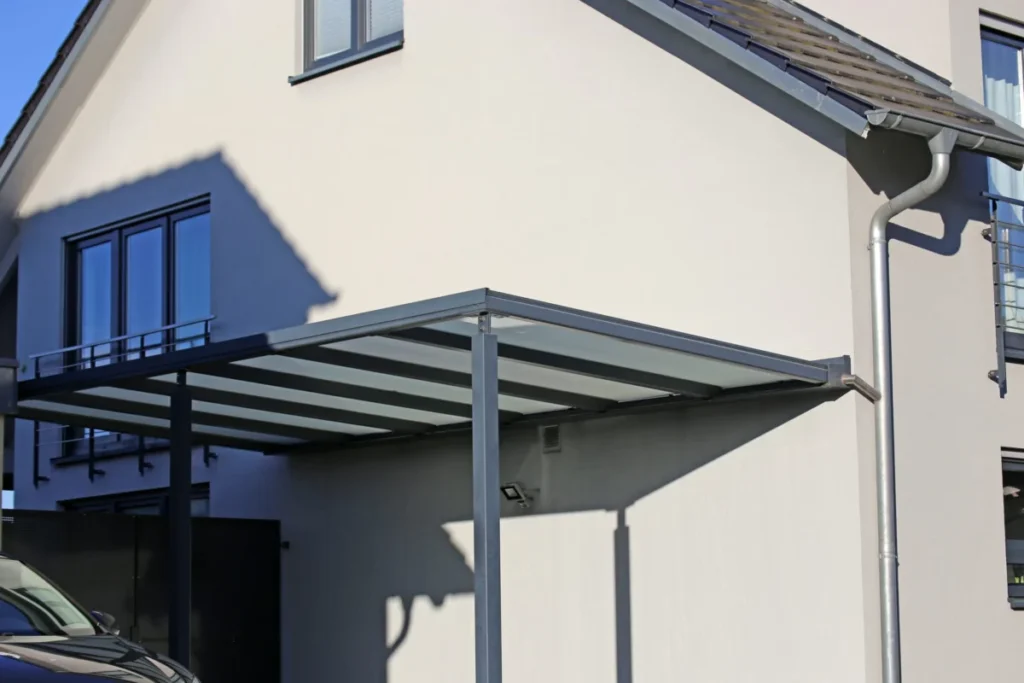
Introduction: The Growing Need for Vehicular Preservation
Vehicles represent one of the most substantial financial investments an individual or family can make, second only to real estate in many cases. Yet, millions of car owners leave their prized automobiles exposed to the relentless assault of the elements. Rain, snow, hail, ultraviolet (UV) radiation, falling tree debris, and bird droppings combine to degrade a vehicle’s exterior finish on a daily basis. Over time, moisture trapped against microscopic paint imperfections leads to the insidious formation of rust, drastically accelerating depreciation.
When a vehicle suffers from premature aesthetic and structural aging, its resale value plummets. Recognizing this financial vulnerability, homeowners are increasingly turning to dedicated outdoor shelters. Among the various solutions available on the market, the carport has emerged as a cost-effective, highly functional alternative to traditional enclosed garages. However, choosing to install a carport is only the first step in a broader decision-making process. The defining factor in the longevity, aesthetic harmony, and environmental impact of the structure is the material chosen. While wood has historically dominated the landscape of outdoor construction, a profound shift is underway. Aluminum has risen to prominence, challenging the status quo and redefining what homeowners should expect from an automotive shelter.
Chronology of Carport Evolution: From Improvised Shrubbery to Engineered Aluminum
To understand the current dominance of aluminum in the carport market, it is helpful to trace the chronological evolution of vehicle protection structures over the past century.
- The Early 20th Century (The Garage Era): At the dawn of the automotive age, vehicles were housed in brick or wooden structures known as garages, mirroring the carriage houses that preceded them. These buildings were heavy, expensive, and required significant footprint allocations on residential properties.
- The Mid-20th Century (The Birth of the Carport): Pioneered by renowned architect Frank Lloyd Wright in the 1930s as part of his "Usonian" homes, the carport was designed to be an affordable, open-sided extension of the domestic dwelling. Initially constructed primarily from wood and basic steel framing, these early models were functional but labor-intensive to maintain.
- The Late 20th Century (The Rise of Treated Timber and Galvanized Steel): As suburban sprawl accelerated in the 1970s and 1980s, standardized wooden and corrugated steel carports flooded the market. While affordable upfront, these materials proved vulnerable to rust and rot, requiring homeowners to adopt rigorous maintenance schedules involving chemical sealants and anti-corrosion paints.
- The 21st Century (The Aluminum Revolution): With advancements in metallurgical engineering and powder-coating technologies, aluminum emerged as a viable structural material in the early 2000s. Offering the structural integrity of steel combined with the corrosion resistance of modern polymers, aluminum quickly transitioned from industrial applications to high-end residential landscaping, culminating in the sleek, customizable, and eco-friendly carports seen today.
The Hidden Costs and Vulnerabilities of Wooden Carports
At first glance, wood appears to be an ideal material for a carport. It exudes a natural, organic charm that blends seamlessly into lush garden environments and traditional architectural styles. For many homeowners, the sensory appeal of timber—its grain, warmth, and classic aesthetic—makes it the default choice. However, a deeper examination reveals critical structural and environmental drawbacks that make wood a risky investment for long-term vehicle protection.
The Biological Threat: Xylophagous Insects and Rot
Wood is, by definition, a living organic matrix. Even after being harvested, milled, and treated, it remains susceptible to biological agents. Xylophagous insects—such as termites, wood-boring beetles, and carpenter ants—view wooden carports not as architectural features, but as a food source and habitat. Left unchecked, these pests can hollow out support beams from the inside, compromising the structural integrity of the shelter without immediate outward signs.
Furthermore, when exposed to continuous cycles of rain, humidity, and drying sunlight, wood absorbs moisture. This constant dampness leads to the proliferation of wood-decay fungi, resulting in rot and structural softening within just a few years. A wooden carport that begins to sag or collapse poses a catastrophic hazard to the very vehicle it was built to protect. A structural failure can crush a car’s roof, shatter windshields, and cause thousands of dollars in secondary damage.
The Maintenance Burden and Environmental Toxicity
To combat rot and insect infestations, wooden carports demand relentless maintenance. Property owners must periodically apply chemical preservatives, stains, and paints to seal the grain against moisture. This maintenance cycle introduces two major problems:
- Financial Overhead: The cumulative cost of specialized sealants, fungicides, and primers over the lifespan of a wooden carport often exceeds the initial price difference between wood and alternative materials like aluminum.
- Environmental Impact: Conventional wood treatments are rarely eco-friendly. They frequently contain volatile organic compounds (VOCs) and toxic chemical residues that leach into the surrounding soil during heavy rains, posing risks to local flora, fauna, and human health.
Why Aluminum is the Superior Choice for Modern Carports
Faced with the high maintenance costs and structural uncertainties of wood, discerning homeowners are turning decisively toward aluminum. Far from being a cold, industrial metal, modern architectural aluminum offers a compelling suite of performance characteristics that surpass traditional building materials.
+------------------------+-------------------------+-------------------------+
| Feature / Metric       | Traditional Wood        | Architectural Aluminum  |
+------------------------+-------------------------+-------------------------+
| Maintenance Required   | High (Annual sealing)   | Minimal (Yearly wash)   |
| Pest Vulnerability     | High (Termites, beetles)| Zero (Insects ignore it)|
| Corrosion Resistance   | Low (Prone to rot)      | High (Natural oxide)    |
| Weight-to-Strength     | Moderate to Heavy       | Exceptional             |
| Recyclability          | Low (Chemical treated)  | 100% Infinite           |
+------------------------+-------------------------+-------------------------+
Unmatched Durability and Minimal Maintenance
Unlike wood, aluminum does not rot, warp, splinter, or attract insects. When exposed to the atmosphere, aluminum naturally forms a microscopic, highly stable oxide layer that prevents further oxidation, effectively immunizing it against rust.
Maintenance is remarkably straightforward. Because outdoor structures naturally collect environmental debris—such as falling leaves, dust, pine needles, and avian droppings—some cleaning is inevitable. However, maintaining an aluminum carport requires little more than a garden hose to rinse away surface dirt, supplemented perhaps once a year by a gentle wipe-down with soapy water and a soft sponge. There is no need for sanding, scraping, priming, or chemical treatments.
Aesthetic Versatility and Architectural Harmony
A common misconception is that aluminum lacks aesthetic warmth. In reality, modern powder-coated aluminum can be manufactured in a vast array of finishes and colors. Whether a homeowner wishes to match the charcoal trim of a contemporary urban home or replicate the warm tones of natural timber through specialized faux-wood finishes, aluminum adapts effortlessly.
Furthermore, aluminum structures do not clash with existing landscaping or architectural styles. Their clean lines and slim profile profiles convey a sense of modern elegance that enhances, rather than detracts from, overall property value.
Structural Superiority: Spans and Weight
Engineers prize aluminum for its exceptional strength-to-weight ratio. Because the metal is remarkably lightweight yet structurally robust, it can support wide spans without requiring an excessive number of interior support posts. This characteristic is particularly advantageous for owners of large vehicles, recreational vehicles (RVs), camper vans, and boats, who require unobstructed turning radiuses and generous clearance zones when parking.
Environmental Implications: The Sustainability Factor
In an era defined by climate consciousness, the ecological footprint of building materials is under intense scrutiny. Here, aluminum holds a definitive advantage that resonates strongly with environmentally conscious consumers.
Infinite Recyclability
Aluminum is 100% recyclable, and crucially, it can be recycled indefinitely without suffering any degradation in its mechanical properties. Recycling aluminum requires only about 5% of the energy needed to produce primary aluminum from bauxite ore. By choosing an aluminum carport, homeowners are participating in a closed-loop circular economy. At the end of the structure’s decades-long lifespan, every component can be reclaimed and repurposed into new metal products, leaving zero toxic waste behind.
Designing the Ideal Aluminum Carport: Key Considerations
Once the decision to invest in an aluminum carport has been finalized, property owners must navigate several design and customization choices to optimize their investment.
1. Tailored Dimensions and Custom Fabrication
Vehicles come in all shapes and sizes, from compact city hatchbacks to sprawling SUVs and commercial-grade utility trucks. Standardized off-the-shelf carports frequently fail to accommodate specialized vehicles. Fortunately, advanced manufacturers offer bespoke, custom-fabrication services. Ensuring the length, width, and vertical clearance are meticulously matched to current—and anticipated future—household vehicles is essential.
2. Innovative Roofing Options
The roof of a carport dictates both its aesthetic character and its environmental functionality. Homeowners can select from several modern configurations:
- Polycarbonate Panels: Offer UV protection while allowing natural light to filter through, preventing the space underneath from feeling dark and enclosed.
- Photovoltaic Integration: Solar panels can be mounted directly onto the carport roof, transforming the vehicle shelter into a clean energy generation station capable of charging electric vehicles (EVs).
- Vegetated "Green" Roofs: Installing sedum or other hardy plants on top of the carport promotes local urban biodiversity, manages rainwater runoff, and enhances thermal insulation if the carport is attached directly to the main house.
3. Multifunctional Outdoor Spaces
Modern carports are evolving beyond simple canopies. Many designs now seamlessly integrate secure storage lockers, garden sheds, or workshop extensions into their structural footprint. This hybrid approach maximizes the utility of limited outdoor space, providing a unified architectural solution for property storage, tool organization, and vehicle protection.
Conclusion: Securing Your Automotive Investment for the Future
Protecting a vehicle from the degrading effects of weathering and environmental exposure is no longer just a matter of cosmetic preservation—it is a vital financial strategy to maintain asset value. While traditional wooden carports offer initial aesthetic appeal, their vulnerability to rot, insect infestations, and relentless chemical maintenance make them increasingly obsolete in the face of modern engineering.
Aluminum carports represent the definitive evolution in outdoor vehicle protection. Combining structural strength, extraordinary longevity, minimal maintenance, and total recyclability, aluminum provides an uncompromised sanctuary for automobiles, recreational vehicles, and outdoor gear alike. By investing in a custom-engineered aluminum carport, homeowners secure peace of mind, elevate their property’s architectural aesthetic, and make a definitive commitment to sustainable, future-proof living.
