

Main Facts: A Modern Reimagining of Utility
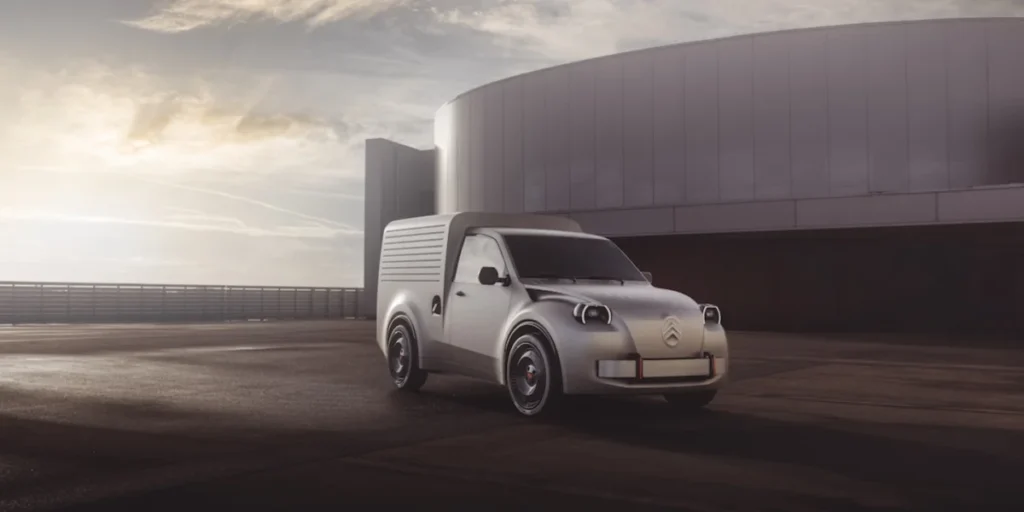
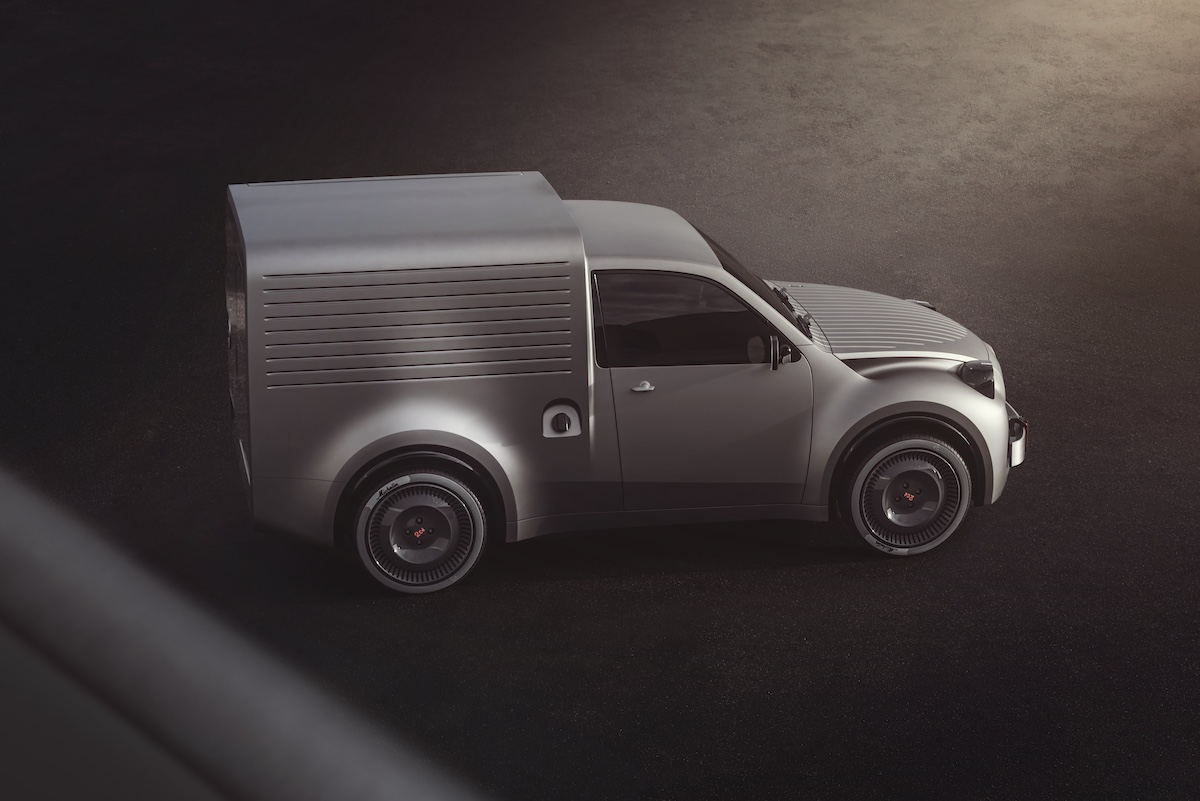
At the 2026 Paris Motor Show, Citroën has once again captured the imagination of the automotive world by delving into its rich, storied past to define a sustainable future. Alongside the highly anticipated 2 CV Concept, the manufacturer has introduced the 2 CV Fourgonnette Concept, a vehicle that marries the nostalgic charm of the legendary post-war utility van with the cutting-edge requirements of modern electric mobility.
The 2 CV Fourgonnette Concept is not merely a retro-themed vanity project; it is a strategic exploration of what a compact, efficient, and character-driven electric commercial vehicle could look like. Designed with the needs of independent traders, urban artisans, and last-mile delivery services in mind, the concept prioritizes simplicity, agility, and the "less is more" philosophy that made the original 2 CV an global phenomenon. By stripping away the complexity often associated with modern electric vans, Citroën is testing the waters to see if there is a market for a vehicle that values charm and modularity over brute force and excessive technology.
A Legacy of Ingenuity: The Chronology of an Icon
To understand the significance of this concept, one must look back at the historical footprint of the original 2 CV Fourgonnette.
The Origins (1951)
Launched in 1951, the 2 CV Fourgonnette (often referred to as the AU or AZU) was an engineering masterclass in utility. Post-war France required a vehicle that could navigate narrow village streets, carry heavy loads of produce, and remain affordable for the average small-business owner. Citroën delivered a vehicle with a corrugated steel body, a simple two-cylinder engine, and a suspension system capable of traversing the roughest terrain without breaking eggs—the literal design brief for the original 2 CV.
The Evolution
Throughout the 1950s, 60s, and 70s, the Fourgonnette became the backbone of French commerce. It was the chariot of the baker, the plumber, and the florist. Its reliability and ease of repair meant that it remained in service long after more "sophisticated" vehicles had been scrapped. By the time production ceased, the Fourgonnette had achieved cult status, representing a period where design followed function in its purest, most honest form.
The 2026 Revival
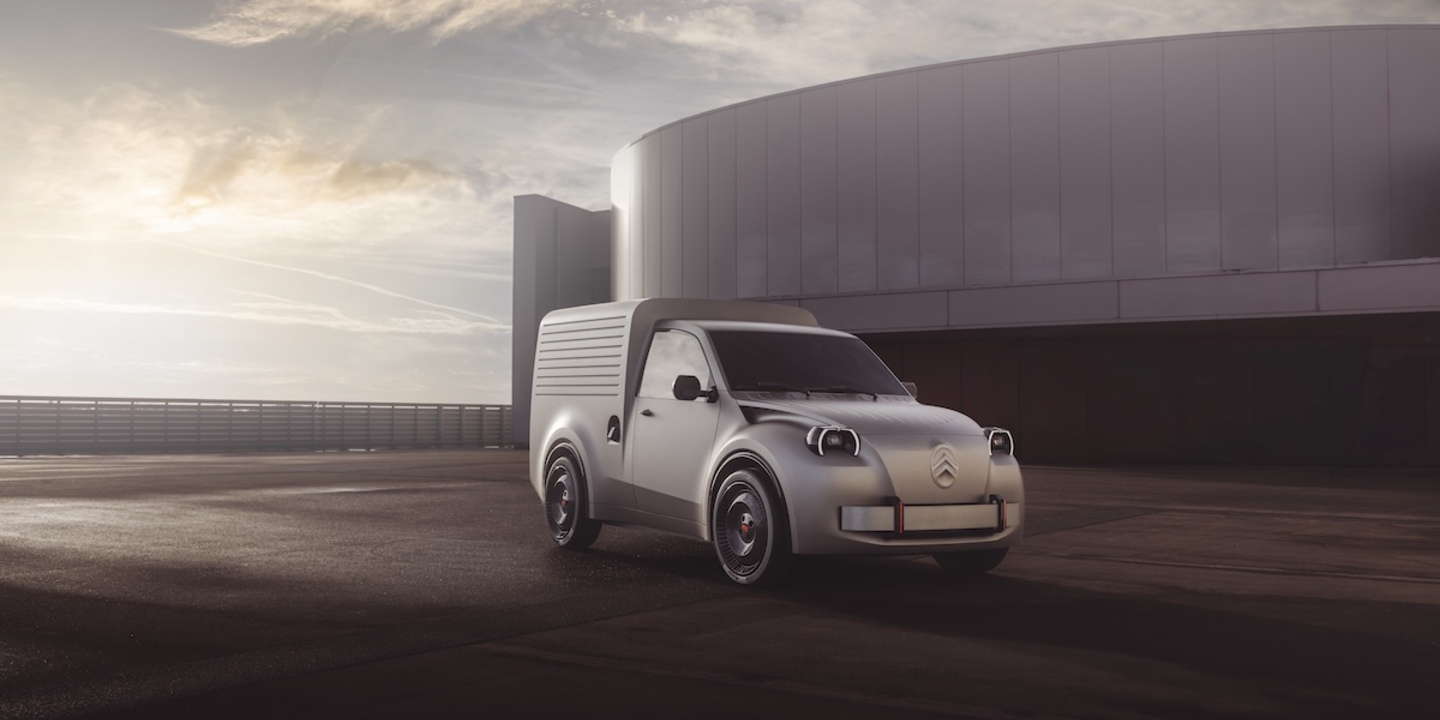
The 2026 Paris Motor Show marks the first time in decades that the "Fourgonnette" nameplate has been seriously revisited by Citroën’s design team. While the 2026 concept acknowledges the 1951 design language, it avoids the trap of pastiche. Instead, the design team has utilized a "neo-retro" approach: applying modern proportions, EV-specific packaging, and sustainable materials to create a vehicle that feels as revolutionary today as the original did in the 1950s.
Supporting Data: Why Small Matters in the Electric Era
The automotive industry is currently obsessed with range anxiety and massive battery packs. Citroën, however, is pivoting toward a different metric: operational efficiency.
The Case for Compact EVs
Data from urban planning initiatives suggests that by 2030, inner-city delivery vehicles will need to be smaller, lighter, and more agile to navigate "low-emission zones." The 2 CV Fourgonnette Concept fits this profile perfectly. By utilizing a lightweight chassis and a smaller, high-density battery, the vehicle achieves:
- Optimized Energy Consumption: Lower weight means less strain on the battery, allowing for an efficient range perfectly suited for urban delivery cycles.
- Reduced Carbon Footprint: The production of a smaller vehicle requires significantly fewer raw materials, including rare-earth metals for batteries.
- Urban Maneuverability: With a footprint smaller than current B-segment commercial vans, the concept can park and maneuver in environments where traditional vans struggle.
The Design Philosophy
The team behind the concept, led by Citroën’s chief designers, emphasized that the goal was not to reproduce the 1951 model, but to capture its "soul." This includes:
- A "Flat Floor" Architecture: Taking advantage of the electric powertrain to maximize cargo volume within a compact exterior.
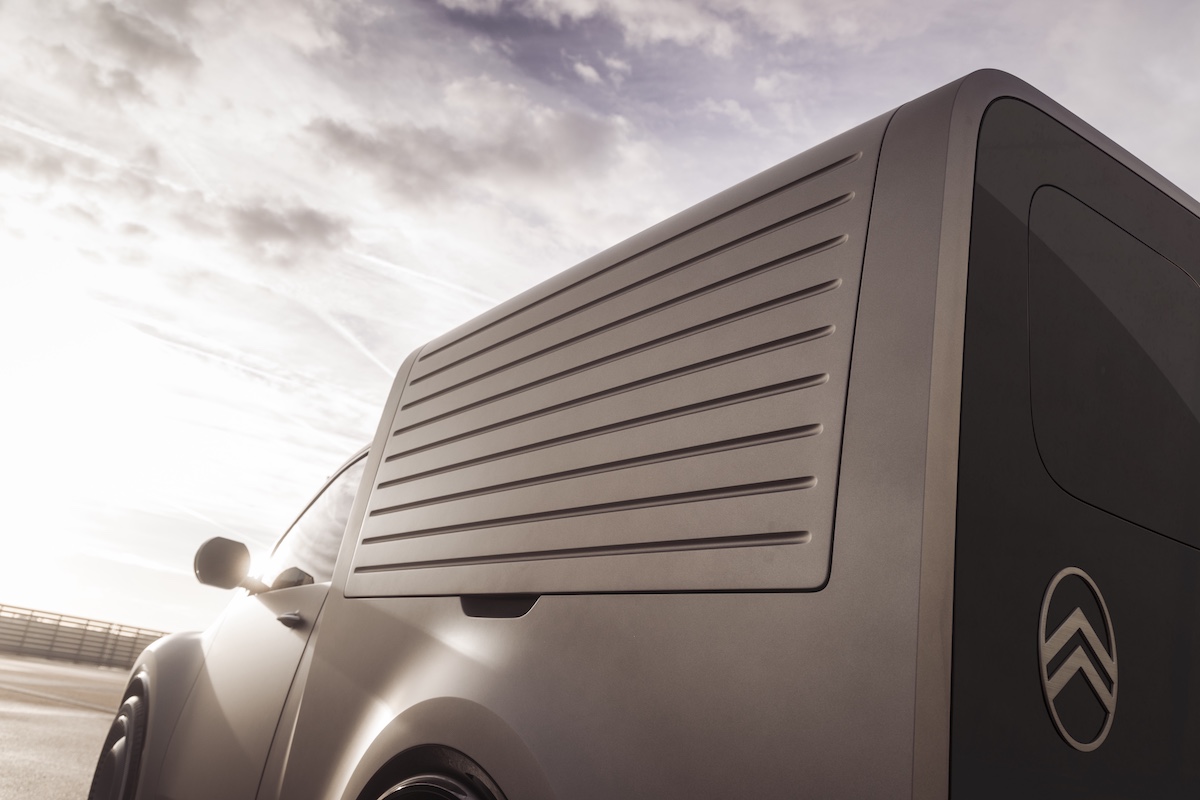
- Modular Storage: Inspired by the original’s rear barn doors and canvas-topped load areas, the new concept features innovative loading solutions that can be adapted for different professions.
- Minimalist Interface: The cabin focuses on utility, removing digital clutter in favor of ergonomic, durable materials that can withstand the rigors of daily commercial use.
Official Responses: Is it Coming to Production?
The atmosphere at the Paris Motor Show has been one of cautious optimism. Citroën’s leadership has been transparent regarding the vehicle’s current status.
"The 2 CV Fourgonnette Concept is an exercise in imagination," said a spokesperson for the brand. "It is a way for our design studio to challenge the current conventions of the utility vehicle market. While our 2 CV Concept passenger car is firmly on the roadmap for a 2028 production launch, the Fourgonnette is currently an exploration of potential."
However, the "door is left ajar." Citroën is actively soliciting feedback from professional visitors at the show. The brand’s internal research suggests that there is a growing segment of the market—particularly among "boutique" businesses and eco-conscious urban logistics firms—that is tired of the cookie-cutter aesthetics of current mid-sized vans. If the reception remains as positive as it has been during the opening days of the show, there is a tangible possibility that the project could be fast-tracked for a niche production run.
Implications for the Future of Citroën
The debut of the 2 CV Fourgonnette Concept carries significant implications for the brand’s future identity.
1. Reclaiming the "People’s Car" Ethos
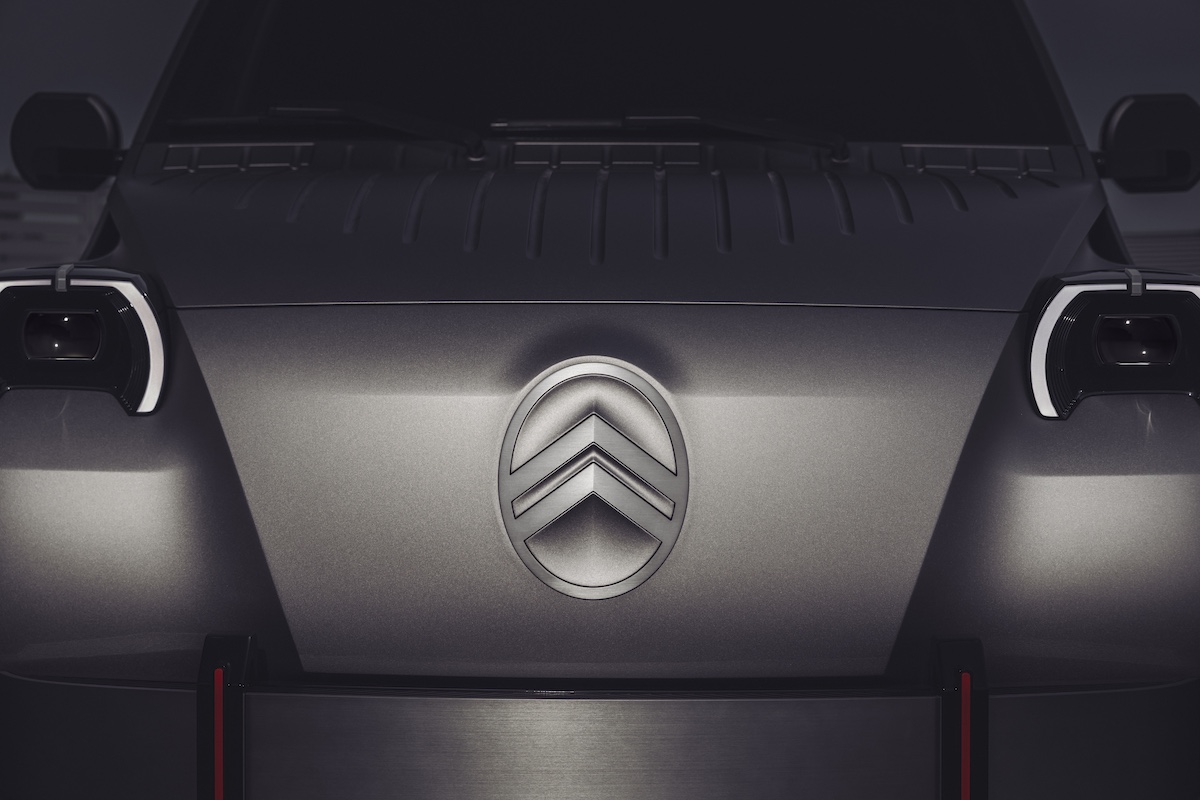
For years, Citroën has struggled to balance its status as a mass-market manufacturer with its heritage as an innovator. By leaning into the 2 CV identity, the brand is successfully repositioning itself as a maker of "smart, accessible, and characterful" mobility. This distinguishes them from the increasingly homogenized competition in the Stellantis stable.
2. A Niche for "Lifestyle" Utility
There is a rising trend of "van life" and "craftsmanship branding," where the vehicle is not just a tool but an extension of the business’s image. A modern, electric 2 CV Fourgonnette offers a unique marketing asset for small businesses—it is a vehicle that draws eyes and starts conversations. Citroën is effectively betting that business owners want a vehicle that reflects their brand values as much as it performs their daily tasks.
3. Sustainability through Simplicity
Perhaps the most important implication is the return to simplicity. In an era where vehicle software updates and complex electronics can lead to costly downtime, a return to "mechanical honesty" (digitally managed, but physically simple) is an attractive proposition for fleet managers. If Citroën can build this vehicle with a focus on reparability and longevity, it could set a new standard for how we view commercial vehicle lifecycles.
Conclusion: A Vision Worth Pursuing
The 2 CV Fourgonnette Concept is more than a trip down memory lane; it is a bold statement of intent. At a time when the automotive industry is grappling with the challenges of electrification, Citroën is proving that the answer doesn’t always have to be bigger, faster, or more complex. Sometimes, the path forward is illuminated by the light of the past.
While it is not yet destined for the production line, the concept has successfully ignited a debate about the future of light commercial vehicles. It poses the question: in a world of high-tech automation, is there still room for a simple, charming, and highly practical workhorse? Based on the crowds surrounding the Citroën stand at the Paris Motor Show, the answer is a resounding "yes."

Whether or not the Fourgonnette sees the light of day as a commercial product, its presence has already achieved its primary goal: it has reminded us that mobility should be, above all else, an expression of human ingenuity and delight. For the small-business owners of the future, a modern, electric interpretation of this French icon would be more than just a delivery van—it would be a symbol of a smarter, more sustainable way to work.
