

The European automotive landscape is undergoing a tectonic shift. As the continent aggressively pivots toward electrification, the traditional titans of German engineering—BMW, Mercedes-Benz, and Volkswagen—are finding their footing once again. After a period of stagnation and strategic hesitation, these industry stalwarts are reporting a resurgence in demand and a newfound momentum in their electric vehicle (EV) portfolios. However, as the latest data from 2026 suggests, this "rebond" is not merely a tale of rising sales; it is a complex narrative of industrial transformation, labor restructuring, and a high-stakes battle against agile Chinese competitors.
Main Facts: The Acceleration of the Electric Shift
The data from the first eight months of 2026 paints a clear picture: the European Union is moving toward an electrified future at an accelerating pace. According to the European Automobile Manufacturers’ Association (ACEA), fully electric vehicles (BEVs) accounted for 21.7% of all new registrations in the EU, a significant leap from the 15.8% recorded during the same period in 2025. In absolute numbers, this translates to 1.64 million electric cars hitting the roads.
The growth is geographically diverse, with France leading the charge with a 74.2% surge in EV registrations, followed closely by Germany at 53.1%. While Belgium’s growth appears more modest at 13.1%, it is important to note that the country already maintained a high electrification baseline. Notably, August 2026 served as a milestone month, with EVs capturing 27.7% of the market share—representing more than one in four new cars sold. Despite this, the internal combustion engine—particularly in the form of non-plug-in hybrids—remains resilient, holding a 36.6% market share, underscoring the ongoing consumer caution regarding price, charging infrastructure, and resale value.
Chronology of the 2026 Market Recovery
The year 2026 has been defined by a series of critical inflection points for German manufacturers:
- Q1 2026: Initial skepticism surrounds the market as legacy manufacturers struggle with supply chain bottlenecks and high production costs.
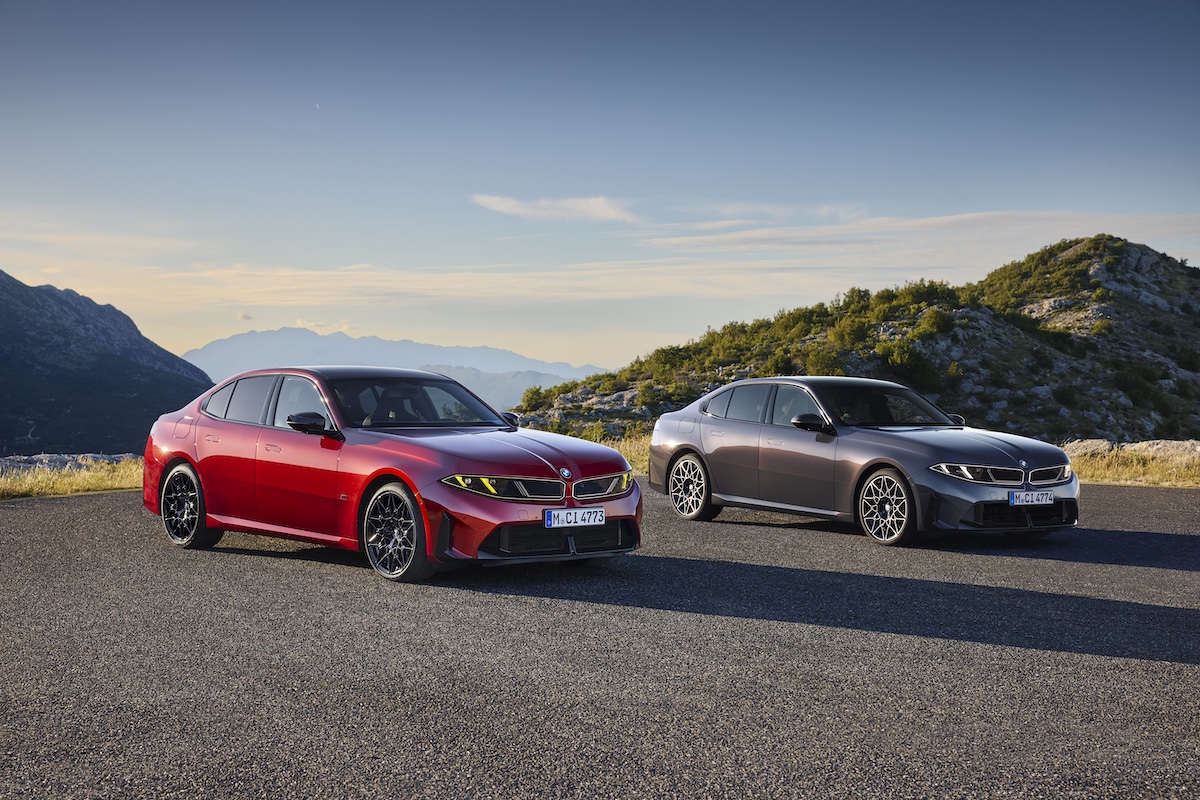
- April–June 2026: BMW reports a 38% increase in EV deliveries in Europe, signaling that their "Neue Klasse" strategy is beginning to yield tangible results.
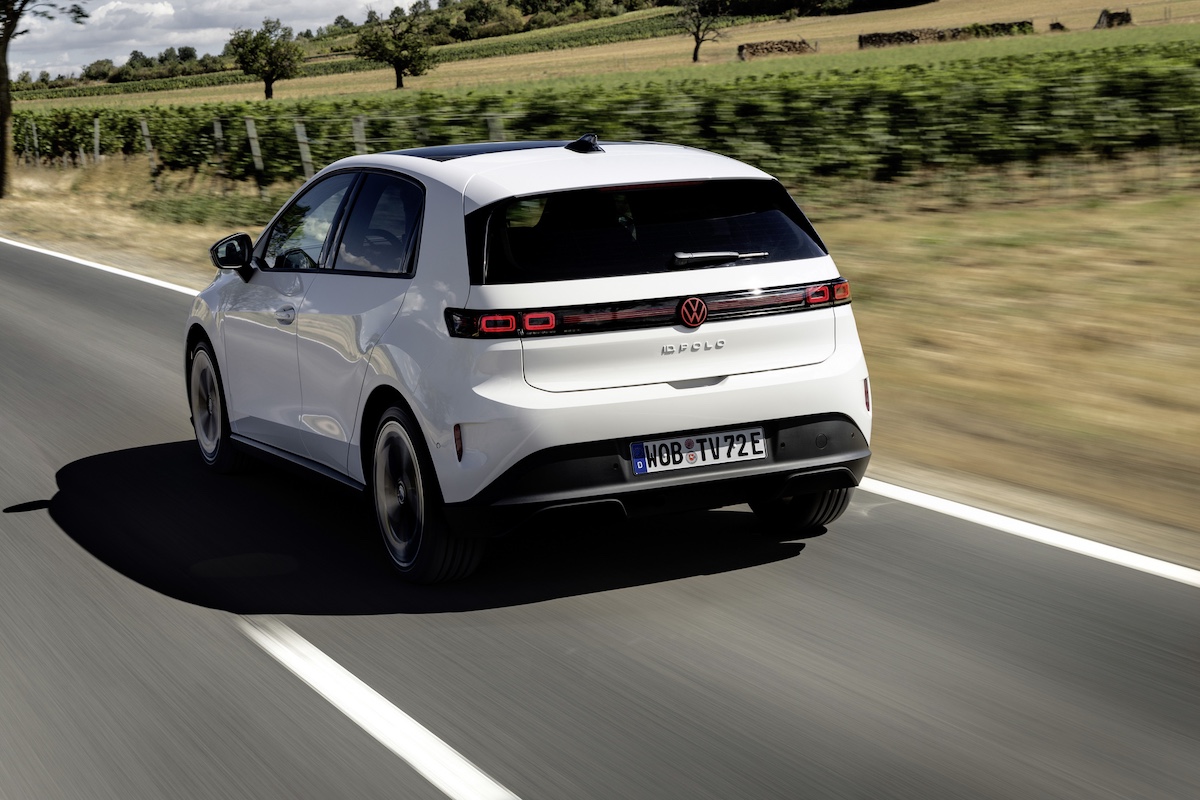
- Mid-September 2026: A critical milestone is reached as the new BMW iX3 crosses 100,000 orders. Simultaneously, Volkswagen’s entry-level electric family (ID. Polo, ID. Cross, Škoda Epiq, and CUPRA Raval) accumulates over 100,000 pre-orders, proving there is a hungry market for affordable electric transport.
- October 7, 2026: Mercedes-Benz releases quarterly results revealing a 78% year-over-year surge in EV sales, with electric models now representing one in three of their European sales.
- Late 2026: As the year draws to a close, manufacturers face the dual challenge of scaling production at new facilities, such as BMW’s battery plant in Irlbach-Straßkirchen, while managing the social fallout of necessary cost-cutting measures.
Supporting Data: Three Paths to Recovery
The "Big Three" of German automotive engineering have each adopted distinct strategies to combat the cooling interest that characterized late 2025.
BMW: The Neue Klasse Momentum
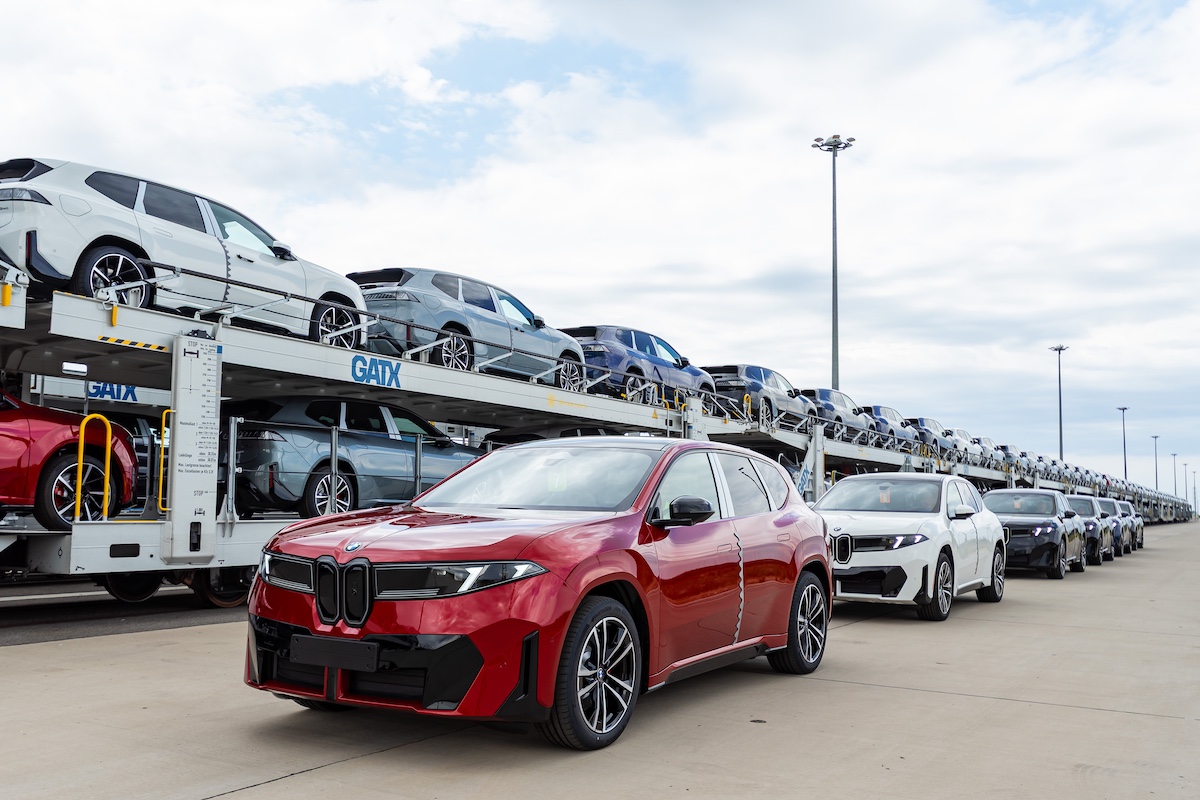
BMW has emerged as a leader in this recovery. By focusing on a flexible manufacturing architecture, they have successfully integrated the new iX3 into the market. With the expansion of their Debrecen site to three full shifts and the opening of a one-billion-euro battery assembly plant in Lower Bavaria, BMW is preparing for the next wave of their electric transition: the electric 3 Series and the iX5 SUV. Their ability to meet demand while maintaining premium margins has made them the current gold standard in the transition.
Mercedes-Benz: A Spectaculaire Rebound
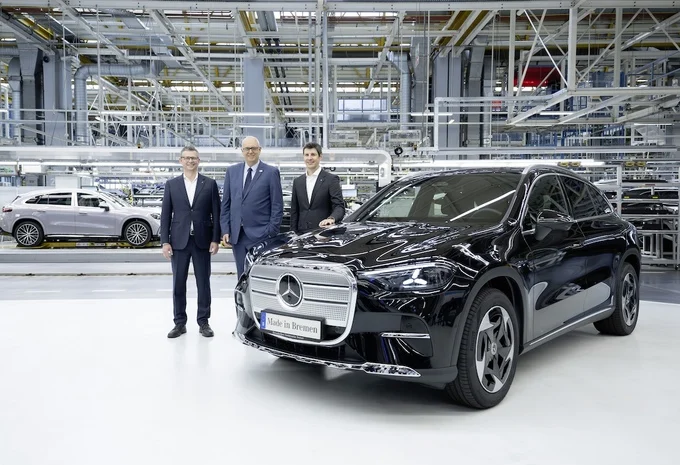
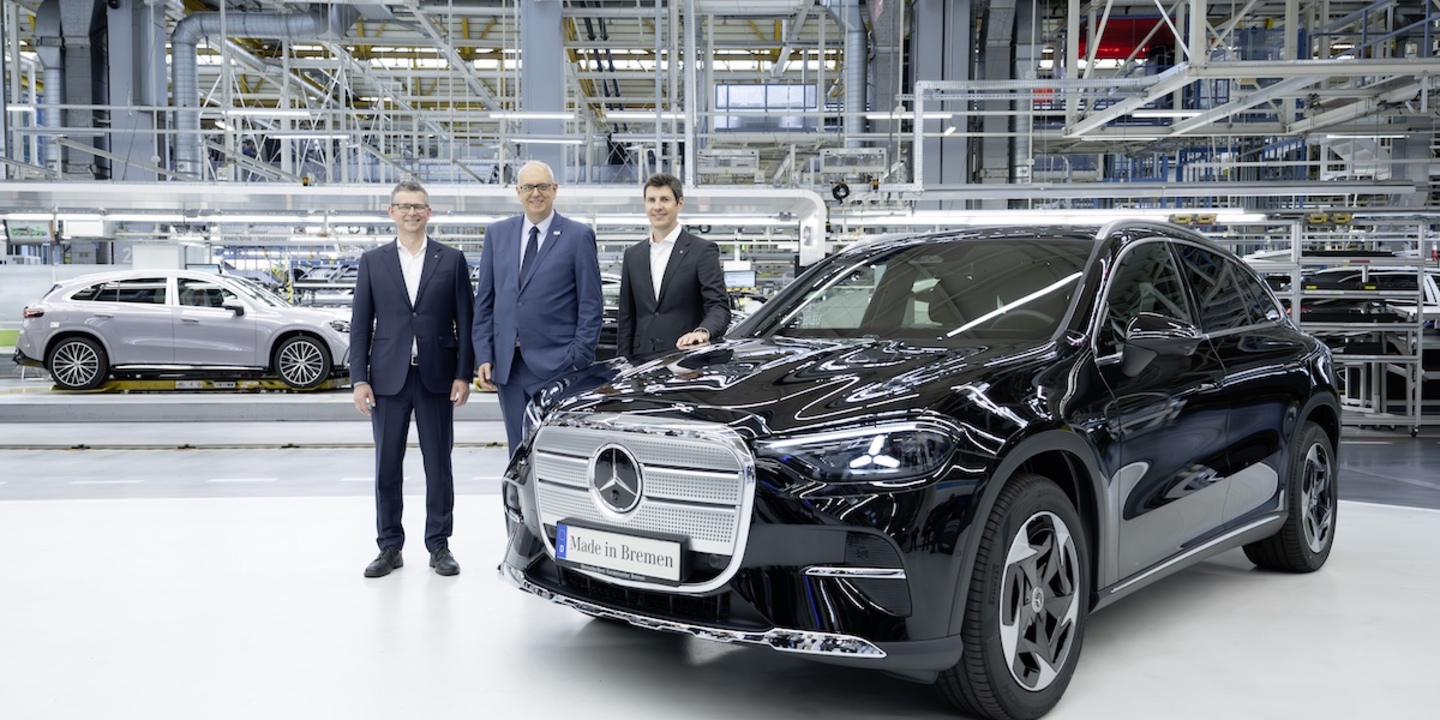
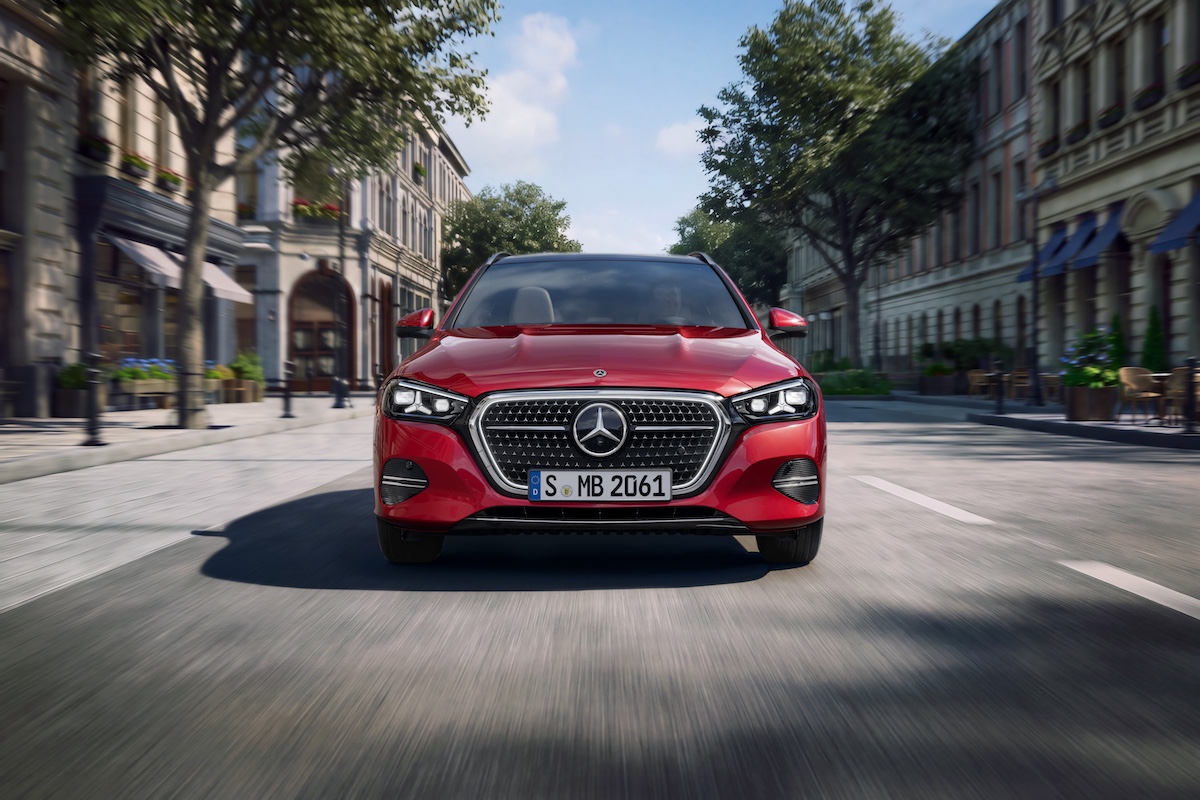
Mercedes-Benz has executed a stunning turnaround. After facing production hurdles early in the year—specifically issues with CATL battery supplies and wire harness shortages—the company has managed to stabilize its supply chain. The "sold-out" status of the CLA, GLC, and GLB electric models in Europe reflects a successful pivot toward high-end, high-desirability electric mobility. The upcoming electric C-Class is expected to act as the next pillar of their growth.
Volkswagen: The Volume Paradox
Volkswagen finds itself in a paradoxical position. While their order books are overflowing—particularly for their new affordable EV range—the company is simultaneously grappling with internal restructuring. Despite an 8.4% rise in European deliveries in the first half of the year, global delivery numbers for the group were dragged down by mixed results across its sub-brands. The challenge for VW is not just selling cars, but manufacturing them profitably. With EV production requiring 40% less labor than combustion engines, the group is navigating the painful process of right-sizing its workforce while attempting to undercut Chinese competitors on price.
Official Responses and Strategic Implications
The resurgence of German auto brands is shadowed by the rapid encroachment of Chinese manufacturers. Brands like BYD have seen a 163% growth in the EU, now capturing 2.4% of the market share—a figure that is growing rapidly as they expand their reach beyond niche segments.
In response to these pressures, the German automotive sector has voiced a controversial request: they are urging the European Union to reconsider or soften the 2035 phase-out of internal combustion engines. This stance, supported by the French government, reveals a fundamental tension. While the industry is successfully scaling its EV capabilities, it fears that the regulatory environment may be moving faster than the economic realities of the supply chain.
The Industrial Challenge
The "true test" for these companies remains profitability. A high volume of sales is meaningless if the margin per vehicle is eroded by high battery costs and bloated operational structures. The shift to electric mobility is not just a technological challenge; it is an industrial one. As BMW shifts to 6th-generation battery technology and Volkswagen attempts to streamline its production lines in Zwickau and Emden, the industry is entering a "survival of the fittest" phase.
Implications for the Future
The implications for the European economy are profound. The automotive sector remains the backbone of the German economy, and its ability to navigate the transition will dictate the prosperity of the entire region.
- Supply Chain Independence: The massive investment in regional battery plants is an attempt to de-risk from Asian suppliers. The success of BMW’s Irlbach-Straßkirchen plant will be a litmus test for whether Europe can sustain a localized, profitable battery supply chain.
- Labor Market Disruption: The transition to electric vehicles necessitates a smaller, more specialized workforce. The 100,000 potential job cuts at Volkswagen are a harbinger of the social negotiations that will define the next decade.
- The "Value" Battle: As Chinese manufacturers move up the value chain, European firms must decide whether they will compete on price (a race to the bottom) or double down on their traditional strengths: build quality, brand heritage, and superior driving dynamics.
In conclusion, the German automotive industry has successfully halted its decline and is entering a period of aggressive, if volatile, growth. The "rebond" is real, driven by a new generation of vehicles that have finally captured the interest of the European consumer. However, the path forward is fraught with obstacles. The industry must reconcile its need for radical cost reduction with the social obligations of its domestic base, all while facing the most formidable international competition it has encountered in decades. The 2035 transition date looms, and while the "Big Three" have begun to master the electric engine, the battle for the soul of the European market has only just begun.
