

The automotive landscape is undergoing a profound transformation, and at the heart of this shift, Volkswagen is recalibrating its strategy. As the German automotive giant looks toward 2027, it is moving away from the abstract, futuristic branding of its early "ID" lineup in favor of its most powerful asset: heritage. The newly unveiled Volkswagen ID. Tiguan represents more than just a new model; it is a tactical consolidation that signals a return to the values that made Volkswagen a household name. By replacing both the ID.4 and the ID.5, the ID. Tiguan aims to bridge the gap between pure electric innovation and the practical, familiar SUV experience that millions of drivers trust.
1. Main Facts: A Strategic Consolidation
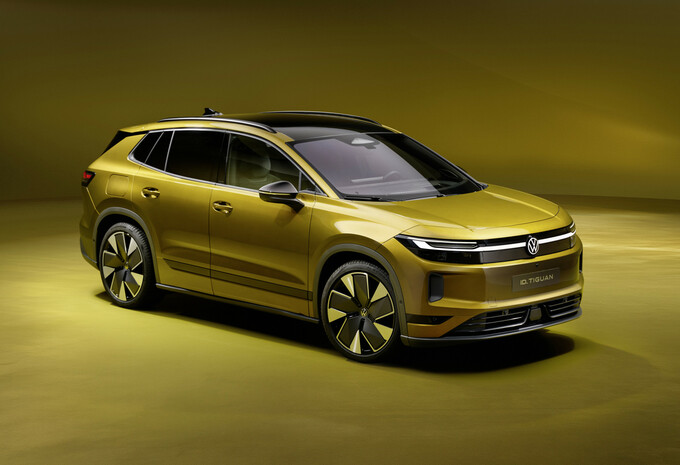
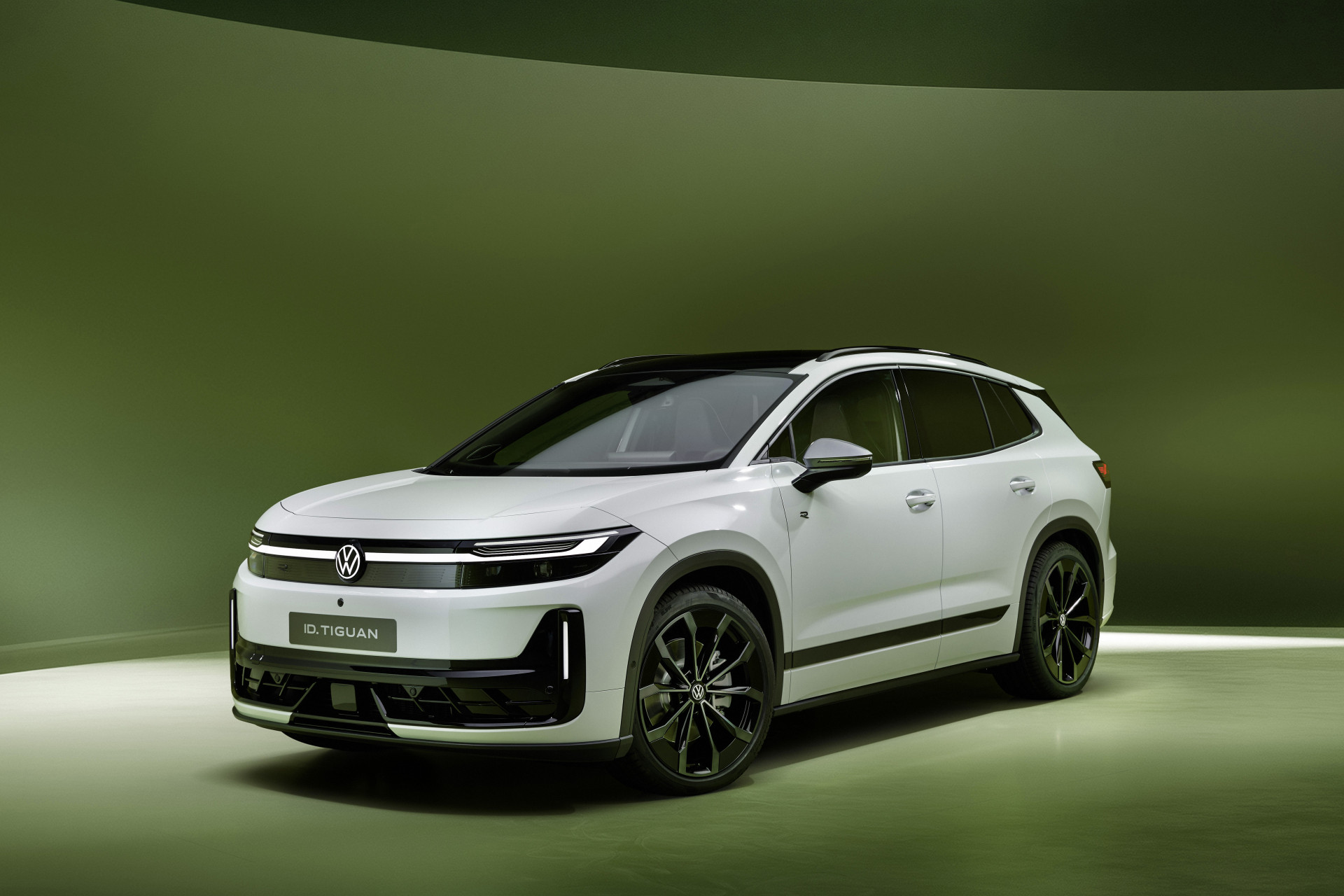
The decision to label the next-generation electric SUV as the "ID. Tiguan" is a calculated move by Wolfsburg. By phasing out the alphanumeric naming conventions of the ID.4 and ID.5, Volkswagen is signaling that it is no longer attempting to separate its electric vehicles into a siloed sub-brand. Instead, it is integrating its electric transition into its core portfolio.
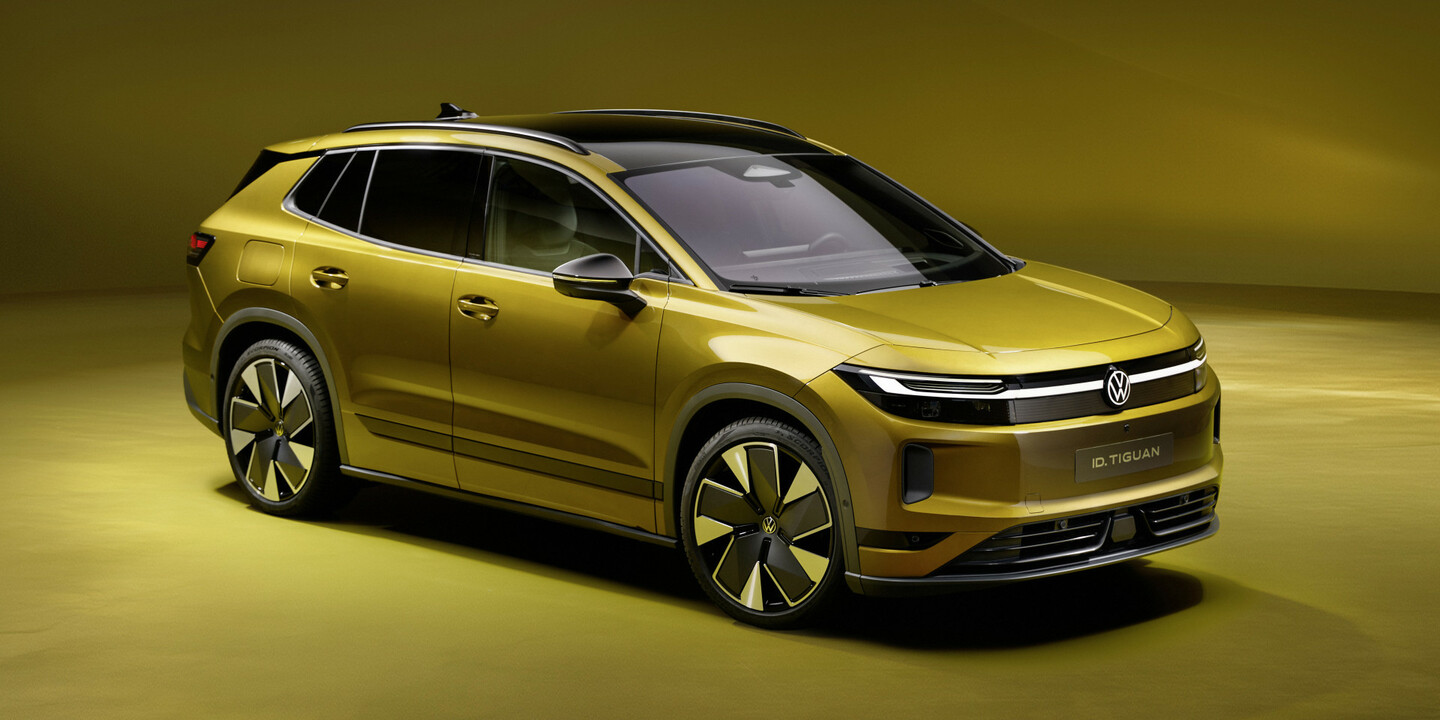
This strategy mirrors the company’s decision to name its upcoming compact city car the "ID. Polo" rather than the "ID.2." For the consumer, this creates clarity: the Tiguan is an institution, and by applying that name to an electric platform, Volkswagen is signaling that the electric transition is now the default for its flagship SUVs. While the traditional internal combustion engine (ICE) Tiguan will remain in the catalog for the time being, the ID. Tiguan is clearly positioned as its inevitable successor.
2. Chronology: The Road to the ID. Tiguan
The path to this launch was paved by years of feedback regarding the first generation of ID vehicles.
- 2020–2021: Volkswagen launches the ID.4, its first global modular electric SUV. While commercially successful, critics point to a lack of tactile engagement and a "detached" user experience compared to the iconic Golf and Tiguan models.
- 2023–2024: As the market for EVs begins to mature, Volkswagen acknowledges the need for better ergonomics and more intuitive cabin controls, responding to widespread criticism of its touch-sensitive slider interfaces.
- 2025: Development intensifies on the updated MEB platform, focusing on refining the driving dynamics and interior aesthetics to match the brand’s traditional strengths.
- October 2026: The official reveal of the ID. Tiguan prototype, confirming the shift in design language and the re-introduction of physical controls.
- 2027 (Scheduled): Full-scale market launch, marking the beginning of a unified "ID. Heritage" era for Volkswagen.
3. Supporting Data: Technical Specifications and Capabilities
Volkswagen has wisely chosen to evolve the proven MEB (Modular Electric Drive Matrix) platform rather than reinventing it, ensuring reliability while maximizing efficiency. The vehicle will launch in three distinct configurations, catering to different range and power requirements.
Battery and Charging Performance
At the heart of the ID. Tiguan are two battery options: 58 kWh and 77 kWh.
- Range: Depending on the configuration, the WLTP range will reach up to 600 km, placing it firmly at the top of its segment for daily usability.
- Charging: The vehicle retains a 400V architecture, prioritizing cost-efficiency and infrastructure compatibility. The 58 kWh model supports up to 105 kW DC fast charging (10–80% in 26 minutes), while the 77 kWh variants support up to 165 kW (10–80% in 29 minutes).
- AC Charging: A standard 11 kW onboard charger is provided for home and public AC stations.
- V2L Innovation: A significant addition is the Vehicle-to-Load (V2L) capability, allowing owners to power external electrical appliances directly from the car’s battery, transforming the SUV into a mobile power station for camping or emergency backup.
Physical Dimensions and Utility
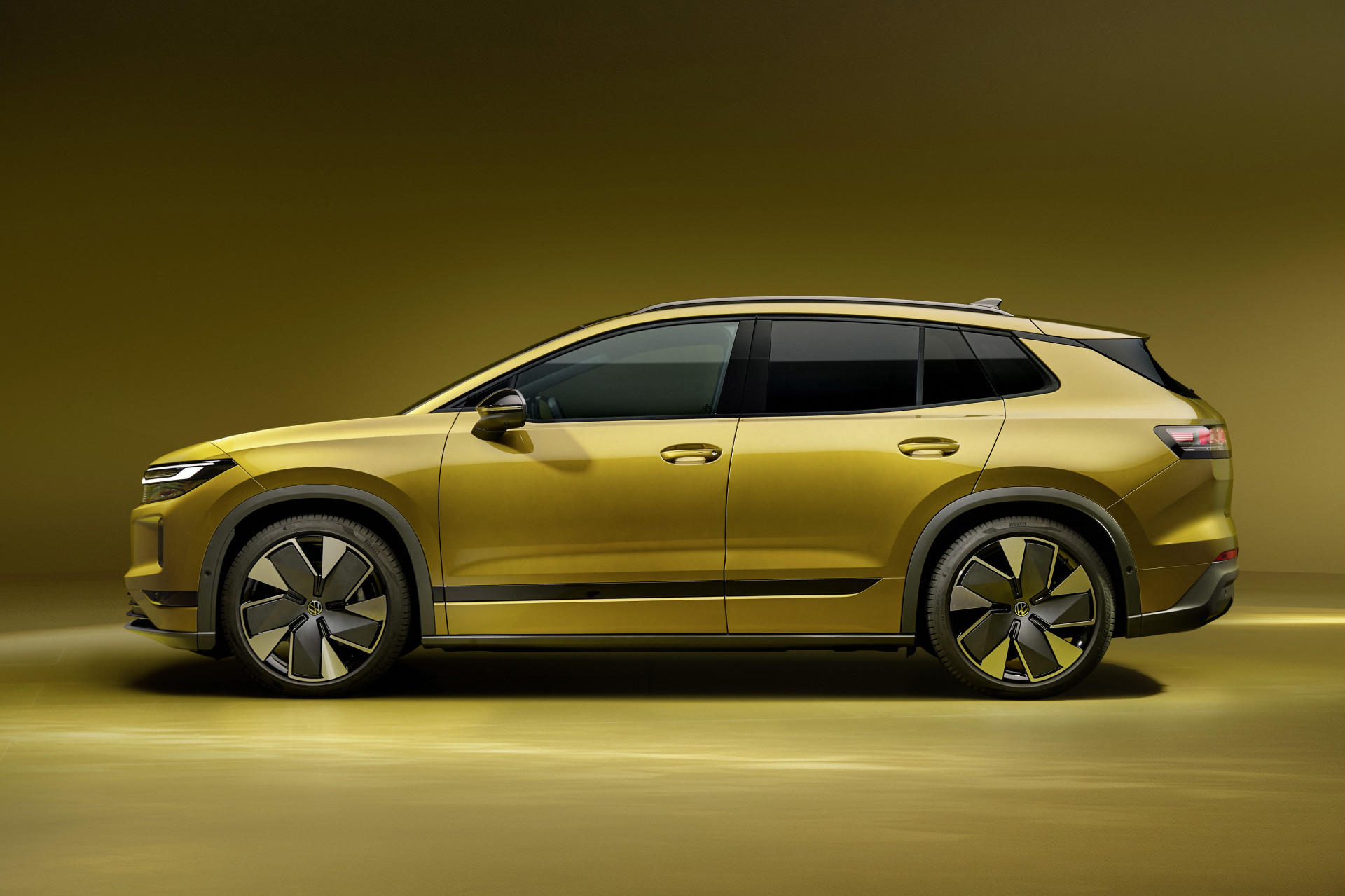
The ID. Tiguan is built on a 2.80-meter wheelbase with an overall length of 4.62 meters. This provides a spacious interior, complemented by a substantial 534-liter cargo capacity. When the rear seats are folded, this expands to 1,577 liters. A notable addition is the "frunk"—a front storage compartment specifically designed for charging cables, addressing a common pain point for EV owners. Furthermore, for those who use their SUV for work or leisure, the maximum towing capacity has been increased to 2,000 kg.
4. The Return of Ergonomics: Official Responses and Interior Design
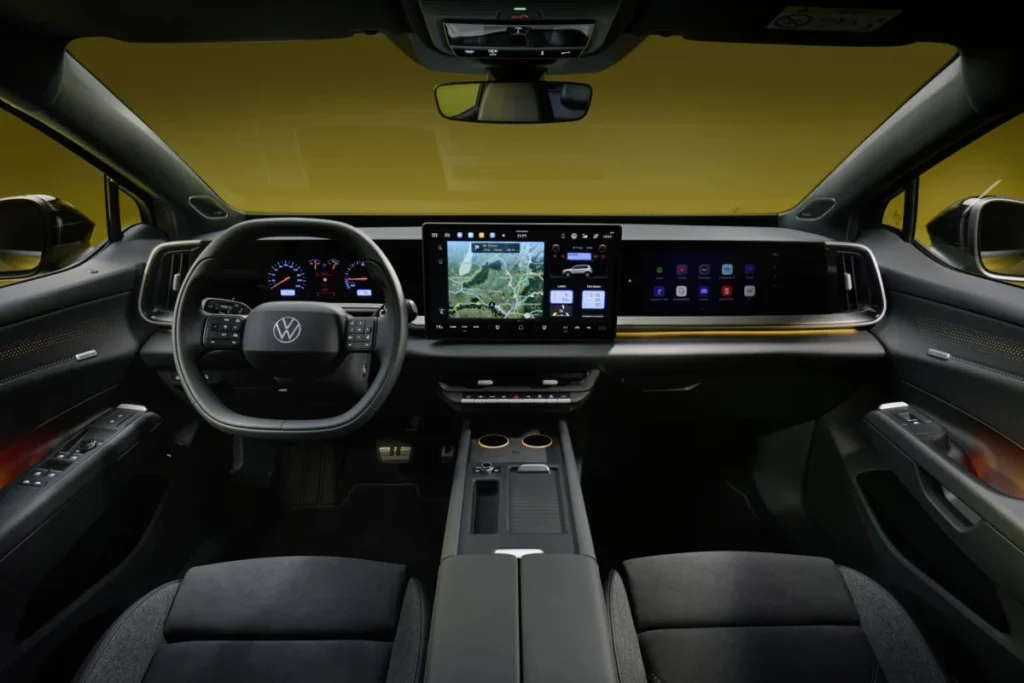
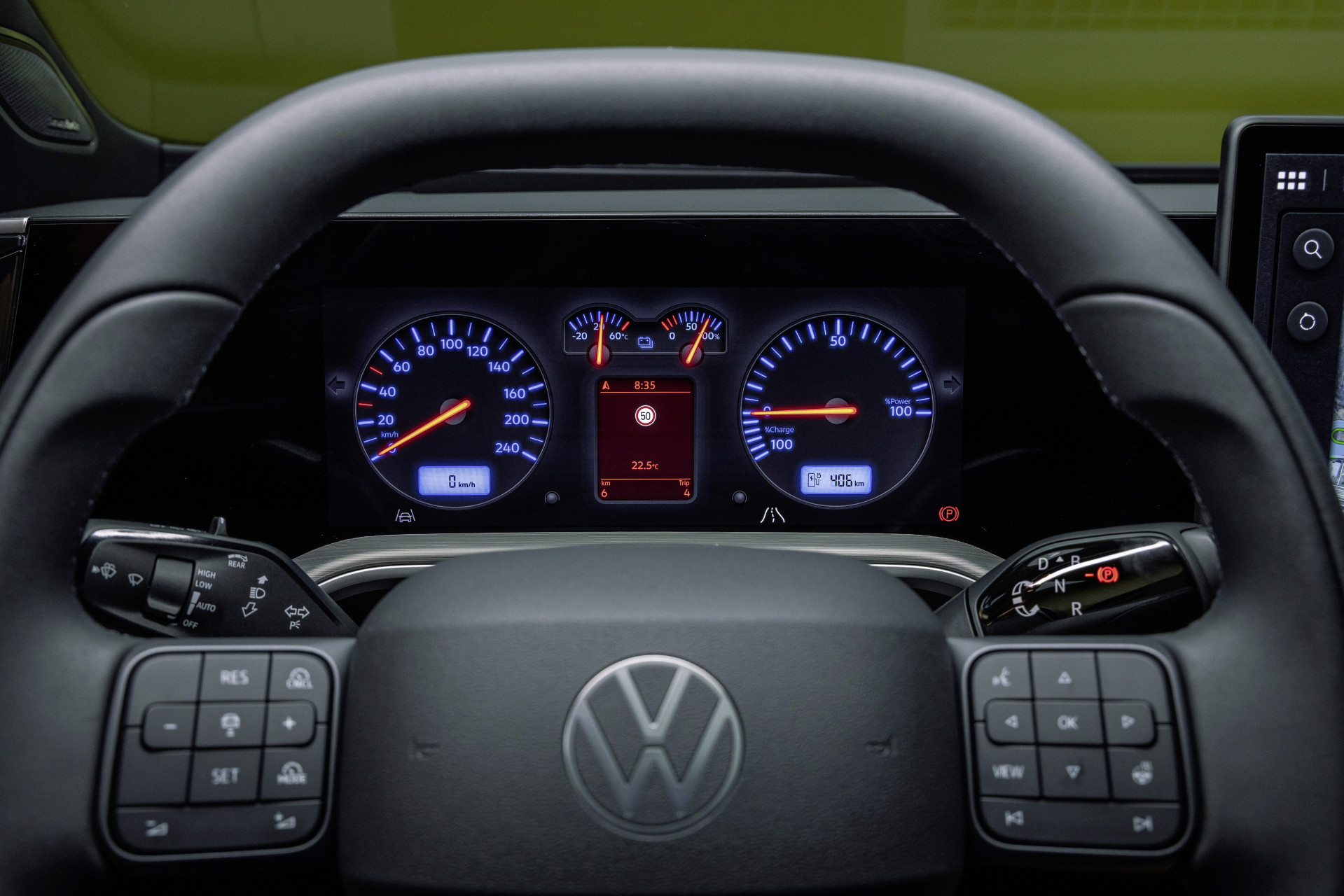
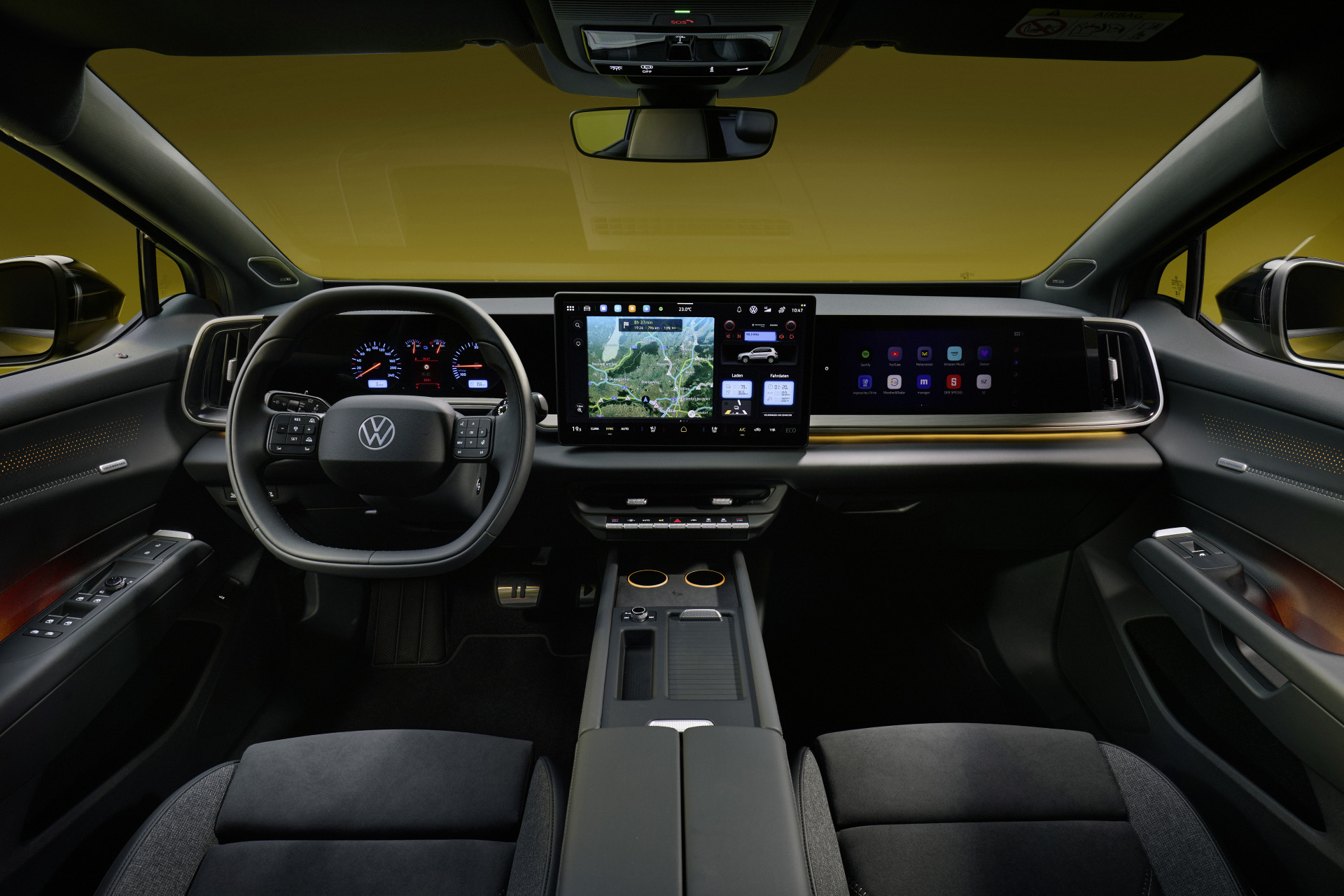
Perhaps the most significant news regarding the ID. Tiguan is the interior design philosophy. Volkswagen has heard the market’s cry for "real" controls. The new cabin features a horizontal dashboard layout, similar to the ID.3 Neo and ID. Polo, but with a critical difference: the re-introduction of physical buttons on both the steering wheel and the center console.
Retro-Modernism
Volkswagen is leaning into its history with a clever "Retro Display" mode. The digital instrumentation can be configured to mimic the classic aesthetics of the fourth-generation Golf, featuring the iconic red-and-blue illumination that defined an era of Volkswagen design. The central infotainment system also allows for digital skins honoring legendary vehicles like the Golf Country, the original Tiguan, and the Dakar-winning Race Touareg. This is not merely a gimmick; it is an attempt to foster an emotional connection between the driver and the machine—something many modern EVs have been criticized for lacking.
Cabin Technology
The dashboard supports up to three screens, including a dedicated passenger-side display. This feature allows front-seat passengers to manage navigation or media without distracting the driver, further enhancing the "family SUV" functionality of the vehicle.
5. Implications: A New Era for Volkswagen
The launch of the ID. Tiguan is a litmus test for the Volkswagen brand. By shifting from the "tech-first" design language of the early 2020s to a "customer-first" design language, the company is admitting that while software is the future, ergonomics remain the present.
Driving Dynamics
Initial prototype tests indicate that the ID. Tiguan feels more composed and refined than its predecessors. With an Audi Q4 e-tron-derived base, the ride quality is supple, and the noise, vibration, and harshness (NVH) levels have been significantly reduced. The inclusion of an effective "one-pedal" driving mode and the sophisticated Connected Travel Assist suite positions the ID. Tiguan as a leader in comfort and safety.
Market Position
The implications for the broader market are clear: the "EV gap" is closing. Volkswagen is no longer asking customers to adapt their lives to electric cars; it is building electric cars that adapt to the lives of people who have driven Tiguans, Golfs, and Passats for decades. By focusing on refinement rather than a technical revolution, Volkswagen is ensuring that the transition to electric propulsion is as seamless as possible.
Final Thoughts
The 2027 Volkswagen ID. Tiguan is a testament to the brand’s ability to listen and pivot. It sheds the cold, experimental identity of the early ID series and replaces it with the warmth of German engineering heritage. Whether it is the return of physical switches or the clever integration of historical design cues into the digital interface, the message is clear: Volkswagen is back, and it is electrifying the icons you already love.

As we look toward the production release in 2027, the ID. Tiguan stands as a landmark, proving that the future of mobility does not have to be an alien experience—it can be exactly what we expect from a Volkswagen: reliable, intuitive, and quintessentially practical.
