

Obtaining a driver’s license in France has long been synonymous with bureaucratic frustration, endless waiting lists, and a fragmented learning process. For students, young professionals, and anyone needing mobility to secure employment, the traditional route—which can often stretch over several months or even years—is no longer the only option.
As we move through 2026, the "permis accéléré" (accelerated license) has emerged as a professional, structured, and highly effective solution for those who cannot afford to wait. By consolidating the curriculum into intensive modules, these schools allow candidates to bypass the traditional bottlenecks of the French driving system. After conducting an extensive review of the market, analyzing thousands of candidate experiences, and field-testing the pedagogical models of major providers, we have compiled the definitive guide to the top accelerated driving schools in France.
The Evolution of the Accelerated License: Main Facts
The shift toward intensive learning is not merely a trend; it is a response to the modernization of the French driving sector. Historically, driving schools operated on a model of weekly one-hour lessons, which often led to a loss of momentum and a "forgetting curve" that forced students to spend more money on remedial hours.
The accelerated model changes this dynamic by condensing the mandatory 20 hours of driving (or 13 hours for automatic vehicles) into a short, high-impact period of two to three weeks. Key facts about this industry in 2026 include:
- Time Efficiency: Most intensive courses are completed within 7 to 15 days.
- Exam Readiness: Top-tier schools now provide "guaranteed exam dates," a crucial feature that prevents the typical post-training waiting period of several months.
- Digital Integration: Online platforms now handle the theoretical component (Code de la Route), allowing students to prepare for the test before they ever step into a car.
Chronology: A Typical Journey in an Intensive Program
For a candidate embarking on a 15-day accelerated program, the timeline is highly structured to ensure peak cognitive retention and skill mastery:
- Phase 1 (Days 1-3): Foundation. The candidate focuses on the theoretical code test (if not already passed) and initial vehicle handling in a simulator or quiet environment.
- Phase 2 (Days 4-10): Intensive Practical Training. Candidates spend 3 to 5 hours per day behind the wheel with a dedicated instructor. This high frequency allows for rapid muscle memory development and exposure to varied traffic conditions.
- Phase 3 (Days 11-13): The Mock Exam. Instructors simulate the official driving test conditions to identify remaining weaknesses and build candidate confidence.
- Phase 4 (Days 14-15): The Examination. The student takes the official practical exam, often scheduled immediately following the training, leveraging the peak of their skill level.
Comparative Analysis of Industry Leaders
| Auto-école | Specialization | Exam Guarantee | CPF Eligible | Scope |
|---|---|---|---|---|
| La Navette | 2-week intensive | 3-10 days post-stage | Yes | National |
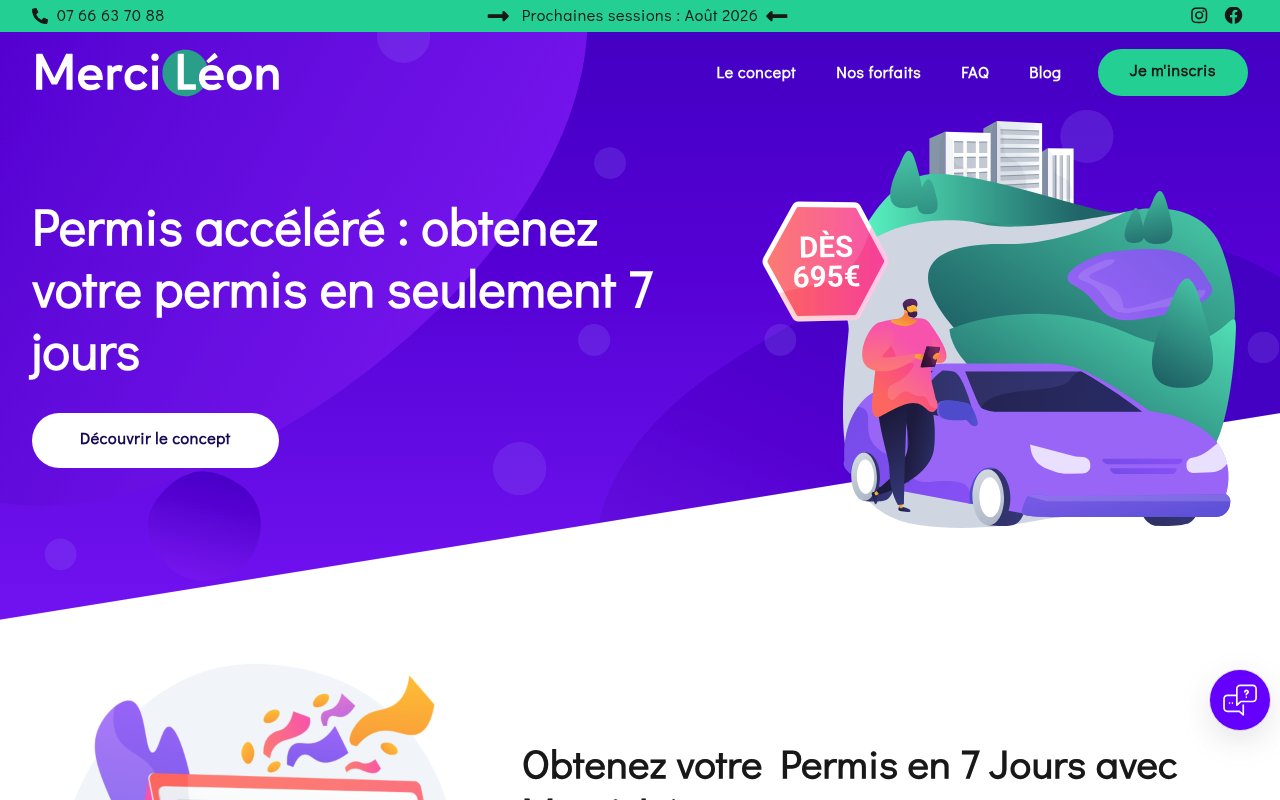
| Merci Léon | Provincial intensive | Under 15 days | To verify | National |
| École de Conduite Aligre | Paris-specific | Upon inquiry | To verify | Paris 12e |
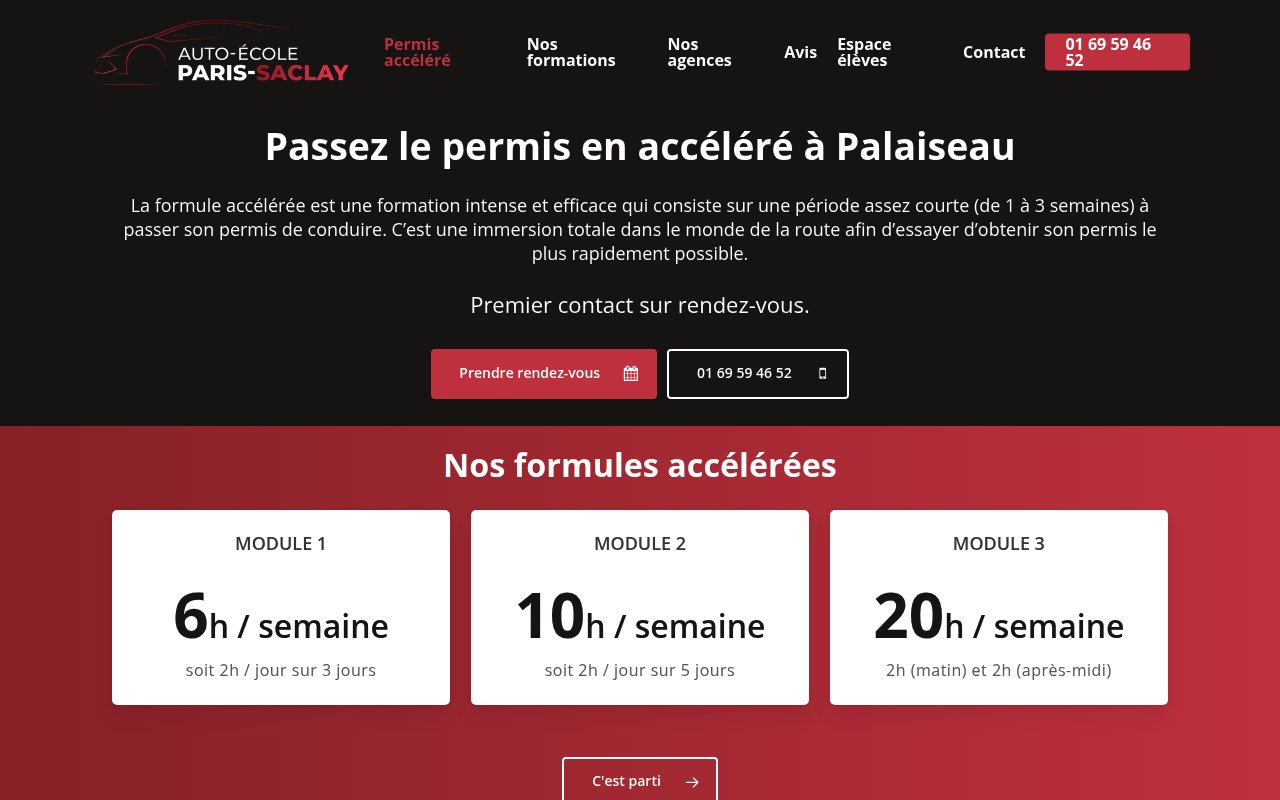
| Paris-Saclay | 1-3 week intensive | Upon inquiry | To verify | Regional |
| Paris Batignolles | Guaranteed date | At enrollment | To verify | Île-de-France |
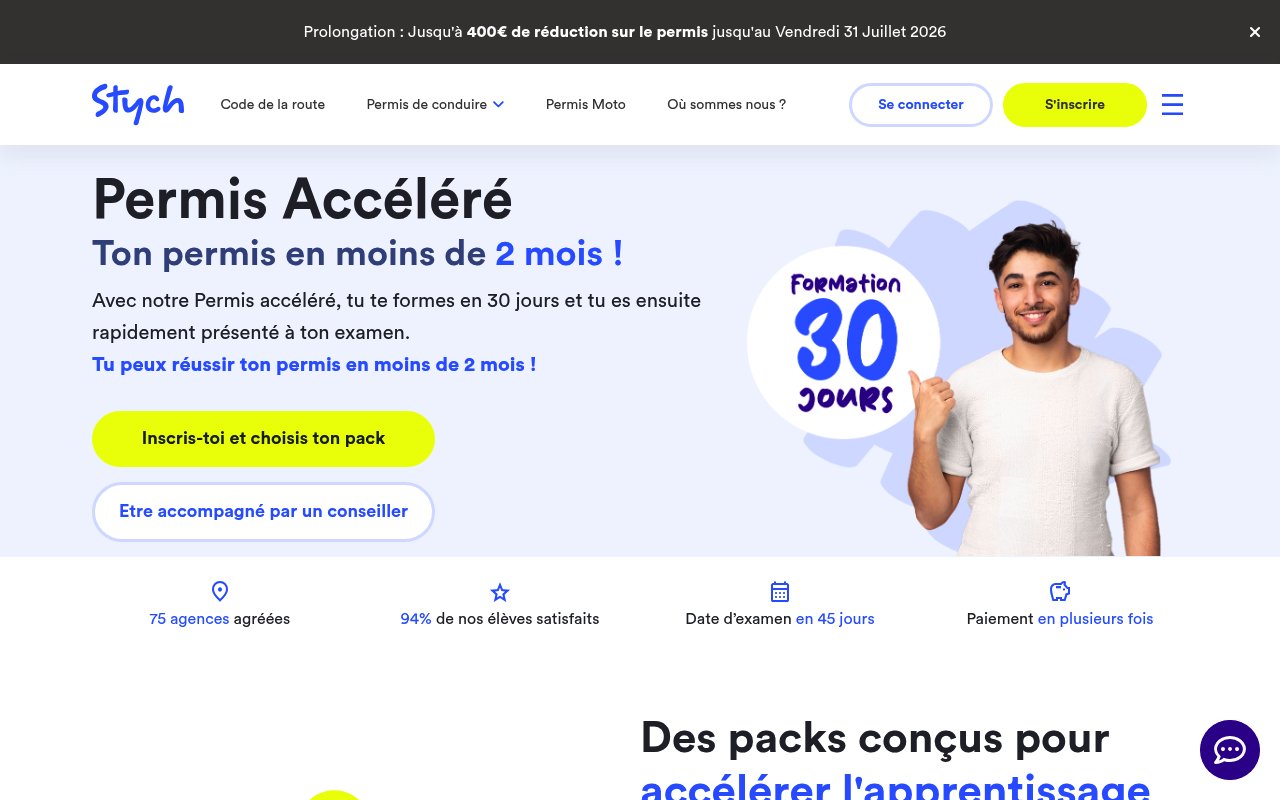
| Stych | Online/Hybrid | Rapid scheduling | Yes | National |
| Ornikar | Digital-first | Under 10 days | Yes | National |
| ECF | Network-based | Upon inquiry | Yes | National |
Spotlight on Top Performers
1. La Navette: The Gold Standard for Efficiency
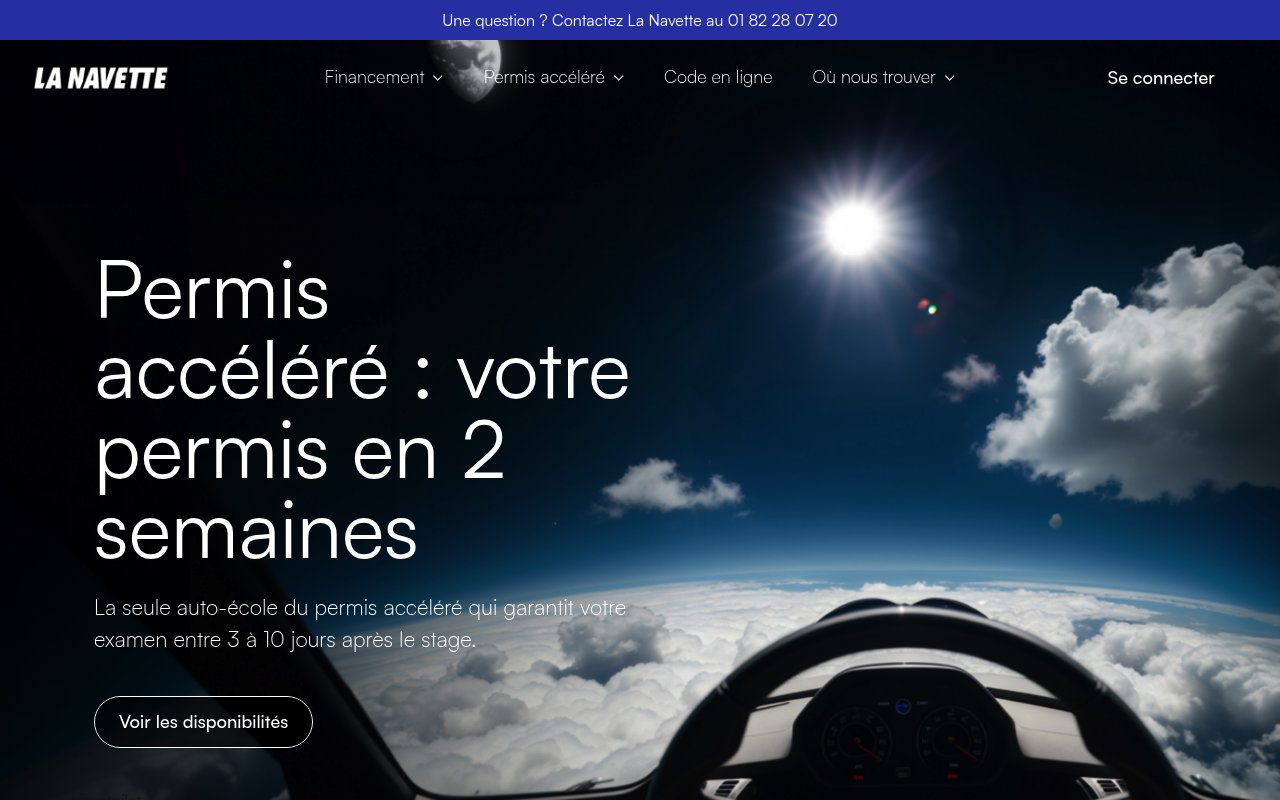
Founded in 2019, La Navette has set the benchmark for the intensive industry. By pairing each student with a dedicated instructor for the duration of the 10-day stage, they eliminate the communication gaps common in larger, rotating-staff schools. Their transparent promise—a test date within 10 days of completion—provides the security that most candidates crave. Their eligibility for the Compte Personnel de Formation (CPF) and flexible 10-month payment plans make them the most accessible premium option.
2. Stych and Ornikar: The Digital Revolution
These two giants have democratized the accelerated license. By utilizing sophisticated apps for code revision and vast networks of partner instructors, they offer unparalleled flexibility. For the modern candidate who needs to balance work or studies with their license, the hybrid "online-to-road" model is ideal.
3. ECF: The Reliability of Tradition
For those who prefer a traditional, brick-and-mortar institution, the ECF network remains a pillar of reliability. While their intensive courses are slightly more traditional in methodology, the peace of mind offered by their long-standing physical presence across the country remains unmatched for many parents and students.
Supporting Data and Pedagogical Implications
The success of accelerated programs is rooted in the psychological principle of "distributed vs. massed practice." Research suggests that for motor skills—such as operating a vehicle—intensive, consecutive practice leads to faster neural pathway formation than spread-out, low-frequency practice.

However, this requires a specific pedagogical approach. Schools like La Navette succeed because their instructors are trained specifically for the "intensive" profile, moving beyond basic maneuvers to focus on hazard perception and decision-making under pressure. This is a critical distinction: an accelerated program is not a "rushed" program; it is a "concentrated" one.
Official Responses and Regulatory Oversight
The French Ministry of Transport and the Délégation à la Sécurité Routière have recently tightened oversight on driving schools to ensure that "accelerated" does not translate to "safety-compromised."
Official guidelines stipulate that:
- Driving schools must maintain a pedagogical file for each student, regardless of the speed of the course.
- Exam dates are allocated by the prefecture; therefore, any school claiming to "guarantee" a date must have a verified contractual relationship with local examiners or a consistent history of slot allocation.
- The use of the CPF (state-funded training account) is strictly regulated, ensuring that only certified schools can offer these programs.
Implications for the Future of Mobility
The rise of these programs carries significant social implications. By shortening the time-to-license, these schools are effectively increasing the labor market mobility of young adults. A candidate who can secure a license in two weeks can accept a job offer that requires driving, whereas a candidate stuck in a six-month backlog might miss that opportunity.
Furthermore, the integration of digital tools (Ornikar/Stych) is pressuring traditional schools to upgrade their systems. We are moving toward a "just-in-time" model of education where the administrative friction of the license is removed, allowing the focus to remain solely on safety and proficiency.
Avoiding Common Pitfalls: A Buyer’s Guide
The rapid growth of the market has, unfortunately, attracted some less-than-scrupulous operators. When evaluating a school, be wary of:
- The "Empty Promise" Exam Date: If a school claims they can guarantee an exam date but refuses to put it in writing or provide a contract, walk away.
- Hidden Costs: Always request an itemized quote that includes the "frais d’accompagnement" (accompanying fees for the test) and potential retake costs.
- Monitory Fatigue: Ensure the school does not force you to drive for 8 hours a day, which is counter-productive to learning. A healthy intensive program is typically capped at 4-5 hours of active driving.
Conclusion: Making the Right Choice
In 2026, the power lies with the consumer. Whether you choose a high-tech platform like Ornikar for its convenience, or a specialist like La Navette for its personalized, intensive structure, your priority should be transparency and pedagogical quality.
Do not settle for a vague timeline. Demand clear contractual terms regarding your test date, verify the school’s standing with the prefecture, and ensure the instructor-to-student ratio supports your individual learning style. The accelerated license is a transformative tool for your personal and professional future—invest in it wisely, choose a provider that values your time as much as your safety, and take the wheel with confidence.
