

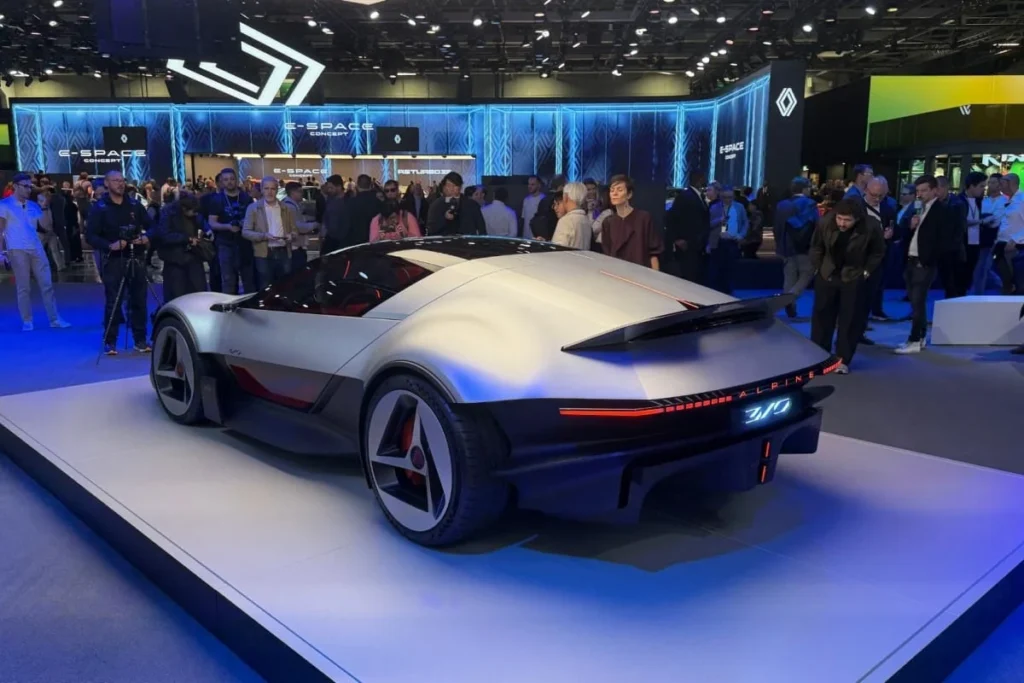
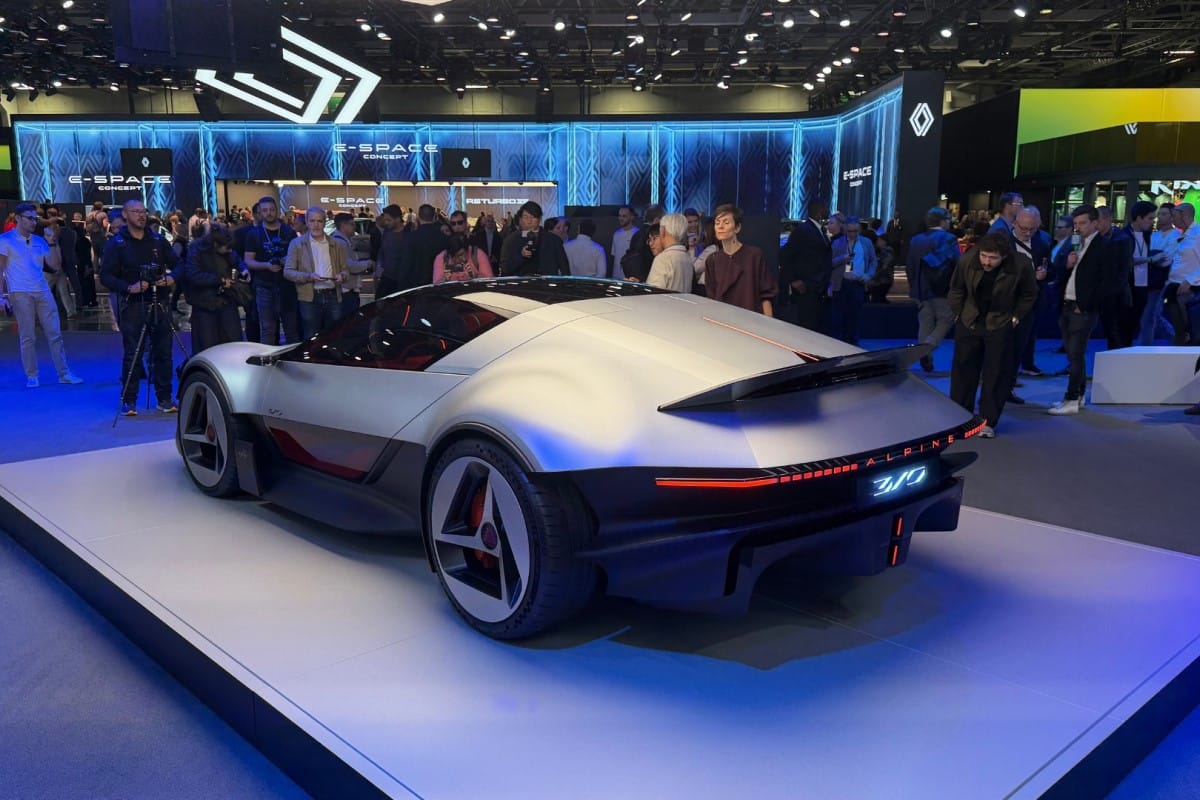
At the Mondial de l’Auto, Alpine dropped a visual bombshell: the A310 Vision. Devoid of a declared powertrain, a price tag, a production timeline, or even a confirmed commercial intent, it is arguably the ultimate contemporary concept car—one engineered entirely to captivate enthusiasts without risking the disappointment of broken delivery promises.
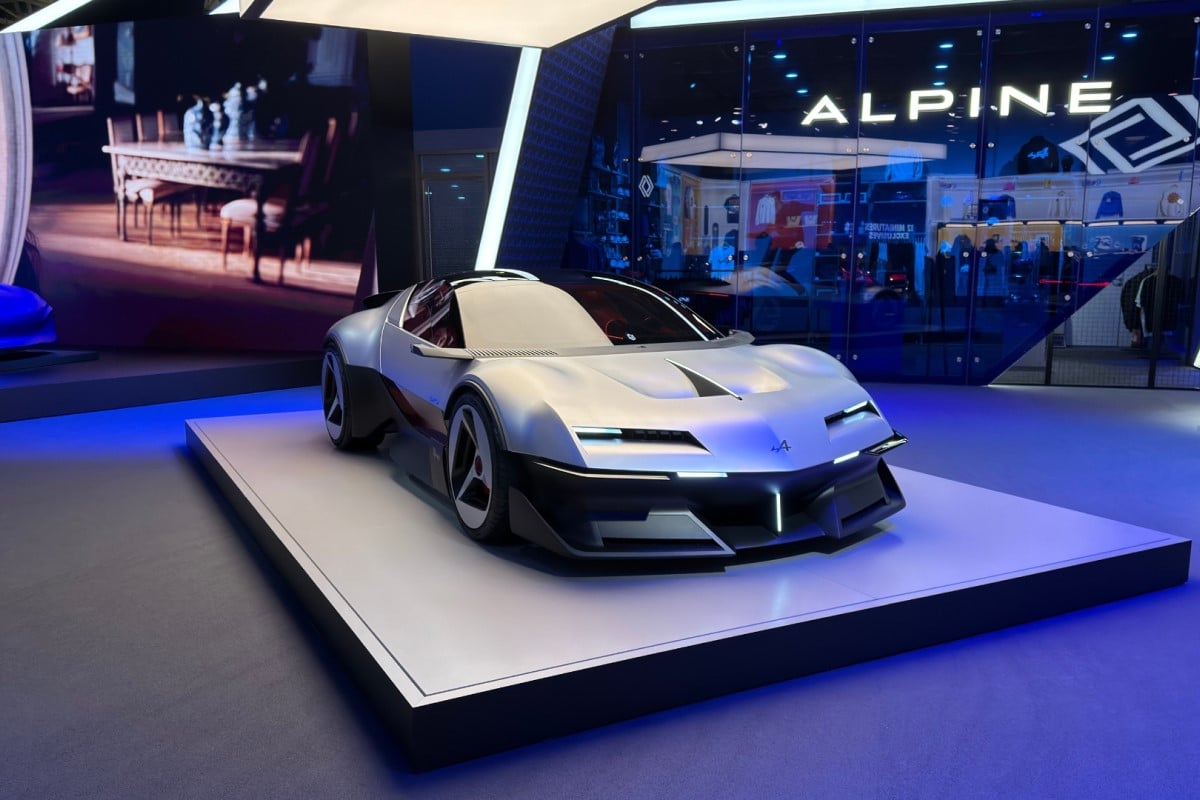
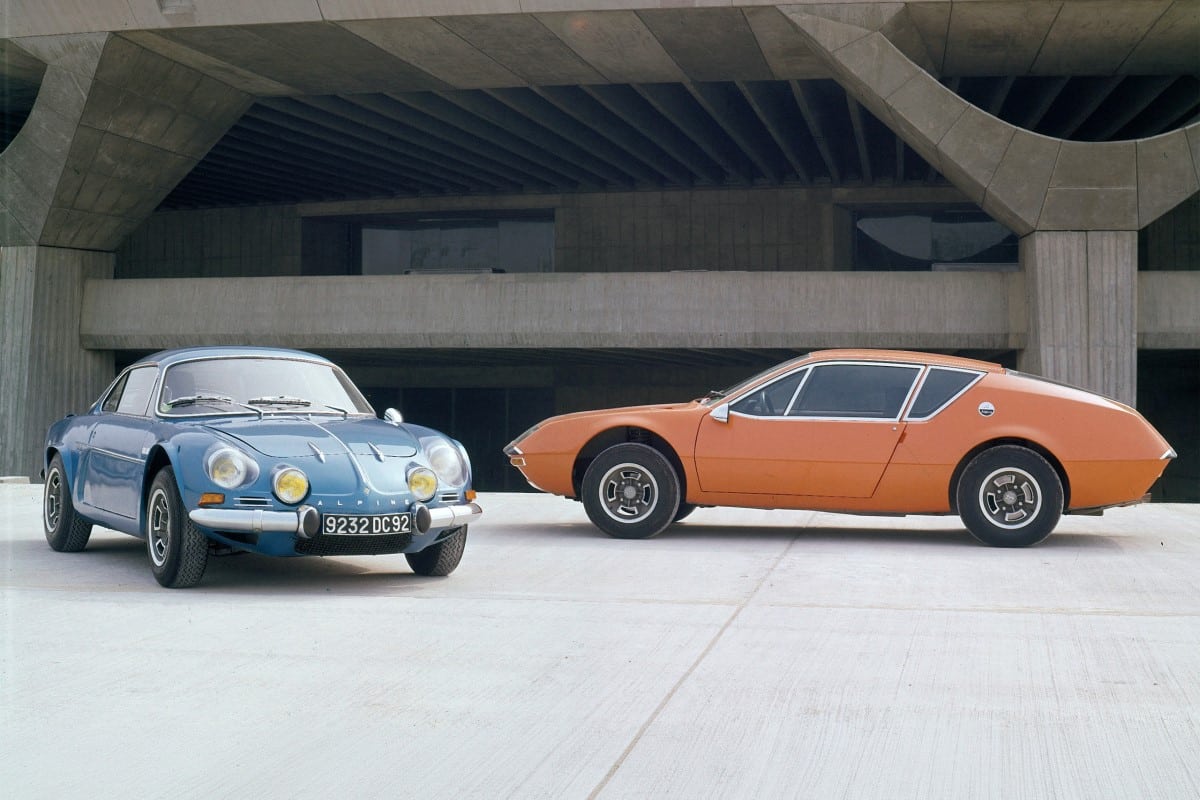
Unveiled on October 12, the A310 Vision pays homage to two distinct milestones in the brand’s storied heritage: the 55th anniversary of the four-cylinder A310 and the 50th anniversary of its V6 successor. Yet, rather than relying on lazy retro-copying, Alpine’s design team sought to reinterpret the core philosophy of a 1971 coupe. As the brand succinctly puts it, "This is not nostalgia." It was a bold creative gamble, and Alpine fully committed to the execution.
Main Facts: Sculpted for the Future, Rooted in the Past
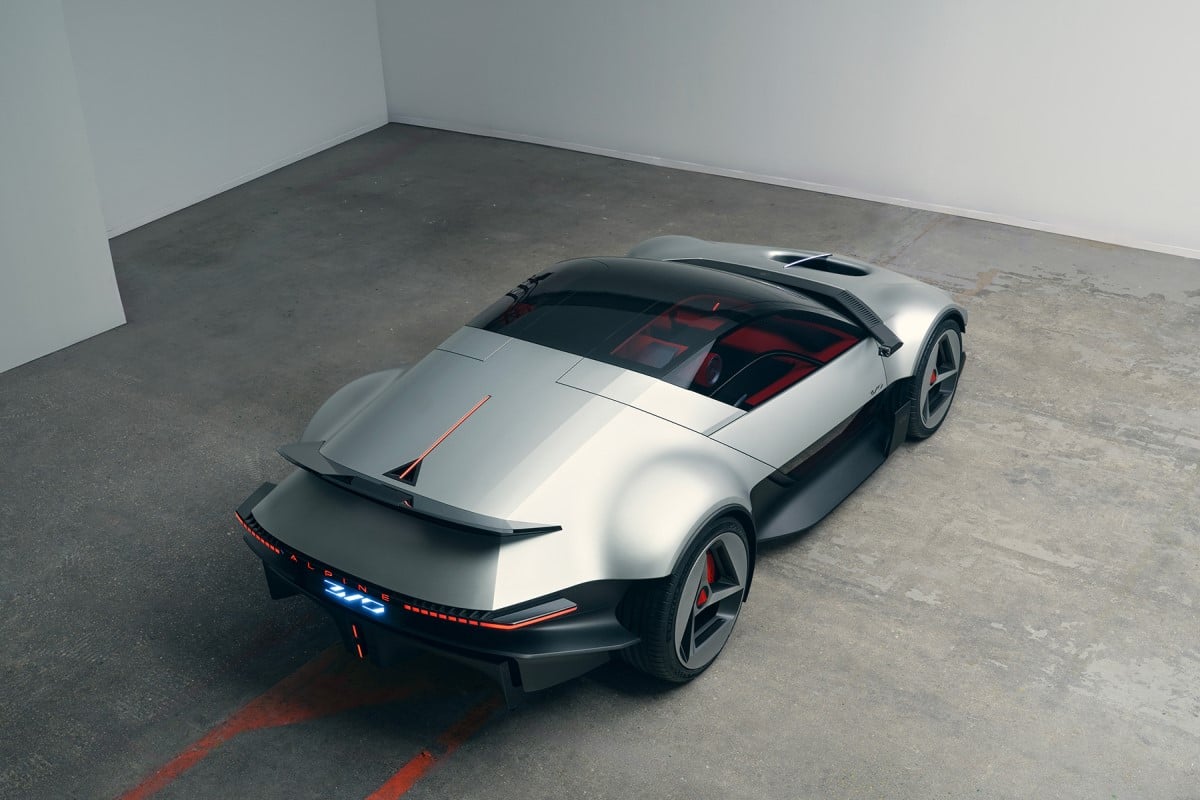
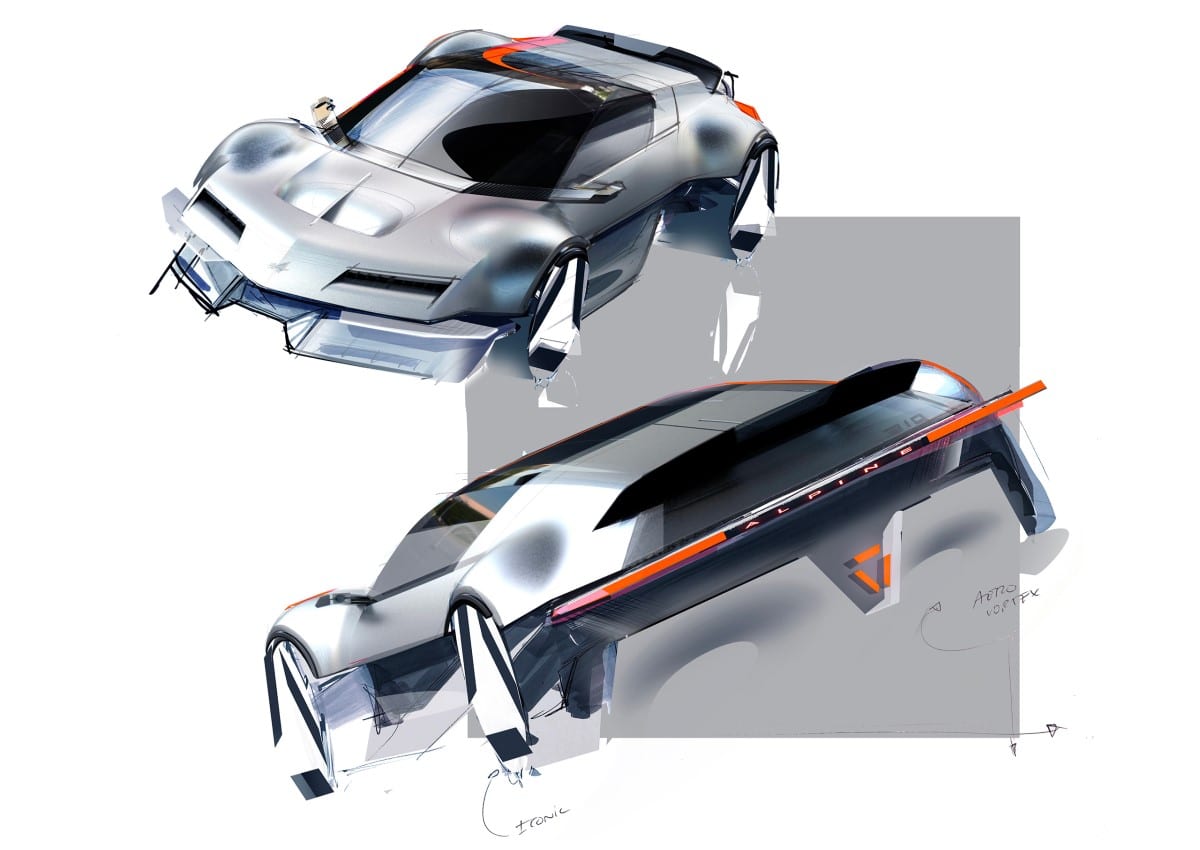
To capture the true essence of the classic A310, Alpine’s design studio took a remarkably analog approach: they parked an actual vintage model inside the studio as a living, breathing reference point and sketched by hand. The resulting silhouette merges the purity of the four-cylinder original with the aggressive, muscular stance of the later V6 models and their flared wheel arches. If the classic A310 lived in a yoga studio, this new concept has hit the CrossFit gym.
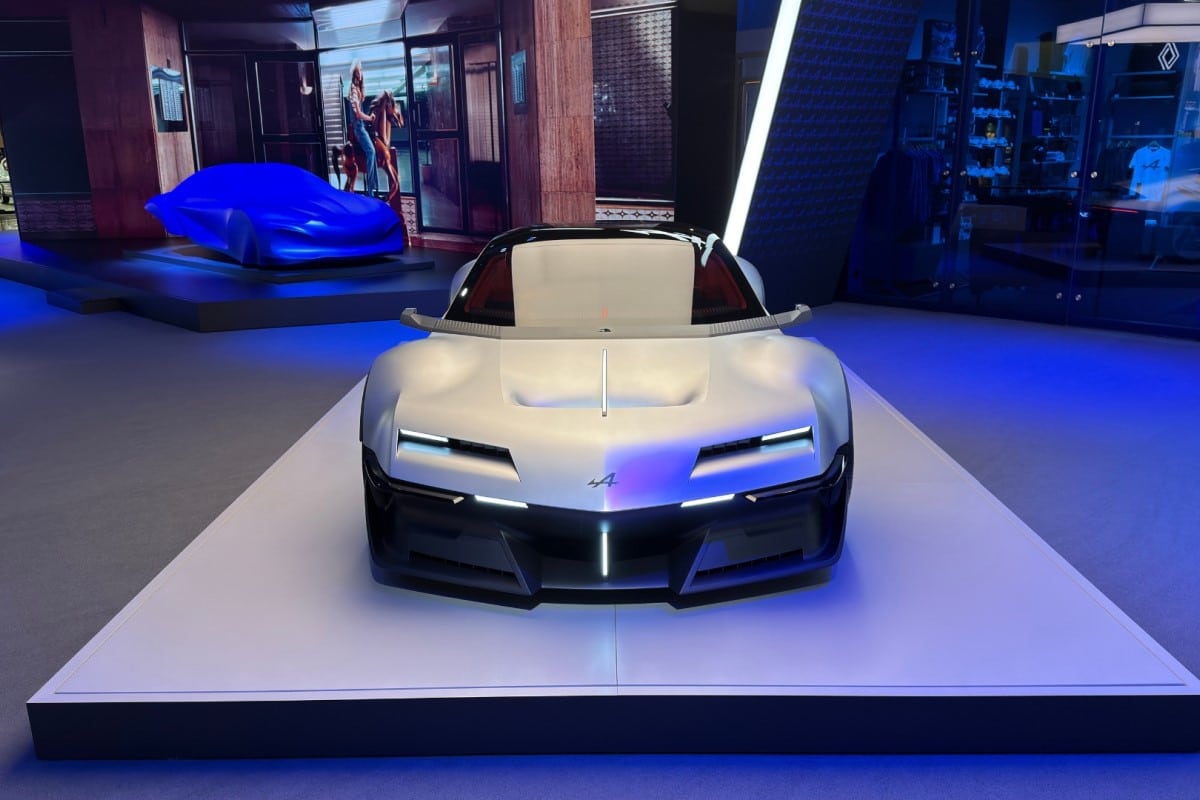
The dimensions dictate the proportions of a focused, uncompromising grand tourer:
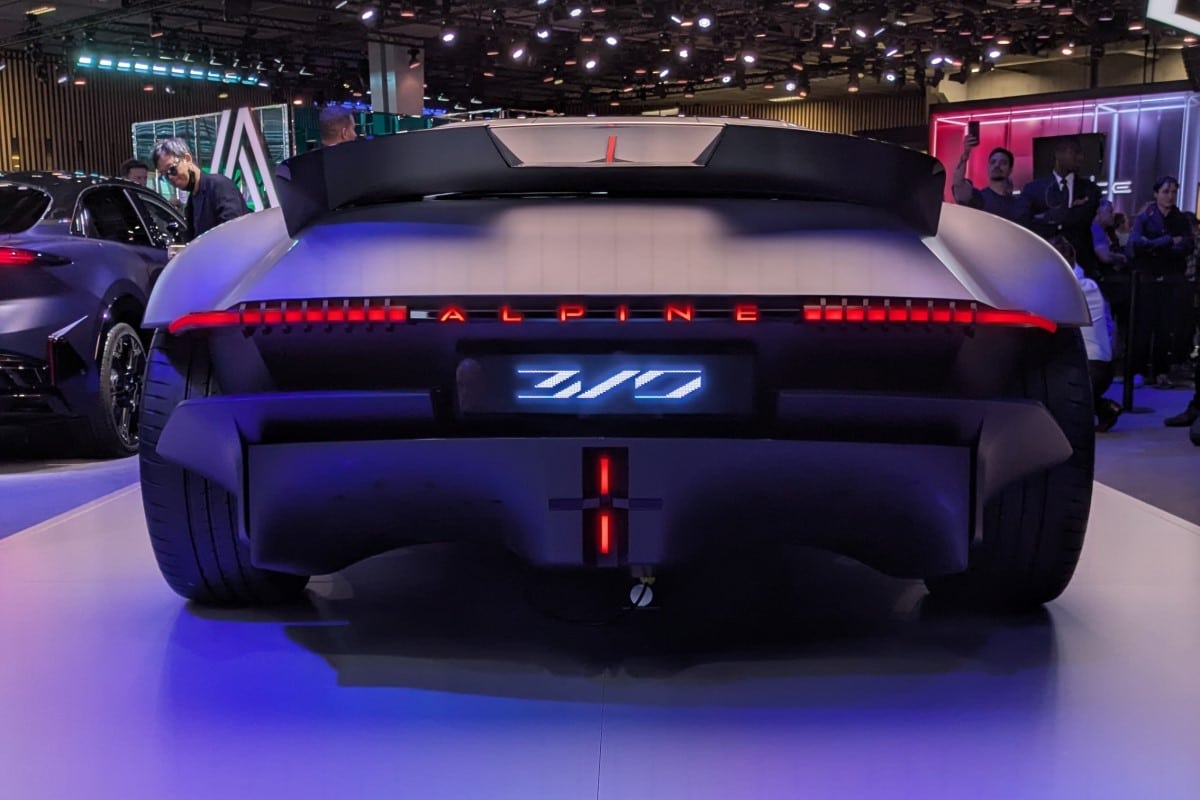
- Length: 4.55 meters
- Height: 1.18 meters
- Rear Width: 2.03 meters
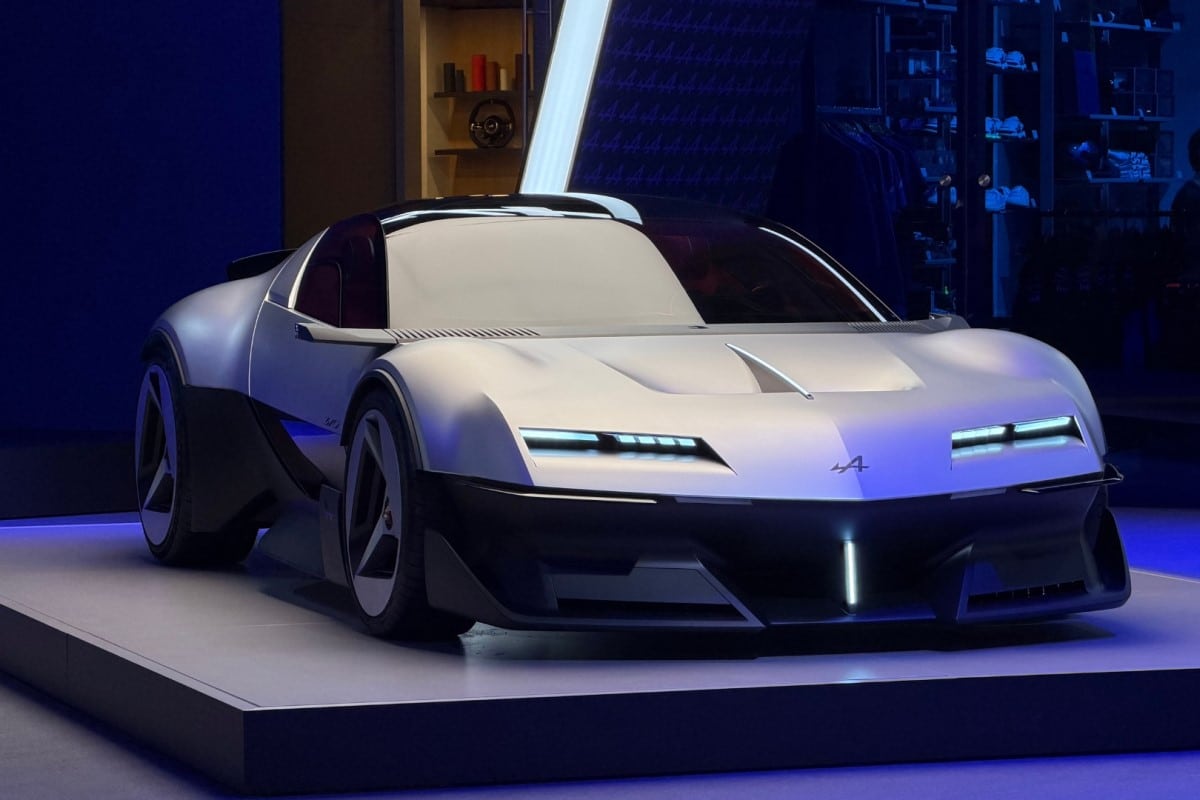
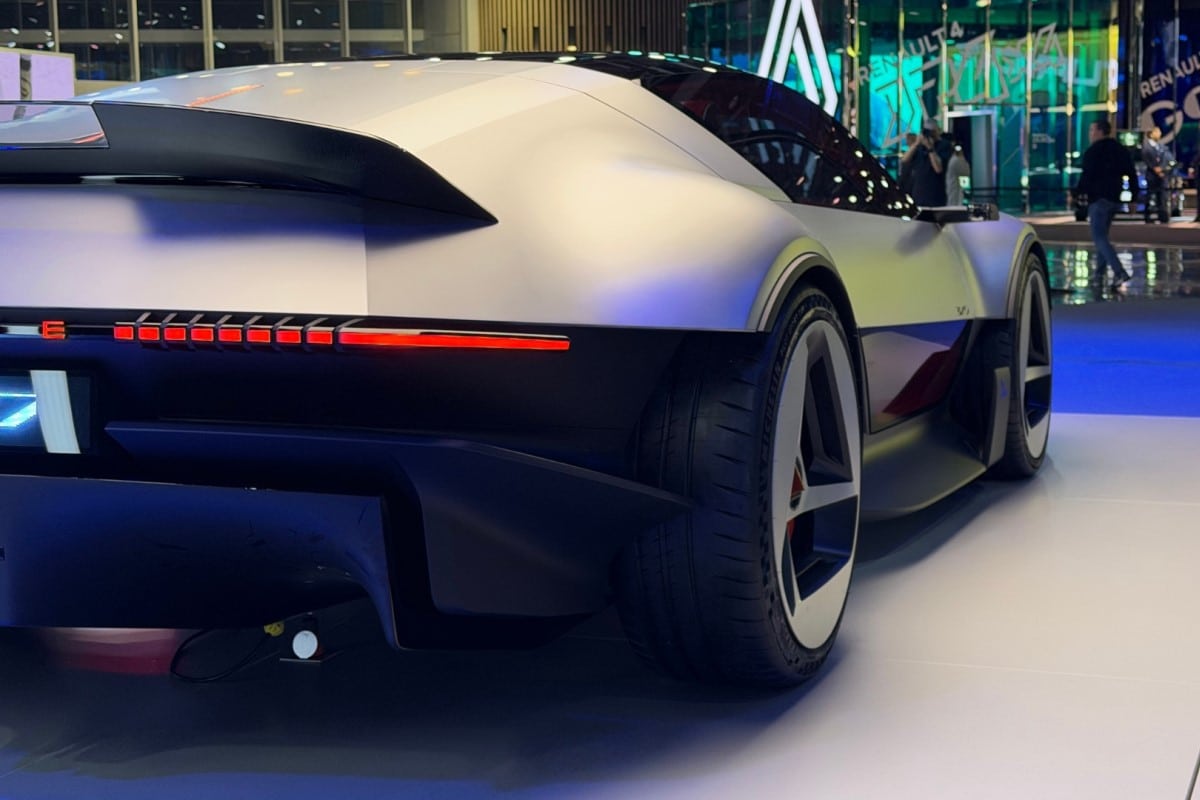
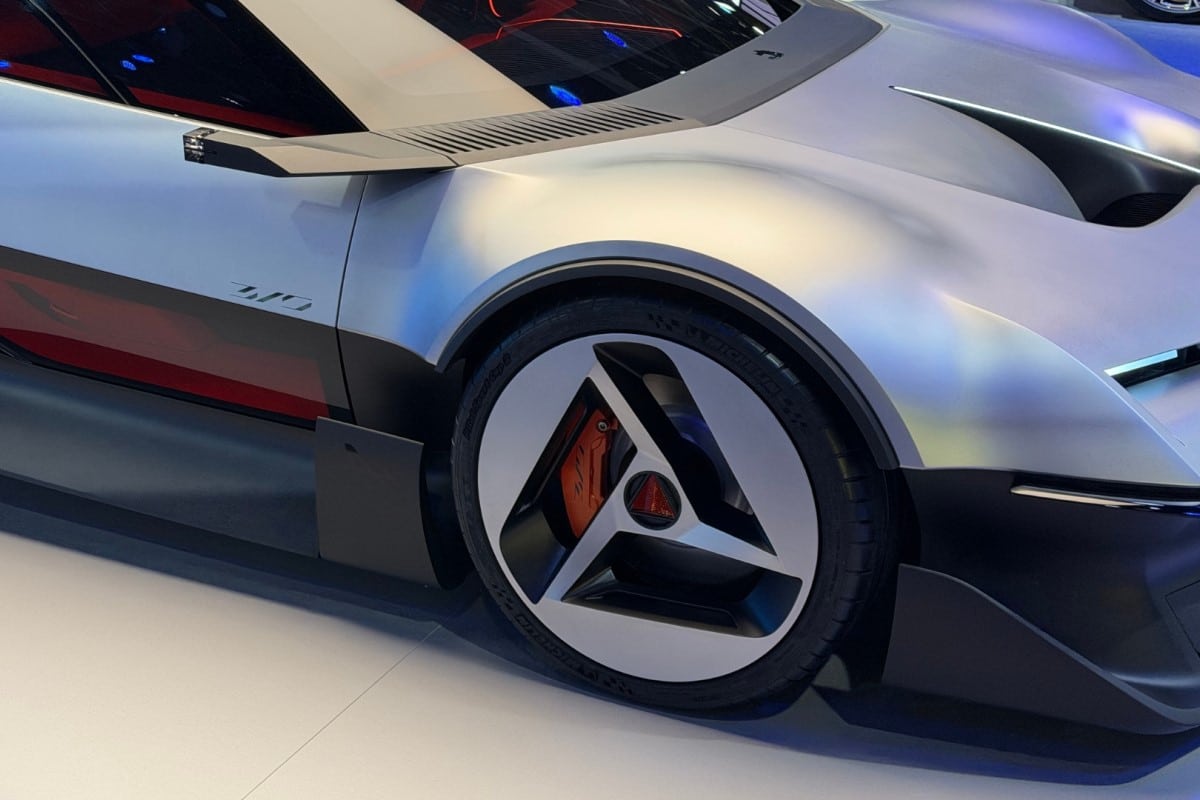
In short, it is a machine one slides into with deliberate effort and exits while catching one’s breath. The bodywork is meticulously fashioned from aluminum, complemented by a Formula 1-inspired black lower splitter and a semi-transparent bubble canopy over the cockpit that evokes a science-fiction spacecraft. The wheels are shaped explicitly into the letter “A” for Alpine—a touch of branding that certainly kept the marketing department entertained.
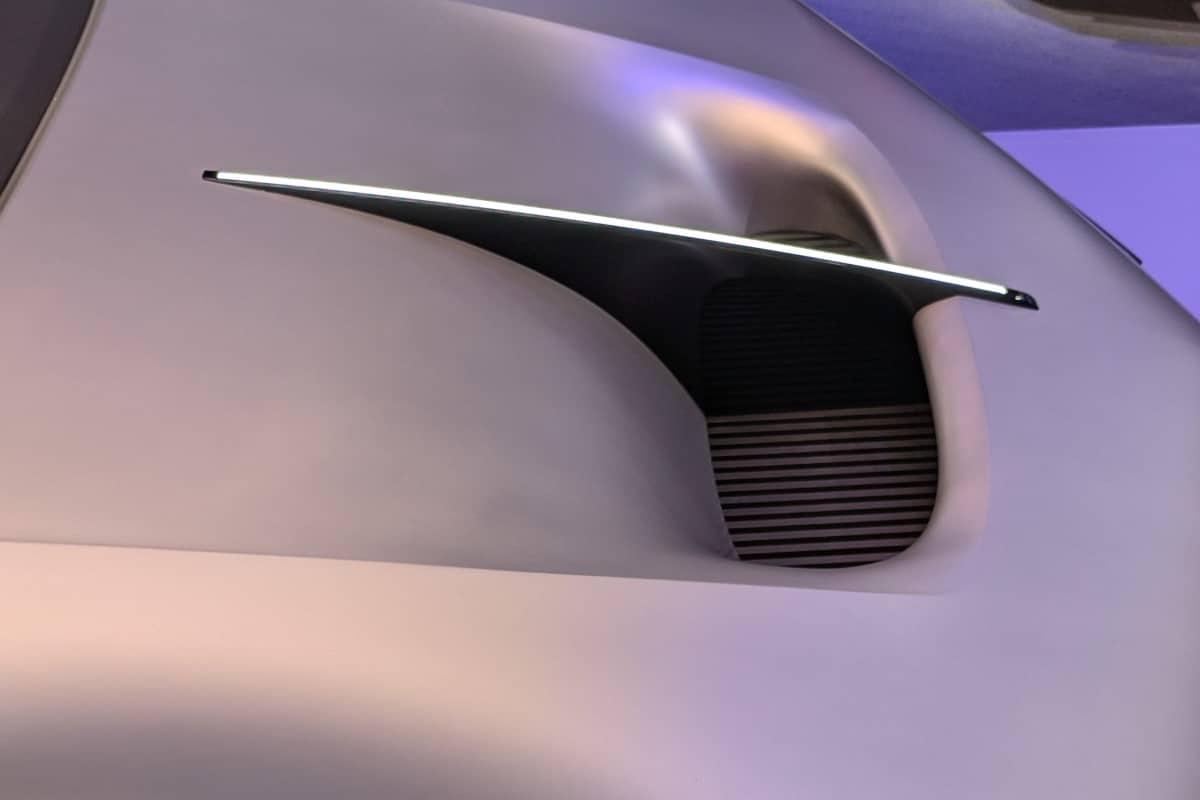
The fine details are equally captivating:
- Pop-down headlights that reveal themselves dynamically upon startup.
- A functional S-duct integrated into the front hood.
- A aerodynamic "Y-zero" blade running aggressively toward the tail.
- Blade-shaped rear lights that actively contribute to aerodynamic downforce.
- Lower door glass panels reminiscent of high-end hypercars, emphasizing its exotic posture.
Remarkably, Alpine claims the entire concept was brought from initial sketch to physical reality in just three months—the equivalent of the time some legacy automakers spend deciding on the color of a turn-signal stalk.
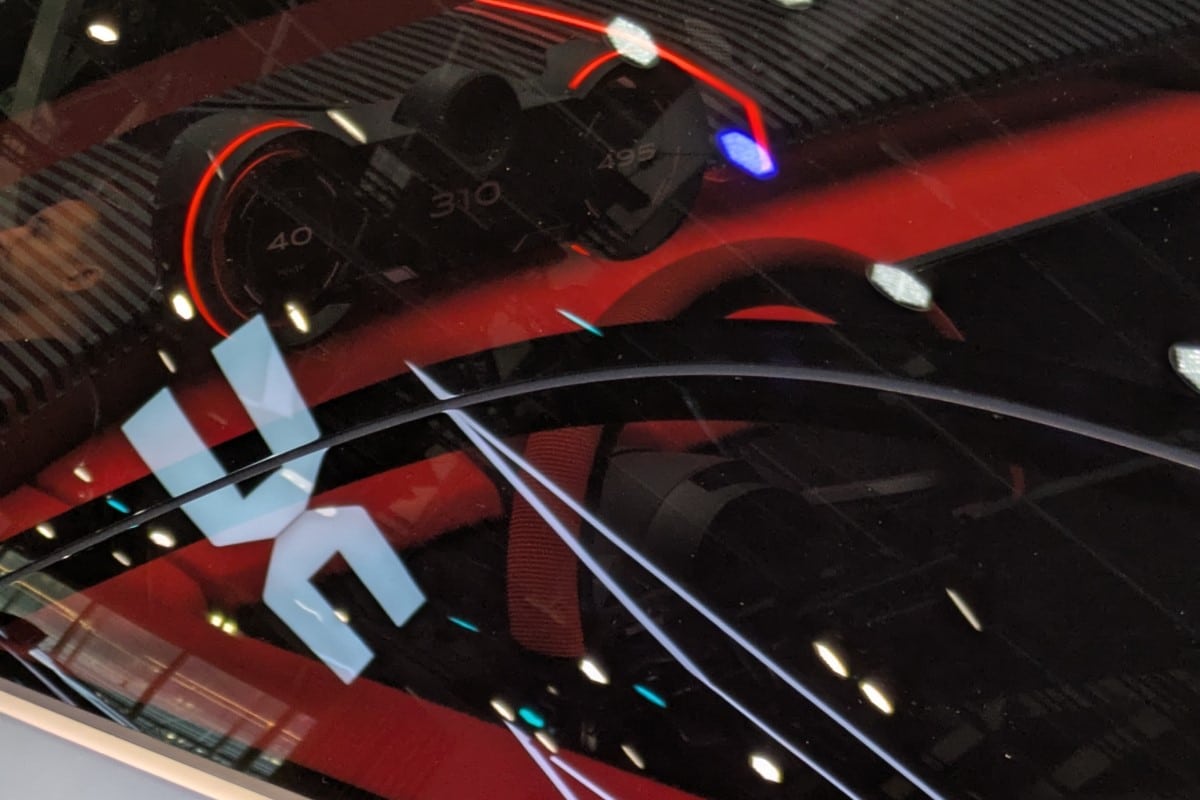
Inside, the cabin breaks away from modern minimalism by featuring organic seats, bold splashes of solid color, and physical controls inspired by high-end high-fidelity (Hi-Fi) audio equipment. Real buttons—a rarity in modern automotive design that feels almost worthy of historical preservation. Unlike the original 2+2 layout, the A310 Vision is a strict two-seater, meaning the extended family is left firmly on the platform.
Chronology: The Evolution of Alpine’s Modern Era
To fully contextualize the arrival of the A310 Vision, one must trace the rapid-fire developments of Alpine’s product strategy over recent years:
- 2024: Industry expectations mount regarding a planned 2+2 production coupe dubbed the A310, slated for a potential 2028 market launch to serve as a spiritual 911-rival to the A110.
- Spring 2026: Renault Group unveils its "FutuREady" strategic plan, introducing the dedicated APP (Alpine Performance Platform), a versatile architecture designed to accommodate pure electric, hybrid, and even internal combustion options.
- July 2026: An early prototype mule of the upcoming electric berlinette, named the A110 Future, hits the dynamic hillclimb at the Goodwood Festival of Speed.
- October 2026 (Mondial de l’Auto): Alpine publicly exhibits the A310 Vision concept car. Simultaneously, the production-bound electric A110 is displayed as a concealed, Concorde-inspired draped sculpture, highlighting a stark contrast between a smooth, whispered berlinette and a screaming, hard-edged coupe.
Supporting Data: The Pillars of Alpine’s Strategy
Alpine’s contemporary business model relies on a carefully balanced three-pillar approach: high-volume daily drivers to pay the bills, halo icons to drive brand equity, and ultra-exclusive special projects.
- "Extraordinary Everyday" (The Volume Drivers): This pillar keeps the lights on in Dieppe. The A290 hot hatch already accounts for roughly 70% of Alpine’s total sales, with an impressive 80% of its buyers coming from outside the broader Renault Group portfolio. However, sibling models like the A390 have faced a stiffer challenge in finding their target audience.
- "Icons" (The Brand Anchors): Led by the immortal A110, this family defines the driving soul of the brand. Yet, lessons have been learned from exclusivity gone too far: the limited-run A110 R Ultime was initially intended for a production run of 110 units, but stalled out at just 58 cars, with its steep pricing reportedly cooling prospective collector interest.
- "Special Projects" (The Visionary Concepts): This is the domain of the A310 Vision—a car designed to push platform boundaries and test public reception.
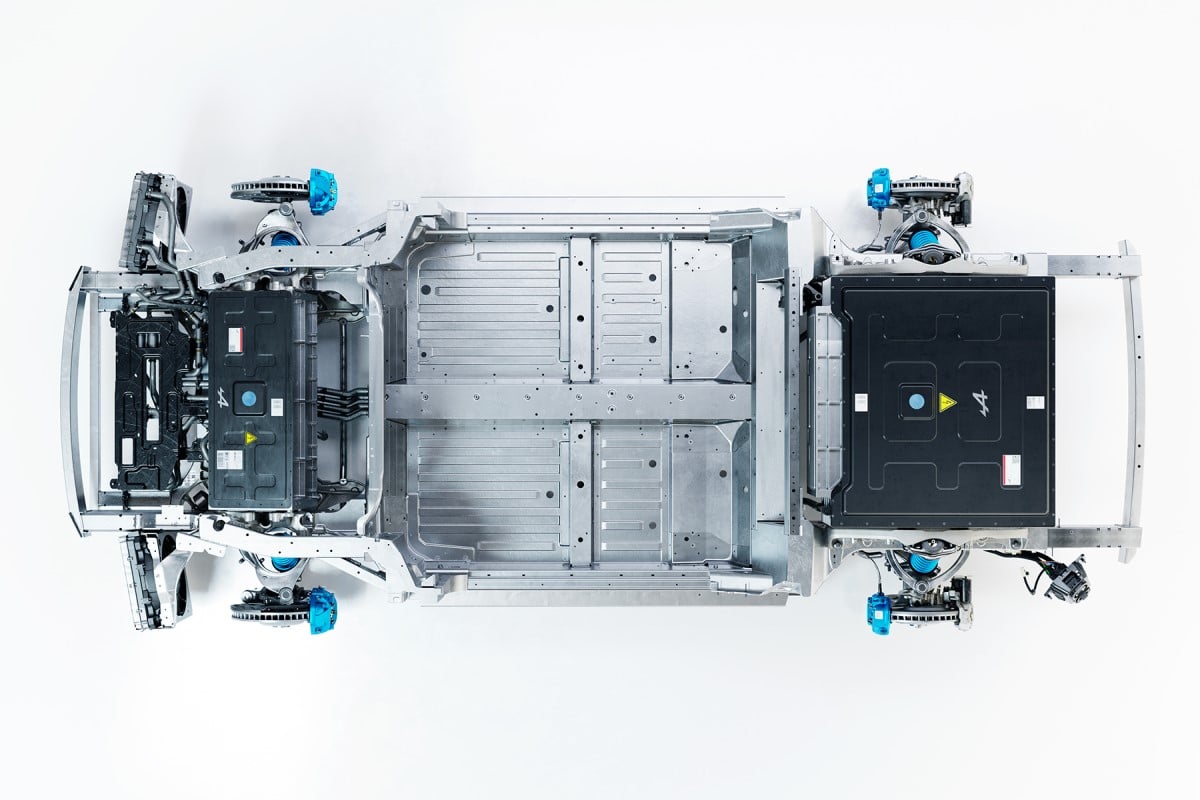
Beneath the skin of these future ventures lies the APP platform. Set to debut with the production electric A110 in 2027—assembled locally in Dieppe on a bonded aluminum structure boasting roughly 500 horsepower and an 800-volt electrical architecture—the platform proves remarkably flexible. Beyond pure EVs, Alpine has engineered the architecture to accommodate 2+2 GT configurations, convertibles, and even internal combustion engines if market demands dictate.
Official Responses and Leadership Vision
Alpine CEO Philippe Krief makes no secret of his long-term vision. He demands vehicles that push the company’s underlying architecture to emotional extremes, arguing that a true halo model benefits the entire corporate ecosystem. Antony Villain, Alpine’s Director of Design, describes the A310 Vision as "the cherry on the cake"—a multi-hundred-thousand-euro cherry intended to elevate a brand whose core production cakes are taking time to find their rhythm in a shifting global market.
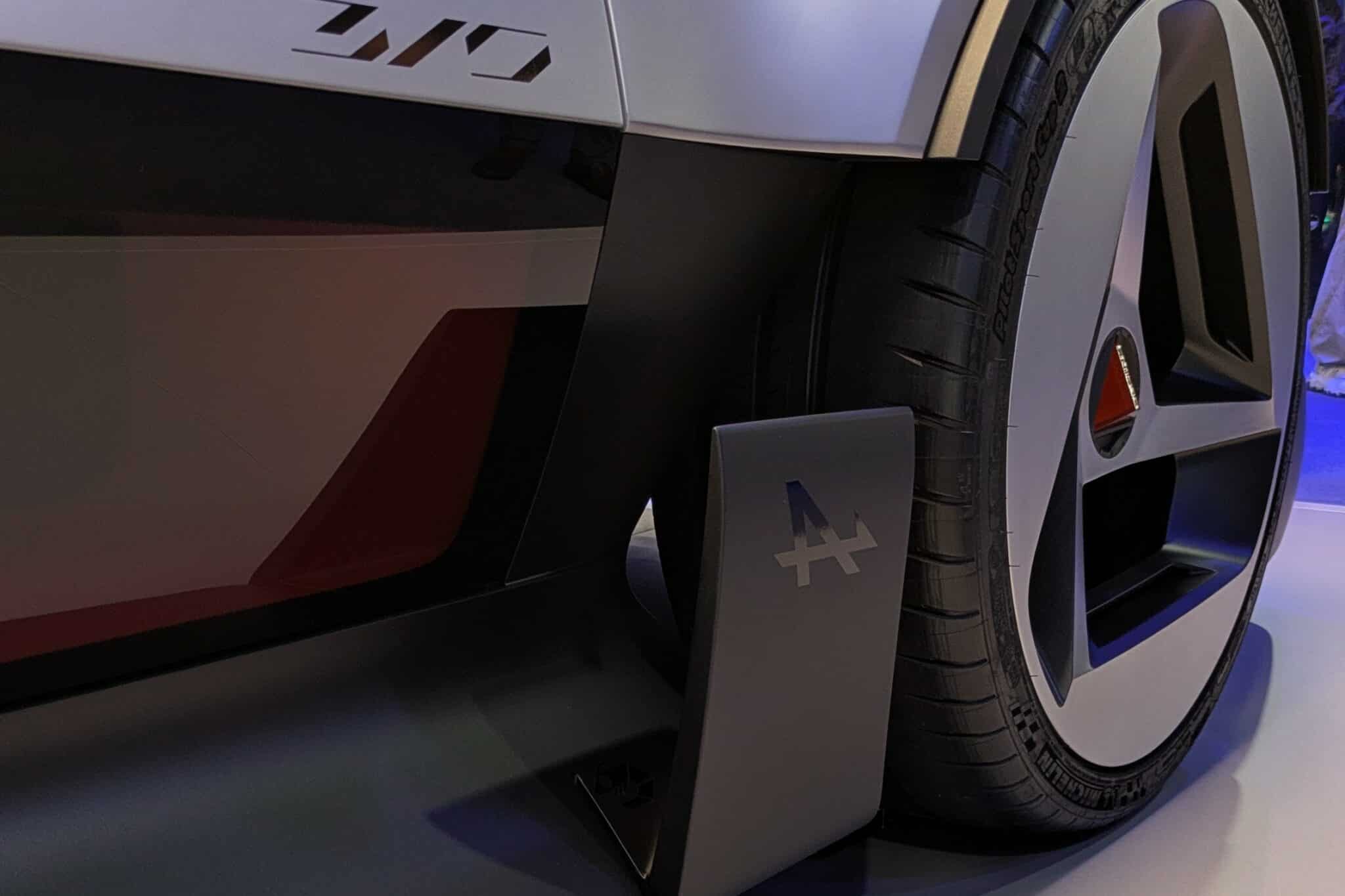
Regarding the production future of a real-world A310, corporate messaging has exhibited a high degree of "agility." Initially shelved, then supposedly saved under the FutuREady realignment (albeit trimmed of expansive plans for the North American market), the official line remains fluid. Alpine repeatedly insists that the A310 Vision does not preview a specific production car. Yet, studio executives readily admit that public reactions at the Paris show will be closely scrutinized to determine the next steps. It is, by all definitions, a high-stakes trial balloon with an optional smile.
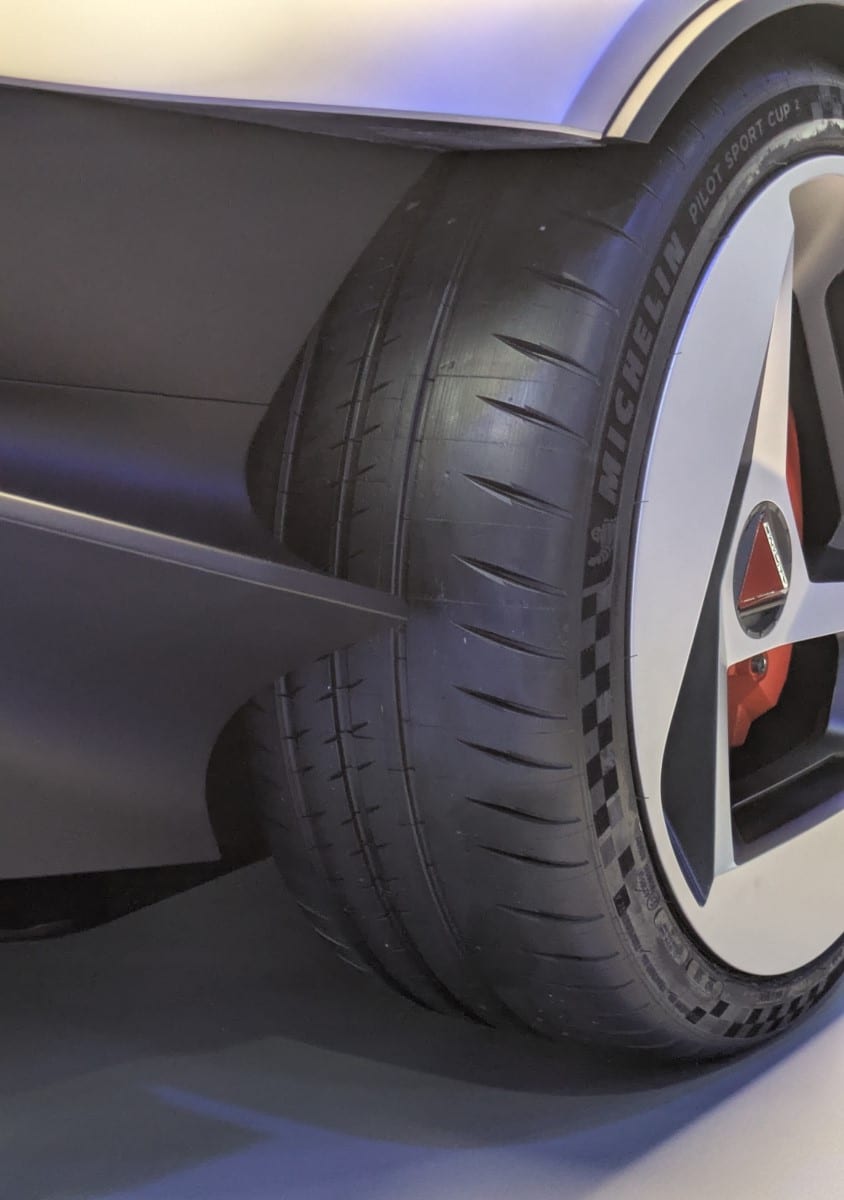
Implications: Challenging the Titans of Stuttgart, Hethel, and Maranello
In terms of market ambition, Alpine’s targets are unreservedly lofty. The natural crosshairs are locked directly onto the Porsche 911, with the upcoming electric 718 serving as a secondary benchmark. Dimensionally, the A310 Vision is actually lower, wider, and longer than a Porsche 911 Turbo S, positioning the brand squarely in the realm of high-end desirability dominated by Porsche, Lotus, and even Ferrari. Attempting to measure up against Maranello with a concept car that lacks a definitive technical datasheet is a masterclass in high-level automotive bluffing.
The broader sports car segment, however, is navigating choppy waters. Following a period of fluctuating demand for electric sports cars—which briefly sparked rumors that Porsche might stall or cancel its electric 718 plans before reaffirming production—manufacturers find themselves in a delicate transitional phase. With shifting federal EV incentives in key global markets and conservative sentiment among traditional sports car buyers, the high-performance coupe market resembles an auto show on a Monday morning: plenty of talent on the stage, but a cautious audience in the hall.
Ultimately, Alpine faces the monumental task of proving that automotive passion can survive the twilight of the internal combustion engine. The A310 Vision does not answer all of those questions; it shares no performance figures, no price tag, and no delivery date. But it serves notice of one undeniable truth: the design teams in Dieppe still know how to build a car that makes heads turn. All it needs now is the final, decisive step—making it hit the road.
