

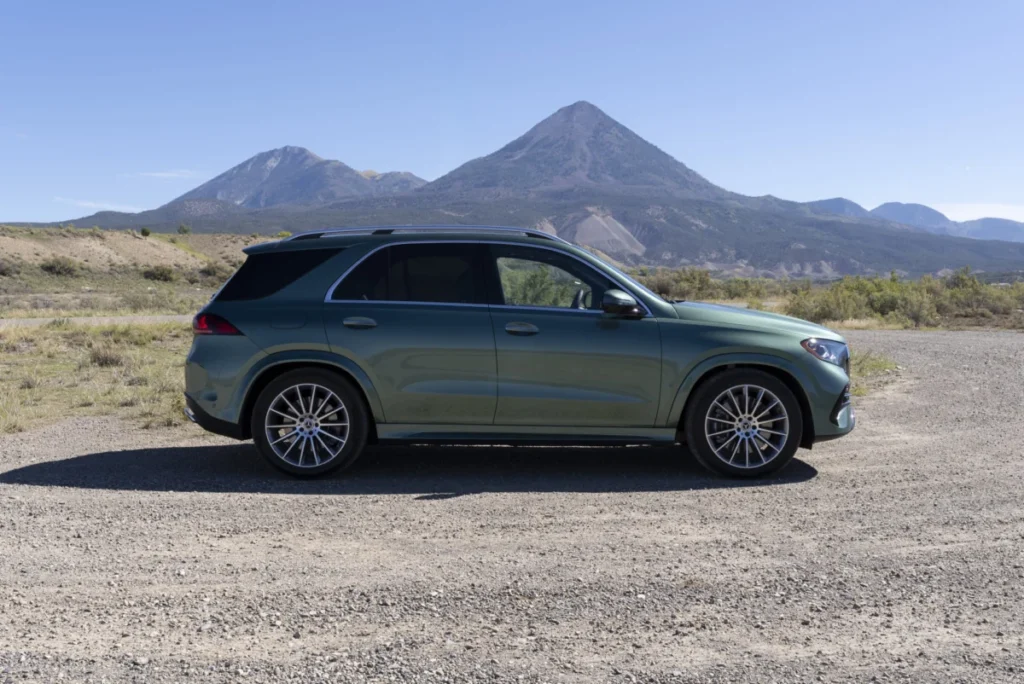
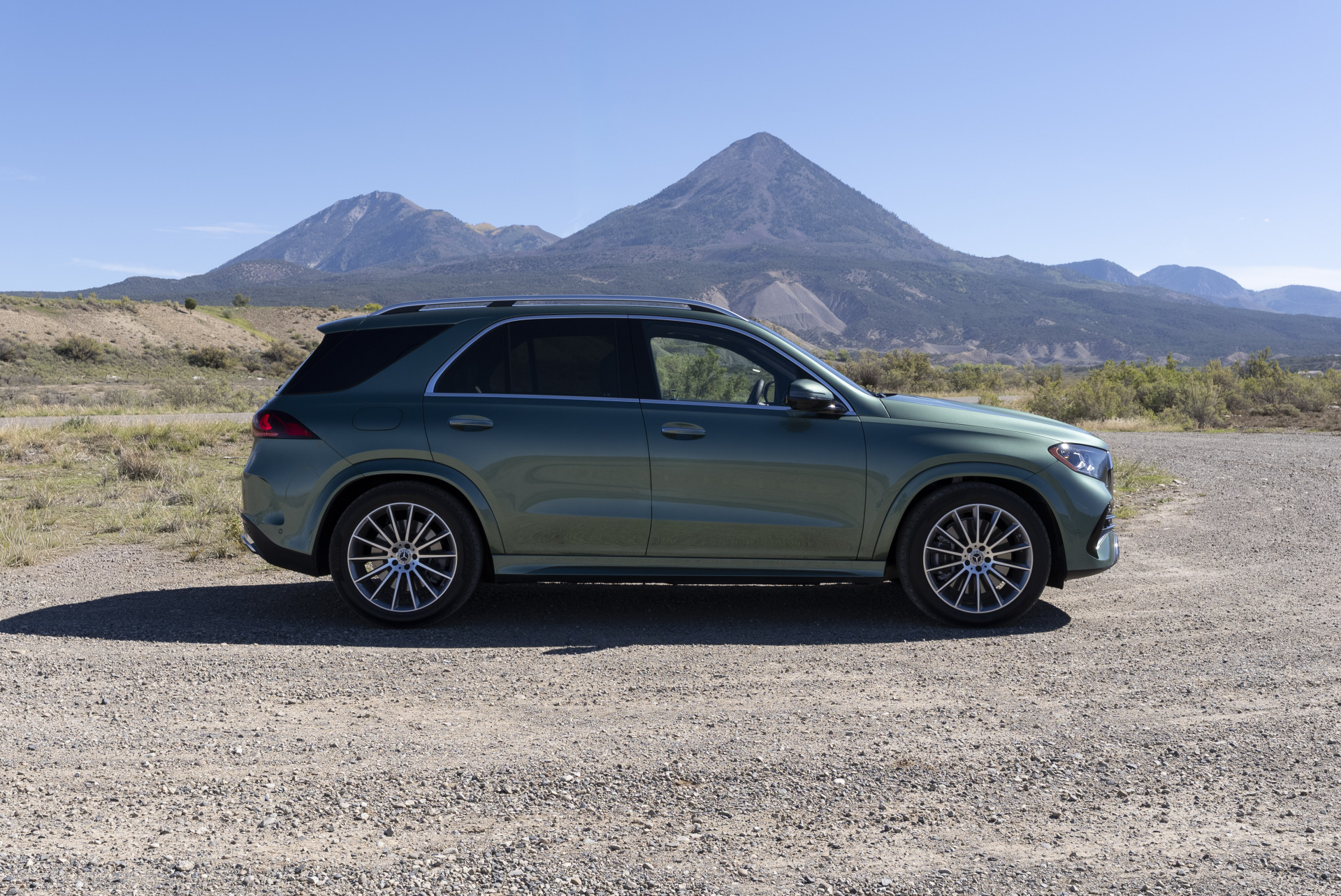
The automotive landscape is defined by constant refinement, and few vehicles embody the "evolutionary" philosophy of Mercedes-Benz quite like the GLE. With a massive 40% of its components revised or replaced in this latest mid-cycle update, the 2026 Mercedes-Benz GLE 450 e arrives as a testament to German engineering’s obsession with granular improvement. While Mercedes-Benz candidly admits the platform remains fundamentally consistent with its predecessor, the subtle yet pervasive changes across the drivetrain, digital interface, and aesthetic execution suggest a vehicle striving for the pinnacle of the premium SUV segment.
Main Facts: A Mid-Cycle Transformation
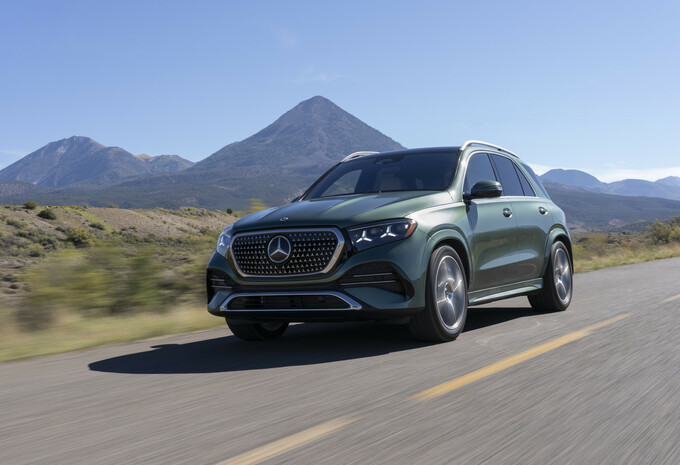
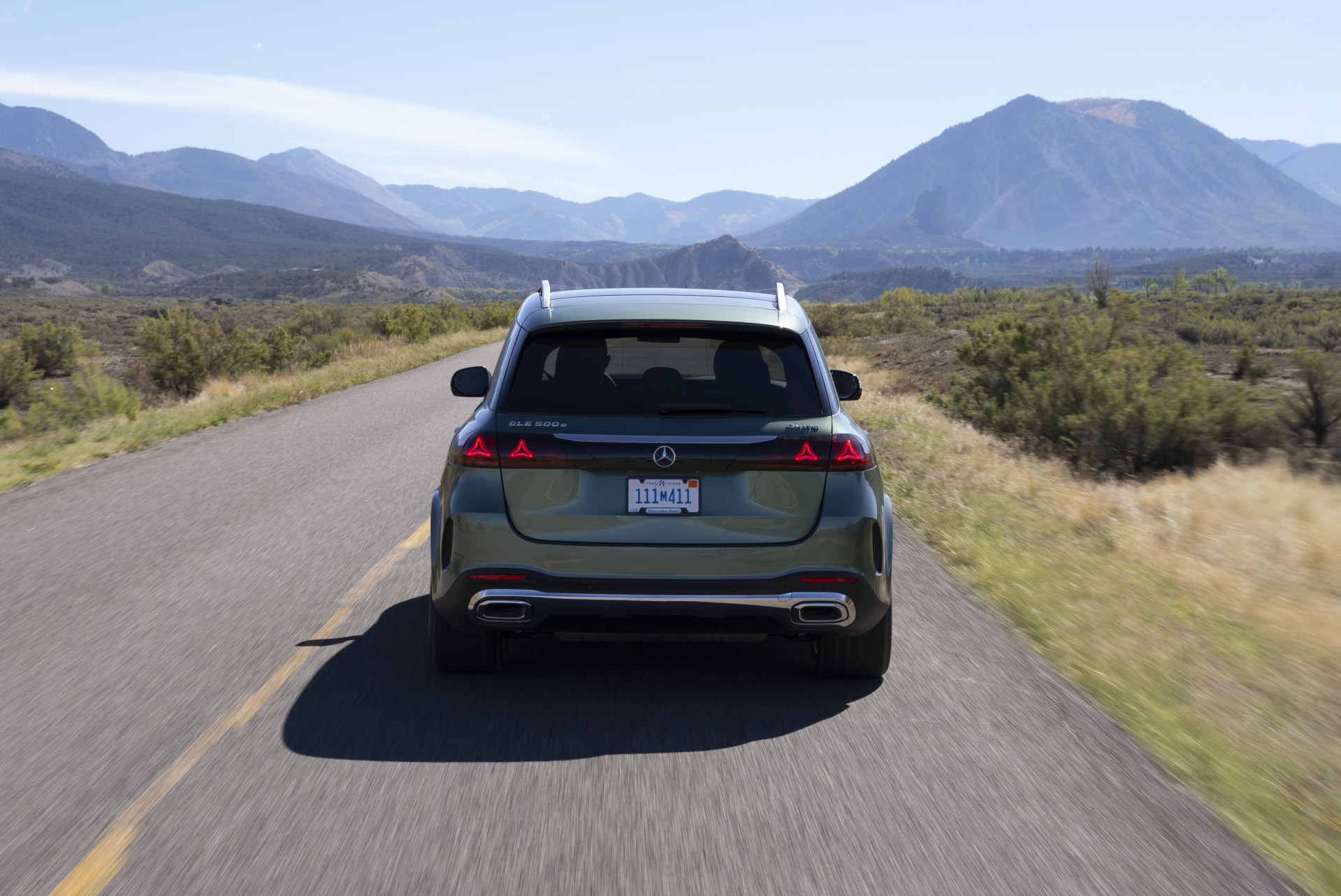
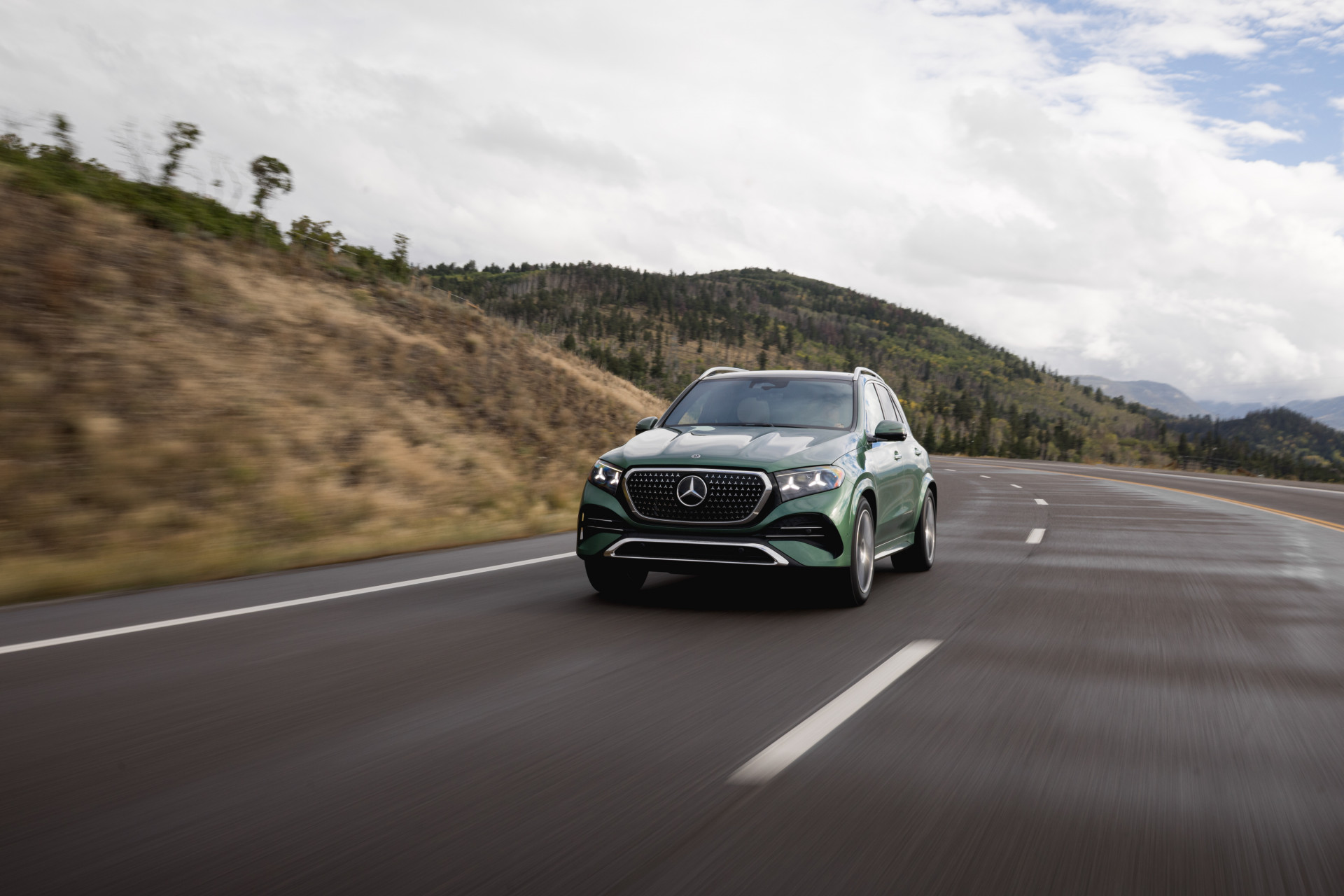
At a glance, the new GLE 450 e is identified by a sharpened exterior language. The redesign includes a reworked grille, modernized headlamp signatures, and updated taillights, all aligning the SUV with the contemporary design vernacular of the Stuttgart brand. However, the most significant changes reside beneath the sheet metal.
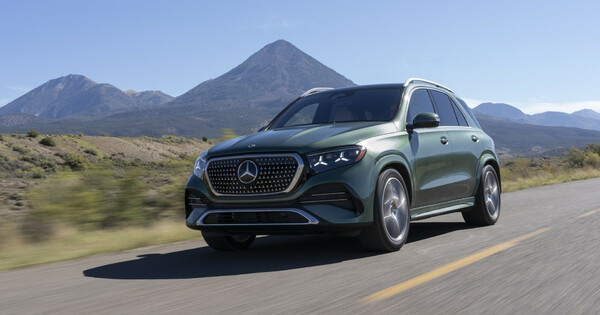
The standout feature of this iteration is the transition to a more refined engine lineup. In a bold move, Mercedes has eliminated the 2.0-liter four-cylinder powerplants, mandating that every GLE now features at least a six-cylinder heart. The 450 e plug-in hybrid (PHEV) model, the subject of this analysis, represents the most strategic choice for the European market, balancing performance with the growing demand for electrified mobility.
Chronology of Development: The M256 EVO Engine
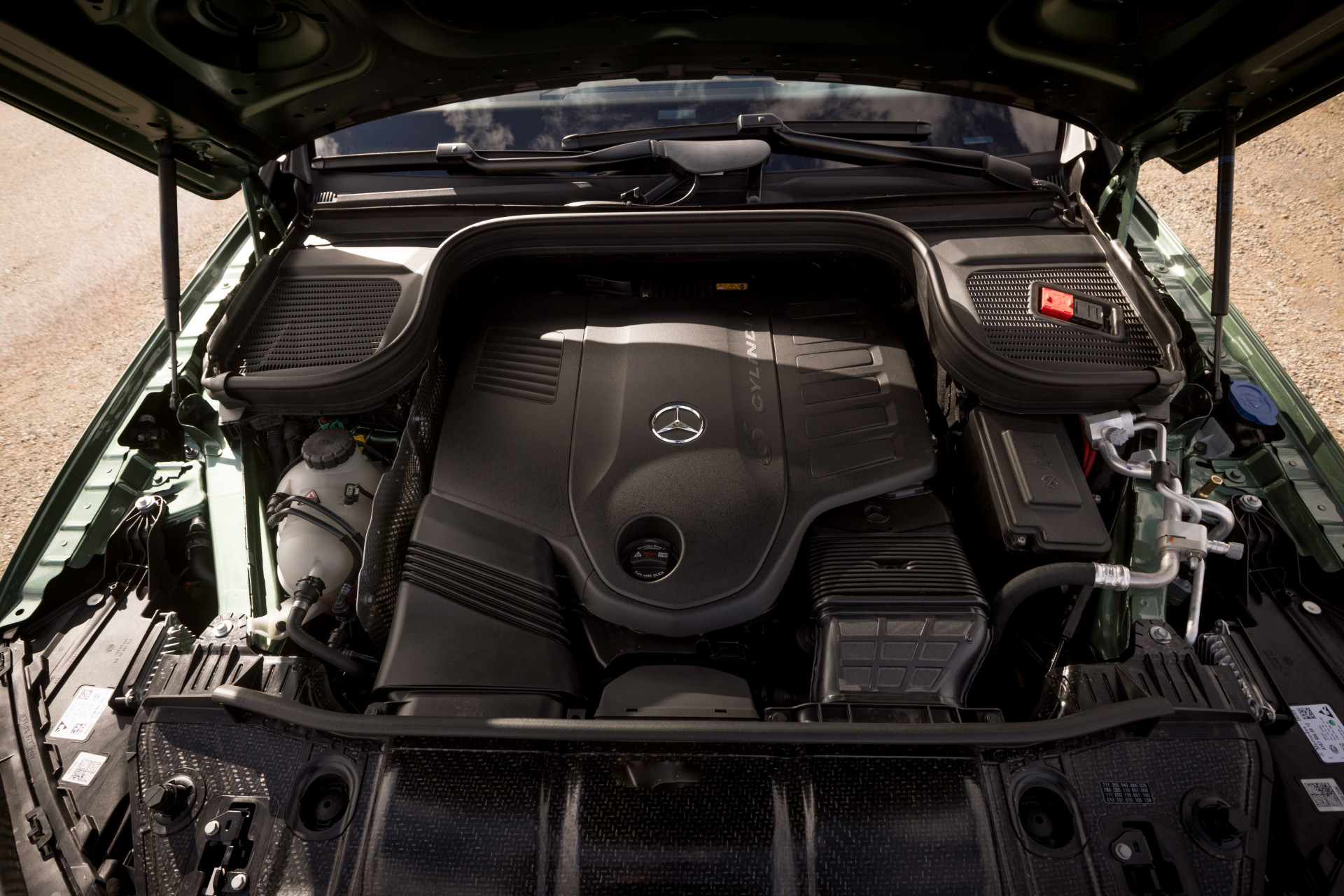
The development of the current GLE is a story of internal combustion refinement. For the third time, Mercedes-Benz engineers have revisited the M256 engine architecture, resulting in the "EVO" suffix.
- Intake Optimization: The redesigned intake ducts facilitate a more efficient "swirl" movement of the air-fuel mixture, allowing for an increased compression ratio (10.5:1, up from 10:1).
- The Miller Cycle: At lower loads, the engine utilizes variable valve timing to adopt the Miller cycle—a more fuel-efficient combustion strategy where the intake valve closes earlier, reducing the effective compression ratio to 8.5:1.
- Thermal and Exhaust Management: Following combustion, redesigned valves and exhaust ports ensure a faster and more complete evacuation of gases, minimizing backpressure and enhancing overall responsiveness.
This mechanical evolution is paired with a permanent-magnet synchronous electric motor integrated into the 9G-TRONIC automatic transmission, creating a seamless, high-torque powertrain that feels inherently more premium than the outgoing four-cylinder variant.
Supporting Data: Performance and Efficiency
The numbers underlying the 2026 GLE 450 e are compelling for a vehicle of this mass. The synergy between the 3.0-liter inline-six and the electric motor results in a combined output of 425 horsepower and a formidable 680 Nm of torque.
Technical Specifications
- Combined Output: 425 hp / 680 Nm.
- Electric Battery Capacity: 31.2 kWh total (25.7 kWh usable).
- WLTP Electric Range: 90–102 km.
- Charging Capability: 11 kW AC / 60 kW DC (0-80% in 20 minutes).
- Towing Capacity: Up to 3.5 tonnes (with Airmatic suspension).
- Cargo Space: 485 liters (hybrid variant) to 655 liters (with rear seats slid forward).
While the WLTP cycle estimates consumption between 3.2 and 3.9 l/100 km, these figures remain heavily dependent on the driver’s ability to maintain a consistent charge on the 25.7 kWh usable battery. Even when the battery is depleted, the system retains enough residual energy to support the hybrid drivetrain, ensuring that the vehicle never reverts to being a "dead-weight" combustion engine.
Digital Integration: The Superscreen and MB.OS
Mercedes-Benz is doubling down on its digital-first cabin philosophy. The 2026 GLE now features the "Superscreen" setup as standard equipment. The highlight is the 12.3-inch passenger display, which allows the front-seat passenger to stream video content while the vehicle is in motion.
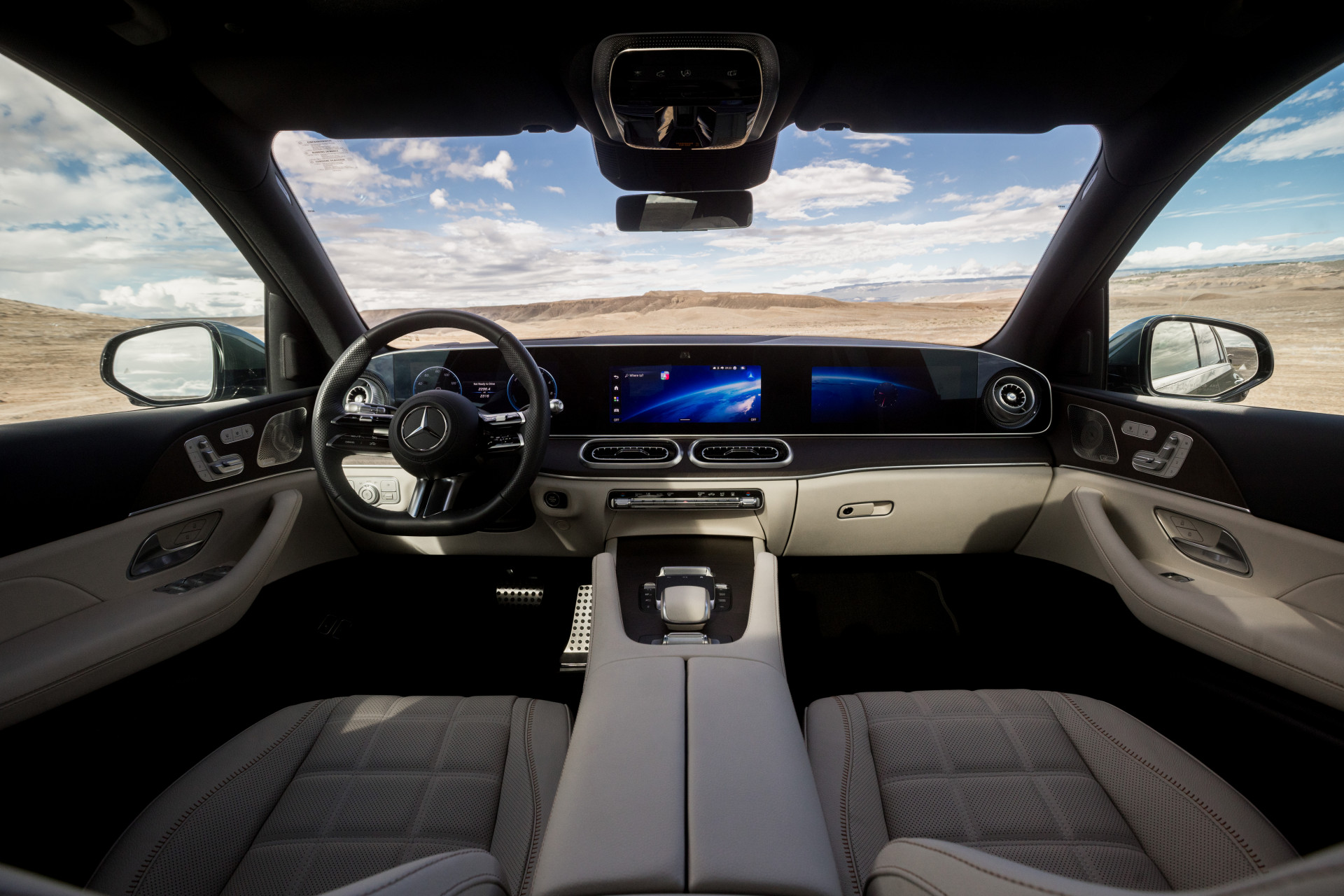
Safety remains paramount, however; the system utilizes a sophisticated eye-tracking camera. If the driver is detected looking at the passenger’s screen too frequently, the system automatically dims or shuts down the display to mitigate potential distractions. The entire digital experience is powered by the latest generation of the MBUX (Mercedes-Benz User Experience) OS, which remains a class leader in terms of responsiveness and user-friendly menu structures.
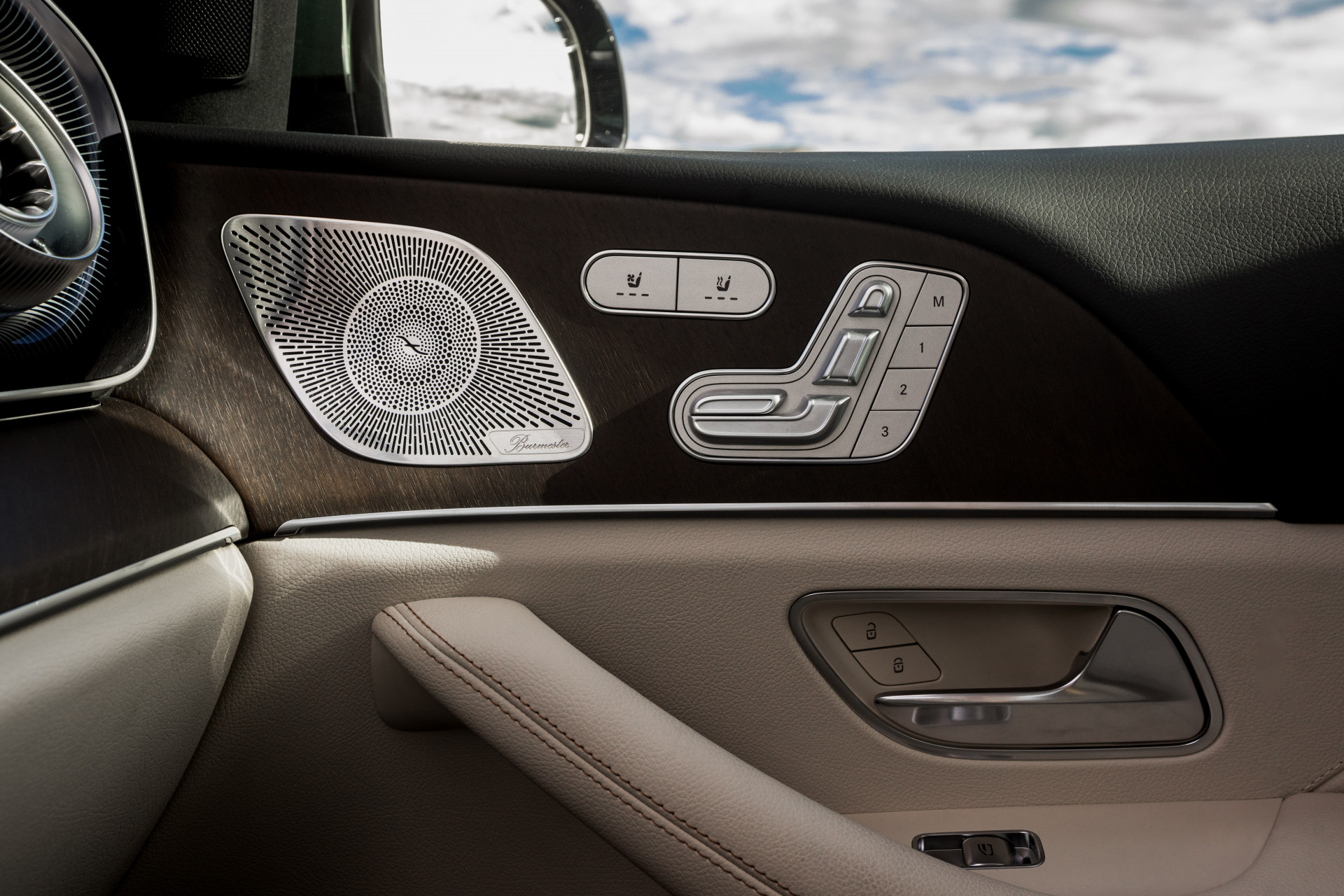
However, there is a notable discrepancy between the high-tech digital experience and the material quality of the dashboard. While the screen technology is cutting-edge, the surrounding plastic trim—particularly around the air vents—feels somewhat utilitarian and lacks the bespoke, high-end finish one expects from a vehicle with a starting price exceeding €100,000.
Driving Dynamics: The Airmatic Dilemma
The GLE’s reputation is built on comfort, but the 2026 update introduces a firmer, more "sporty" suspension tuning. While this improves turn-in precision and body control, it creates a lack of consistency in ride quality.
During highway cruising, the Airmatic suspension provides the "magic carpet" experience synonymous with the brand. Yet, upon encountering corners or abrupt road imperfections, the adaptive dampers switch to a noticeably firmer setting. This creates a "surprise" effect for passengers, as the suspension’s character changes based on the steering angle and road input.
It is worth noting that for purists seeking a consistent ride, the E-ABC (Active Body Control) system, which uses active anti-roll bars to eliminate body movement, would be the ideal solution. Unfortunately, this option is incompatible with the 450 e hybrid architecture, as E-ABC requires a 48V system, whereas the PHEV platform operates on a 400V architecture. This represents a rare technical compromise in an otherwise highly engineered vehicle.
Official Responses and Market Implications
Mercedes-Benz positions the 2026 GLE 450 e as the definitive choice for the professional who demands versatility, towing capability, and tax-efficient mobility. In markets like Belgium, where tax structures often penalize "fake hybrids," the GLE 450 e sits in a complex fiscal middle ground with CO2 emissions ranging from 74 to 88 g/km.
Despite these nuances, the market demand remains robust. By prioritizing the 6-cylinder engine, Mercedes-Benz is sending a clear message: the brand is not prepared to abandon the refined power delivery of multi-cylinder engines, even as it transitions toward full electrification. The 450 e serves as a bridge, offering the silence of electric urban driving with the effortless, long-distance touring capability of a traditional luxury SUV.
Conclusion: A Refined Masterpiece, Almost
The 2026 Mercedes-Benz GLE 450 e is a vehicle of significant achievement. It has successfully integrated a superior engine, cutting-edge digital interfaces, and a design language that feels both fresh and timeless.
However, it falls slightly short of "perfection" due to its inconsistent suspension behavior. The transition between comfort and sportiness is palpable, and the lack of compatibility with the E-ABC system remains a point of contention for those who value ride quality above all else.
Ultimately, the GLE 450 e is a compelling, highly capable, and technologically advanced luxury transport. It successfully updates the model for a new generation of buyers, proving that while 40% of the parts have changed, the spirit of the GLE—a blend of prestige, power, and practicality—remains very much intact. For the driver who values a quiet, tech-heavy environment and high-speed cruising stability, it remains one of the most compelling options in the premium segment today.
