


By Xavier Daffe, Editor-in-Chief, Le Moniteur Automobile
October 14, 2026
The transition to electric mobility is rarely a smooth road, but for automotive giant Stellantis, the path has recently encountered a significant, concrete obstacle: a persistent bottleneck in the supply chain of high-capacity batteries. As customer demand for "Long Range" electric vehicles (EVs) surges, the group’s production capabilities are failing to keep pace, leading to temporary factory closures and lengthening delivery timelines for some of Europe’s most anticipated models.
The Production Standoff: Factory Pauses in France
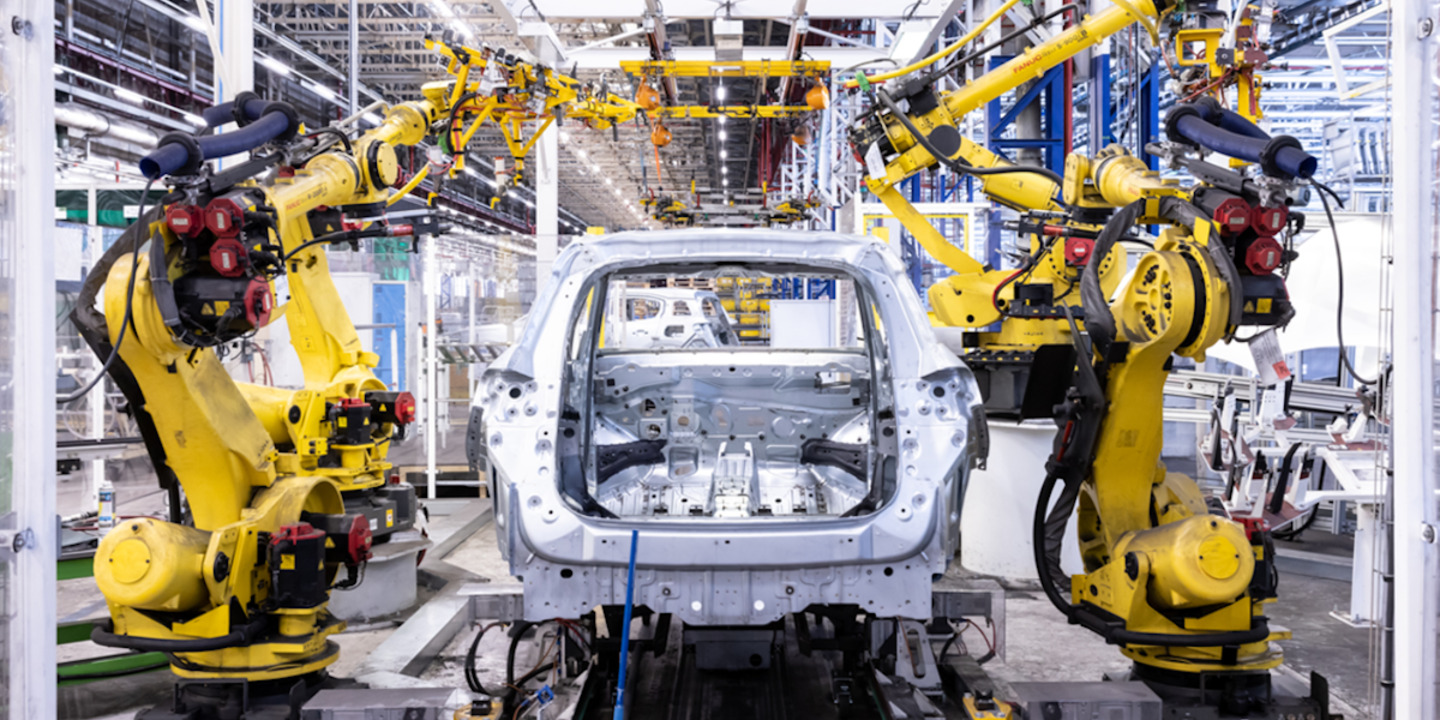
In a move that underscores the fragility of the current EV supply chain, Stellantis has announced a temporary suspension of operations at two of its flagship French manufacturing sites. The Sochaux plant, the heart of Peugeot’s production, is slated for a production halt from October 23 to October 30, 2026. Simultaneously, the Rennes facility, which focuses on key crossover models, will see its lines go silent from October 22 to October 30, 2026.
This is not a reflection of low consumer interest; quite the opposite. The factories are struggling to produce enough units to satisfy a growing order book, particularly for the high-demand "Long Range" battery configurations.
Key Models Affected
- Sochaux: The supply crisis is hitting the production of the Peugeot E-3008 and E-5008 in their Long Range specifications.
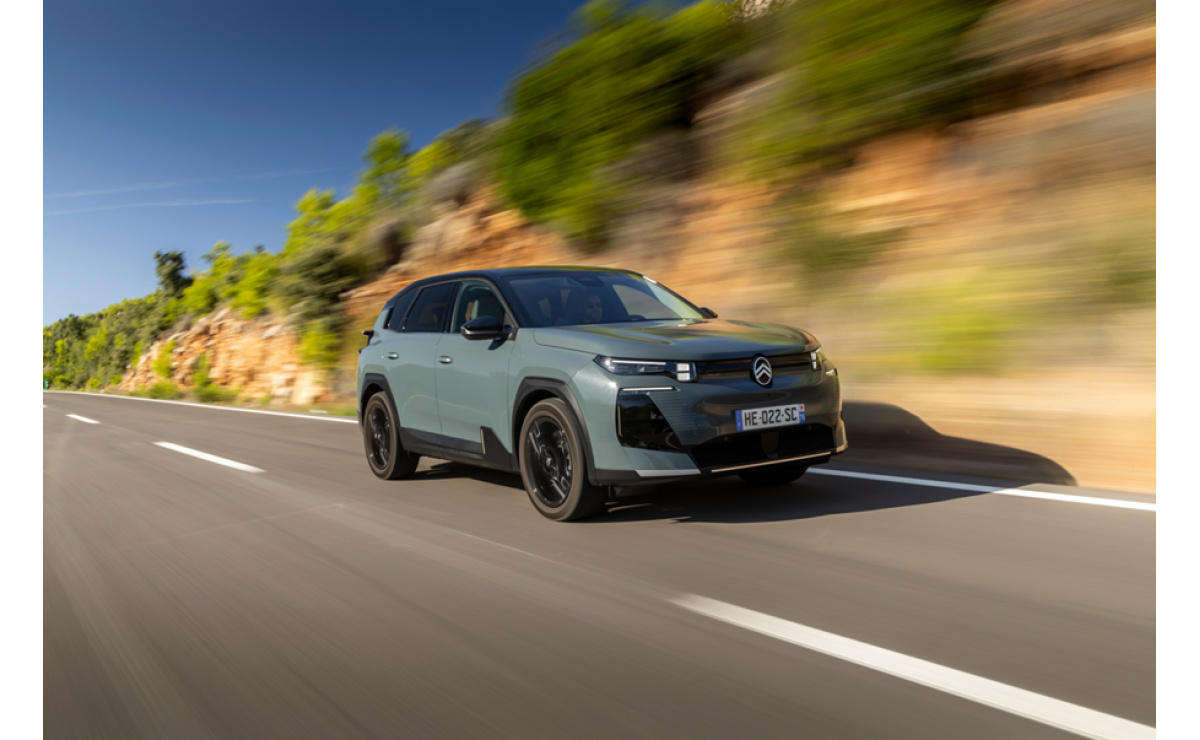
- Rennes: The Citroën ë-C5 Aircross, also in the Long Range configuration, is the primary victim of the component shortage.
For the end consumer, the impact is tangible. In Belgium, market intelligence suggests that delivery lead times for a Citroën ë-C5 Aircross Long Range have stretched to over six months, unless a customer happens to find a pre-configured unit in existing dealer stock. In contrast, the standard "Comfort Range" (73 kWh) versions are currently maintaining a more stable delivery window of three to four months. Similarly, the Opel Grandland Electric—a technical sibling to the French models—currently lists delivery estimates of 13 to 19 weeks, a timeline that remains subject to further volatility.
A Targeted Scarcity: The ACC Bottleneck
At the center of this production crisis is Automotive Cells Company (ACC), the high-profile joint venture between Stellantis, Mercedes-Benz, and TotalEnergies (via its subsidiary Saft). ACC’s "gigafactory" in Billy-Berclau/Douvrin, Northern France, is currently in the midst of a massive ramp-up phase, intended to provide the European market with sovereign battery production.
However, the reality of industrial scaling has proven difficult. The volumes currently exiting the Douvrin facility are simply insufficient to meet the specific requirements set forth by Stellantis for its latest generation of Long Range electric vehicles.
Why Not Switch Suppliers?
Industry observers and potential buyers have asked a logical question: if ACC cannot supply the cells, why not procure them from an alternative source? According to Xavier Chardon, head of the Citroën and DS brands, such a pivot is currently impossible. The engineering integration between the vehicle architecture and the specific chemistry and physical form factor of the ACC battery cells is highly proprietary. Replacing them with a different supplier’s technology would require a total redesign of the battery pack and the vehicle’s energy management systems—a task that cannot be accomplished in the short term.
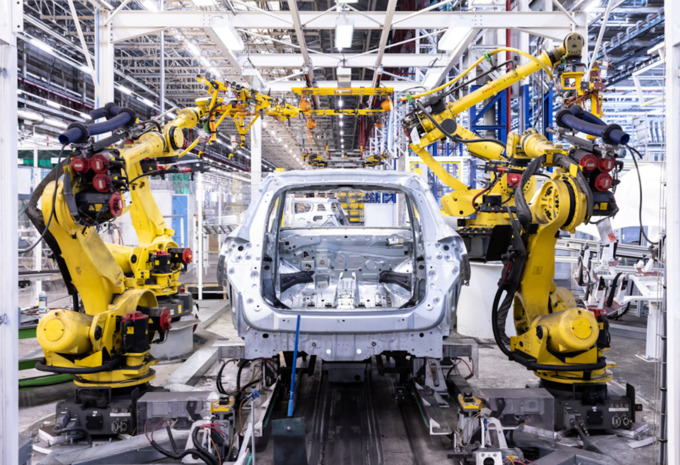
Stellantis finds itself in a "production trap." Rather than building vehicles with different battery configurations that might result in unwanted inventory or mismatched customer expectations, the group has opted to temporarily throttle production to match the actual, verified supply of battery cells.
Market Dynamics: The Electric Surge in France
These production challenges occur against a backdrop of aggressive electrification across the French market. Following a 2024 performance of 295,600 registrations, the electric vehicle market climbed to 331,200 units in 2025, representing a year-on-year growth of approximately 12%.
Data from the French Ministry of Ecological Transition confirms that the market share of new electric vehicles has jumped from 16.8% to 19.9% over the past two years. The momentum accelerated dramatically in the summer of 2026. According to the Avere-France barometer, electric vehicle market share reached 38.8% in August 2026 and hit a record 41.91% in September, with 65,641 units registered in that month alone. While these figures are monthly peaks rather than annual averages, they signal an undeniable shift in consumer preference—a trend that Stellantis is currently unable to fully capitalize on due to the supply constraints.
Economic Implications: The Cost of Charging
While production remains the manufacturer’s headache, the consumer’s primary concern remains the economic viability of the switch to electric. The volatility of fossil fuel prices has acted as a catalyst for EV adoption, even in the Belgian market.
According to the Belgian Federal Public Service (SPF) Economy, the average monthly official maximum price for Diesel (B7) surged from €1.694 per liter in January 2026 to €2.418 in September. Gasoline (95 E10) saw a parallel rise from €1.577 to €2.057 per liter over the same period. This represents a 43% increase for diesel and a 30% increase for gasoline, cementing the "total cost of ownership" argument in favor of electric vehicles for many buyers.
The Math of Ownership
For a driver capable of charging at home, the cost advantage of an EV remains stark. Assuming a domestic electricity rate of €0.35/kWh (including network fees and taxes) and an average consumption of 18 kWh/100 km, the cost of driving 100 kilometers is approximately €6.30.
In contrast, a gasoline vehicle consuming 6 liters/100 km costs roughly €12.34 per 100 km at September’s maximum fuel prices. A diesel vehicle consuming 5 liters/100 km costs approximately €12.09.
However, the advantage shifts when relying on public high-speed charging networks. For instance, charging at a non-subscription rate on a network like IONITY can cost €0.75/kWh, pushing the cost per 100 km to €13.50, which is more expensive than the equivalent fossil-fuel-powered trip. Even with a subscription model (e.g., €0.43/kWh plus a €11.99 monthly fee), the break-even point is highly dependent on individual driving habits.

Looking Ahead: Managing Expectations
The situation at Stellantis is a microcosm of the "growing pains" inherent in the automotive industry’s massive transition. The move toward localizing the battery supply chain via ACC is a long-term strategic necessity for European autonomy, but the short-term friction is creating a period of instability for both the manufacturer and the end-user.
For prospective buyers of the Peugeot E-3008, E-5008, or the Citroën ë-C5 Aircross, the message is clear: the industry is working to bridge the gap between historical production models and the future of electric mobility. Until the Douvrin factory achieves its intended output, customers may need to exercise patience or consider existing stock, as the global race for battery capacity continues to influence the showroom floor.
Stellantis, for its part, faces the unenviable task of balancing its commitment to electrification with the operational realities of a supply chain that is still finding its footing. The coming months will be critical in determining whether the group can stabilize its production lines and restore the delivery cadences that its customers—and its balance sheet—so urgently require.
