

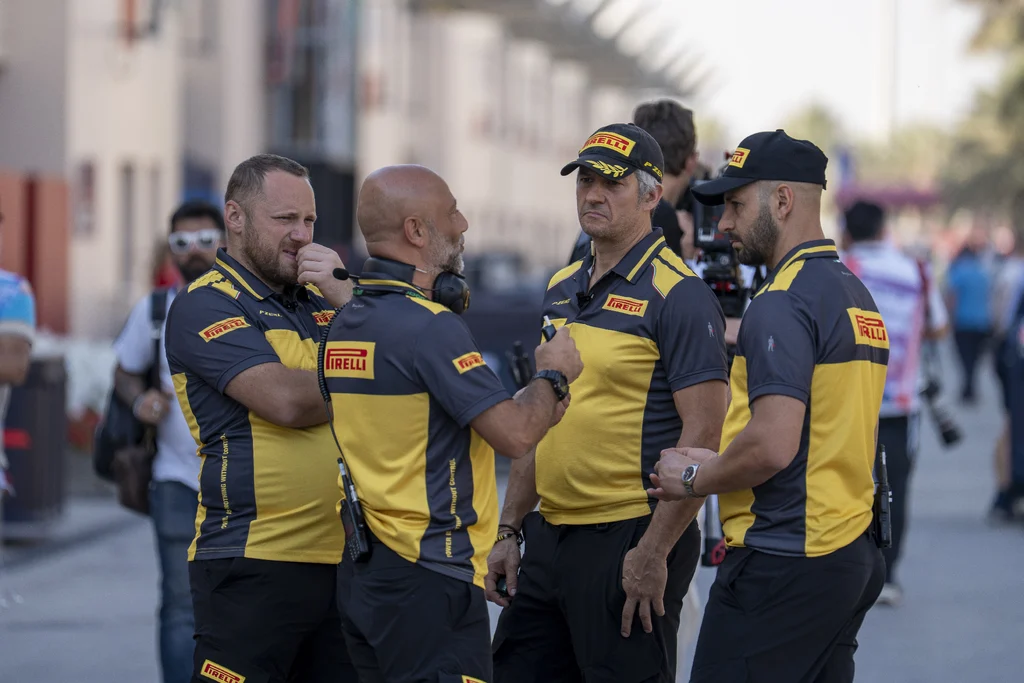
In a significant move to ensure operational stability and technical consistency, the Fédération Internationale de l’Automobile (FIA) has officially activated the extension clause within its current contract with Pirelli. The Italian tire manufacturer, which has been the sole supplier of the FIA Formula One World Championship since 2011, will now remain the exclusive provider of rubber for the pinnacle of motorsport through the conclusion of the 2028 season.
This decision, announced on July 20, 2026, solidifies a partnership that has become the bedrock of modern Grand Prix racing. The extension, which covers not only Formula 1 but also the essential support categories—Formula 2, Formula 3, and the F1 Academy—ensures that the sport maintains a singular technical path during a period of intense regulatory evolution.
The Evolution of the Partnership: A Chronology of Collaboration
To understand the weight of this announcement, one must look at the historical trajectory of the relationship between Formula 1 and the Milanese manufacturer. Pirelli’s involvement in Formula 1 is not a modern invention; the brand was present at the inception of the World Championship in 1950. However, their modern era, defined by total exclusivity, began in 2011.
- 2011: Pirelli returns to the sport, replacing Bridgestone as the sole tire supplier. This era marked a shift in philosophy, with Pirelli tasked by the FIA to create tires that were purposefully designed to degrade, thereby forcing teams to employ multi-stop pit strategies to enhance the spectacle.
- 2011–2016: A period of rapid adaptation as the sport moved from the V8 naturally aspirated engines to the complex V6 turbo-hybrid power units in 2014.
- 2017–2021: The introduction of wider, more durable tires to match the increased downforce levels of the new generation of cars.
- 2022: A pivotal technical shift with the introduction of 18-inch wheels and low-profile tires, a move intended to align F1 technology more closely with road-car developments.
- 2023: The signing of the contract that was intended to span 2025–2027, with the crucial option for a 2028 extension that has now been triggered.
- 2026 and Beyond: The current era, defined by new engine regulations and chassis designs, will now be supported by Pirelli through at least 2028, providing a vital anchor of stability amidst radical mechanical changes.
Official Perspectives: Aligning Vision and Strategy
The decision to extend the contract was a collaborative effort between the FIA, Formula 1 management, and the Pirelli board. The consensus among key stakeholders reflects a desire for predictability in a high-stakes environment.
Mohammed Ben Sulayem, President of the FIA
The FIA leadership has been vocal about the necessity of continuity. "The extension of our partnership with Pirelli ensures that the sport has a solid foundation for the coming years," Ben Sulayem stated. "Stability is the currency of growth in Formula 1. By securing a trusted partner who understands the unique demands of our technical regulations, we allow the teams and the sport to focus on innovation and competition without the uncertainty of a shifting tire supplier landscape."
Stefano Domenicali, CEO of Formula 1
Domenicali highlighted the synergy between the spectacle of racing and the technical requirements of the sport. "Pirelli has been an incredible partner, not just as a supplier, but as an innovator. Their contribution to the performance, sustainability, and technical evolution of F1 is immeasurable. This extension is a testament to the incredible work they have done to support the growth of the sport, particularly as we look toward our net-zero targets and the introduction of advanced sustainable technologies."
The Pirelli Perspective: A Laboratory for Innovation
Marco Tronchetti Provera, Executive Vice-President of the Pirelli group, emphasized the strategic importance of the sport for the company’s R&D division. "Formula 1 is the ultimate laboratory. The data we gather at 300 km/h on a Sunday is translated into safety and performance improvements for the consumer tires we produce for the road. The extension through 2028 allows us to continue this cycle of testing and implementation at the highest level of human and mechanical performance."
Technical Implications: Why Monopolization Remains the Preferred Model
The decision to stick with a single supplier rather than returning to the "tire wars" of the early 2000s—when manufacturers like Michelin, Bridgestone, and Goodyear competed for supremacy—is rooted in the modern economic and sporting philosophy of the FIA.

Controlling Costs and Leveling the Playing Field
In an era of budget caps and strict financial regulations, a tire war would represent an astronomical, uncontrollable expense. Developing bespoke tires for specific chassis designs would lead to an arms race that could cripple smaller teams. A single supplier model ensures that every team on the grid has access to the same equipment, shifting the focus to how well the engineers can understand and manage the tire’s performance window rather than who can afford the most advanced rubber.
The Challenge of "Spectacle Engineering"
Pirelli’s mandate is arguably the most difficult in the paddock. Unlike a standard manufacturer that seeks to create the most durable and long-lasting tire possible, Pirelli is often asked to engineer "managed degradation." This requires a delicate balance: the tires must be durable enough to ensure safety, yet provide enough wear to create distinct performance differentials between teams, thereby facilitating overtaking and strategic variety.
Sustainability and Future-Proofing
A key component of the 2026–2028 roadmap is the emphasis on environmental sustainability. Pirelli has been a pioneer in integrating recycled materials into racing tires and optimizing the supply chain to reduce the carbon footprint of transporting thousands of tires across the globe each season.
The extension will also see a continued push toward the "circular economy" in motorsport. Pirelli’s commitment to the FIA’s environmental targets—specifically the goal of reaching Net Zero Carbon by 2030—is heavily dependent on the R&D performed in the F1, F2, and F3 paddocks.
The Road to 2028: What Lies Ahead?
As Formula 1 enters the latter half of the decade, the sport is undergoing its most significant transformation in a generation. With the 2026 engine regulations and the evolving aerodynamic profiles of the cars, the relationship with the tire supplier will be more critical than ever.
The tires remain the only point of contact between the machine and the track. Any change in the characteristics of these tires can effectively invalidate thousands of hours of wind tunnel testing. By opting for continuity with Pirelli, the FIA and the teams have opted for a known quantity. They have chosen to remove a variable that could have created chaos during a time of immense technical upheaval.
For the fans, this means that the strategic depth of the race—the undercut, the overcut, and the tire management masterclasses—will remain consistent. Pirelli’s role as the "fourth dimension" of a Grand Prix strategy is secure. As the lights go out on each race between now and 2028, the black rubber on the wheels will be the product of a unified, long-term vision, ensuring that the spectacle of Formula 1 remains as unpredictable and thrilling as ever.
In conclusion, the extension through 2028 is a vote of confidence in Pirelli’s technical prowess and their commitment to the sport’s broader goals. As the automotive world shifts toward electric and sustainable futures, Pirelli’s presence in F1 serves as the crucial bridge between the raw, internal-combustion passion of the past and the sophisticated, sustainable future of high-performance mobility.
