

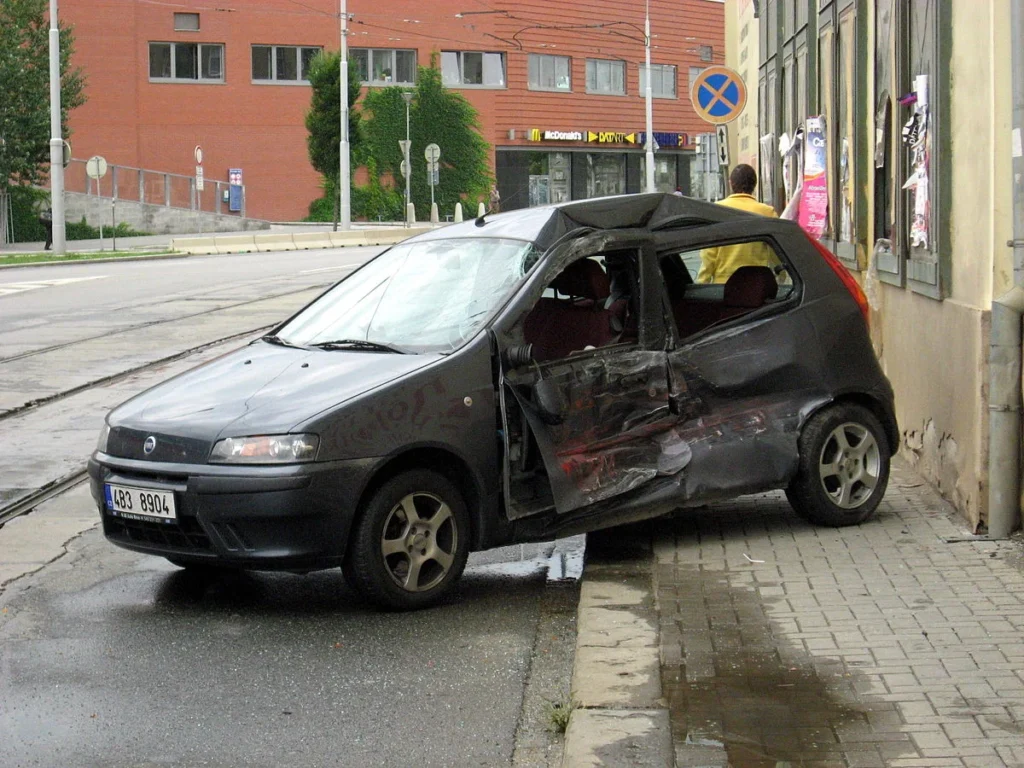
In the modern world, owning a vehicle is more than a convenience; it is a significant financial commitment that demands careful protection. Every vehicle operating on public roads is legally required to carry, at a minimum, third-party liability coverage. However, the sheer volume of insurance products available today—ranging from digital-first startups to established legacy carriers—can leave even the most diligent driver feeling overwhelmed. Choosing the wrong policy is not merely a bureaucratic error; it is a financial risk that can lead to inadequate coverage during a crisis, debilitating deductibles that strain household budgets, or the discovery of critical coverage gaps when it matters most.
This comprehensive guide breaks down the architecture of auto insurance, helping you transition from a confused consumer to an informed policyholder.
Main Facts: The Pillars of Automotive Protection
At its core, auto insurance functions as a risk-transfer mechanism. You pay a premium to an insurer, and in exchange, they assume the financial burden of specific incidents. The fundamental reality of the market is that there is no "one-size-fits-all" solution. Your policy should be a reflection of your specific lifestyle, your vehicle’s market value, and your personal risk tolerance.
The Three Tiers of Coverage
Understanding the hierarchy of insurance is the first step toward making an objective decision:
- Third-Party Liability (The Minimum): Often referred to as "the Tier," this covers the damage you cause to others—whether bodily injury or property damage. It does not cover your own vehicle, theft, or fire. It is the legal bare minimum and is typically suitable only for older vehicles with low resale value.
- Intermediate Coverage (The "Extended Tier"): This acts as a bridge. It adds essential protections such as fire, theft, glass breakage, and natural disaster coverage to the base liability. It is widely considered the "sweet spot" for many middle-market vehicles, balancing affordability with meaningful protection.
- Comprehensive Coverage ("All-Risks"): This is the gold standard. It provides coverage even if you are at fault for an accident or if the incident occurs without an identifiable third party (e.g., parking lot dings or vandalism). While it offers the highest level of security, it also carries the highest premium and requires careful scrutiny of deductibles.
Chronology of Insurance Needs: When to Re-evaluate
Insurance is not a "set-it-and-forget-it" expense. The life cycle of your vehicle and your personal circumstances should dictate when you re-evaluate your policy.
- The Purchase Phase: When buying a vehicle, especially a new one, comprehensive coverage is usually a requirement by lenders. This is the time to negotiate terms and understand the specifics of your GAP insurance (if applicable).
- The Five-Year Mark: As a car depreciates, the cost-benefit analysis of "All-Risks" insurance changes. At this stage, many drivers consider switching to an intermediate policy to save on premiums, as the total payout for a total loss may no longer justify the higher cost of comprehensive coverage.
- The Lifestyle Shift: Moving from a rural area to an urban center, changing your annual mileage (e.g., switching to a remote work arrangement), or adding a new driver to the policy are all "trigger events." Each of these changes alters your risk profile and should prompt a conversation with your insurer or a comparative review of the market.
- The Technological Shift: With the rise of electric vehicles (EVs), the landscape is changing. EV batteries represent a significant portion of the vehicle’s value, and their repair procedures differ from internal combustion engines. If you have moved to an electric platform, your old policy may be fundamentally inadequate.
Supporting Data: Why "The Cheapest Quote" Is a Myth
Data consistently shows that consumers who prioritize price above all else often end up paying more in the long run. When an accident occurs, the hidden costs—such as high deductibles, limited replacement vehicle coverage, and restricted networks of repair shops—can be catastrophic.
The Impact of Deductibles and Exclusions
A common trap for consumers is the "low premium, high deductible" strategy. While this reduces monthly out-of-pocket costs, it creates a massive barrier to entry during a claim. For example, if your deductible is $1,000 and your repair costs $1,200, you are effectively paying for the bulk of the incident yourself.
Furthermore, statistics regarding "Total Loss" settlements show that insurers often apply strict depreciation scales. Being aware of whether your policy offers "Replacement Value" or "Actual Cash Value" is critical. The latter pays out based on the car’s current market worth, which, in a fluctuating used-car market, may not be enough to purchase a replacement vehicle of the same quality.
Official Responses and Industry Trends: The Shift Toward Transparency
Industry regulators and consumer advocacy groups have been pushing for greater transparency in insurance contracts. The current trend is toward "modular insurance," where policies are built like a menu rather than a fixed package.
The Rise of Eco-Responsible Insurance
In response to the climate crisis, many insurers are now offering "green" clauses. These programs provide incentives for eco-driving (monitored via telematics) and offer specialized coverage for the unique risks associated with EV infrastructure. Insurers argue that this is not just a marketing tactic, but a data-driven approach to risk, as EV drivers often demonstrate different, and sometimes safer, driving behaviors.
Digital-First Customer Service
The industry is moving away from paper-heavy claims processes. Major players are integrating AI-driven photo-based assessment tools, allowing policyholders to submit images of damage via mobile apps to receive immediate estimates. This reduces the administrative "friction" that often plagues the insurance experience, leading to faster settlements and higher customer satisfaction.
Implications: The High Cost of Omissions
The most critical implication of a poorly chosen policy is the risk of policy nullification. In the insurance world, the "duty of disclosure" is absolute.
The Perils of Inaccurate Declarations
If you fail to disclose that your teenager is a primary driver, or if you underreport your annual mileage to lower your premium, you are providing a legal basis for the insurer to deny a claim. In the event of a significant accident, an investigation may reveal these discrepancies, leading to the total cancellation of the policy and leaving the driver personally liable for damages that could reach hundreds of thousands of dollars.
The "Fine Print" Reality
Exclusions regarding intoxication, unauthorized drivers, or using a personal vehicle for professional purposes (like ride-sharing) are standard in most contracts. However, the definitions can vary. Some insurers are aggressive in applying these exclusions to minimize their liability. Therefore, the implication is clear: reading the General Terms and Conditions is not an optional academic exercise—it is a mandatory step in protecting your personal assets.
Methodology: How to Compare Policies Objectively
To move beyond the marketing noise, follow this methodical approach to procurement:
- Quantify Your Risk: Determine the maximum out-of-pocket expense you can handle in the event of an accident. This sets your target deductible.
- Define Your "Must-Haves": Do you need 0km assistance (tow truck service regardless of distance from home)? Is a replacement vehicle provided during repairs? Do you require coverage for personal belongings stored in the car? List these before looking at any quotes.
- Use Multi-Factor Comparison: When using online simulators, do not simply sort by price. Use the platform’s "compare" feature to align the coverage limits (bodily injury, property damage, personal injury protection) side-by-side.
- Check the "Service Level Agreement": Research the insurer’s claims handling reputation. Look for reviews specifically regarding the ease of reaching a human agent during a crisis. A cheap policy is expensive if it takes three weeks to authorize a simple repair.
- Seek Personalized Quotes: Use your current policy as a baseline, but always provide the same data to different insurers to ensure an "apples-to-apples" comparison. If one insurer is significantly cheaper, look closely for hidden exclusions in their policy document.
Conclusion: A Proactive Approach to Protection
Your auto insurance is not just a regulatory hurdle; it is a financial shield designed to protect your livelihood. The landscape of driving is changing—from the rise of electric mobility to the increasing frequency of climate-related events—and your insurance strategy must evolve accordingly.
By understanding the distinct levels of coverage, performing a regular audit of your personal risk factors, and refusing to settle for the lowest price without checking the fine print, you ensure that your policy remains a robust instrument of security. Whether you are a daily commuter, a weekend driver, or the owner of a cutting-edge electric vehicle, taking the time to verify your coverage today is the best investment you can make for your peace of mind tomorrow. Remember: a policy is only as good as the understanding you have of it. Read carefully, choose wisely, and drive with the confidence that you are truly protected.
