

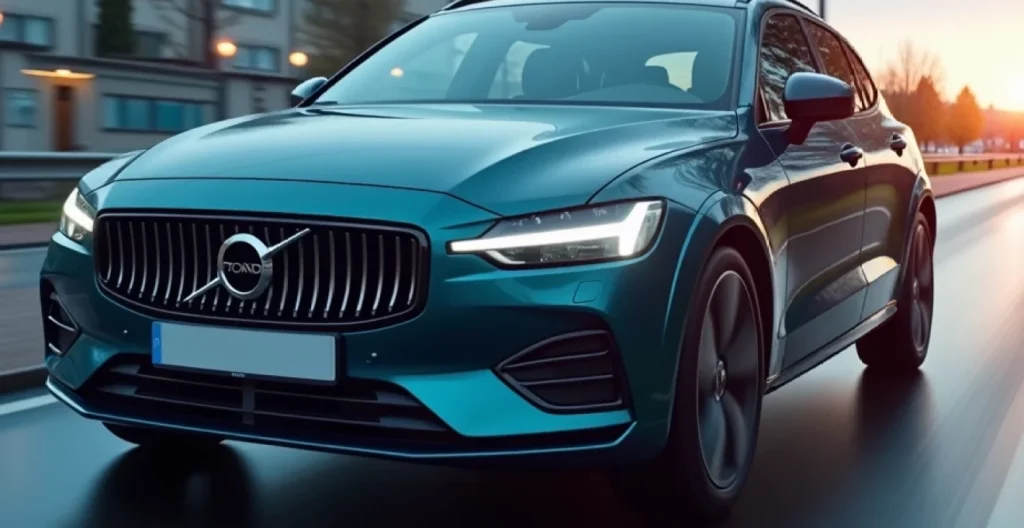
The acquisition of a brand-new vehicle is a milestone moment—a blend of excitement, pride, and the anticipation of cutting-edge performance. Whether it is a sleek urban commuter or a robust family SUV, a new car represents a significant financial investment. Yet, beyond the allure of the showroom, there lies a critical responsibility: securing the vehicle with an insurance policy that acts as a robust financial shield. In an era where automotive technology is evolving at breakneck speed, understanding the intricacies of new vehicle insurance is no longer just a legal formality; it is a vital strategy for protecting your assets and ensuring long-term peace of mind.
The Fundamentals: Legal Obligations and the Realities of Risk
The Legal Mandate
In many jurisdictions, including France and across the European Union, the mandate is absolute: driving an uninsured vehicle is not only a logistical oversight but a grave legal infraction. From the very moment you take possession of your new set of keys, the vehicle must be covered by a minimum of "Third-Party Liability" (civil liability) insurance. This mandate remains in effect even if the car is parked in a private garage and is not currently being driven on public roads.
The Risks of "Minimum Coverage"
While "Third-Party" insurance satisfies the letter of the law by covering damages you may inflict upon others—such as property damage or bodily injury to third parties—it is notoriously inadequate for a new vehicle. By definition, basic coverage provides zero protection for your own car. In the event of a self-inflicted accident, theft, or natural disaster, the owner of a new vehicle with only basic insurance faces a total financial loss. Given the high depreciation curve and replacement cost of modern vehicles, relying solely on mandatory minimums is a gamble that few can afford to take.
Consequences of Non-Compliance
The penalties for failing to insure a vehicle are severe and multifaceted. Law enforcement agencies utilize automated license plate recognition systems that can identify uninsured vehicles in real-time. Consequences often include:
- Substantial Fines: Often reaching thousands of euros/dollars for repeated offenses.
- Vehicle Impoundment: Immediate seizure of the vehicle by authorities.
- License Suspension: The potential loss of driving privileges.
- Unlimited Personal Liability: If an accident occurs while uninsured, the driver is personally responsible for all damages, which can lead to life-altering debt.
Choosing the Right Formula: A Strategic Approach
Choosing an insurance policy for a new vehicle requires a shift in mindset from "compliance" to "asset protection."
Tiered Coverage Comparison
| Coverage Type | Liability Coverage | Own Damage | Theft/Fire | Glass Breakage |
|---|---|---|---|---|
| Third-Party | Yes | No | No | No |
| Third-Party Plus | Yes | Limited | Yes | Yes |
| Comprehensive (All-Risks) | Yes | Yes | Yes | Yes |
For most new vehicle owners, Comprehensive Insurance is the industry standard. It shields the owner against a wide spectrum of risks, including accidental damage, vandalism, natural disasters, and fire. When your vehicle’s market value is at its peak, the premium difference between basic and comprehensive coverage is a small price to pay for the security of your investment.
Value-Added Protections for New Cars
Modern insurance policies offer specialized riders designed for the unique lifecycle of a new car:
- "New Value" Guarantee: This is perhaps the most critical add-on. If the car is totaled or stolen within the first 12 to 36 months, the insurer compensates the owner based on the original purchase price rather than the current market value (which accounts for depreciation). This prevents the "equity gap" that often leaves owners unable to afford a replacement car of the same caliber.
- Advanced Driver Assistance System (ADAS) Coverage: As vehicles become more autonomous, sensors, cameras, and lidar systems integrated into windshields and bumpers have made repairs significantly more expensive. Specialized glass and sensor coverage is essential to avoid astronomical out-of-pocket costs.
Financial Optimization and Strategic Cost Management
The cost of insuring a new car can be daunting, but consumers have several levers to optimize their premiums without compromising on safety.
The Role of Deductibles
The deductible (the amount paid by the policyholder in the event of a claim) is a primary driver of premium costs. A higher deductible results in lower annual premiums. For a new car, owners should weigh their liquidity—can you afford a €1,000 deductible if a minor accident occurs? If yes, opting for a higher deductible can save hundreds annually, which can be set aside in an emergency fund.
The Telematics Revolution
"Pay-how-you-drive" insurance is gaining traction. By installing a telematics device or using an app, the insurer monitors braking, acceleration, and speed. For prudent drivers, this data-sharing agreement can lead to significant premium reductions. It is an ideal solution for those who are confident in their driving habits and wish to lower costs through objective data.
Security and Anti-Theft Measures
Insurance companies reward risk mitigation. Installing a verified GPS tracker, a Thatcham-approved alarm system, or a steering wheel lock can trigger discounts. Before purchasing, check with your insurer to see which anti-theft devices qualify for rate reductions.
The Chronology of Registration and Insurance
The intersection of vehicle registration and insurance can be a "chicken-and-egg" scenario. You generally need an insurance certificate to register the car, but you need a license plate (VIN) to finalize the insurance.
- Provisional Coverage: Most reputable insurers offer a 30-day provisional cover note. This allows you to legally drive the vehicle home from the dealership while the formal registration paperwork is processed.
- Activation: Once the vehicle is registered, the insurance provider must be notified of the official plate number to convert the provisional cover into a long-term policy.
- The "Garage" Rule: Even if a car is being held for a few days before use, it must be covered. A vehicle in a garage is still subject to fire, theft, and flooding risks, all of which fall under the scope of a comprehensive policy.
The Intersection of Technology and Liability
The modern vehicle is a computer on wheels, and this transformation is reshaping the insurance landscape.
Electric and Hybrid Specifics
Electric vehicles (EVs) present unique risks, primarily regarding battery health and thermal management. Some insurers now include specific clauses for battery replacement or damage caused by charging station surges. Furthermore, because EVs are often viewed as "green" and technologically advanced, some providers offer preferential rates to incentivize eco-friendly driving.
The Shift Toward Autonomous Vehicles
As we move toward higher levels of autonomy, the concept of "driver error" is fading. Insurance models are currently in a state of flux, moving toward a hybrid structure that covers both the human occupant and the software manufacturer. In the near future, we expect to see "product liability" becoming a larger component of standard automotive policies, as automakers take on more responsibility for vehicle operation.
Supporting Data and Industry Trends
Recent data from automotive insurance institutes indicate that vehicles equipped with ADAS (Automatic Emergency Braking, Lane Keep Assist) are 20% less likely to be involved in a rear-end collision. However, the cost of repairing these vehicles is 30% higher than traditional models. This creates a market paradox where safety technology reduces the frequency of accidents but increases the severity of repair costs. Consequently, insurers are incentivizing the adoption of these technologies, as the long-term benefit of fewer high-casualty accidents outweighs the increased cost of sensor replacement.
Official Responses and Expert Advice
Industry experts consistently advise that the "cheapest" policy is rarely the most economical. A policy with a low premium but high "hidden" exclusions can lead to financial ruin. Regulatory bodies, such as the Autorité de contrôle prudentiel et de résolution (ACPR) in France, emphasize that policyholders must read the "General Terms and Conditions" document thoroughly.
Expert Recommendations:
- Renegotiate Annually: Your risk profile changes as you gain driving experience. Every 12 months, contact your provider to ask for a rate review.
- Bundle Policies: If you have home or life insurance, bundling your auto policy can yield a multi-contract discount of 10-15%.
- Verify Repair Networks: Ensure your policy allows you to choose your own repair facility or guarantees the use of "original manufacturer parts" (OEM) rather than generic aftermarket components.
Implications for the Future
As the automotive sector moves toward electrification and full automation, the insurance industry is transitioning from a reactive model to a proactive, predictive one. We are likely to see the end of static annual premiums in favor of dynamic, real-time pricing based on vehicle health diagnostics and individual driving patterns.
For the modern consumer, the takeaway is clear: the car is an asset, but the insurance policy is the foundation upon which that asset rests. By understanding the legal requirements, leveraging technology, and choosing comprehensive coverage, you transform your insurance from an administrative burden into a powerful tool for financial security. In the high-stakes environment of modern driving, preparation is the ultimate form of protection.
