By Mael Pilven
Automotive and Geopolitics Correspondent
Main Facts: The Escalating Security Crisis Over Connected Vehicles
The modern automobile is no longer merely a mechanical device designed to transport passengers from point A to point B. It has evolved into a sophisticated, highly connected computer on wheels—a data-harvesting node equipped with high-definition cameras, sensitive microphones, ultrasonic sensors, and powerful LiDAR systems.
This digital transformation, while revolutionizing autonomous driving and user convenience, has turned the automotive sector into a prime theater for geopolitical espionage concerns.
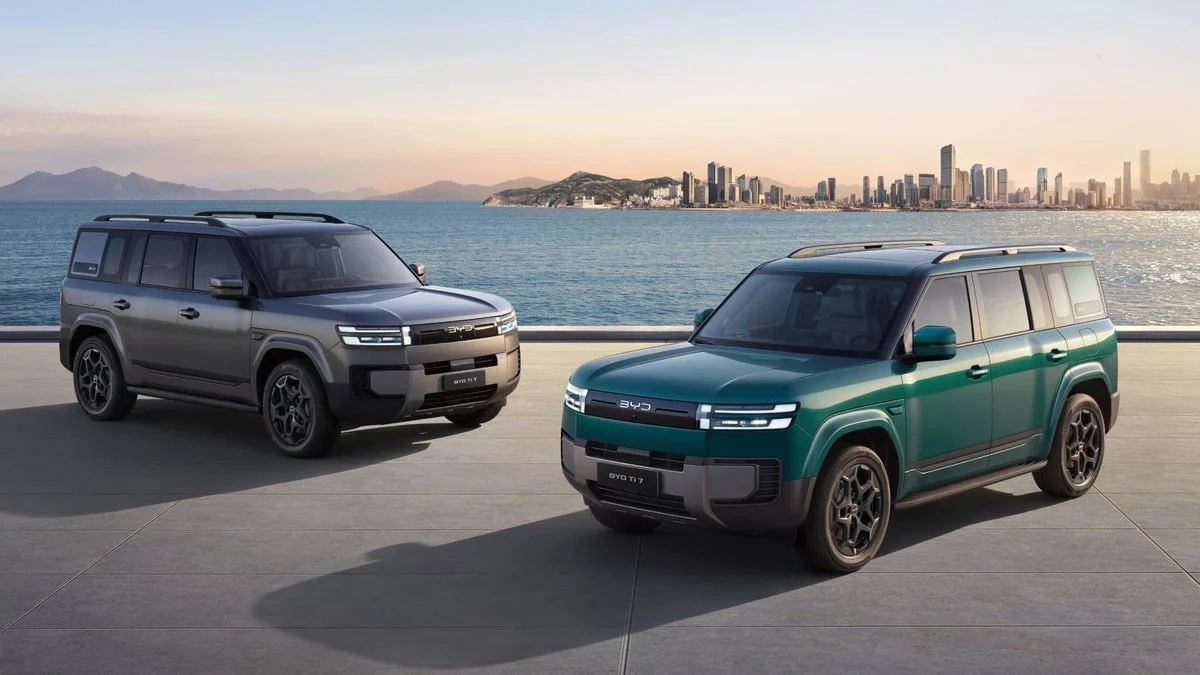
The gravity of this paradigm shift was underscored on Monday, October 26, 2026, when vehicles manufactured by the Chinese automotive giant BYD were officially banned from entering Kadena Air Base, a vital U.S. military installation situated on the Japanese island of Okinawa.
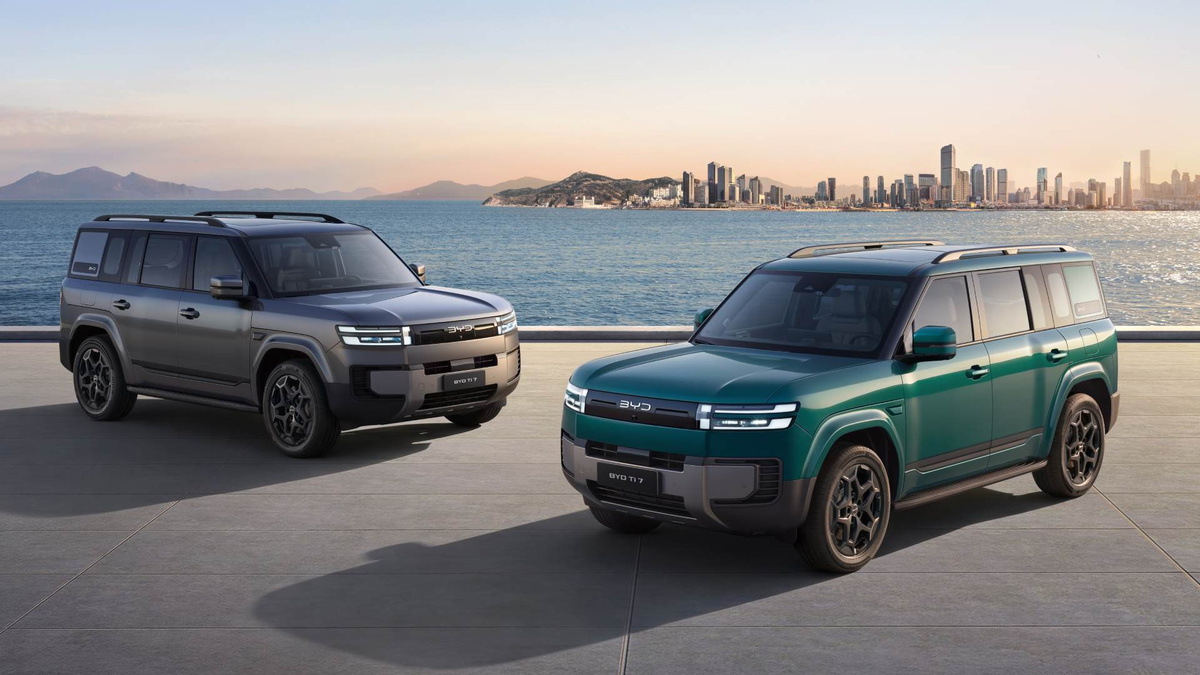
The restriction is sweeping and absolute: private automobiles, commercial taxis, and delivery vans bearing the BYD badge are all barred from crossing the threshold of one of the United States Air Force’s most strategic strongholds in the Asia-Pacific region.
This localized ban is far from an isolated incident. Instead, it serves as a prominent symptom of a rapidly expanding international rift. Governments across North America, Europe, and the Middle East are increasingly viewing Chinese-engineered connected vehicles not as consumer goods, but as potential Trojan horses capable of gathering classified intelligence near sensitive military sites, government installations, and critical infrastructure.
Chronology of Events: From Local Apprehensions to Global Bans
The escalation of mistrust surrounding Chinese automotive technology has unfolded rapidly over the past few years, evolving from quiet regulatory scrutiny into explicit geopolitical prohibitions.
- 2021 (China restricts Tesla): In a historical irony, the defensive posture over automotive data collection initially materialized in reverse. The Chinese government barred Tesla vehicles from entering various military and government complexes. Beijing expressed deep concern that the American automaker’s external cameras could capture and transmit sensitive state secrets. (These restrictions were eventually lifted in 2024 after Tesla satisfied strict local data-security compliance audits).
- February 2026 (Poland’s Military Restrictions): Moving closer to the present crisis, Poland enacted strict measures forbidding Chinese-branded vehicles from entering domestic military installations. Simultaneously, Polish military personnel were explicitly prohibited from pairing their professional mobile phones with the infotainment systems of any connected foreign vehicle.
- June 2026 (The US Blocks Polestar): Washington ratcheted up economic and technological barriers by denying Swedish electric vehicle brand Polestar—controlled by China’s Geely holding group—authorization to market new vehicle models in the United States starting with the 2027 model year. While existing inventories could be sold, the ruling effectively shut out upcoming iterations, presenting a bizarre geopolitical paradox given that the Polestar 3 is manufactured domestically in the U.S.
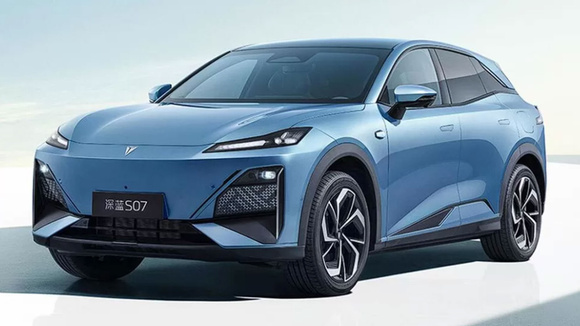
- September 2026 (The Norwegian Military Incident): During a sensitive NATO-allied military exercise in Norway, visiting soldiers renting civilian vehicles made an alarming discovery. Their Chinese-supplied rental cars (specifically models from Changan) were actively recording and storing video footage of their driving itineraries, including approach routes and security access codes typed into checkpoints near classified sites.
- October 26, 2026 (The Kadena Air Base Ban): The culmination of these mounting anxieties materialized at Kadena Air Base in Okinawa, where U.S. military authorities officially blocked all BYD vehicles from entry, citing unmitigated security risks to personnel and mission readiness.
Supporting Data: The Technological Arsenal Inside Modern Cars
To understand why military and intelligence agencies are growing increasingly paranoid about contemporary vehicles, one must examine the sheer volume of hardware integrated into today’s mass-market cars.
Modern vehicles are packed with technologies that far exceed the functional requirements of basic navigation and safety:
- High-Definition Optical Cameras: Typically numbering between 5 and 12 per vehicle, these external lenses provide 360-degree visibility for advanced driver-assistance systems (ADAS) and parking features. However, they are equally capable of recording surrounding infrastructure, troop movements, and facility layouts with pinpoint clarity.
- LiDAR and Radar Sensors: Utilizing high-powered laser beams and radio waves to map the immediate physical environment in three dimensions, LiDAR systems can construct extraordinarily precise digital models of physical geography, including security perimeters, gate locations, and topography around sensitive zones.
- Always-On Connectivity: Embedded 4G/5G modems allow cars to constantly communicate with cloud servers, downloading software updates while transmitting telemetric data, location histories, and driving habits back to the manufacturer.
- Microphones and Acoustic Arrays: Voice-activation features and hands-free calling systems require sensitive interior microphones that capture cabin audio, creating potential avenues for accidental or targeted eavesdropping on confidential conversations.
Despite this extensive hardware footprint, cybersecurity experts and industry analysts point out a critical nuance: collecting data is not synonymous with transmitting it. Whether a vehicle actually offloads sensitive information to foreign servers depends entirely on its proprietary software architecture, encryption standards, and data governance policies. To date, neither U.S. authorities nor allied intelligence agencies have publicly released definitive forensic proof that BYD—or any other major Chinese automaker—has actively exfiltrated foreign military data to Beijing.
Nevertheless, in the realm of national security, the potential capability to gather intelligence is frequently treated with the same severity as proven hostile intent.
Official Responses and Diplomatic Posturing
The diplomatic fallout from these restrictions has highlighted a deepening global technological cold war, with governments adopting precautionary measures rooted in worst-case-scenario planning.
Speaking to international media outlets regarding the Kadena Air Base directive, base spokesperson Alli Stormer articulated the hardline stance adopted by defense planners: "These vehicles present an unacceptable and unmitigated risk to our personnel and our mission."
This decision follows closely on the heels of the Pentagon’s controversial late-2025/early-2026 updates to its blacklist, which formally identified several Chinese automotive and technology conglomerates as entities maintaining close ties with the People’s Liberation Army (PLA).
The targeted manufacturers and Beijing have consistently rejected these characterizations, framing the bans as protectionist trade tactics disguised as national security concerns. Chinese industry representatives argue that Western nations are weaponizing security anxieties to shield legacy domestic automotive industries from the hyper-competitive onslaught of affordable, technologically advanced Chinese electric vehicles.
Meanwhile, Western regulators counter that the integration of Chinese software and hardware into critical national supply chains creates an asymmetrical vulnerability that autocratic states could exploit during a future geopolitical crisis.

Interestingly, this paranoia is not uniformly applied across all brands tied to Chinese conglomerates. While Polestar faced a devastating block on its future U.S. sales due to its Chinese ownership structure, its corporate sibling Volvo Cars—also owned by Geely—successfully navigated regulatory hurdles and retained full clearance to continue marketing its vehicles in North America. This discrepancy highlights the ad-hoc, highly scrutinized nature of current regulatory frameworks, where corporate governance, manufacturing origins, and software provenance are weighed individually.
Broader Implications: The Reimagining of the Automobile
The ongoing controversy surrounding BYD, Polestar, and other connected marques signals a fundamental, permanent shift in how society perceives the automobile. For over a century, the car was understood primarily as an industrial mechanical product governed by transport laws, emissions standards, and crash-test ratings.
Today, it has been forcefully thrust into the realm of information technology and cybersecurity.
As vehicles become increasingly software-defined, the boundaries separating consumer electronics, critical infrastructure, and national defense continue to dissolve. If a family hatchback or a commercial delivery van possesses the computational power and sensor suite of a reconnaissance drone, governments will naturally treat it as such—especially when parked within the perimeter of strategic military assets like Okinawa’s Kadena Air Base.

Looking forward, this trend points toward a heavily Balkanized global automotive market. As countries implement rigorous "trustworthy technology" mandates, automakers may find themselves forced to decouple their supply chains, utilizing localized software stacks, domestic data servers, and regionalized hardware components to clear regulatory hurdles.
For consumers, the era of the truly globalized, universally compatible connected car is rapidly drawing to a close, replaced by a fragmented landscape where geopolitics dictates which vehicles are permitted to drive down the road—and where they are allowed to park.