

A Historic Shift for French Motorsport
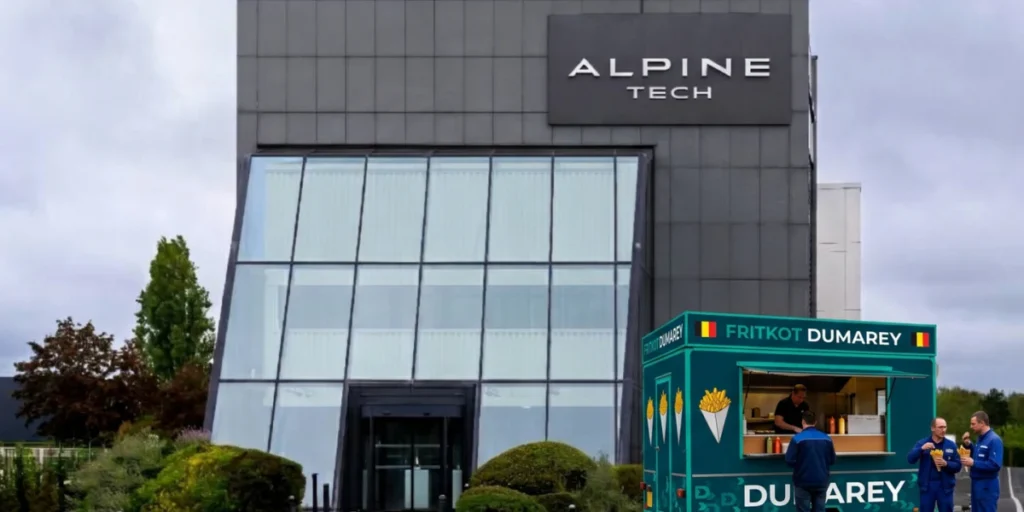
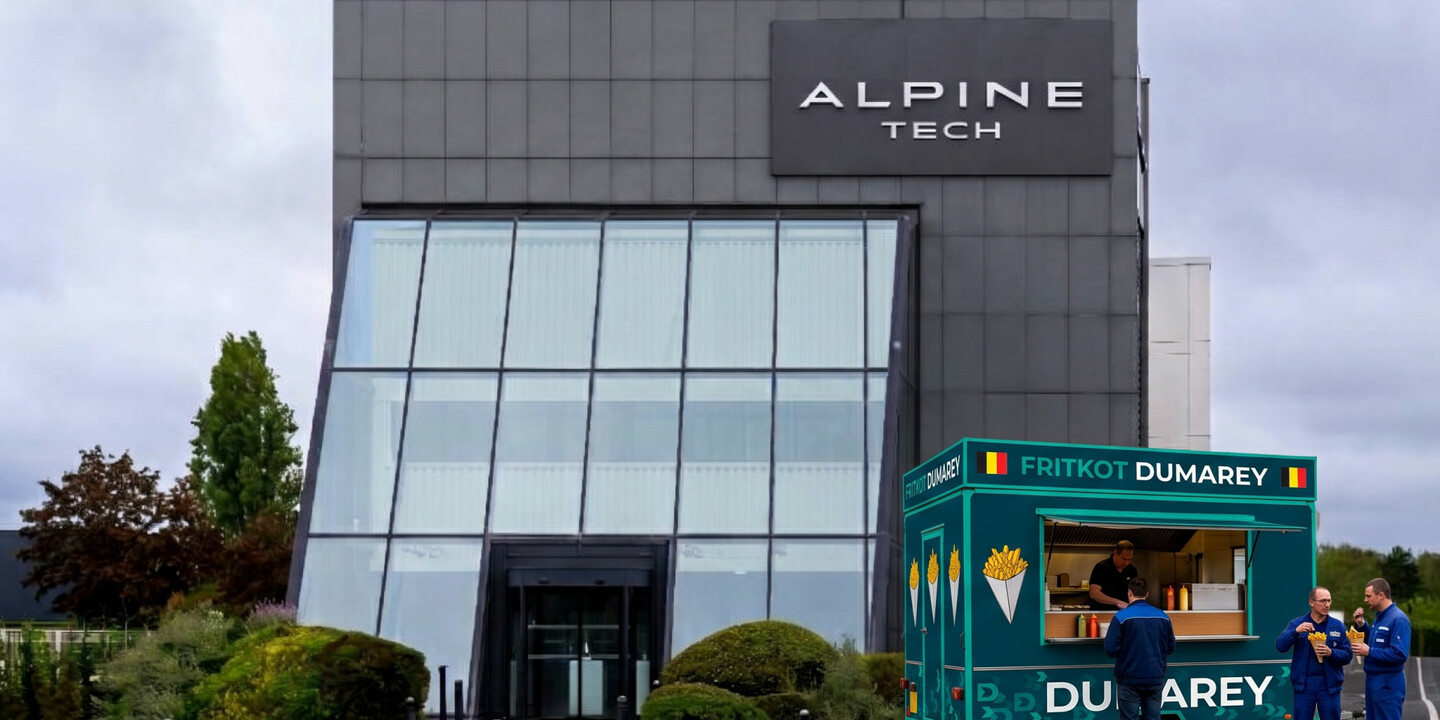
The landscape of French automotive engineering is on the brink of a profound transformation. Renault Group, the iconic manufacturer behind decades of Formula 1 glory, has officially announced the commencement of exclusive negotiations for the sale of Alpine Racing SAS—the entity that governs the legendary Viry-Châtillon site—to the Belgian industrial conglomerate, Dumarey Group.
This move follows the highly publicized and somber decision by Renault to terminate its internal Formula 1 engine development program at the conclusion of the 2025 season. As the "cathedral of French mechanics" prepares to silence its F1 test benches for good, the potential acquisition represents more than just a business transaction; it is a strategic repositioning of one of the world’s most sophisticated automotive research hubs.
Chronology: From F1 Dominance to Industrial Transition
The history of the Viry-Châtillon site is synonymous with the rise of the turbo era and the subsequent dominance of Renault in motorsport. To understand the gravity of the current situation, one must look at the timeline of events that led to this crossroads:
- 1976: The creation of Renault Sport, establishing Viry-Châtillon as the heart of Renault’s racing operations.
- 1977–2025: A near half-century of continuous innovation, including 12 Constructors’ World Championships and 11 Drivers’ World Championships as an engine supplier.
- July 2024: Internal discussions intensify regarding the viability of the F1 engine program, with mounting costs and a widening performance gap compared to rivals.
- September 2024: Renault Group confirms the "transformation project" for Viry-Châtillon, effectively signaling the end of F1 engine production.
- October 2024: Renault announces the start of exclusive negotiations with the Dumarey Group to take over the facility, marking the beginning of a new chapter for the workforce and the site’s intellectual assets.
Supporting Data: The Anatomy of the Deal
The proposed acquisition is not a total fire sale of Renault’s racing pedigree, but rather a surgical extraction of engineering capacity.
The Buyer: Dumarey Group
Led by Guido Dumarey, the Belgian group is a significant player in the automotive supply chain. Best known for Dumarey Powerglide, the group specializes in advanced transmission systems, hybrid powertrains, and engineering services. Their interest in Viry-Châtillon is not rooted in F1 racing history, but in the future of propulsion technology.
The Scope of the Transaction
- Included: The facility at Viry-Châtillon, including its specialized testing equipment, simulation software, and the intellectual property related to high-performance batteries and hybrid powertrain development.
- Excluded: The Enstone-based Alpine Racing Limited (the F1 team chassis operations), the World Endurance Championship (WEC) program, and all customer racing divisions (Clio Rally/Cup and Alpine A110 Cup/GT4).
The Workforce
Following a series of voluntary departure plans, the current headcount at Viry-Châtillon has stabilized at approximately 150 highly skilled specialists. These engineers, often cited as some of the best in the world in the fields of thermodynamics and energy recovery, represent the primary "value" of the acquisition.
Strategic Implications: Engineering as a Service
The vision presented by the Dumarey Group centers on a transition from "race-to-win" to "engineering-as-a-service."
Pivoting to Third-Party Consultancy
Guido Dumarey’s intent is to transform the Viry site into a specialized consultancy and development hub. The goal is to leverage the unique expertise of the staff to offer:
- Software and Simulation: Using the high-fidelity modeling tools developed for F1 to assist other manufacturers in the automotive sector.
- Next-Gen Propulsion: Developing bespoke solutions for hydrogen combustion engines, high-performance battery integration, and advanced hybrid systems.
- Industrial Scaling: Applying the "race-speed" engineering culture of Viry to solve production-level problems for automotive OEMs who lack the in-house capability for such rapid R&D.
The "Enstone" Decoupling
The decision to separate the engine factory (Viry) from the chassis factory (Enstone) is a significant departure from the "works team" model. Alpine F1 will transition to a "customer team" status, likely sourcing power units from an established manufacturer such as Mercedes-Benz. This creates a firewall between the racing team’s operational budget and the engineering consultancy that will now reside under the Dumarey umbrella.
Official Responses and Stakeholder Reactions
Renault Group has framed this transition as a way to preserve the legacy of the Viry site while ensuring the long-term viability of the staff. By handing the reins to an industrial player like Dumarey, Renault argues that it is avoiding the site’s closure and providing the team with a "second life" in a commercial engineering environment.
However, the mood within the workforce remains complex. While the prospect of job security under a new owner is welcomed by some, others mourn the loss of the "racing heartbeat" that has pulsed through the site for nearly 50 years.
Industrial Analysts’ Perspective:
Industry experts suggest that this deal is a pragmatic response to the cooling interest in the current F1 hybrid power unit regulations. By offloading the engine program, Renault aims to streamline its corporate structure and refocus capital on its "Renaulution" strategic plan, which prioritizes electric vehicle (EV) mass-market transition over the heavy expenditure of F1 engine development.
Looking Ahead: The Challenges of Transition
The success of this acquisition will hinge on three critical factors:
- Culture Shift: Moving from the hyper-competitive, time-pressured environment of Formula 1 to a broader industrial consultancy model requires a significant cultural pivot. Can a team optimized for milliseconds survive in an environment optimized for product lifecycles and cost-efficiency?
- Market Viability: The demand for high-end engineering consultancy is strong, but the competition is fierce. Dumarey will need to leverage the "Viry brand" to attract clients who previously might not have considered an external partner for their R&D needs.
- Integration: The transition period is expected to be delicate. Maintaining the morale of the 150 engineers during this period of uncertainty will be the primary challenge for the incoming management team.
The WEC and Customer Racing Independence
It is crucial to emphasize that the programs under Philippe Sinault (Alpine Endurance Team) and the customer racing divisions will remain untouched. By keeping these programs separate from the Dumarey deal, Renault ensures that the "Alpine" name continues to compete in the motorsport arena, albeit with a different engine provider.
The WEC program, in particular, remains a core marketing pillar for the Alpine brand. As the world of endurance racing pivots towards hybrid and hydrogen-fueled prototypes, the expertise residing at Viry might still, ironically, find its way back into the Alpine racing fold as a client of the new entity.
Conclusion: A New Era for a Storied Facility
The potential sale of Alpine Racing SAS to the Dumarey Group marks the end of a golden era for Renault’s internal combustion legacy. Yet, it also signifies the birth of a new, potentially more versatile industrial powerhouse.
For the engineers at Viry-Châtillon, the silence of the test benches is not an end, but a transformation. As the automotive industry navigates the difficult transition to carbon neutrality, the skills honed in the pursuit of Formula 1 victories—precision, thermal efficiency, and software agility—may prove to be exactly what the future of sustainable transport requires. Whether this "Blue-White-Red" jewel successfully transitions to a "Black-Yellow-Red" ownership remains to be seen, but one thing is certain: the spirit of innovation in Essonne is far from extinguished.
