

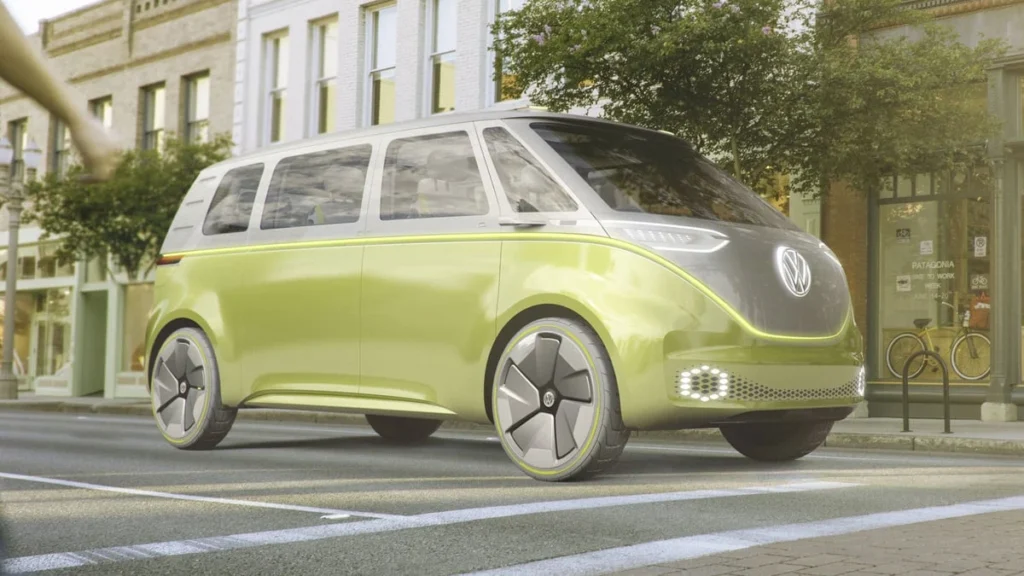
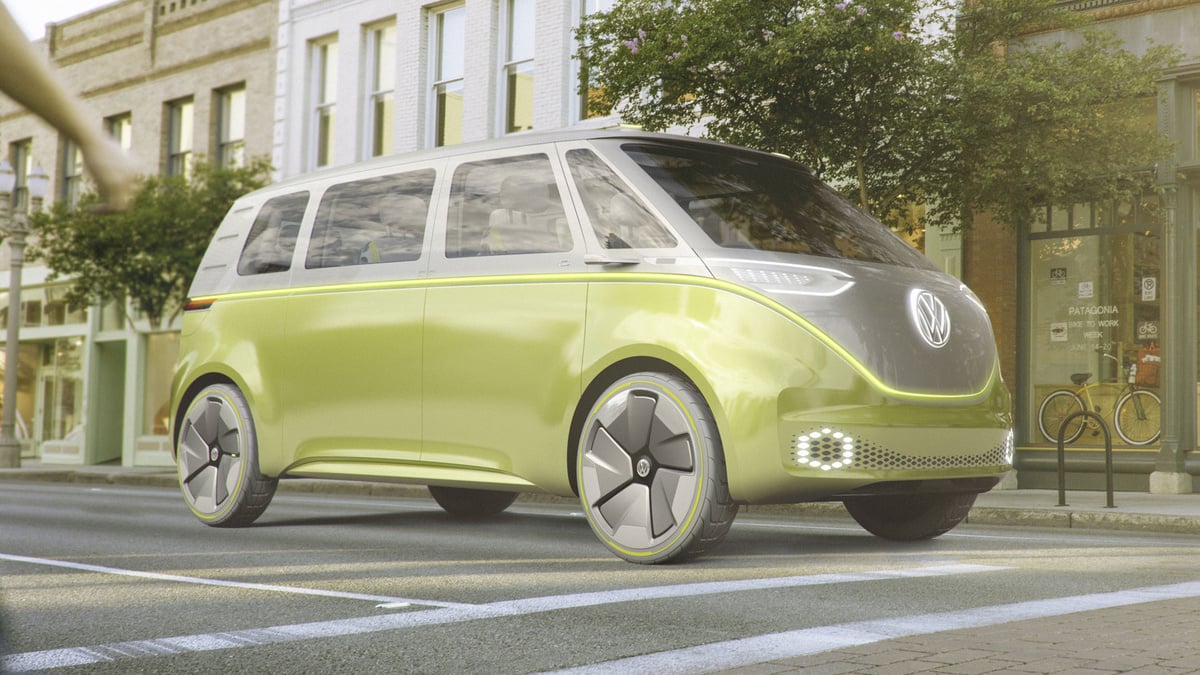
Volkswagen has officially confirmed that its charismatic, retro-styled electric van, the ID. Buzz, will receive a complete, ground-up second-generation overhaul by the end of the decade. While the vehicle has won hearts globally with its distinct nod to the legendary Type 2 Microbus, high pricing has hampered mainstream adoption. To secure the long-term viability of its electric MPV, Volkswagen is planning an imminent interior ergonomics update followed by a sweeping technical reinvention by 2030.
Main Facts: The ID. Buzz Strategic Pivot
During the Paris Motor Show, Volkswagen CEO Thomas Schäfer officially validated the development of a second-generation ID. Buzz. This announcement signals a pivotal turning point for the German automaker’s electric vehicle (EV) strategy.
Launched in 2022 as a modern halo vehicle for Volkswagen’s zero-emission lineup, the ID. Buzz captured the imagination of consumers and media alike. Its playful design, spacious interior, and nostalgic aesthetic made it an instant icon. However, enthusiasm has been severely tempered by economic realities. With a starting price of roughly €49,540 for the 5-seater configuration and climbing to €59,350 for the 7-seater variant in Europe, the current ID. Buzz remains out of reach for many families and traditional van buyers.
To correct this trajectory, Volkswagen has laid out a two-tier strategy:
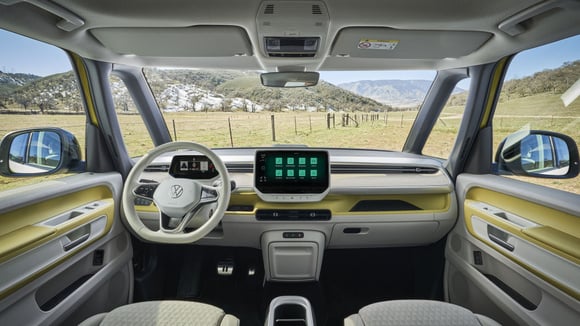
- The Short-Term Fix: A comprehensive interior ergonomics refresh for the current generation, abandoning the widely criticized "all-touch" philosophy in favor of tactile, physical controls.
- The Long-Term Solution: A complete redesign arriving by 2030, underpinned by the Volkswagen Group’s advanced SSP (Scalable Systems Platform) architecture and cost-effective Lithium Iron Phosphate (LFP) battery technology.
By transitioning away from the current MEB platform to the SSP architecture, the next-generation ID. Buzz promises exponential improvements in driving range, charging speeds, software capabilities, and—crucially—mass-market affordability.
Chronology: From the 2022 Launch to the 2030 Horizon
Understanding the trajectory of the ID. Buzz requires mapping out its past, present, and projected future:
- March 2022 (Global Debut): Volkswagen officially unveils the production version of the ID. Buzz, echoing the spirit of the classic "Combi" while packed with modern electric architecture.
- Late 2022 – 2023 (Market Rollout): The vehicle hits European and select international markets. While critical acclaim is high, early sales figures highlight the friction caused by steep price tags.
- October 2024–2026 (The Course Correction): Recognizing the ergonomics backlash against touch-sensitive sliders and screen-heavy interiors, Volkswagen initiates a cabin overhaul across its electric fleet (affecting models like the ID.3, ID. Tiguan, and incoming vehicles) to restore physical buttons.
- October 2026 (Official Confirmation): At the Paris Motor Show, VW CEO Thomas Schäfer formalizes plans for a second-generation ID. Buzz, confirming it will drop the MEB platform in favor of the SSP architecture.
- 2026 – 2029 (The Interim Phase): The first-generation ID. Buzz continues production, benefiting from mid-cycle software updates and minor interior refinements while supply chains adjust.
- By 2030 (The Second Generation): The all-new ID. Buzz 2 debuts, introducing state-of-the-art LFP batteries, drastically reduced production costs, and a thoroughly modernized, production-optimized retro design.
Supporting Data: Costs, Platforms, and Specifications
The engineering shift from the MEB platform to the SSP architecture represents more than just a nomenclature change; it is a fundamental restructuring of how Volkswagen builds electric vehicles.
The Platform Shift: MEB to SSP
The current ID. Buzz relies on the MEB (Modular Electric Drive Matrix) platform, which served admirably as the foundational backbone for Volkswagen’s early EV wave (including the ID.3, ID.4, and ID.5). However, MEB development costs and current battery chemistry (typically nickel-manganese-cobalt, or NMC) have kept manufacturing overhead high.
The upcoming SSP (Scalable Systems Platform)—slated to debut widely across the Volkswagen Group, starting with models like the future Audi A3 e-tron—is designed to unify multiple vehicle segments under a single, highly scalable architecture. For the ID. Buzz 2, this means:
- Drastically Reduced Production Costs: Streamlined component sharing across the entire VW Group.
- Faster Charging Speeds: Leveraging advanced electrical architectures (likely moving toward 800-volt systems) to slash highway charging times.
- Greater Interior Packaging Efficiency: Maximizing internal volume while minimizing footprint.
The Battery Evolution: Adopting LFP Technology
A major contributor to the current ID. Buzz’s high price point is the cost of its high-density battery packs. For the second-generation model, Volkswagen plans to transition toward Lithium Iron Phosphate (LFP) batteries.
While LFP chemistry offers slightly lower energy density than premium NMC cells, it boasts significant advantages:
- Lower Material Costs: LFP cells do not require expensive cobalt or nickel, directly driving down the bill of materials.
- Enhanced Durability: LFP batteries typically support more charge cycles and degrade slower over time.
- Improved Thermal Safety: They are inherently more stable under high thermal stress.
When paired with the software efficiencies of the SSP platform, these LFP batteries will ensure that the ID. Buzz 2 maintains or even exceeds current driving ranges while stripping thousands of euros off the final retail price.
Official Responses: Leadership Insights on Design and Strategy
Guiding a vehicle with such heavy nostalgic weight is a delicate balancing act. Volkswagen’s leadership has been vocal about the lessons learned from the first-generation model and the path forward.
Thomas Schäfer on Market Realities
By confirming the second-generation model at the Paris Motor Show, CEO Thomas Schäfer demonstrated transparency regarding the original vehicle’s commercial limitations. While acknowledging the van’s unmatched emotional appeal, Schäfer’s greenlighting of an SSP-based successor proves that emotional design alone cannot sustain a vehicle if the financial barrier to entry remains too high for everyday families, tradespeople, and adventure seekers.
Andreas Mindt on the Dangers of "Too Much Retro"
Design chief Andreas Mindt has offered critical insight into the styling philosophy of the future ID. Buzz. While the original model’s silhouette remains its single greatest asset, VW is hyper-aware of the pitfalls of over-reliance on nostalgia.

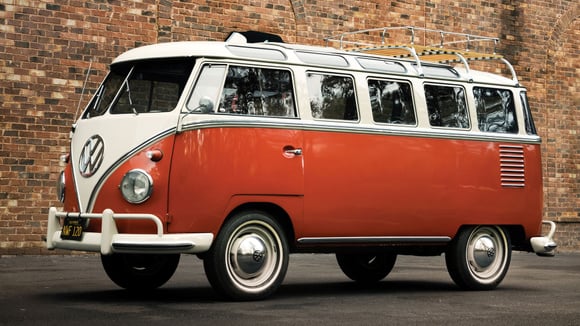
Drawing a parallel to the modern Volkswagen New Beetle—which enjoyed initial success before losing momentum as its novelty faded—Mindt emphasizes that the ID. Buzz 2 must avoid becoming a static caricature of the 1950s Type 2 Microbus.
"The challenge will be to preserve the friendly, approachable spirit of the vehicle without falling into the trap of a retro-design dead end," design experts note.
The future ID. Buzz must look forward, integrating fresh aerodynamic and aesthetic cues that appeal to modern sensibilities rather than relying exclusively on historical reverence.

Implications: What This Means for Consumers and the Market
The confirmation of a second-generation ID. Buzz carrying a lower price tag and advanced technology has broad implications for the electric vehicle landscape:
- Democratizing Electric Vanlife: The "vanlife" community and large families have eagerly embraced the concept of electric camping and road-tripping. However, at close to €50,000–€60,000+, the current market is restricted. A significantly cheaper second-generation model will open the floodgates for true mass adoption.
- The Vindication of Ergonomics: The interim interior update—dropping tactile climate sliders in favor of physical buttons and restoring separate window switches—proves that Volkswagen is listening to consumer feedback. The lessons learned from the ID. Buzz interior overhaul will likely benefit the brand’s entire product ecosystem.
- Pressure on Competitors: As Volkswagen streamlines its manufacturing through the SSP platform and LFP batteries, rival legacy automakers and EV startups developing electric people-movers will face intense pricing pressure.
Conclusion
The Volkswagen ID. Buzz remains one of the most endearing vehicles of the electric era. While its initial run has been slowed by economic hurdles and ergonomic missteps, Volkswagen’s proactive roadmap—featuring immediate cabin corrections and a definitive, cost-optimized, platform-sharing second generation by 2030—ensures that the electric Microbus dream has a bright, accessible, and sustainable future.
