

Introduction and Main Facts
Protecting a personal vehicle—and indeed an entire household fleet—has transitioned from a minor domestic preference to a critical maintenance strategy. In an era where automobile prices continue to surge, safeguarding one’s investment against the elements is paramount to preserving both mechanical integrity and aesthetic resale value. When a vehicle is left entirely exposed to the elements, it becomes acutely vulnerable to premature wear. Rain and humidity accelerate oxidation, leading to rust formation on undercarriages and body panels, while UV rays degrade clear coats, dashboard materials, and exterior trims. Consequently, unprotected vehicles suffer from accelerated depreciation, directly hitting the owner’s wallet when it comes time to trade them in or sell.
To combat this, homeowners increasingly turn to dedicated outdoor structures. While enclosed garages remain the gold standard, they are not always feasible due to budget constraints, local zoning restrictions, or a lack of property footprint. This has driven a massive surge in the popularity of the carport—a versatile, open-air shelter designed to shield vehicles from rain, hail, snow, and scorching sunlight.
However, choosing to install a carport is only the first step; the choice of material dictates the structure’s longevity, maintenance demands, and overall value. While traditional timber has long held a nostalgic appeal, modern architectural and environmental demands have propelled aluminium to the forefront of the industry. Aluminium carports offer a masterclass in modern engineering, combining lightweight durability, sleek aesthetics, and zero structural decay. This report explores the shifting tides of the carport market, analyzing why wood is rapidly falling out of favor, why aluminium is dominating modern residential planning, and how homeowners can select the ideal structure for their specific needs.
The Historical Evolution of Vehicle Shelters: From Wooden Sheds to Metal Innovations
Chronology of Outdoor Vehicle Protection
- The Early 20th Century (The Carriage Era Transition): As horse-drawn carriages gave way to the first mass-produced automobiles, vehicle storage evolved from traditional agricultural barns into dedicated domestic outbuildings. These early shelters were almost exclusively constructed from heavy timber and stone to match domestic architecture.
- The Mid-20th Century (The Mid-Century Modern Carport Boom): Pioneered by visionary architects like Frank Lloyd Wright, the carport as an open-sided architectural feature was born. Wood remained the primary material due to its low cost, local availability, and ease of manual construction by post-war builders.
- The Late 20th Century (The Maintenance Crisis): As decades passed, homeowners began reckoning with the structural realities of timber. Rot, insect infestations, and the relentless need for chemical stain applications led to widespread dissatisfaction with traditional wooden carports, prompting a search for industrial alternatives.
- The 21st Century (The Aluminium Revolution): Driven by advancements in metallurgy, powder-coating technologies, and a growing consumer demand for sustainable, circular-economy building materials, aluminium emerged as the dominant structural material for contemporary modular carports, seamlessly blending industrial strength with residential elegance.
The Downfall of Timber: Why Traditional Wooden Carports Are Falling Out of Favor
At first glance, the argument for a wooden carport appears sound. Wood is a natural, organic, and aesthetically warm material that blends harmoniously into rustic or traditional garden landscapes. Yet, this very organic nature is precisely what undermines its viability as a long-term outdoor shelter.
The Biological Vulnerability of Living Materials
Wood is a hygroscopic, living material. It absorbs and releases moisture depending on ambient humidity levels, causing it to swell, warp, and crack over time. Furthermore, wooden structures left exposed to the elements serve as prime targets for xylophagous (wood-boring) insects, including termites, woodworms, and carpenter ants. Left unchecked, these pests can hollow out structural posts from the inside, drastically compromising load-bearing capacities.
Simultaneously, constant exposure to rain and snow cycles encourages the growth of fungi, molds, and rot. Within just a few years, untreated or poorly maintained timber will turn a weathered gray, develop soft spots, and begin to disintegrate. In worst-case scenarios, a compromised wooden carport roof can collapse under the weight of accumulated snow or heavy winds, resulting in catastrophic damage to the vehicles parked underneath.
The Hidden Costs of Maintenance
To combat these biological and environmental threats, owners of wooden carports are locked into an ongoing maintenance cycle. Preventing decay requires the frequent application of chemical treatments, fungicides, water-repellent stains, and paints.
Beyond the direct financial cost of purchasing these maintenance products year after year, consumers must also consider the hidden environmental and health tolls. Many conventional wood treatments contain volatile organic compounds (VOCs) and toxic chemicals designed to repel insects and fungi. These substances leach into surrounding garden soil, contaminate rainwater run-off, and pose inhalation risks to both humans and domestic pets. When factoring in the cost of chemicals, labor, and the eventual total replacement of rotted timber sections, wood proves to be far more expensive over its lifecycle than initial estimates suggest.
The Aluminium Advantage: Engineering the Ultimate Modern Shelter
Faced with the exhaustive upkeep demands of timber, modern homeowners are overwhelmingly opting for aluminium. Far from looking purely industrial, today’s aluminium carports are precision-engineered design statements that offer a plethora of technical and practical benefits.
Unmatched Durability and Minimal Maintenance
Unlike wood, aluminium is completely inert to biological attacks; wood-boring insects have no appetite for metal, and fungi cannot root in it. Furthermore, high-grade architectural aluminium naturally forms a microscopic protective oxide layer when exposed to air, rendering it entirely immune to rust and corrosion, even in coastal environments laden with salt spray.
Maintenance is reduced to an absolute minimum. Because smooth powder-coated aluminium surfaces do not absorb grime, routine upkeep typically involves nothing more than an annual rinse with a garden hose. For urban areas prone to airborne pollution or rural spots under heavy tree canopies, a quick wipe down with a soapy sponge once a year is more than sufficient to restore the structure to a showroom finish.
Aesthetic Versatility and Architectural Harmony
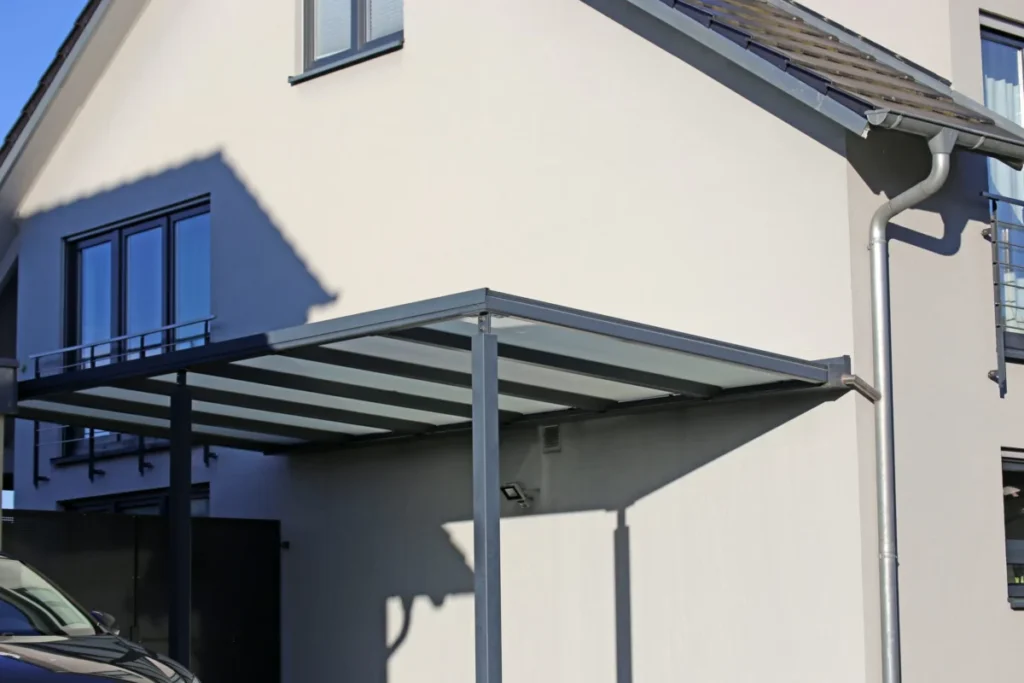
Skeptics of metal construction often worry that aluminium will look stark, cold, or out of place against traditional home architecture. In reality, aluminium is remarkably malleable and versatile. Modern manufacturing techniques allow these structures to be finished in a vast palette of powder-coated colors—ranging from subtle, matte charcoal grays and earthy taupes to crisp whites and custom color-matching tones that complement any residential facade.
Because aluminium can easily span wide distances without requiring intermediate support posts, it offers clean, unobstructed lines. This structural advantage makes aluminium carports exceptionally popular among owners of large vehicles, multi-vehicle households, and oversized recreational vehicles (RVs) or caravans, where tight turning radiuses and easy parking clearance are essential.
Sustainability and 100% Recyclability
In an era defined by climate consciousness, the ecological footprint of building materials is under intense scrutiny. Aluminium stands out as a champion of circular economy principles: it is 100% recyclable without any degradation of its mechanical properties. Recycling aluminium requires only a fraction (approximately 5%) of the energy needed to primary-extract the raw metal from bauxite ore. For eco-conscious consumers, choosing an aluminium carport aligns directly with broader sustainability goals.
Supporting Data & Industry Insights
To contextualize the shift toward aluminium in modern home improvements, several key market dynamics and material metrics illustrate the trend:
- Lifespan Comparison: While a standard treated-pine carport requires major structural repairs or replacement within 10 to 15 years, a high-quality powder-coated aluminium carport routinely exceeds 30 to 50 years of service life with virtually zero structural degradation.
- Maintenance Time Investment: Homeowners report spending an average of 6 to 10 hours per year scraping, sanding, treating, and repainting wooden outdoor structures. Aluminium reduces this annual time commitment to less than 1 hour of basic cleaning.
- Market Share Shift: According to recent European and North American outdoor construction market analyses, metal-framed carports (led predominantly by aluminium) have captured over 65% of new residential installations, displacing traditional wooden builds which now account for less than 30% of the premium custom market.
- Weight-to-Strength Ratio: Aluminium boasts an exceptional strength-to-weight ratio. It is roughly three times lighter than steel while offering immense rigidity, making it easy to install on various terrain types without requiring heavy industrial machinery, yet robust enough to withstand severe wind loads and heavy snow packs.
Official Responses and Expert Perspectives
Industry leaders, urban planners, and environmental experts have weighed in on the accelerating transition toward aluminium outdoor architecture.
Marc L., Lead Structural Engineer at a major European Aluminium Architecture Firm, notes:
"The engineering possibilities with aluminium have completely transformed how we approach secondary residential structures. In the past, achieving a wide span for a double carport required massive, unsightly wooden beams that would inevitably sag over time due to moisture absorption. Aluminium extrusions allow us to create slender, elegant profiles that can easily support heavy loads—including green roofs—while maintaining a lifetime guarantee against rot and structural fatigue. It represents a fusion of aerospace-grade durability and domestic design."
Clara Dupont, Environmental Consultant and Urban Planning Advisor, emphasizes the ecological shift:
"Consumers are increasingly aware of the hidden chemical burdens of their purchases. Traditional timber treatments rely on heavy chemical biocides to keep rot and insects at bay. When it rains, those toxins wash directly into garden water tables. Aluminium, while requiring energy to produce initially, completely eliminates the need for ongoing chemical maintenance over its multi-decade lifespan. Moreover, because it is infinitely recyclable at the end of its life without losing structural integrity, it fits perfectly into sustainable urban development frameworks."
Implications: Choosing the Right Aluminium Carport for Your Property
Opting for an aluminium framework is only the first step in creating the ultimate vehicle shelter. To maximize functionality and return on investment, homeowners must carefully evaluate several customization options during the planning phase.
1. Tailored Dimensions and Configuration
While standard off-the-shelf sizes are readily available, custom manufacturing is increasingly accessible and recommended. Homeowners should calculate not just the current footprint of their vehicle, but future automotive needs—such as transitioning to larger family SUVs or adding a second vehicle. Ensuring adequate clearance height and width prevents accidental scrapes and accommodates roof racks or cargo boxes.
2. Advanced Roofing Solutions
The roof of an aluminium carport can be customized far beyond basic corrugated plastic sheets. Modern options include:
- Insulated Sandwich Panels: Ideal for attached carports, these panels regulate thermal comfort underneath, preventing extreme heat buildup during summer months.
- Photovoltaic Integration: Solar panels can be seamlessly integrated onto aluminium carport roofs, turning a vehicle shelter into a clean energy generator for the home or electric vehicle (EV) charging station.
- Green Roofs (Vegetated Roofs): Increasingly popular for urban and suburban eco-homes, living sedum roofs enhance local biodiversity, improve microclimates, and provide natural insulation.
3. Multifunctional Outdoor Spaces
Modern carports are no longer strictly limited to parking. Many designs now incorporate integrated lockable storage sheds or garden tool enclosures under the same architectural footprint. This clever space-saving configuration is particularly advantageous for properties with limited outdoor space, combining vehicle protection, secure bicycle storage, and garden equipment organization into a single, cohesive, and aesthetically stunning structure.
Conclusion
The shift away from traditional wood toward high-performance aluminium carports represents a logical evolution in home improvement. By eliminating the perpetual cycle of chemical treatments, rot, insect damage, and structural degradation, aluminium offers homeowners a permanent, elegant, and environmentally responsible solution for vehicle protection. As automotive investments continue to grow, safeguarding them with a durable, maintenance-free, and customizable aluminium carport is an investment that pays dividends in longevity, aesthetics, and peace of mind.
