

For generations, the iconic rumble of a Harley-Davidson V-twin carried an unmistakable cultural weight, but it also came with hefty barriers to entry. Heavy, powerful, expensive, and intimidatingly complex, traditional American cruisers were rarely the machines a newly minted motorcyclist chose for their maiden voyage. More often than not, the legendary brand remained an aspirational poster on a wall—a dream reserved for veterans of the open road with deep pockets and full motorcycle licenses.
That historical paradigm is on the verge of a dramatic shift. Under the banner of a fresh corporate strategy known as "Back to the Bricks," the legendary Milwaukee manufacturer is preparing a bold maneuver to capture a younger, more budget-conscious demographic. Enter the Harley-Davidson Sprint 440: a compact, lightweight, A2-compliant cruiser designed from the ground up to open the gates of the Harley universe to entry-level riders by 2027.
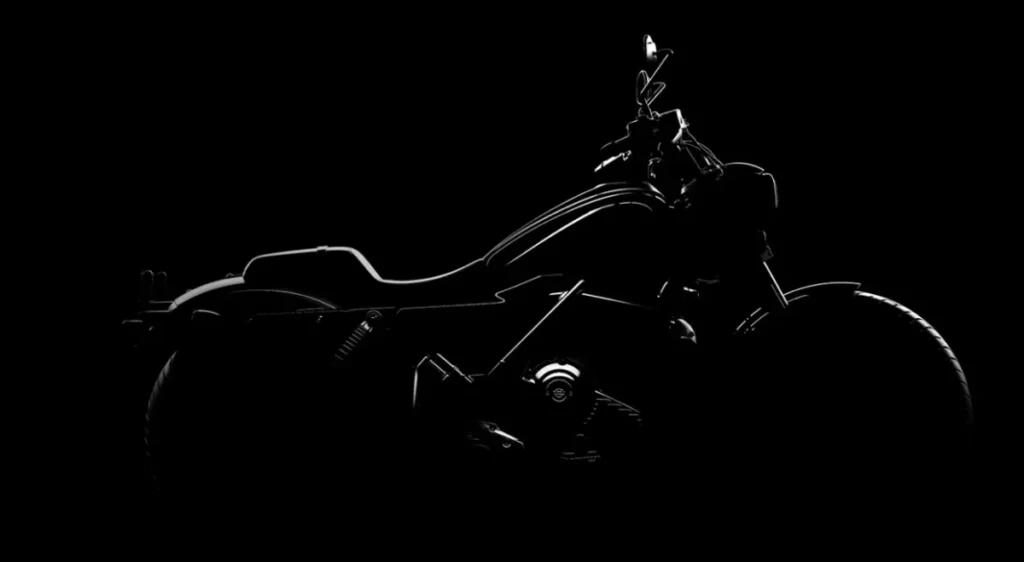
As teasing glimpses emerge on official channels—bathed in hints of silver, chrome, and classic cruiser geometry—the global motorcycle community is asking a critical question: Can a small-displacement machine built through an international partnership truly deliver an authentic Harley-Davidson experience on the road?
Main Facts: The Anatomy of the Harley-Davidson Sprint 440
The forthcoming Sprint 440 represents a significant pivot in product development, bridging the gap between historical heritage and modern accessibility.
At its technical core, the Sprint 440 borrows its mechanical foundation from the X440 platform, a machine co-developed with Indian manufacturing giant Hero MotoCorp. Rather than engineering a high-strung, high-revving sport bike engine, Harley-Davidson and Hero opted for a characterful mechanical setup tailored for daily usability and relaxed cruising.
- Engine Architecture: A long-stroke, air-and-oil-cooled single-cylinder engine equipped with two valves and a simple distribution system.
- Performance: Producing approximately 27 horsepower, the powerplant sits comfortably below the strict 35 kW (47 hp) limit required for European A2 license holders.
- Power Delivery: The long-stroke design prioritizes low- and mid-range torque over top-end horsepower, ensuring that acceleration feels punchy and responsive in urban environments.
- Transmission: A smooth-shifting six-speed gearbox that manages highway speeds while keeping engine vibrations manageable.
- Chassis and Ergonomics: Moving beyond a mere badge-engineering exercise, the Sprint adopts classic cruiser proportions. It features a long, low profile with a large roughly 19-inch front wheel paired with a smaller 16-inch rear wheel.
- Weight and Capacity: Industry expectations place the machine’s curb weight around 190 kg (approx. 418 lbs) fully fueled, utilizing a practical 13.5-liter fuel tank.
The official teasers paint a clear picture of the bike’s mission statement: "Lightweight, agile, built for the daily commute, city exploration, and weekend getaways." With a low seat height engineered to inspire confidence in shorter riders and beginners, the Sprint 440 is meticulously crafted to eliminate the intimidation factor historically associated with the brand.
Chronology: The Road to "Back to the Bricks"
The journey of the Sprint 440 did not happen overnight; it is the culmination of leadership restructuring, strategic pivots, and lessons learned from past missteps in the entry-level sector.
1. The Lessons of the Street Family (Late 2010s)
Harley-Davidson’s previous attempt to capture the entry-level and international markets resulted in the Street family (such as the Street 500 and 750), partially produced in India. While the bikes found niches, they ultimately failed to capture the hearts of European consumers and were phased out of the catalogue. Critics argued they lacked the soul and aesthetic pedigree expected of a true Harley.
2. Leadership Shift and Strategic Overhaul (May 2026)
Facing a delicate financial phase characterized by declining sales and shifting global demographics, the Motor Company underwent a vital executive restructuring. Artie Starrs stepped into the role of Chief Executive Officer, succeeding Jochen Zeitz.
On May 5, 2026, Starrs unveiled a comprehensive operational roadmap titled Back to the Bricks. The core philosophy of this initiative was simple yet radical: strip away over-complication, refocus on core competencies (including the triumphant return of the Sportster lineage), and establish a genuine, high-volume entry-level motorcycle that could onboard a new generation of riders.
3. The Indian Genesis: The Hero MotoCorp Partnership
To bypass the prohibitive manufacturing costs of building a small-displacement bike entirely in Western facilities, Harley-Davidson deepened its strategic alliance with Hero MotoCorp. Utilizing the successful mechanical blueprint of the locally distributed X440, Harley engineers began molding a dedicated cruiser variant tailored for global export.
4. Rollout Timeline (Late 2026 – 2027)
- Late 2026: Initial commercial launch of the platform derivatives in domestic markets like India.
- 2027 Model Year: Official arrival of the Harley-Davidson Sprint 440 in European showrooms, closely preceded by widespread digital reveals and pre-order campaigns.
Supporting Data: Pricing, Markets, and Technical Benchmarks
Understanding the market positioning of the Sprint 440 requires analyzing financial projections, geographic targets, and regulatory compliance metrics.
Financial Targeting
The economic strategy behind the Sprint 440 is designed to aggressively undercut traditional entry points while maintaining healthy margins through platform sharing.
- Global Target Price: Harley-Davidson executives have targeted a sub-$10,000 price point in the United States, hovering around an estimated $6,000 USD base (approximately €5,500 before local taxes and tariffs).
- European Pricing: Due to import logistics, regional taxes, and homologation costs, the Sprint 440 is projected to retail in Europe around the €8,500 to €9,200 mark.
- Intra-Brand Hierarchy: This positions the Sprint comfortably below the newly revitalized Sportster 883 and contemporary mid-weight cruisers, giving budget-conscious buyers an authentic stepping stone into the dealership network.
Comparative Metrics
| Feature | Harley-Davidson Sprint 440 | Traditional Sportster (Legacy) | Typical A2 Competitor (e.g., Royal Enfield / Honda) |
|---|---|---|---|
| Displacement | ~440cc Air/Oil-Cooled Single | 883cc – 1200cc V-Twin | 350cc – 500cc Single / Parallel Twin |
| Power Output | ~27 HP (A2 Compliant) | 50+ HP (Requires full A or restriction) | 20 – 47 HP |
| Wet Weight | ~190 kg | 250+ kg | 180 – 200 kg |
| Target Audience | New riders, A2 license holders, urban commuters | Experienced cruiser enthusiasts | Budget commuters, new riders |
| Estimated EU Price | ~€8,500 – €9,200 | €11,000+ | €5,000 – €7,500 |
Official Responses and Industry Reception
The announcement of the "Back to the Bricks" strategy and the development of the Sprint 440 has generated immense discussion across executive boardrooms, enthusiast forums, and motorcycle journalism outlets.
Executive Perspective
Speaking on the necessity of the new roadmap, CEO Artie Starrs emphasized that brand survival depends on welcoming broader demographics into the fold.
"We cannot expect the next generation of riders to magically step onto a heavy, high-displacement cruiser as their first machine," corporate insiders note of the strategic philosophy. "We must build a bridge. The Sprint 440 is designed to offer the soul, the stance, and the community of Harley-Davidson without the physical and financial intimidation."
Enthusiast and Critic Reactions
Reaction from the traditional Harley-Davidson community has been a mixture of cautious optimism and purist skepticism.
- The Purist Dilemma: Long-time riders of air-cooled big twins often express concern regarding foreign manufacturing partnerships (Hero MotoCorp in India) and lower displacement figures, questioning whether a 27-horsepower single-cylinder motorcycle can truly wear the Bar and Shield emblem with pride.
- The Pragmatic Welcome: Conversely, riding instructors, urban commuters, and younger demographics have praised the move. For years, young riders drawn to cruiser aesthetics were forced to purchase competing brands—such as Royal Enfield or metric cruisers from Japanese manufacturers—simply because Harley-Davidson offered no viable A2-compliant entry points. The Sprint 440 fills a glaring void in the product lineup.
Implications: What the Sprint 440 Means for the Future of Motorcycling
The introduction of the Harley-Davidson Sprint 440 carries far-reaching implications for both the manufacturer and the broader two-wheeled ecosystem.
1. Rejuvenating the Brand Demographics
By capturing riders at the earliest stages of their licensing journey (the A2 tier in Europe and equivalent entry categories globally), Harley-Davidson creates a crucial customer lifecycle pipeline. A rider who starts on a Sprint 440 at age 20 is statistically far more likely to upgrade to a Softail, Sportster, or Touring model by age 30, rather than defecting to rival brands.
2. Adapting to Urbanization and Regulation
With tightening emissions regulations (Euro 5+ and upcoming standards) and increasingly congested city centers across Europe and Asia, massive displacement engines face mounting urban hurdles. A lightweight, nimble, fuel-efficient 440cc cruiser aligns perfectly with the reality of modern commuting.
3. The Global Manufacturing Paradigm
The reliance on Hero MotoCorp highlights a broader trend in the motorcycle industry: Western legacy brands leveraging Asian manufacturing powerhouses to produce cost-effective, high-quality small-to-mid-displacement machines. If successful, the Sprint 440 model could pave the way for an expanded family of sub-500cc variants, potentially including scramblers, roadsters, or retro standards built on the same flexible architecture.
Conclusion
As the official countdown to the 2027 model year continues, the Harley-Davidson Sprint 440 stands as one of the most anticipated and scrutinized motorcycles of the decade. It is much more than a simple commuter bike; it is an ideological test for a legendary company attempting to reinvent its future while honoring its storied past.
Armed with an A2-friendly profile, an accessible price point, classic cruiser styling, and the backing of the "Back to the Bricks" strategy, the Sprint 440 holds all the right cards on paper. Whether it can successfully translate those specifications into real-world road magic and win over a skeptical new generation of riders is a question that will soon be answered on the asphalt.
