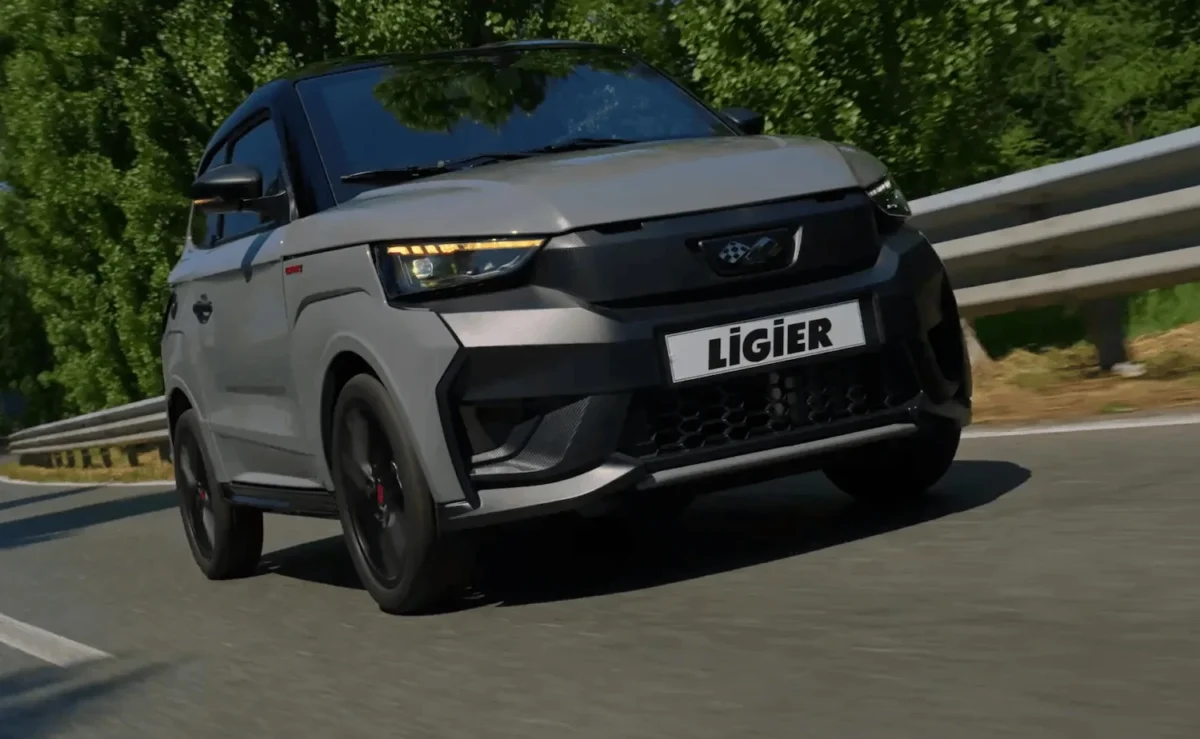
Owning a "voiture sans permis" (VSP)—or microcar—has become an increasingly popular mobility solution across Europe. Whether for urban commuters, elderly drivers, or teenagers beginning their road experience, these vehicles offer independence without the stringent requirements of a traditional B-category driving license. However, a common misconception persists: that the absence of a standard license equates to lower regulatory or financial obligations.
In reality, insuring a microcar is a sophisticated process. Premiums can range from a modest few dozen euros per month to over a hundred, depending on the vehicle’s profile and the chosen protection level. Understanding these costs is essential for any owner, as legal compliance remains non-negotiable.
Main Facts: The Legal Imperative of Coverage
The most critical fact for any microcar owner is simple: insurance is mandatory. Under European law, any motorized land vehicle—regardless of its engine size, speed limit, or the age of the driver—must be covered by at least a third-party liability insurance policy (Responsabilité Civile).
This legal obligation ensures that if you are involved in an accident, the victims of any bodily injury or property damage you cause are compensated. Failure to insure a VSP is a severe offense, leading to hefty fines, vehicle impoundment, and potential legal prosecution in the event of an accident.
While the legal minimum is clear, the financial commitment varies wildly. The disparity in pricing is not arbitrary; it is the result of actuarial calculations that weigh the value of the vehicle, the risk profile of the driver, the geographic location of use, and the depth of the chosen coverage.
Chronology of Risk Assessment: How Premiums are Determined
The process of determining an insurance premium is a multi-step evaluation conducted by the insurer. Understanding this "chronology" of assessment helps owners prepare for the underwriting process:
- Driver Profiling: The journey begins with the individual. An insurer looks at the age and driving history of the user. For instance, a 14-year-old using a VSP under the AM license category represents a different risk profile than a retiree using the same vehicle for local grocery runs.
- Vehicle Valuation: Newer models, such as a high-end, feature-rich Ligier, carry a higher replacement value than an older, second-hand microcar. The insurer calculates the potential cost of total loss or repair based on the vehicle’s age and current market value.
- Environmental Context: Where the vehicle is kept is a major factor. A microcar parked in a secure, private garage is viewed as less likely to be stolen or vandalized than one parked on a busy street. Similarly, usage patterns—whether it stays within a quiet village or navigates high-traffic urban centers—heavily influence the risk premium.
- Coverage Selection: Finally, the level of protection is selected. This choice determines the "safety net" the driver enjoys, ranging from the bare minimum to comprehensive protection.
Supporting Data: Decoding the Costs
Market data, such as that provided by insurance aggregators like LeLynx, suggests that a basic third-party policy for a used microcar can start at approximately €20 per month. However, this is merely an entry point.
The Cost-to-Coverage Spectrum
- Third-Party (Tiers): Covers only damages caused to others. This is the most affordable tier, ideal for older, low-value vehicles where the cost of comprehensive insurance would exceed the value of the car itself.
- Intermediate (Tiers Plus): Adds protections against theft, fire, and glass breakage. This is often recommended for mid-range vehicles.
- Comprehensive (Tous Risques): Covers almost all damages, including those resulting from accidents where the driver is at fault. While significantly more expensive, it provides peace of mind for owners of new, high-value models.
The "hidden" cost that many drivers overlook is the franchise (deductible). A low monthly premium often masks a high deductible. If an owner chooses a "cheap" policy but faces a €500 deductible, a minor fender bender could effectively mean the owner pays the full cost of repairs out of pocket, rendering the insurance nearly useless for small claims.
Official Perspectives: The Regulatory Landscape
Insurance providers maintain that their pricing structures are designed to balance sustainability with accessibility. According to industry spokespeople, the rise in the popularity of VSPs has forced insurers to refine their actuarial models.
Regulators emphasize that while VSPs are limited in speed and power, they are still subject to the same traffic laws as standard automobiles. The requirement for an AM license (for those born after 1988) acts as a baseline, ensuring that drivers have at least a foundational understanding of road safety. Insurers argue that because VSP drivers are often on the fringes of the standard driving demographic, they must be more vigilant about the "contractual fine print." This includes verifying exactly who is authorized to drive the vehicle, as unauthorized users can void coverage in the event of a claim.
Implications: Managing Your Budget Effectively
For the consumer, the goal is to find the "sweet spot" between cost and security. Here are the strategic implications for owners:
1. The Trap of "Cheap" Premiums
The cheapest quote is not always the best. A policy with low premiums but high exclusions will leave the owner vulnerable. Always verify the maximum compensation limits and the scope of assistance (e.g., roadside breakdown services).
2. The Power of Comparison
The most effective way to secure a competitive rate is to use digital comparison tools. However, ensure that you are comparing "apples to apples." If one quote includes 24/7 breakdown assistance and another does not, the price difference is not just about the premium—it’s about the level of service.
3. Tailoring to Vehicle Value
If you drive an aging microcar with a market value of €2,000, paying for a premium "all-risks" policy might be a poor financial decision. In such cases, the "Tiers" (third-party) policy is often the most logical choice, allowing you to set aside the savings into a maintenance fund for the vehicle.
4. Security Measures
Insurers often provide discounts for vehicles kept in locked garages. Taking the time to secure your vehicle not only protects your asset but can also lower your annual insurance bill.
5. Reviewing Franchises
When evaluating a quote, look past the monthly figure. Ask yourself: "If I have an accident, can I afford the deductible?" A slightly higher monthly premium with a lower deductible is often a much safer financial choice for most drivers.
Frequently Asked Questions
Is it mandatory to insure a VSP?
Yes. Every motorized vehicle in circulation must have, at a minimum, third-party liability insurance. This is a non-negotiable legal requirement in most jurisdictions.
Can I opt for "Third-Party Only" coverage?
Yes. This is the most common choice for older vehicles. While it fulfills your legal obligation, it does not cover damage to your own vehicle in the event of an accident where you are at fault.
Does age influence the price?
Significantly. Younger drivers, who statistically lack experience, are generally considered higher risk. Insurers assess the driver’s profile alongside the vehicle’s characteristics to determine the final premium.
What should I prioritize when comparing quotes?
Prioritize four pillars: the annual premium, the scope of the covered risks, the specific exclusions, and the deductible (franchise). The true cost of insurance is not the monthly payment, but the total financial impact you would face in the event of an incident.
Conclusion
The world of microcar insurance is defined by individual risk and specific needs. There is no "one-size-fits-all" solution. The optimal insurance policy is one that provides a level of protection commensurate with the vehicle’s value and the owner’s financial capacity to absorb potential losses. By understanding the factors that influence premiums—from driver age to parking habits—and by diligently comparing the full scope of coverage rather than just the price tag, owners can secure the mobility they need without compromising their financial security. Whether you are a student or a senior, the road to responsible driving begins with a well-informed decision at the point of insurance purchase.