The 2026 Paris Motor Show has served as a watershed moment for the automotive industry. As the transition to electrification matures, the "all-SUV" era is facing a structural crisis. Physics, specifically the immutable laws of aerodynamics, is forcing a return to low-slung, lightweight, and elegant silhouettes. From the revival of the station wagon to the rise of neo-retro coupes, we analyze the shift that promises to marry industrial efficiency with the rekindled passion for driving.
I. Main Facts: The Great Pivot
For over a decade, the automotive landscape has been dominated by the SUV—a segment defined by high ground clearance, massive frontal areas, and a commanding road presence. However, the 2026 Paris Motor Show signals a dramatic pivot. As manufacturers grapple with the harsh realities of mass electrification, the "dictatorship of the SUV" is finally being challenged by the relentless requirement for energy efficiency.
The industry is moving toward a new paradigm: the "Aero-Renaissance." To achieve the range consumers demand without relying on prohibitively heavy and expensive batteries, engineers are stripping away the bulk of the SUV. The result is a resurgence of sedans, hatchbacks, and wagons that prioritize a low coefficient of drag (Cx) and reduced weight. This is not merely an aesthetic shift; it is a mathematical necessity that is inadvertently bringing beauty and driving dynamics back to the forefront of automotive design.
II. Chronology of a Market Transformation
The evolution of this trend can be traced through the recent history of the European market:
- 2015–2022 (The SUV Expansion): Fueled by low fuel costs and consumer demand for "command" seating, manufacturers pivoted their entire lineups toward crossovers. Aerodynamics were treated as a secondary concern, easily offset by larger fuel tanks or efficient diesel engines.
- 2023–2025 (The Battery Bottleneck): As the industry transitioned to electric powertrains, the weight of massive battery packs became a liability. High-riding SUVs proved inefficient on highways, forcing manufacturers to experiment with "Aero-kits" that often looked forced or out of place.
- 2026 (The Paris Correction): At this year’s Mondial de l’Auto, the shift reached a critical mass. Concepts from Alpine, Renault, and Opel demonstrate that the industry has accepted the laws of physics. The "high-riding" trend has been sidelined in favor of sleek, ground-hugging platforms designed specifically for the electric age.
III. Supporting Data: The Physics of Efficiency
The core argument driving this shift is pure, indisputable mathematics. The resistance encountered by a vehicle moving through the air increases with the square of its velocity. On modern highways, roughly 80% of a vehicle’s energy consumption is dedicated solely to pushing air out of the way.
The Math of the Drag Coefficient
A SUV’s frontal area (S) and drag coefficient (Cx) combine to create a total drag (SCx) that is significantly higher than that of a sedan. To achieve a 500-kilometer highway range in a bulky SUV, a manufacturer must equip the vehicle with a massive, heavy battery—often weighing over 600 kg. This creates a "vicious cycle": more weight requires more power, which requires more battery, which further increases the weight.
Conversely, by lowering the roofline and profiling the rear of the vehicle, a manufacturer can achieve the same 500-kilometer range with a battery that is 20% smaller. The benefits are threefold:
- Cost Reduction: Smaller batteries are significantly cheaper to produce.
- Resource Efficiency: Less lithium, nickel, and cobalt are required, making the vehicle more sustainable from a life-cycle perspective.
- Performance: Reduced weight improves acceleration, handling, and braking—qualities that have long been missing from the SUV-dominated market.
IV. Official Responses and Industry Perspectives
At the Paris exhibition, designers and engineers spoke openly about the "reconciliation" between their roles.
"For years, the designer and the engineer were at war," noted one senior design lead at the event. "The engineer wanted a brick that could hold a giant battery; the designer wanted a beautiful car. Now, for the first time in the EV era, we are both chasing the same thing: the lowest possible drag. The most aerodynamic shape is also the most beautiful shape."
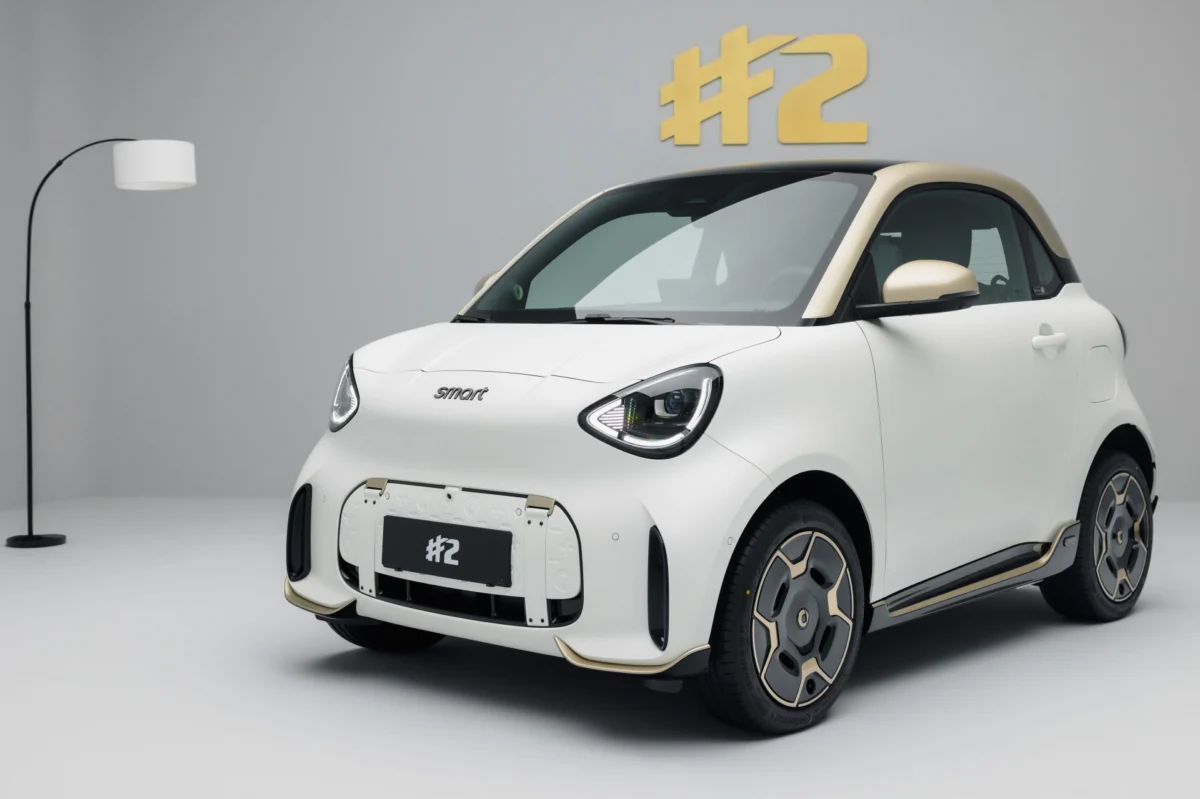
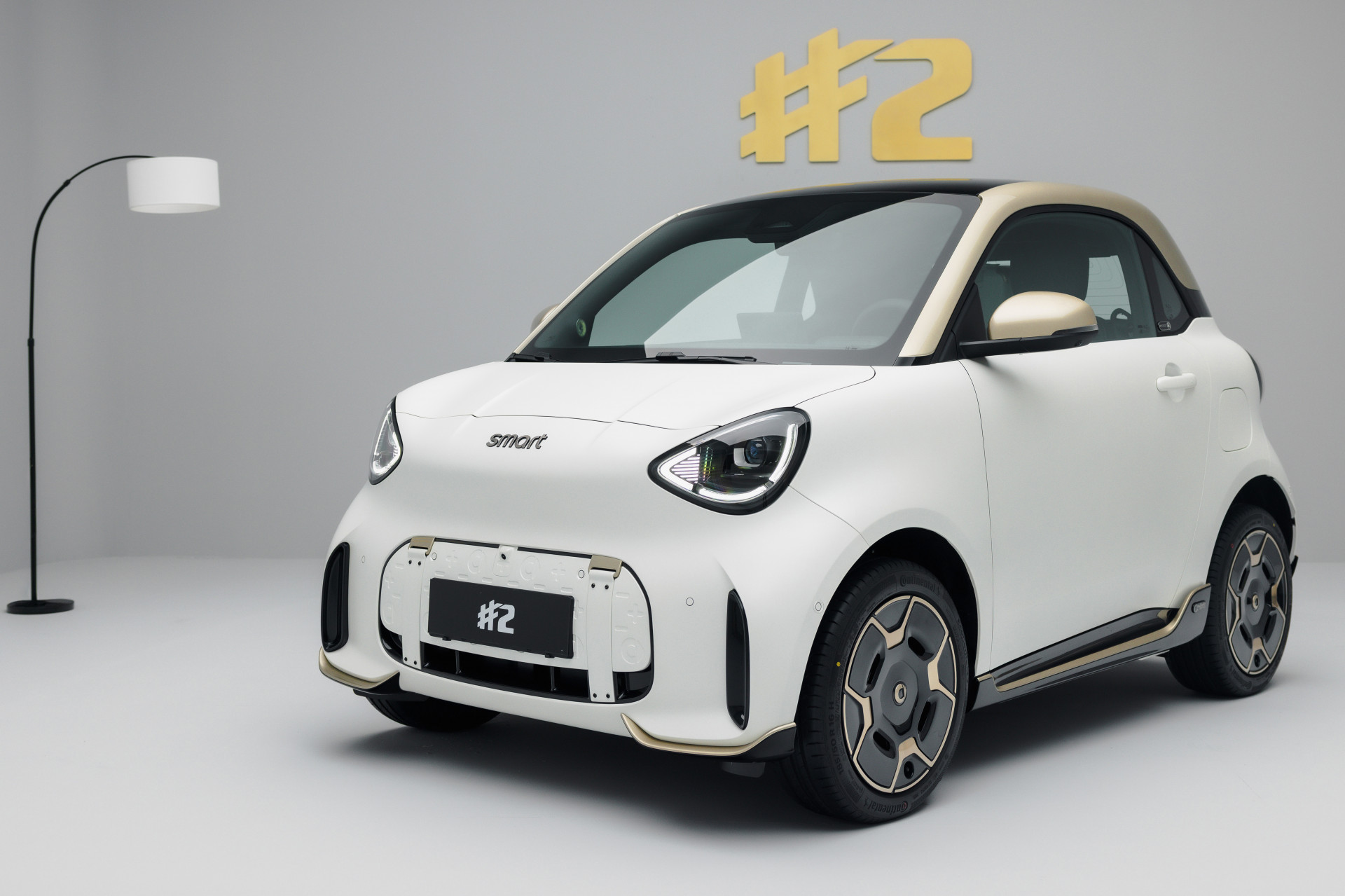
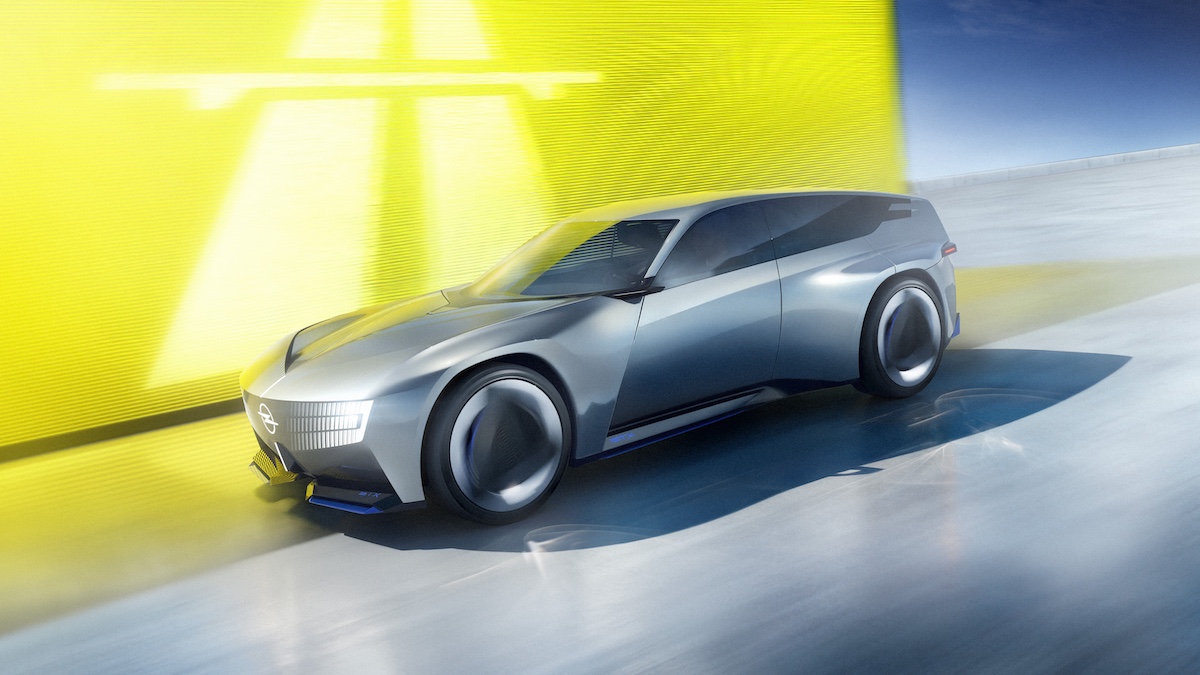
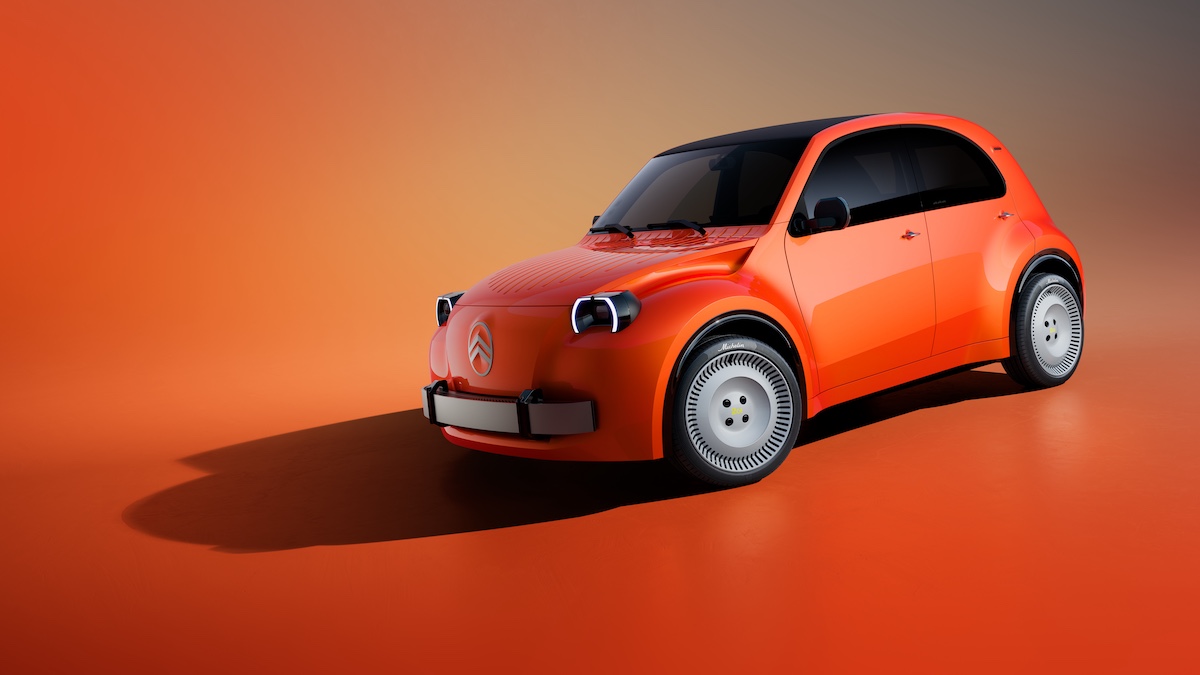
The consensus among major European manufacturers is that the SUV will not disappear—it remains popular for its ease of access and visibility—but it will no longer be the industry’s "single-minded obsession." Instead, the market is maturing into a multi-segment landscape where the station wagon (represented by the Opel STX) and the compact city car (the Leapmotor B03) are being positioned as the primary, rational choices for the modern consumer.
V. Implications: A New Era of Design and Passion
The most exciting implication of this shift is the "re-awakening" of automotive passion. If a car must be low and sleek to be efficient, it must inherently adopt the proportions of a coupe or a sports sedan.
The Neo-Retro Movement
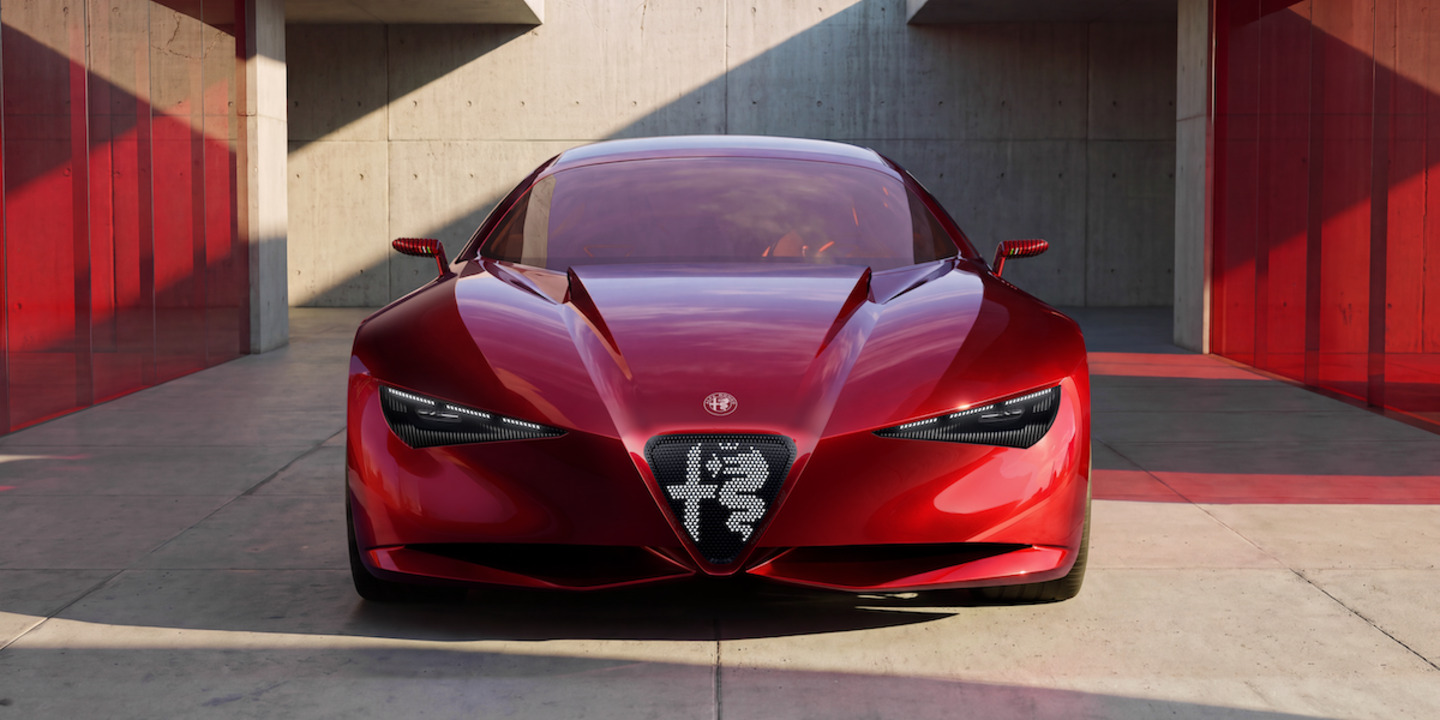
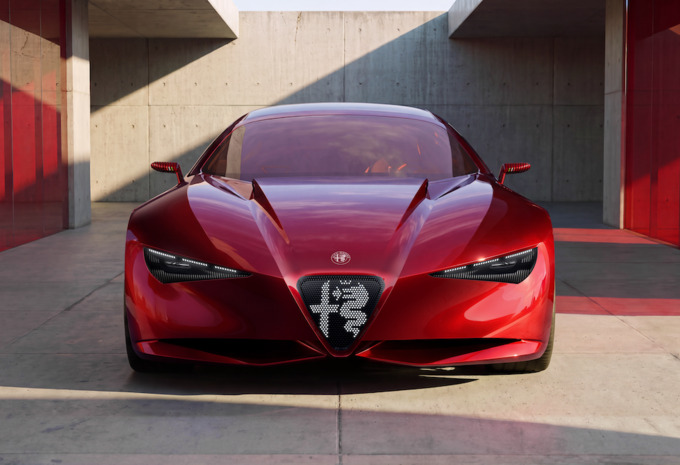
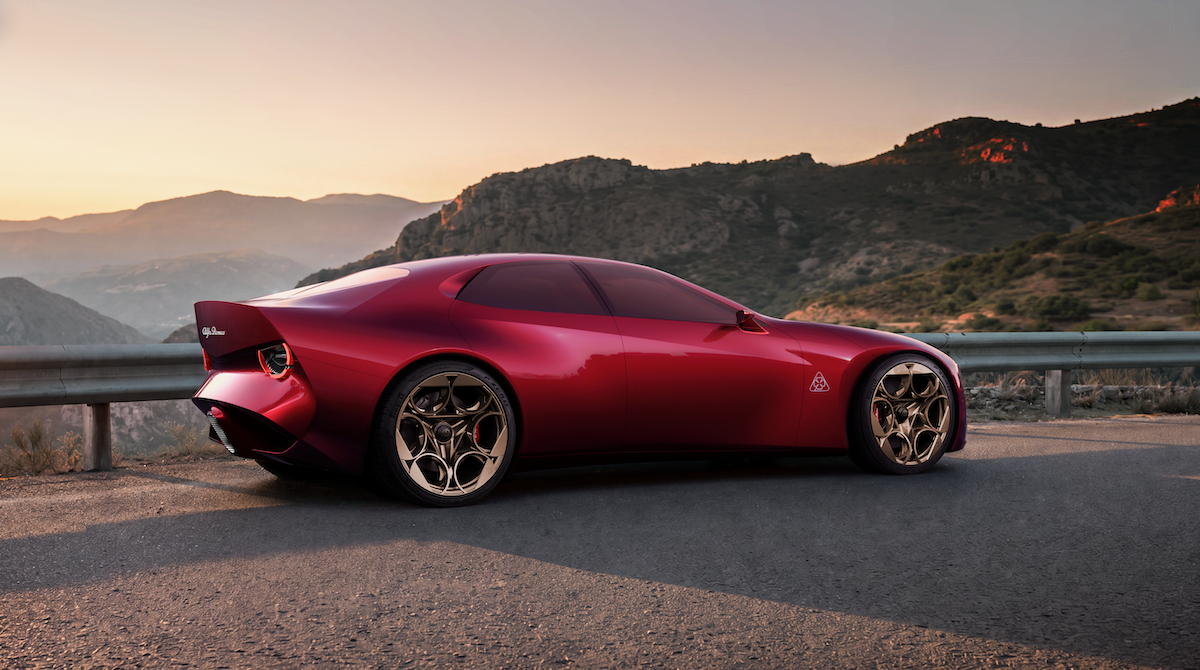
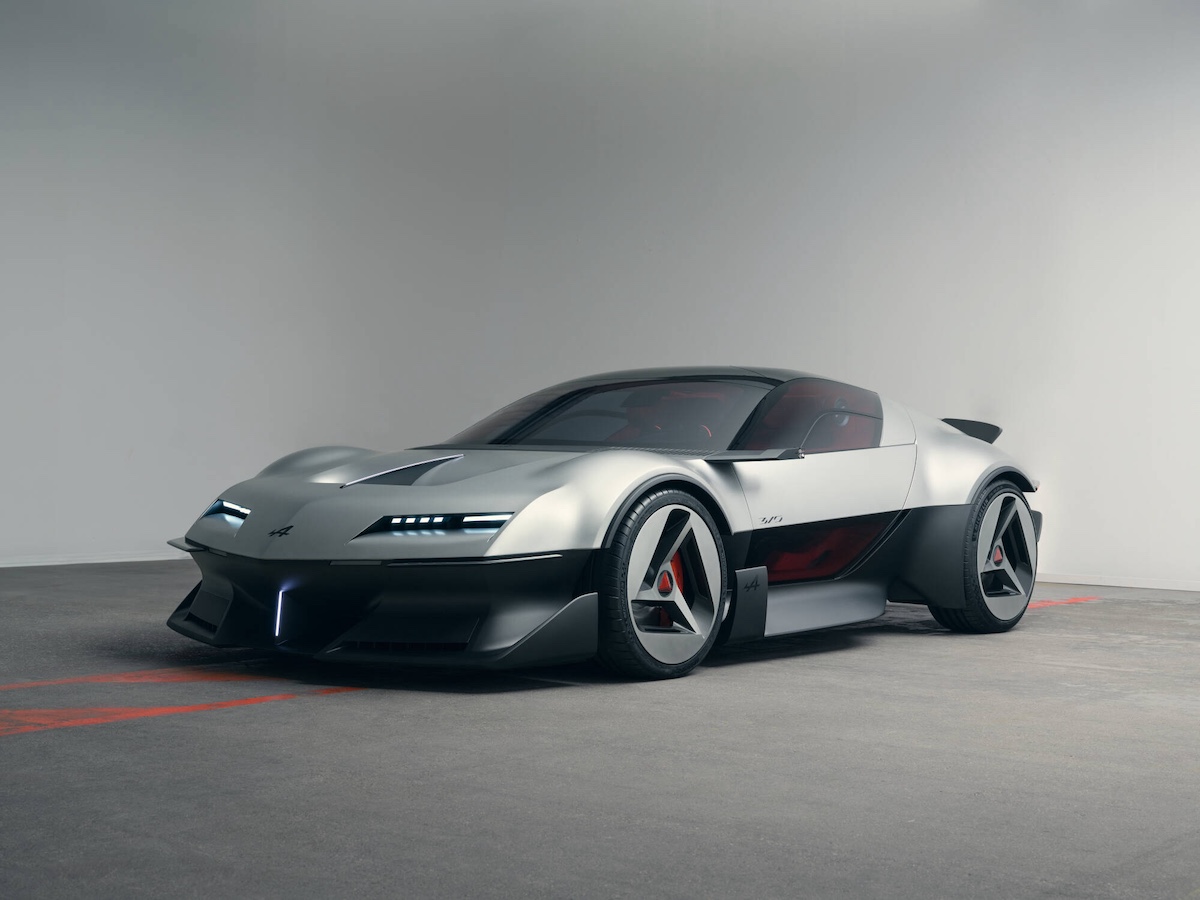
The Paris Motor Show was filled with tributes to the past, modernized for the future. The Alpine A310 Vision is the crown jewel of this movement. By presenting a 2+2 electric sports coupe, Alpine has proven that the thrill of the drive is not incompatible with electricity. Similarly, the Alfa Romeo Cuorerosso brings Italian flair back to the tarmac, emphasizing a low center of gravity and a legendary silhouette that sits mere inches above the asphalt.
The Return of the Practical
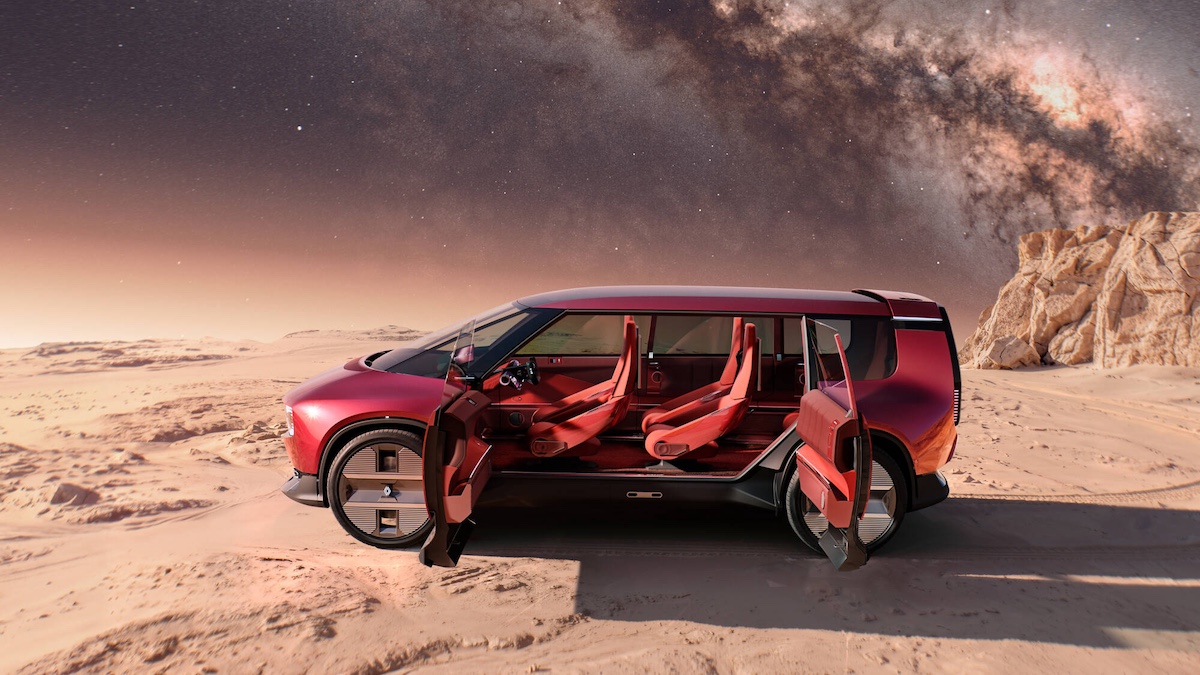
Beyond sports cars, the "utility" sector is undergoing a revolution. The return of the monospace/MPV, exemplified by the Fiat Multiplay and Renault e-Space Concept, shows that manufacturers are rediscovering the efficiency of the "one-box" design. By utilizing modular cabin engineering—such as the Leapflex seating systems—manufacturers are proving that interior space is a product of clever packaging, not a massive roofline.
Implications for the Consumer
What does this mean for the average buyer?
- Increased Affordability: As the industry moves away from "battery-packing" SUVs, vehicle prices are expected to stabilize.
- Better Driving Dynamics: The return to low centers of gravity means that even "rational" electric cars will handle with more agility than the SUVs of the past decade.
- Visual Diversity: We are moving away from the "monoculture" of generic SUV shapes. The streets of the future promise to be filled with the distinct lines of coupes, wagons, and neo-retro hatchbacks.
Conclusion: The Maturity of the Electric Age
The 2026 Paris Motor Show marks the transition from the "experimental" phase of electric mobility to the "mature" phase. The industry has learned that you cannot simply "electrify" a heavy, boxy vehicle and expect it to be a success. The laws of physics are unforgiving, and the market is now responding with a newfound respect for aerodynamic efficiency.
While these vehicles currently exist primarily as "concepts," their presence is a clear roadmap for the next generation of production cars. By embracing the low-slung, efficient, and elegant designs of the past, the automotive industry is ensuring that the future of driving is not only sustainable but also deeply, viscerally exciting. The SUV may remain, but its reign is no longer absolute—and the automotive world is undoubtedly better for it.
#MondialAuto2026 #FutureOfMobility #EVRevolution #Aerodynamics #AutomotiveDesign #SustainableDriving