

Date: October 12, 2026
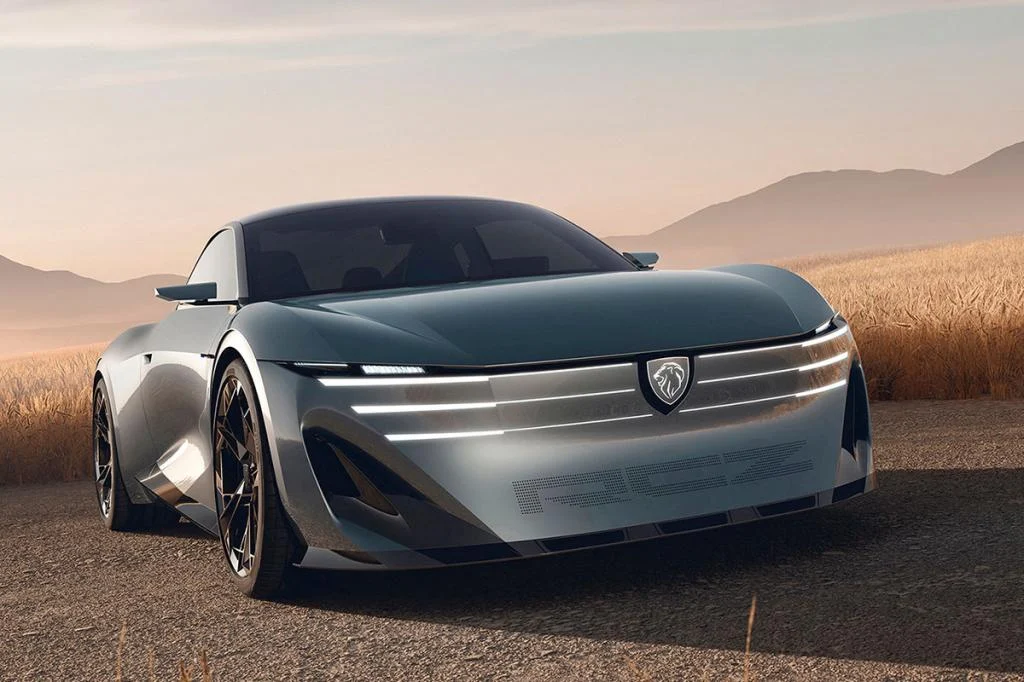
Could the legendary Peugeot RCZ be poised for a triumphant return to the French manufacturer’s lineup? With the unveiling of the "RCZ Vision," Peugeot has effectively resurrected the spirit of its beloved coupe—which vanished from showrooms in 2015—through a high-octane, all-electric concept producing 500 horsepower. Featuring cutting-edge solid-state battery technology, a 1,000-volt electrical architecture, and a claimed range of 600 kilometers, this technological manifesto is far more than a nostalgic exercise; it is a profound exploration of the future of the French "Lion" brand.
I. Main Facts: A Bold Leap Into the Electric Era
The Peugeot RCZ Vision serves as a bridge between the brand’s storied past and its electrified future. By reviving a nameplate that is still highly sought after by collectors, Peugeot is signaling that its commitment to driving pleasure remains unshaken, even as the industry shifts toward zero-emission powertrains.
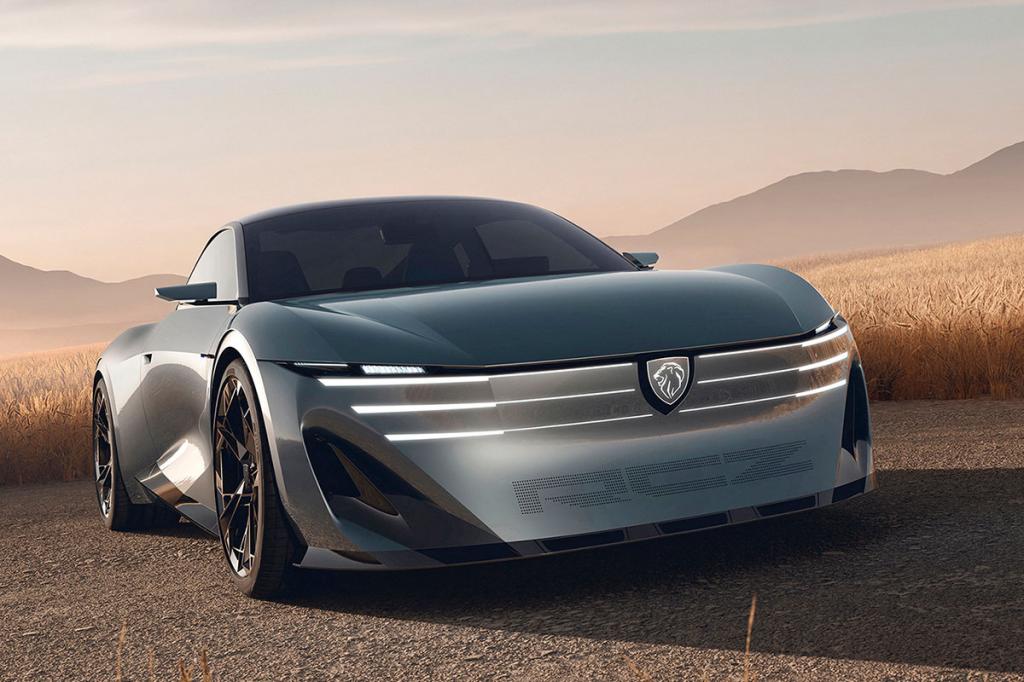
At the heart of the RCZ Vision lies a dual purpose: to showcase a new design language, titled "Feline Future," and to demonstrate the feasibility of next-generation performance technologies. While Peugeot executives have been quick to clarify that this is a "manifesto" rather than a production-ready blueprint, the vehicle encapsulates five core pillars of the new Peugeot identity: freedom, courage, elegance, strength, and instinct.
II. Chronology: The Evolution of the RCZ Legacy
To understand the weight of the RCZ Vision, one must revisit the original model’s history.
- 2009: The production version of the Peugeot RCZ is launched, following a positive reception to its concept debut. With its iconic "double-bubble" roof and aggressive stance, it immediately challenges the dominance of established German coupes.
- 2009–2015: The RCZ enjoys a successful run, culminating in the high-performance "RCZ R" variant, which featured a 1.6-liter turbo engine delivering 270 horsepower—a benchmark for front-wheel-drive sports cars of the era.
- 2015: As Peugeot streamlines its portfolio, the RCZ is discontinued, leaving a void in the brand’s lineup that many enthusiasts have lamented for over a decade.
- 2026: Peugeot unveils the RCZ Vision. By reintroducing the name, the company acknowledges the model’s cultural significance while setting the stage for a technological reset.
III. Supporting Data: Engineering the Future
The RCZ Vision is not merely a design study; it is a masterclass in modern EV architecture. Based on a derivation of the STLA One platform, the concept integrates several groundbreaking systems:

The Solid-State Revolution
Collaborating with Factorial Energy, Peugeot has integrated a solid-state battery into the RCZ Vision. Unlike traditional lithium-ion batteries, this unit offers significantly higher energy density. At only 110 mm thick, the battery allows for a low-slung, aerodynamic profile that is essential for a true sports coupe.
Performance Metrics
- Power Output: 500 hp, delivered via a high-performance electric powertrain.
- Charging Capability: Utilizing a 1,000-volt architecture, the vehicle is capable of a 10% to 80% charge in just ten minutes, addressing the "range anxiety" often associated with performance EVs.
- Efficiency: Preliminary data suggests an energy consumption of approximately 11.5 kWh/100 km, an impressive figure for a vehicle of this power class.
- Range: A target of 600 km on a single charge.
Aerodynamics and Construction
The exterior design is a radical evolution of the original RCZ. The "bubble roof" is retained but rendered more sophisticated, with fine, floating cockpit arches. The vehicle utilizes active aerodynamics, including an integrated spoiler that remains flush with the bodywork at a standstill, deploying automatically to optimize downforce and drag at speed. Forged aluminum wheels—21 inches at the front and 22 at the rear—are designed to minimize unsprung mass.
IV. The "Feline Future" Design Philosophy
Peugeot’s new design language is on full display here. The front and rear feature a modernized, horizontal interpretation of the brand’s signature three-claw lighting. The emblem is backlit, and the RCZ name is subtly integrated via micro-perforations in the bodywork.

Inside, the cabin is a departure from the "gadget-heavy" trend of the 2020s. Peugeot has opted for a "Grand Touring" approach, offering four seats—the rear pair capable of accommodating adults—and a focus on tactile quality. The materials list includes Alcantara, machined aluminum, and PELINOVA® leather, a sustainable material derived from industrial leather scraps. A highlight is the dashboard clock by French horologist Serica, which bridges the gap between traditional craftsmanship and digital integration.
V. Official Responses and Technological Implications
During the unveiling, Peugeot’s leadership team emphasized that the RCZ Vision is a laboratory for future innovations. Key technological takeaways include:
Hypersquare and Steer-by-Wire
The concept introduces the "Hypersquare" steering system, slated for the upcoming E-208. By removing the mechanical link between the steering wheel and the wheels (Steer-by-Wire), Peugeot can vary the steering ratio dynamically. At low speeds, the car becomes nimble and easy to park; at high speeds, it gains precision and stability. This is complemented by a "Brake-by-Wire" system, which allows for a more seamless transition between regenerative braking and traditional friction braking.

Transparent Displays
Peugeot is moving away from massive, permanent touchscreens. The RCZ Vision utilizes transparent MicroLED technology that displays essential data directly into the driver’s line of sight but "disappears" when not in use, creating a clean, minimalist environment.
Level 2++ Autonomy
While the car is designed for the driver, Peugeot has integrated a Level 2++ autonomous driving mode, which can be engaged on highways or in complex urban environments, allowing the vehicle to handle the tedium of daily commuting while leaving the enthusiast experience intact for open-road driving.
VI. Implications for the Brand
The return of the RCZ name, even in concept form, serves a strategic purpose. Peugeot is currently navigating the difficult transition to an all-electric lineup, a move that risks alienating traditional driving enthusiasts. By showcasing a car that looks, feels, and performs like a classic coupe, Peugeot is telling its customers that electrification does not mean the end of passion.
While there is no immediate promise of a production model, the technology demonstrated in the RCZ Vision is already filtering into the brand’s roadmap. The Hypersquare system and the 1,000V architecture are clear indicators of where the E-208, and eventually the next generation of Peugeot GTi models, are heading.
The question remains: will the market demand a successor to the RCZ R? The enthusiasm surrounding this concept suggests the appetite is there. For now, Peugeot is playing the long game—using the allure of the past to build confidence in the technology of the future. As the brand continues to develop its electric portfolio, the RCZ Vision stands as a promise that, regardless of the drivetrain, the "Lion" will always prioritize the visceral thrill of the drive.
Summary of Recent Peugeot Developments:
- Peugeot E-T16 Concept: A radical homage to the legendary 205 Turbo 16, exploring the limits of electric performance in a rally-inspired package.
- E-208 GTi: The ongoing debate regarding whether Peugeot’s future hot hatches will retain the brand’s specific "chassis magic" or become standardized clones within the broader Stellantis group.
- Strategic Direction: Recent interviews with CEO Alain Favey suggest that while Peugeot is embracing the future, the company is acutely aware of its heritage, with a strong commitment to maintaining a distinct driving character that differentiates its vehicles from the rest of the Stellantis stable.
