

At the 2026 edition of the Paris Motor Show, Fiat has sent shockwaves through the automotive industry by unveiling a vehicle that defies conventional categorization: the Fiat Multiplay. Measuring 4.45 meters in length, the Multiplay is not merely another addition to the crossover-saturated market; it is a bold, experimental manifesto that challenges the very definition of a family vehicle. By blending the DNA of the classic Italian monospace with the rugged, adventurous spirit of a pickup truck, Fiat is effectively signaling the return of the versatile people-mover—reimagined for a new generation.
While Fiat representatives have been quick to temper expectations, noting that the Multiplay is strictly a "laboratory of ideas" with no immediate production line scheduled, the industry consensus is clear: the spirit of the iconic Fiat Multipla has been resurrected.
Main Facts: A Vehicle of Constant Change
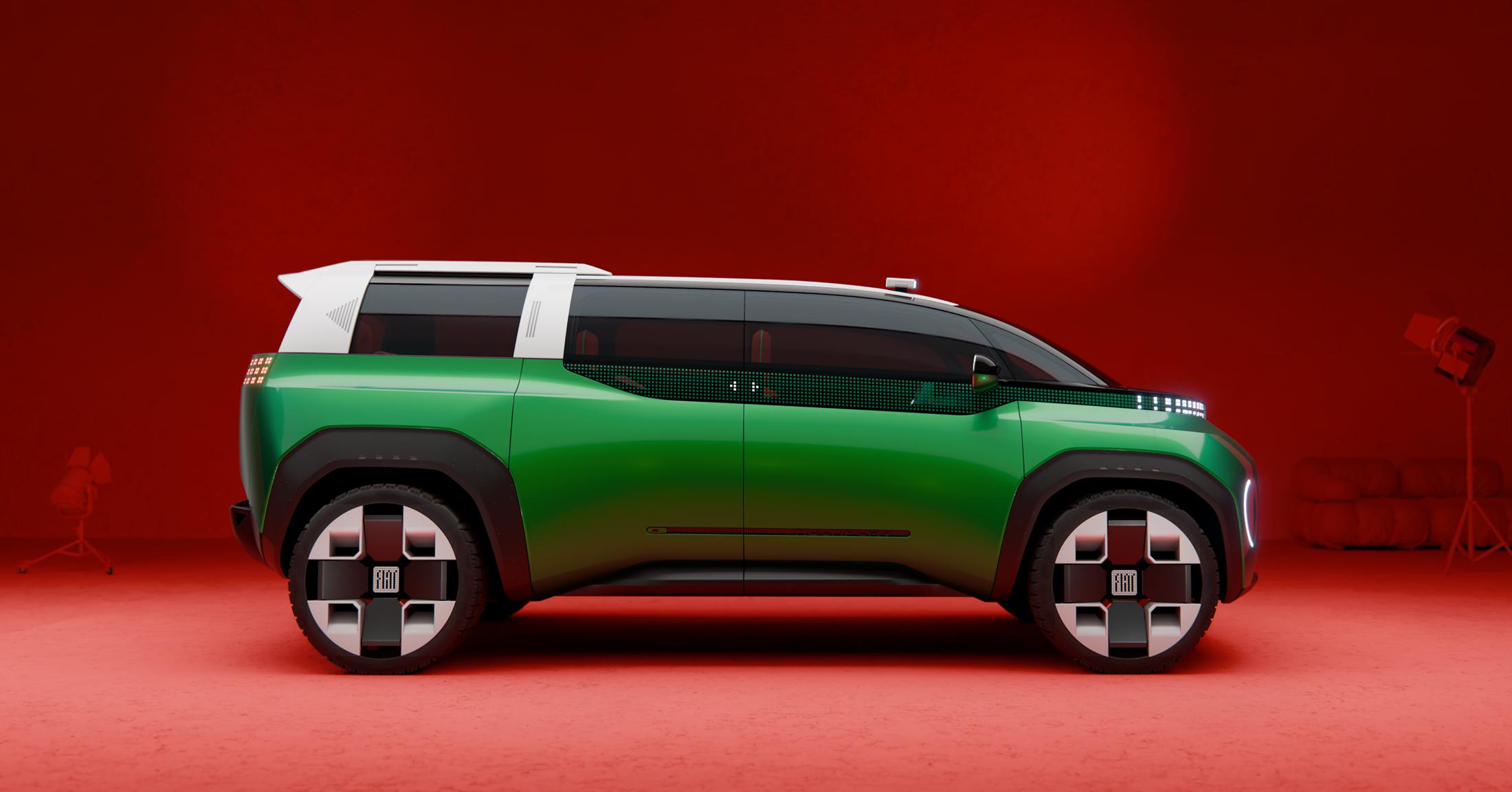
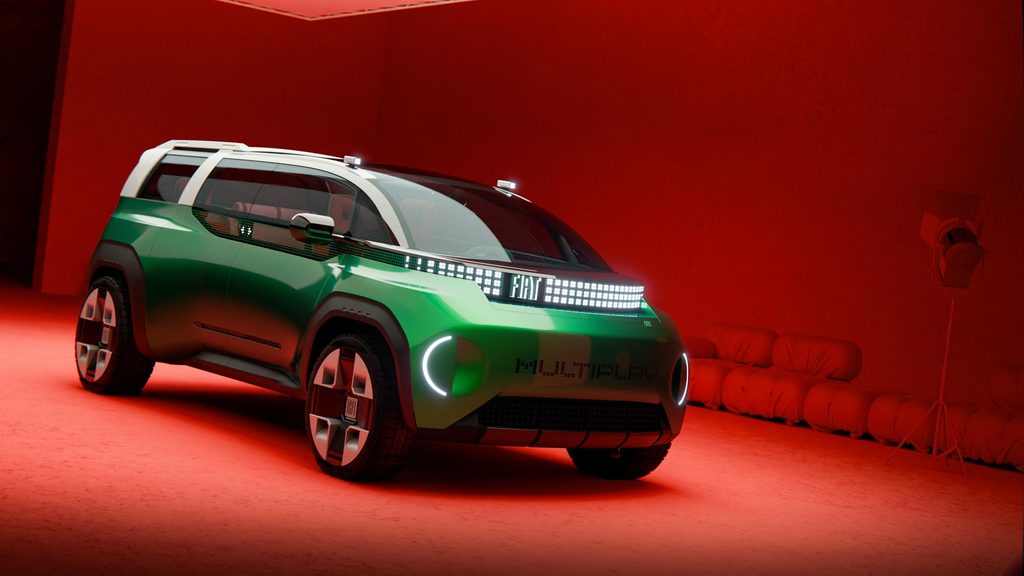
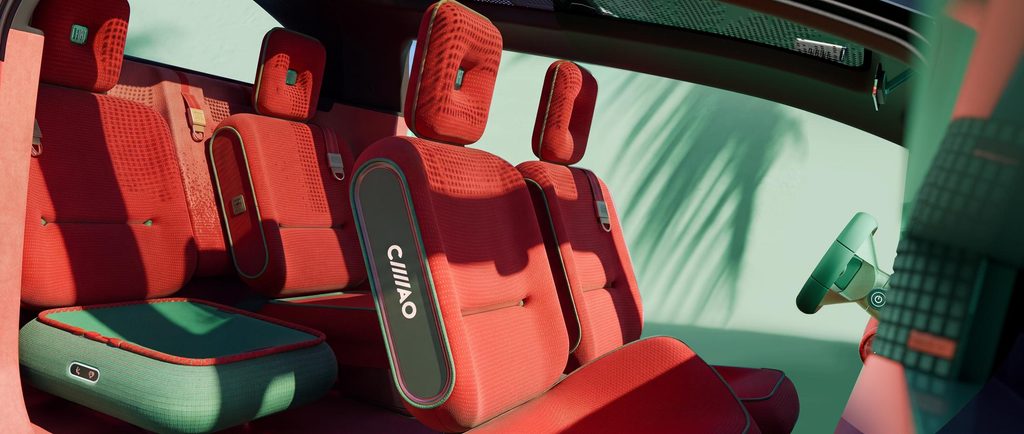
The Fiat Multiplay is a testament to engineering creativity, designed to adapt to the fluid needs of modern life. At its core, the vehicle features a unique architecture that allows it to transition from a six-passenger MPV to a four-seater pickup with an open cargo bed.
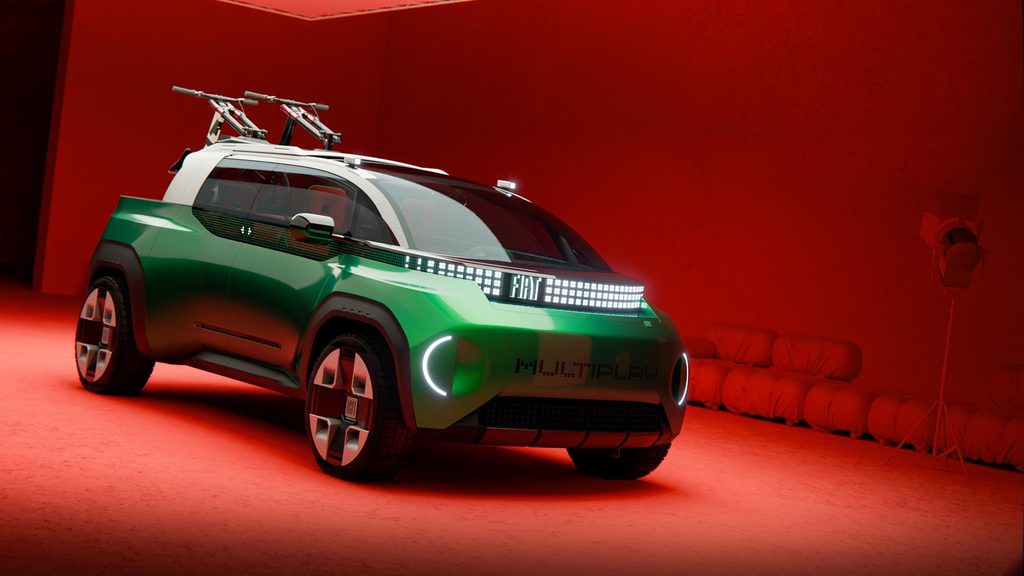
The aesthetic of the Multiplay is a deliberate clash of segments. It retains the tall, airy silhouette of a traditional monospace—a silhouette often criticized in the past for its lack of conventional beauty—but injects it with the visual armor of a modern SUV. The vehicle boasts wide, muscular shoulders, "round-square" wheel arches finished in matte black protective plastic, and a high waistline that communicates both safety and durability.
However, the real magic lies in the "Metamorfosi" system. Integrated into the C-pillar, this sophisticated mechanical setup allows the entire rear module of the car to slide along external guides. The result is a seamless transformation that feels lifted directly from the pages of science fiction or the whimsical inventions of Inspector Gadget. Beyond this, the vehicle features a clever rear spoiler that pivots to serve as an integrated bicycle rack, capable of transporting two bikes when the vehicle is in its pickup configuration.
A Chronology of Versatility: From the 600 to the Multiplay
To understand the audacity of the Multiplay, one must look back at the lineage that birthed it. Fiat has always been a pioneer of packaging efficiency.
- 1956: The birth of the Fiat 600 Multipla. In a post-war era defined by space constraints, Fiat managed the impossible: fitting six people into a vehicle that measured just 3.5 meters in length. It became a symbol of Italian ingenuity.
- 1998: The debut of the second-generation Fiat Multipla. This model remains etched in the public consciousness—often cited as the "ugly duckling" of the automotive world due to its polarizing, tiered nose design. Yet, for all the jokes about its looks, it remains one of the most praised vehicles for its interior volume and seating layout, offering six seats across two rows in a footprint under four meters.
- 2026: The unveiling of the Multiplay at the Paris Motor Show. Fiat is attempting to reclaim its crown as the master of space. By shifting the configuration to three rows of two seats, they are addressing the ergonomic challenges of the past while pushing the boundaries of modularity.
Supporting Data: Engineering the "Metamorfosi"
The engineering challenges behind the Multiplay are significant. The vehicle is built on a modular platform that prioritizes structural integrity even while the rear module is in motion.
Current technical specifications suggest that while the vehicle is capable of carrying six passengers, the rear-most row is optimized for children, with a narrower footprint that favors an adult-plus-one or two-child setup. This is a pragmatic design choice: it acknowledges that the "family" of 2026 has different needs than the family of 1998. The focus is on "micro-mobility" integration, where the rear bed acts as a staging area for bicycles, scooters, or camping equipment.
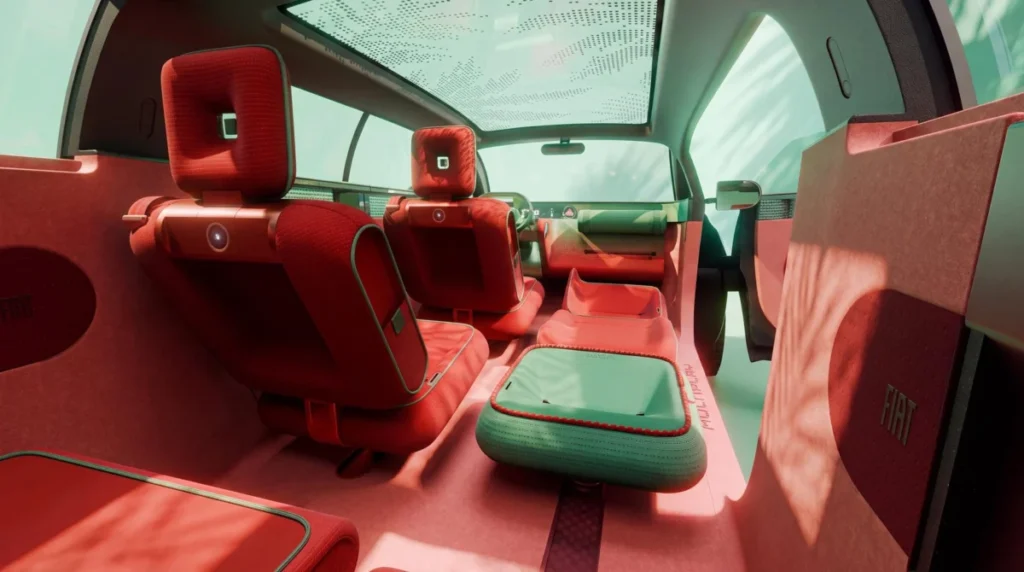
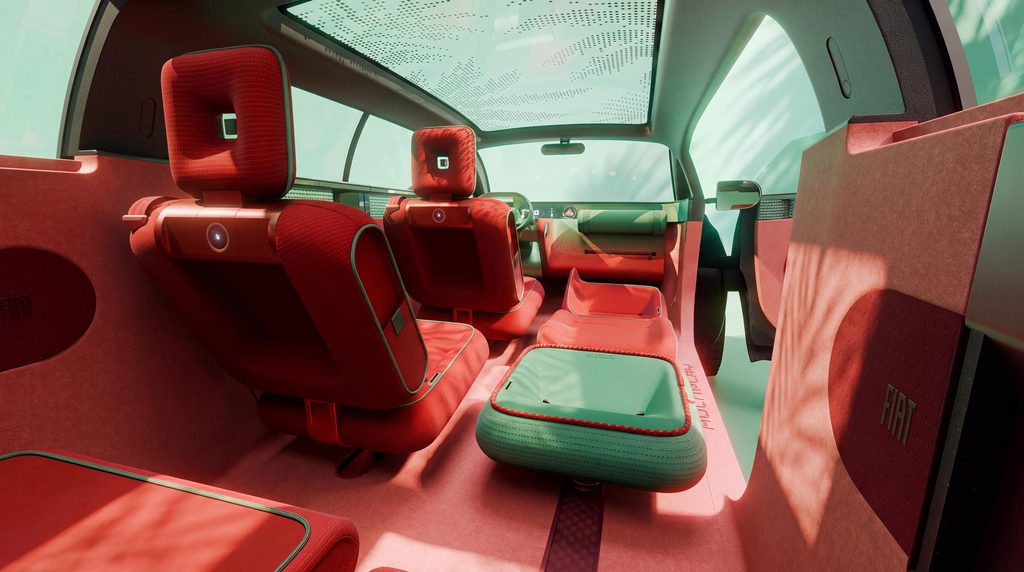
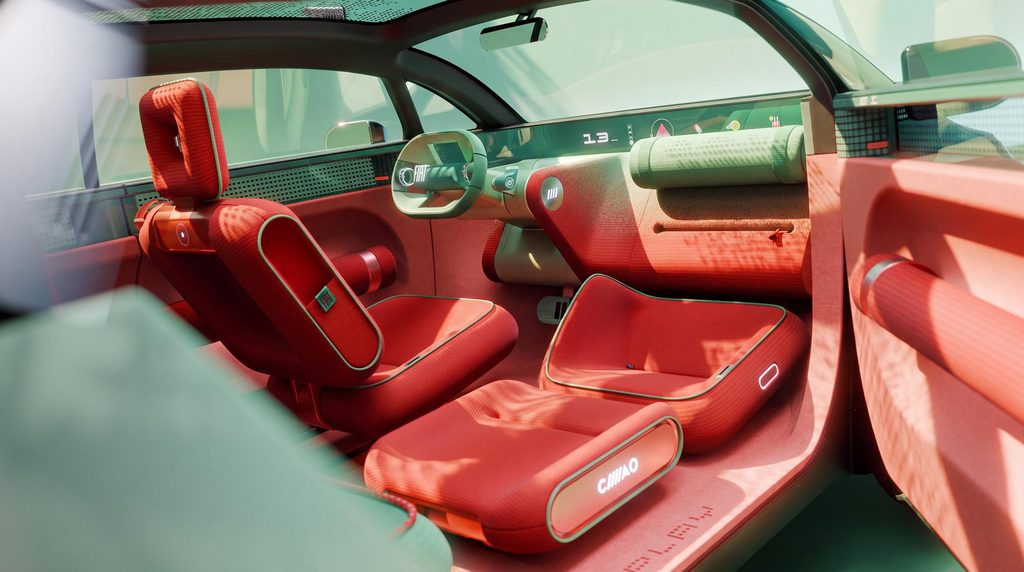
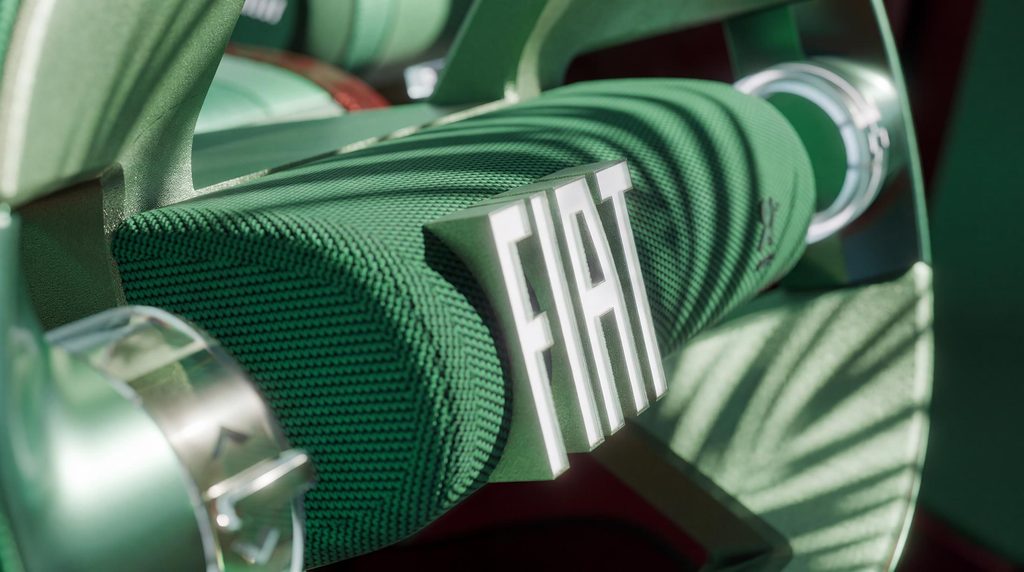
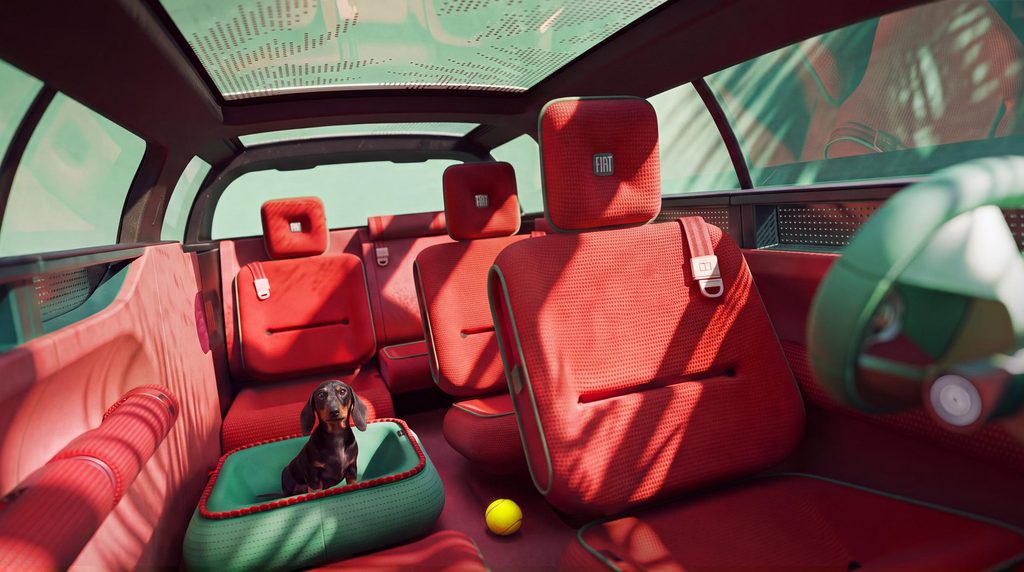
The interior materials are a highlight of the concept, utilizing sustainable, lightweight composites that can withstand the exposure of an "open" vehicle configuration. The dashboard, in particular, is a marvel of modern design—it is not merely a static interface but a functional piece of the furniture, capable of folding or rotating to serve as a workspace or a partition when the vehicle is stationary.
Official Responses and Industry Context
Fiat’s official communications have been careful to categorize the Multiplay as a conceptual exercise. "The Multiplay represents our commitment to researching the future of the multi-purpose vehicle," said a spokesperson for the brand at the Paris stand. "We are not confirming a production model, but we are asking the public: what do you need your car to do today that it couldn’t do yesterday?"
Market analysts have been more vocal. The return of the monospace is a trend many experts deemed impossible just five years ago, as the SUV market cannibalized every other segment. However, the success of "lifestyle" vehicles—like the recent resurgence of van-life culture and the popularity of compact pickup trucks—suggests that consumers are tired of the "compromise" that comes with a standard SUV. They want the utility of a van without the aesthetic of a delivery vehicle.
The Implications: Is the Monospace Making a Comeback?
The unveiling of the Multiplay carries profound implications for the future of the automotive market.
1. The Death of the "One-Size-Fits-All" SUV
For a decade, manufacturers have been forced to shoehorn every vehicle into an SUV-shaped box to satisfy consumer demand for high-riding, aggressive-looking cars. The Multiplay suggests that manufacturers are now confident enough to offer "utility-first" designs again, provided they are wrapped in an aesthetic that feels fresh, youthful, and adventurous.
2. The Rise of Modular Ownership
The Multiplay hints at a future where vehicle ownership is defined by flexibility. If a car can be a family hauler on Monday and an adventure-ready pickup on Saturday, it increases the "value per kilometer" for the consumer. This aligns with broader shifts in the circular economy, where consumers prioritize products that offer multiple use-cases.
3. The "Concept" as a Strategic Tool
By labeling the Multiplay a "laboratory of ideas," Fiat is using the Paris Motor Show to conduct a massive, global focus group. They are monitoring social media sentiment, press reviews, and foot traffic around the stand to determine if the "Metamorfosi" system is a viable technology for a future mass-market vehicle. If the reception is positive, we could see elements of the Multiplay’s architecture appearing in production vehicles as early as 2028 or 2029.
4. A Nod to the "Ugly" Innovators
Perhaps the most significant implication is the return of Fiat’s "dare-to-be-different" philosophy. For years, the brand played it safe with the 500 family. The Multiplay proves that Fiat is willing to risk controversy to achieve a breakthrough in utility. It is an admission that the industry has become too homogeneous, and that the only way to stand out is to embrace the unconventional.
Conclusion: A Visionary Step Forward
The Fiat Multiplay may currently exist only on the show floor in Paris, but its shadow looms large over the future of the segment. It is a bold, unapologetic, and highly intelligent design study that dares to ask what happens when we stop designing cars for the road and start designing them for our lives.
Whether or not the Multiplay ever hits the assembly line, it has already succeeded in one major objective: it has sparked a conversation. It has reminded the industry that the "ugly ducklings" of the past—those daring, unconventional designs that prioritized human need over stylistic vanity—are often the ones that leave the most enduring legacy.
As the automotive industry pivots toward electrification and software-defined vehicles, the physical, mechanical flexibility of the Multiplay feels like a refreshing, grounded innovation. It is a reminder that, no matter how advanced our technology becomes, there will always be a place for a car that can adapt, change, and carry the weight of our evolving lives. For now, we wait—watching to see if the "Metamorfosi" makes the transition from a show-stopping concept to a driveway-ready reality.
