

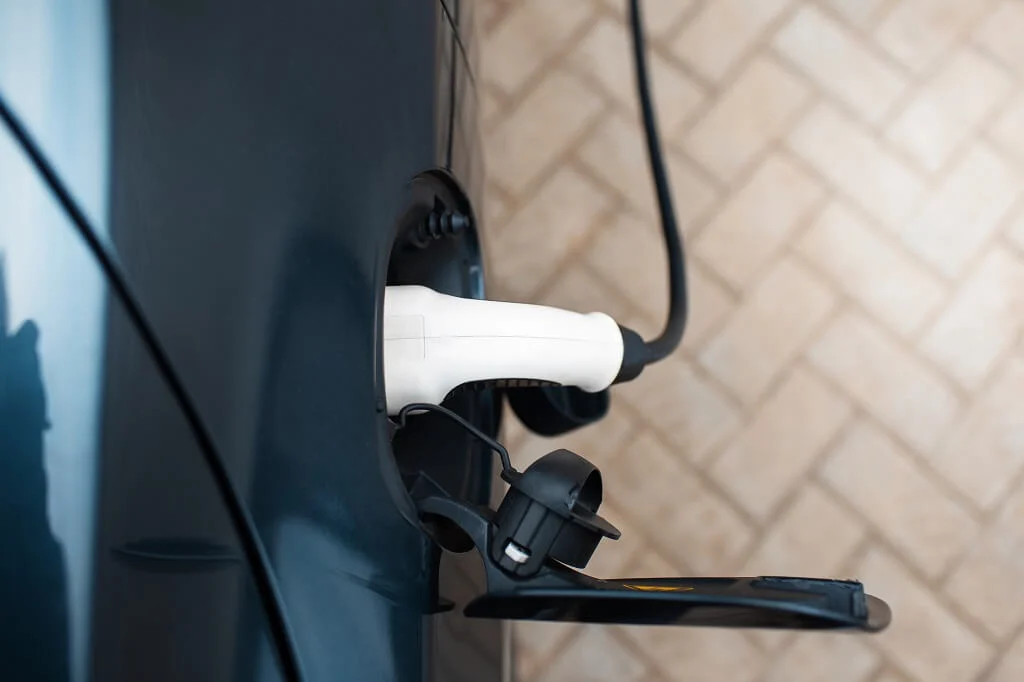
As the global automotive landscape undergoes its most significant transformation in a century, the shift toward electric vehicles (EVs) has moved from a niche pursuit to a mainstream necessity. While public charging infrastructure continues to expand across urban centers and highway corridors, a quiet revolution is taking place in residential garages and private parking spaces. The installation of dedicated home charging stations—often referred to as "Wallboxes"—has become the cornerstone of the modern EV ownership experience.
This shift is not merely one of convenience; it represents a fundamental change in how we perceive energy consumption, vehicle maintenance, and personal infrastructure. For the millions of drivers transitioning away from internal combustion engines, the home charger is the silent enabler of the electric dream.
Main Facts: The Anatomy of Residential Charging
The primary objective of a residential charging station is to convert alternating current (AC) from the household grid into the direct current (DC) required by a vehicle’s battery, or to manage the safe delivery of AC power to the vehicle’s onboard charger.
Understanding Charging Capacities
The efficiency of a home charging solution is determined by its power output, measured in kilowatts (kW). Selecting the right capacity is essential for balancing cost, installation requirements, and daily driving habits:
- 3.7 kW Charging: Often considered the "entry-level" solution, this power level is ideal for plug-in hybrids or for EV owners who have long periods of time (such as overnight) to restore battery levels. It is gentle on the household electrical system and requires minimal upgrades.
- 7 kW Charging: This is widely regarded as the industry standard for home installations. It offers a significant speed increase over standard domestic wall sockets and is capable of charging most modern EVs from empty to full within a standard 8-to-10-hour overnight window.
- 22 kW Charging: Reserved for heavy-duty requirements, this level provides rapid replenishment. However, it is important to note that many residential electrical systems require significant capacity upgrades to support this load. Furthermore, not all vehicles possess an onboard charger capable of accepting 22 kW of AC power, making it a "future-proof" choice rather than an immediate necessity for many.
Chronology: The Evolution of the Charging Ecosystem
The trajectory of home charging has mirrored the growth of the EV market itself.
- 2010–2015 (The Early Adopter Phase): In the early years, EV owners relied primarily on "trickle charging"—plugging their vehicles into standard 230V household outlets. This was inefficient and often pushed domestic electrical systems to their limits, leading to the first generation of dedicated "Wallbox" products.
- 2016–2020 (The Standardization Era): As manufacturers like Tesla, Nissan, and Renault brought mass-market EVs to the fore, the industry saw the birth of universal standards. Governments began introducing subsidies for residential installations, recognizing that public infrastructure alone could not support the transition.
- 2021–Present (The Smart Integration Phase): We have now entered an era of "Smart Charging." Modern home stations are no longer just power conduits; they are IoT-enabled devices that communicate with the grid, optimize charging based on off-peak electricity pricing, and integrate seamlessly with home solar energy systems.
Supporting Data: The Economic and Practical Case
The transition to home charging is supported by a compelling body of data regarding costs and user behavior.
Financial Implications
Contrary to the perception that EVs are prohibitively expensive to run, home charging flips the script on traditional fuel costs. By utilizing domestic electricity tariffs—which are significantly lower than commercial "fast-charge" network rates—owners can reduce their "fuel" costs by as much as 60% to 70%.
Furthermore, data suggests that the presence of a dedicated charging station increases property value. As homes become "EV-ready," they become more attractive to the growing demographic of environmentally conscious, tech-savvy homebuyers. Additionally, some insurance providers are now acknowledging that professional, certified installations reduce the risk of electrical fires, occasionally leading to lower premiums for the property or the vehicle.
Behavioral Efficiency
Studies from consumer mobility groups indicate that over 80% of all charging occurs at home or at the workplace. By eliminating the "range anxiety" associated with public infrastructure—which is prone to congestion, out-of-order maintenance, and variable pricing—home charging provides a consistent, predictable routine. The convenience of "refueling while sleeping" is the single highest-rated factor in customer satisfaction surveys regarding EV ownership.
Official Responses: Safety and Compliance
The installation of a high-power charging station is not a "do-it-yourself" project. Governments and electrical regulatory bodies have been clear: the integration of high-draw appliances into residential grids requires professional oversight.
In many jurisdictions, the law mandates the use of an IRVE (Infrastructure de Recharge de Véhicules Électriques) certified installer. These professionals ensure that the installation meets rigorous safety standards, including:
- Circuit Protection: Installing dedicated breakers and RCD (Residual Current Device) protection to prevent electrical faults.
- Load Management: Ensuring the existing household electrical panel can handle the increased demand without triggering blackouts or damaging the home’s infrastructure.
- Certification: Providing the necessary documentation for insurance and warranty purposes.
Many energy suppliers now proactively audit home installations to ensure grid stability, emphasizing that safety and performance are inextricably linked.
Implications: The Broader Energy Transition
The widespread adoption of home charging has profound implications for the global energy landscape and environmental sustainability.
The "Prosumer" Revolution
The most exciting implication of residential charging is the transition of the consumer into a "prosumer." When an EV is paired with home solar panels, the car ceases to be merely a consumer of energy; it becomes a storage device. During peak daylight hours, excess energy generated by solar arrays can be stored in the EV battery, effectively turning the vehicle into a battery-on-wheels that powers the home during the evening.
Decarbonizing the Transport Sector
By choosing to charge at home, owners gain control over their energy source. They can opt for "Green Tariffs" from their utility providers, ensuring that the electricity powering their vehicle comes from wind, hydro, or solar sources. This removes the "tailpipe emissions" of the car and replaces the "smokestack emissions" of the power plant with clean, renewable energy.
Infrastructure Resilience
Critics often argue that the grid cannot handle the surge in EV charging. However, the move toward "Smart Charging" mitigates this concern. By shifting the bulk of charging to off-peak hours (typically 11:00 PM to 6:00 AM), EV owners are actually helping to balance the load on the national grid, utilizing capacity that would otherwise go to waste.
Conclusion
The installation of a home charging station is the definitive step in embracing the electric future. It transforms the vehicle from a source of stress—navigating public infrastructure and monitoring charging percentages—into a seamless part of one’s daily life. While the initial investment requires professional consultation and careful consideration of power needs, the long-term dividends in convenience, cost savings, and environmental stewardship are undeniable.
As technology continues to evolve, the home charger will only become more sophisticated, further cementing its role as the backbone of the sustainable transport revolution. For the modern homeowner, it is no longer just an appliance; it is the heartbeat of a greener, more efficient lifestyle.
