

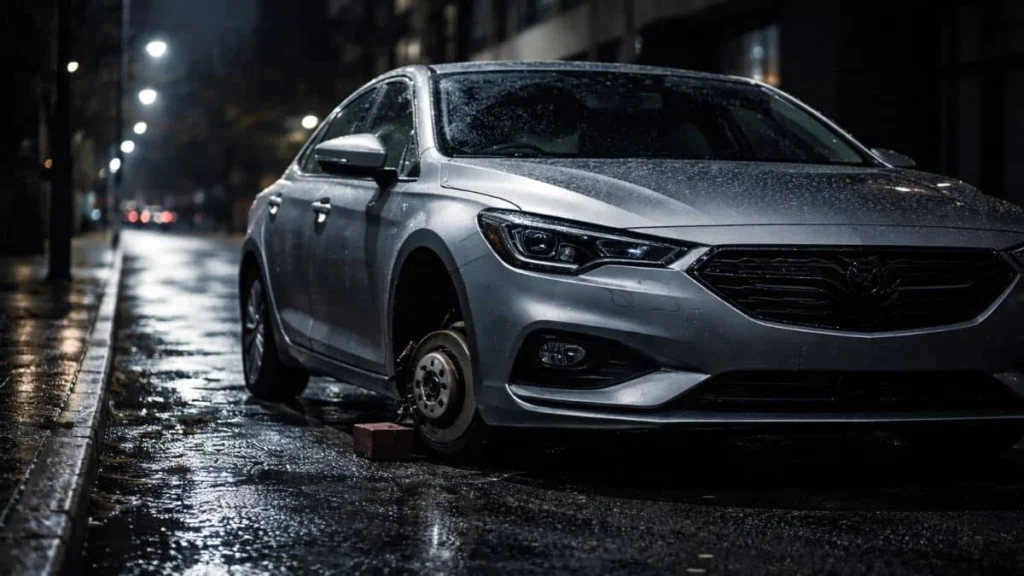
For many, a vehicle is more than just a mode of transport; it is a symbol of professional success and personal independence. However, in 2025, that symbol of status has increasingly become a target. As vehicles grow more sophisticated, filled with high-tech components and expensive electronics, they have effectively become "banks on wheels." Recent reports indicate a staggering 10% increase in auto part thefts across the country, a trend that has prompted law enforcement and insurance experts to sound the alarm.
The State of Play: Main Facts and Current Trends
The automotive landscape in 2025 is shifting. While carjackings and total vehicle thefts remain a concern, the primary focus for organized criminal networks has shifted toward "surgical" theft—the removal of specific, high-value parts from parked vehicles. This method is often faster, carries a lower risk of detection than stealing an entire vehicle, and provides a quick turnaround on the black market.
The convenience of modern vehicles, which often feature modular designs and easily accessible components, has played into the hands of thieves. Whether it is a side-view mirror with integrated cameras, a sophisticated headlight assembly, or a bumper sensor array, these parts are highly sought after by unscrupulous repair shops and online resellers looking to flip items for a quick profit.
A Chronological Shift in Criminal Tactics
The rise in these crimes did not happen overnight. To understand the current crisis, we must look at the progression of auto-related crime over the past three years:
- 2023: The Catalyst. The post-pandemic supply chain crisis left many manufacturers struggling to produce new parts. This created a massive shortage, driving the price of original equipment manufacturer (OEM) parts to record highs. Thieves noticed the scarcity, and "parts-stripping" became a viable illicit industry.
- 2024: The Tech Evolution. As vehicles incorporated more ADAS (Advanced Driver Assistance Systems) sensors, cameras, and lidar, the value of these individual components skyrocketed. Criminals began specializing in specific vehicle models that were easy to dismantle.
- 2025: The Surge. With sophisticated digital tools now used by thieves to bypass immobilizers and open hoods or trunks electronically, the 10% increase reported by outlets like Capital reflects a maturation of these criminal networks. They are no longer just "opportunists"; they are professionalized teams working with specific order lists.
Supporting Data: The Economics of Theft
The economics behind this wave of crime are simple but brutal. According to industry data from Auto Plus, the cost of replacement parts for the average consumer has become prohibitive.
- Bumper Assemblies: Often fetching upwards of €500 on the black market.
- Headlight Clusters: Due to the complex LED and matrix technology, these can be sold for over €1,000 per unit.
- Sensors and Cameras: The "eyes" of modern vehicles are the most stolen items because they are small, easy to conceal, and carry a massive markup compared to their size.
The profit margins for thieves are massive, while the cost to the victim—in terms of insurance premiums, repair wait times, and vehicle depreciation—is devastating. Furthermore, the geographic distribution of these crimes is uneven. Certain urban hubs, particularly in the southern regions of the country, have seen a disproportionate rise in activity. These areas often serve as logistics centers where stolen parts can be processed and shipped across borders or sold locally with little oversight.
Why Some Vehicles Are More Targeted
Contrary to popular belief, it is not always the most expensive luxury sedans or sports cars that are the primary targets. In fact, volume-selling family cars often top the list.
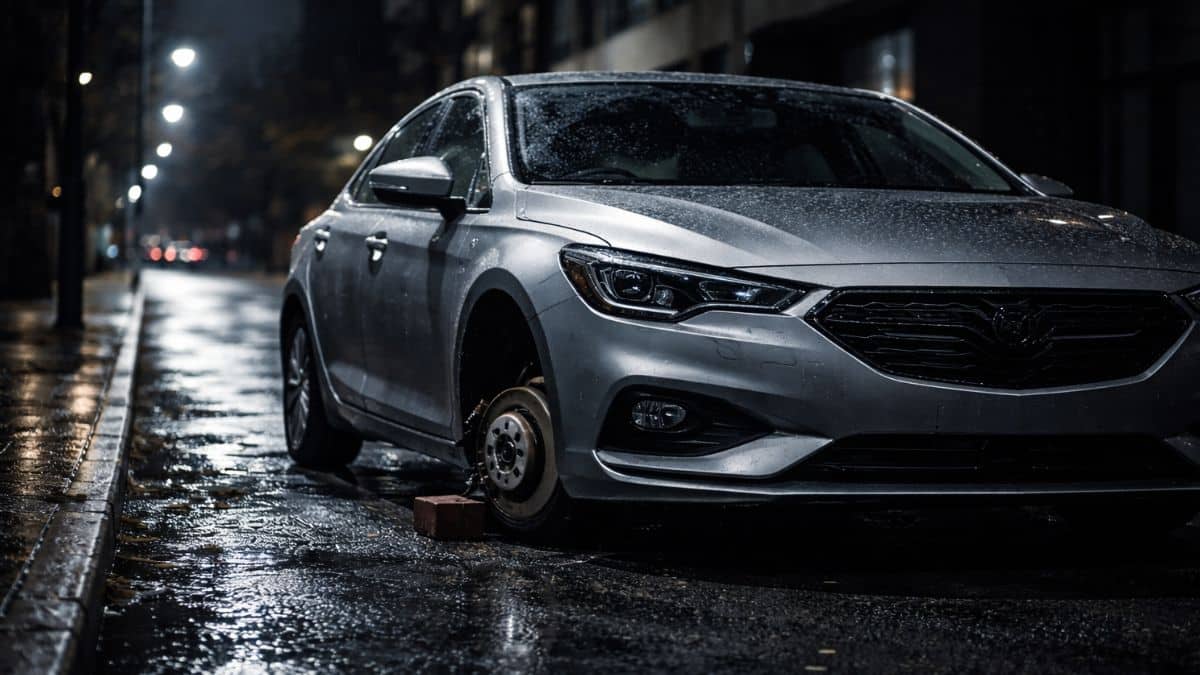
The Renault Clio 5, for example, has been identified as a high-risk vehicle. Why? It is not because the car is inherently more valuable than a luxury SUV, but because its parts are modular, widely used, and in high demand for repairs. A thief can strip a Clio 5 in minutes, knowing that there are thousands of other owners who need those same parts to repair their own vehicles after minor accidents. This "high-liquidity" model makes the Clio—and similar mid-market vehicles—a "must-have" for thieves.
Official Responses and Law Enforcement Strategy
Law enforcement agencies are currently struggling to keep pace with the technological sophistication of these criminal rings. However, a multi-pronged approach is being developed:
- Increased Surveillance: Police are focusing on "hot zones" where multiple reports of part theft have been filed, using predictive policing algorithms to station patrols during peak hours.
- Part Marking Initiatives: Authorities are encouraging manufacturers to adopt "DNA marking" or micro-dotting for expensive components. This makes parts traceable, effectively killing their value on the black market as they become too risky for resellers to handle.
- Community Awareness: Police departments are launching public information campaigns, advising owners to park in well-lit areas, use private garages whenever possible, and invest in motion-sensor lighting for their driveways.
Implications for the Modern Automobilist
The implications for the average driver are significant. Beyond the immediate financial sting of a theft, there is the "hidden" cost of connectivity. Modern cars are rolling data centers; they know your speed, your frequent routes, and your passengers. When a car is compromised for its parts, there is a secondary risk that the vehicle’s onboard digital systems have also been accessed.
Drivers are now being urged to:
- Review their insurance policies: Ensure that "vandalism and theft of parts" is explicitly covered and check the deductible.
- Enhance physical security: Consider steering wheel locks, heavy-duty car covers that discourage quick access, or even aftermarket alarms that specifically detect movement near sensors and lights.
- Data Hygiene: Regularly clear personal data from the vehicle’s infotainment system, especially if the vehicle is parked in a high-risk public area for extended periods.
The Path Forward: How to Limit the Damage
While the "zero-risk" scenario is an impossibility in the modern world, motorists can significantly reduce their risk profile by adopting a defensive posture.
Essential Reflexes for Vehicle Owners:
- Prioritize Secure Parking: If you have a garage, use it. If you are forced to park on the street, select areas with high pedestrian traffic or under streetlights. Avoid isolated, dark spots.
- The "Visual Deterrent" Effect: Thieves look for the easiest target. Visible security devices, such as wheel locks or even a simple blinking LED from an aftermarket alarm system, often encourage a thief to move to the next, less-protected vehicle.
- Report Everything: Even if the part stolen is of low monetary value, reporting it helps law enforcement map the crime patterns. Silence is the thief’s best ally.
- Check Your Software: Many modern vehicle thefts occur through "relay attacks" or digital exploits. Ensure your vehicle’s firmware is up to date, as manufacturers often release security patches to close the gaps that thieves exploit.
Conclusion: A Call for Vigilance
The 10% increase in auto part theft in 2025 is a wake-up call for the entire automotive ecosystem. As parts become more expensive and technology becomes more integrated, the incentive for criminal activity will only grow.
However, by understanding the motivations of these criminals—their focus on liquidity, accessibility, and high-value components—owners can take proactive steps to protect their assets. The era of the "unattended car" as a safe storage space is over. In 2025, vigilance is the price of ownership. By staying informed, securing our vehicles, and working with law enforcement, we can turn the tide against this wave of theft and ensure that our cars remain a source of freedom rather than a liability.
