

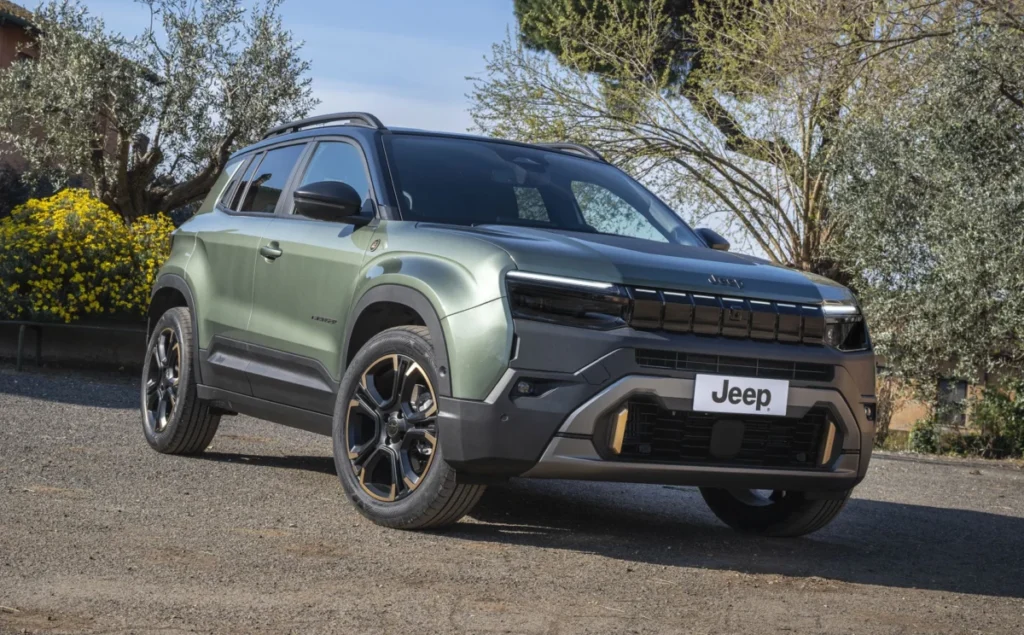
Since its inception in 2022, the Jeep Avenger has been a focal point of the Stellantis group’s European strategy. Designed, engineered, and manufactured within the European market, this "baby" Jeep did not merely fill a gap in the subcompact SUV segment—it arrived with the prestigious title of "European Car of the Year 2023." Now, as the model reaches the midpoint of its lifecycle, Jeep has unveiled a calculated restyling. Rather than a radical overhaul, this update focuses on refining the vehicle’s aesthetic identity, enhancing cabin quality, and reinforcing its diverse powertrain lineup to combat an increasingly crowded competitive landscape.
The Genesis: A Bold European Venture
The Avenger was conceived to bridge the gap for customers seeking the iconic Jeep DNA in a more manageable, urban-friendly format. At just 4.08 meters in length, the vehicle was designed specifically for European roads, where space is a premium and agility is a requirement.
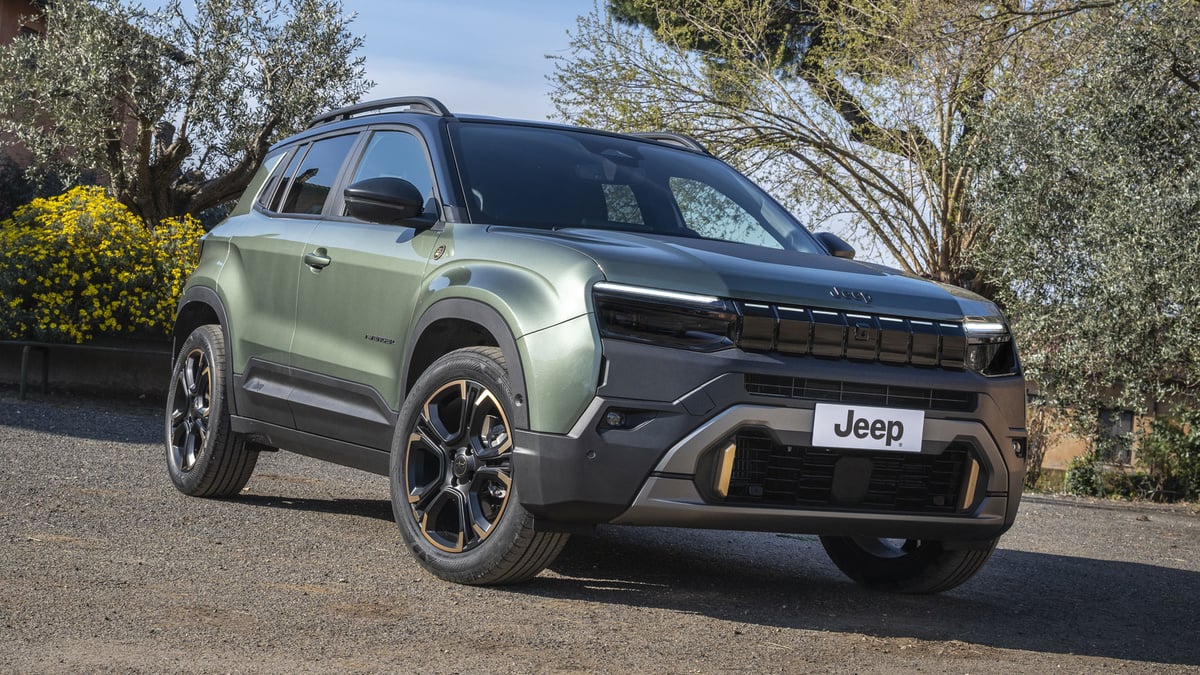
Upon its launch, Jeep took a massive gamble by positioning the Avenger primarily as a 100% electric vehicle. In retrospect, the brand admits that the market’s appetite for full-electrification at that specific price point was still maturing. Despite this, the vehicle’s success is undeniable: to date, the Avenger has secured over 270,000 orders. While the electric variant (156 hp) was the launch headliner in early 2023, it accounted for only 33% of sales in the French market. Consumers overwhelmingly leaned toward the 100 hp gasoline turbo, the 110 hp e-Hybrid, and the robust 145 hp 4xe all-wheel-drive variant. This versatility is the cornerstone of the Avenger’s dominance, providing a level of choice that many competitors—often restricted to single-powertrain platforms—simply cannot match.
Chronology of the Restyling
The decision to refresh the Avenger at this stage is a proactive move by Jeep to maintain momentum. The process began with subtle teasers, including a glimpse of the illuminated grille in April 2024, followed by regional previews in markets like Brazil, where the model has also gained significant traction.
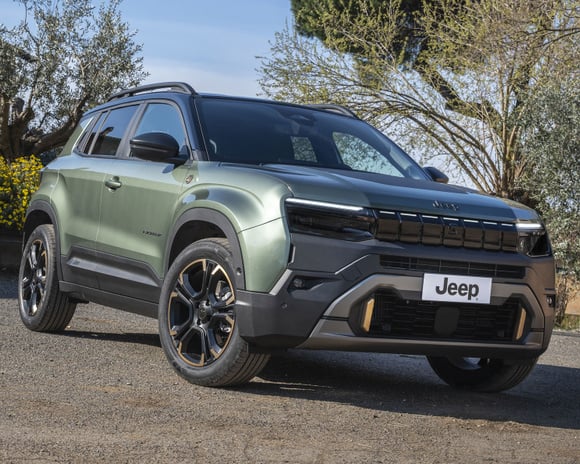
The official reveal marks the transition to the updated model, which introduces the "85th Anniversary" special edition. This edition serves as the launch platform for the new styling language, setting a price floor of €25,590. The refresh is not about fixing what was broken—since the sales figures prove the formula is working—but rather about sharpening the vehicle’s competitive edge through visual refinement and technological integration.
Aesthetic Evolution: A Sharper Identity
The most immediate changes to the Jeep Avenger are concentrated on its "face." The vehicle now adopts a more aggressive posture, featuring sharper corners and a more expressive fascia that draws clear inspiration from the larger Jeep Compass and the Cherokee.
The Illuminated Signature
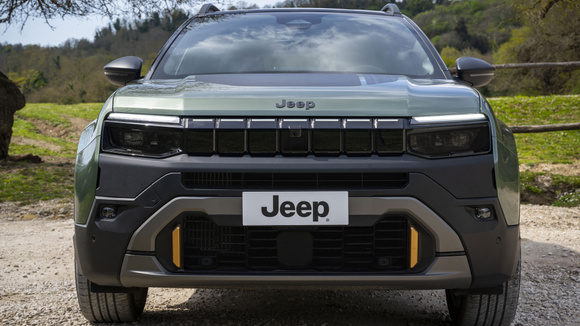
The centerpiece of the exterior update is the new lighting signature. The iconic seven-slot grille now features seven illuminated horizontal segments at the top of each slot. Beyond its aesthetic appeal, this feature serves as a distinct marketing tool, making the vehicle instantly recognizable at night. Furthermore, the integration of Matrix LED headlights and a 360-degree camera system adds a layer of modern sophistication and safety that brings the Avenger in line with premium-segment expectations.
Wheels and Color Palette
Jeep has also refreshed the rolling stock. The new alloy wheels, available in 17 and 18 inches, feature the stylized silhouette of the original Jeep Willys, reinforcing the brand’s heritage. The color palette has been expanded to include two new shades: "Forest" and "Bamboo," joining the existing lineup of Granite, Ruby, Snow, Storm, and Volcano. To maintain the customizability that customers love, the two-tone black roof remains a hallmark option.
Cabin Upgrades: Perceived Quality and Ergonomics
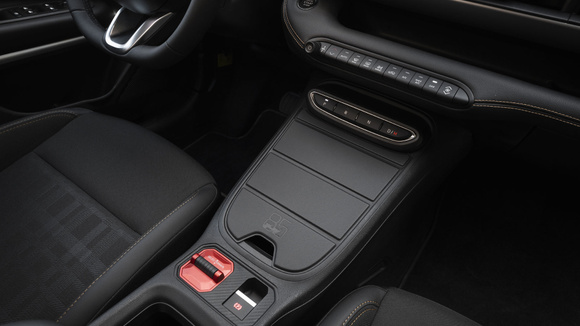
Jeep has recognized that in the B-SUV segment, the interior experience is a primary decision-maker. Consequently, the restyled Avenger benefits from improved materials throughout the cabin. Both the door panels and the lower section of the dashboard have been upgraded to provide a more tactile, premium feel.
Ergonomics have also seen subtle but significant improvements. The Selec-Terrain® control, which allows drivers to toggle between various drive modes on the 4xe version, is now encased in a high-contrast red frame with a rubberized grip. This makes the control easier to identify and operate during spirited or off-road driving. These improvements are critical as the Avenger prepares to face off against incoming rivals like the Skoda Epiq and the Volkswagen ID.Cross, which will challenge the electric variant of the Avenger in the coming months.
Powertrain Stability: A Proven Strategy
Perhaps the most notable aspect of the restyling is what has not changed: the powertrain lineup. Jeep remains committed to its multi-energy strategy.
The Turbo 100
The entry-level engine remains the "Turbo 100," a 1.2-liter three-cylinder unit paired with a six-speed manual transmission. This engine is the successor to the older PureTech units, now utilizing a timing chain to improve long-term reliability and reduce service costs. Given that this engine has been in circulation for some time, Jeep reports that it has held up well against reliability concerns, solidifying its role as the reliable workhorse of the range.

The Hybrid and Electric Continuum
The 110 hp e-Hybrid and the 145 hp 4xe hybrid variants continue to utilize the same technical architecture, featuring an innovative gearbox design that has become a staple of the current Stellantis hybrid offering. On the electric front, the powertrain remains unchanged: 156 hp and a 54 kWh battery capacity, capable of 100 kW fast charging. While competitors like the new Renault 4 (150 hp) are arriving with similar specs, Jeep is betting that the established reliability and the specific off-road capabilities of the 4xe variant will maintain their market lead.
Strategic Implications and Market Outlook
The "baby" Jeep is no longer just an experiment; it is the cornerstone of the brand’s European volume. By choosing a conservative restyling path, Jeep is signaling confidence in the current design language. However, the introduction of the 85th Anniversary edition is a strategic move to keep the product cycle fresh.

Competitive Pressure
The automotive industry is currently in a state of flux. With the European market shifting toward more affordable electric vehicles, the Avenger’s hybrid variants act as a "buffer" for consumers who are not yet ready to commit to full electrification. The arrival of mass-market, high-volume EVs from the Volkswagen Group (ID.Cross) and Skoda (Epiq) will undoubtedly exert price pressure on the market. Jeep’s response—improving quality and visibility—is designed to justify a price point that sits slightly above the entry-level "budget" EVs.
Conclusion
The updated Jeep Avenger is a masterclass in mid-life management. It maintains the rugged, iconic aesthetic that drove its initial success while addressing the minor complaints regarding material quality and night-time visibility. By doubling down on its multi-energy approach, Jeep is positioning the Avenger to withstand the transition period of the next few years. As the brand continues to evolve, the Avenger remains the benchmark for how a legacy American manufacturer can successfully adapt to the unique, demanding, and highly competitive European SUV market. Whether it is the punchy 100 hp turbo or the adventurous 4xe, the Avenger continues to offer a "Jeep" experience that feels just as at home in a narrow European alleyway as it does on a dirt track.
