

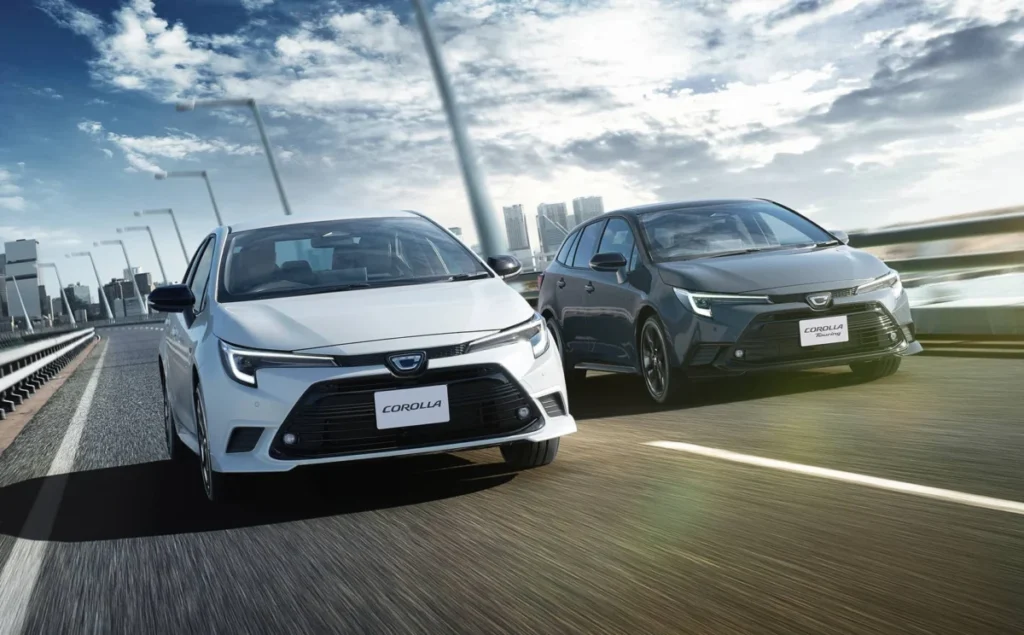
In the annals of automotive history, few names carry the weight, the ubiquity, and the sheer volume of the Toyota Corolla. Since its inception in 1966, this humble compact car has quietly woven itself into the fabric of global society. As it approaches its 60th anniversary in 2026, the Corolla stands not just as a model, but as a monumental achievement in industrial engineering and consumer trust, having surpassed 57 million units sold worldwide.
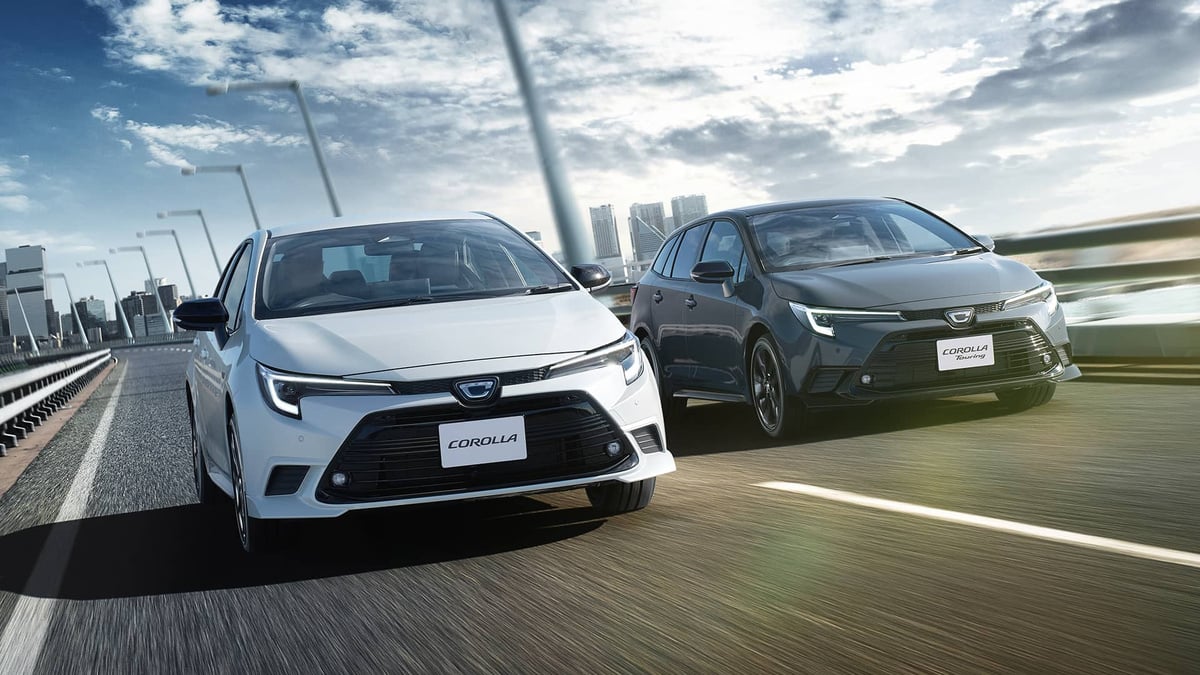
While luxury marques chase prestige and supercar manufacturers chase lap times, Toyota has spent six decades chasing something far more elusive: absolute consistency. To celebrate this milestone, the Japanese giant is rolling out a commemorative special edition—a nod to the past while the world waits with bated breath for the unveiling of the thirteenth generation.
A Legacy Built on Understatement
The story of the Corolla is one of the most successful "banal" narratives ever written. It is a car that rarely dominates headlines for its design language, which has historically been criticized for a lack of adventurous spirit. However, this restraint is precisely why it has flourished. While the Volkswagen Golf defined the European hatchback segment and various American muscle cars defined the concept of performance, the Corolla defined the concept of mobility.
It is the quintessential "everyman’s car." Whether navigating the congested streets of Tokyo, the sprawling highways of North America, or the winding roads of Europe, the Corolla has provided a reliable, affordable, and unassuming service to millions. Its success proves that in the automotive world, predictability is a virtue that, over time, becomes a competitive advantage.
Chronology: From 1966 to the Modern Era
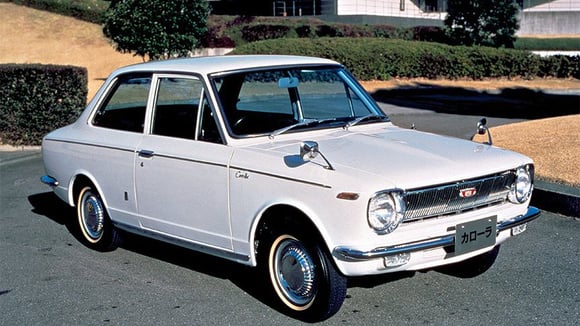
The genesis of the Corolla dates back to November 1966 in Japan. It was conceived as a "people’s car" that would prioritize passenger comfort and mechanical longevity.
- 1966–1970 (First Generation): Introduced the 1.1-liter K-series engine, the Corolla established itself as a refined alternative to the utilitarian vehicles of the time.
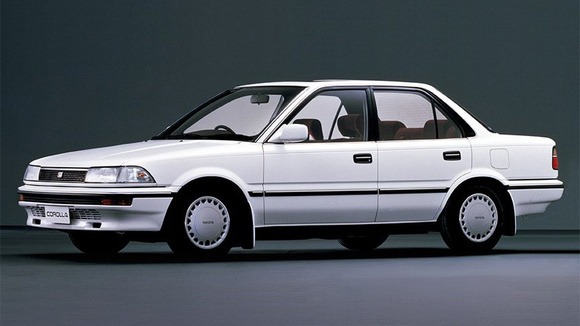
- The Middle Years: Through the 1980s and 1990s, the Corolla became a global phenomenon. It was during this period that it gained a reputation for being "indestructible," a trait that cemented its status in developing markets where maintenance infrastructure was scarce.
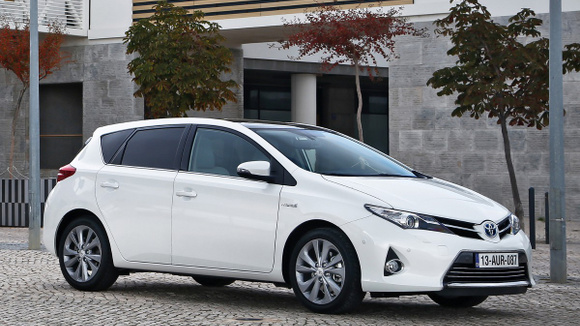
- 2007–2018 (The Auris Experiment): In a rare strategic pivot, Toyota rebranded the five-door hatchback version as the "Auris" in European markets. The intent was to align the model with the Yaris, attempting to capture a younger, more design-conscious demographic. The experiment, while profitable, never truly captured the cultural gravity of the Corolla name, leading to the brand’s return to its roots in 2018.
- 2018–Present: The return of the Corolla moniker in Europe marked a resurgence in design confidence. With more aggressive lines and the dominance of its hybrid powertrains, the Corolla reclaimed its spot as a segment leader.
The Performance Anomaly: The AE86 and the GR Corolla
While the standard Corolla is celebrated for its predictability, the nameplate has occasionally flirted with radicalism. The most famous example is the AE86, a rear-wheel-drive coupe that became a legend of the drifting scene and the star of the manga Initial D.
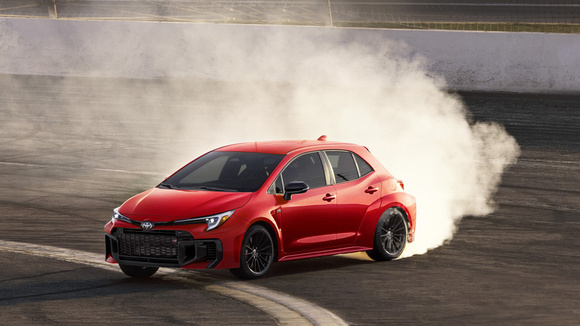
More recently, the GR Corolla has reignited the passion of enthusiasts. Equipped with the same 300-hp turbocharged three-cylinder engine and sophisticated all-wheel-drive system found in the GR Yaris, the GR Corolla is a rally-bred machine that contrasts sharply with the standard model. However, its absence in certain markets—including parts of Europe due to strict emissions taxes—highlights the friction between global product strategy and regional legislative realities.
Supporting Data: By the Numbers
The sheer scale of the Corolla’s production is difficult to contextualize.
- Total Production: Over 57 million units.
- Geographic Reach: Sold in over 150 countries.
- Production Velocity: At its peak, a new Corolla was rolling off a production line somewhere in the world every few seconds.
- Reliability Metrics: Data consistently places the Corolla at the top of long-term reliability surveys, with many units exceeding 300,000 miles with only standard maintenance.
This data underscores the "Toyota Way"—a philosophy of continuous improvement (Kaizen) that ensures the product is not just built, but refined over decades.
Official Stance and Global Strategy
Toyota’s approach to the 60th anniversary is surprisingly modest. There will be no massive, multi-city gala or extravagant PR stunt. Instead, the focus remains on the product. The limited-edition commemorative series serves as a bridge, keeping the model relevant as the company transitions toward the next chapter.
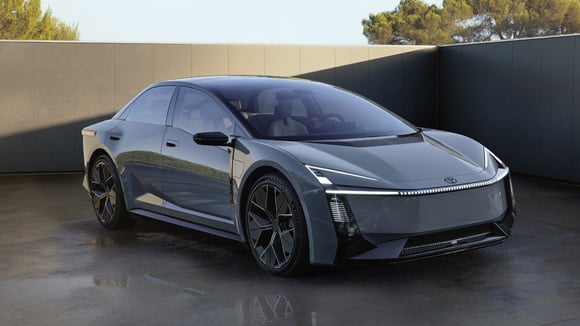
The most critical question facing the manufacturer is the transition to electrification. While the current hybrid system is arguably the most refined in the industry, the thirteenth generation must navigate the shift toward full Battery Electric Vehicle (BEV) architecture. Toyota’s presentation of a "futuristic concept" at the 2025 Tokyo Motor Show suggests that the next generation will retain the brand’s core values while adopting a bolder, more aerodynamically efficient aesthetic.
Implications for the Future
The upcoming thirteenth generation represents a crossroads. The automotive industry is currently undergoing the most significant transformation since the invention of the assembly line. For a model as established as the Corolla, the challenge is not just to maintain sales, but to remain relevant in a world where software, autonomy, and electrification are the new metrics of success.
If the recent concept previews are any indication, the next Corolla will move away from the "banal" critique of the past. It will likely feature a more radical, futuristic design that hints at Toyota’s ambition to compete with the latest wave of tech-focused EV entrants.
Furthermore, the regional discrepancies—such as the Corolla Cross SUV being unavailable in certain European markets or the GR Corolla being restricted from others—will likely be smoothed out as Toyota moves toward a more unified global platform. The brand is keenly aware that its future rests on the shoulders of the Corolla; it is the anchor of the company’s portfolio and the primary vehicle through which it maintains its relationship with the average consumer.
Conclusion: A Masterclass in Longevity
As 2026 approaches, the Corolla serves as a testament to the idea that success is not found in the spotlight of the moment, but in the consistency of the journey. For sixty years, it has provided the world with the most essential of services: the freedom to move, the security of reliability, and the peace of mind that comes with a vehicle that never lets you down.
Whether the next generation embraces full electrification or continues to push the boundaries of hybrid efficiency, one thing is certain: the Corolla will continue to be the benchmark by which all other compact cars are measured. It may have started as a simple, affordable car for the Japanese market, but it has become, in every sense, the car of the world. As we look toward the next sixty years, the Corolla remains, as ever, ready for the road ahead.
