

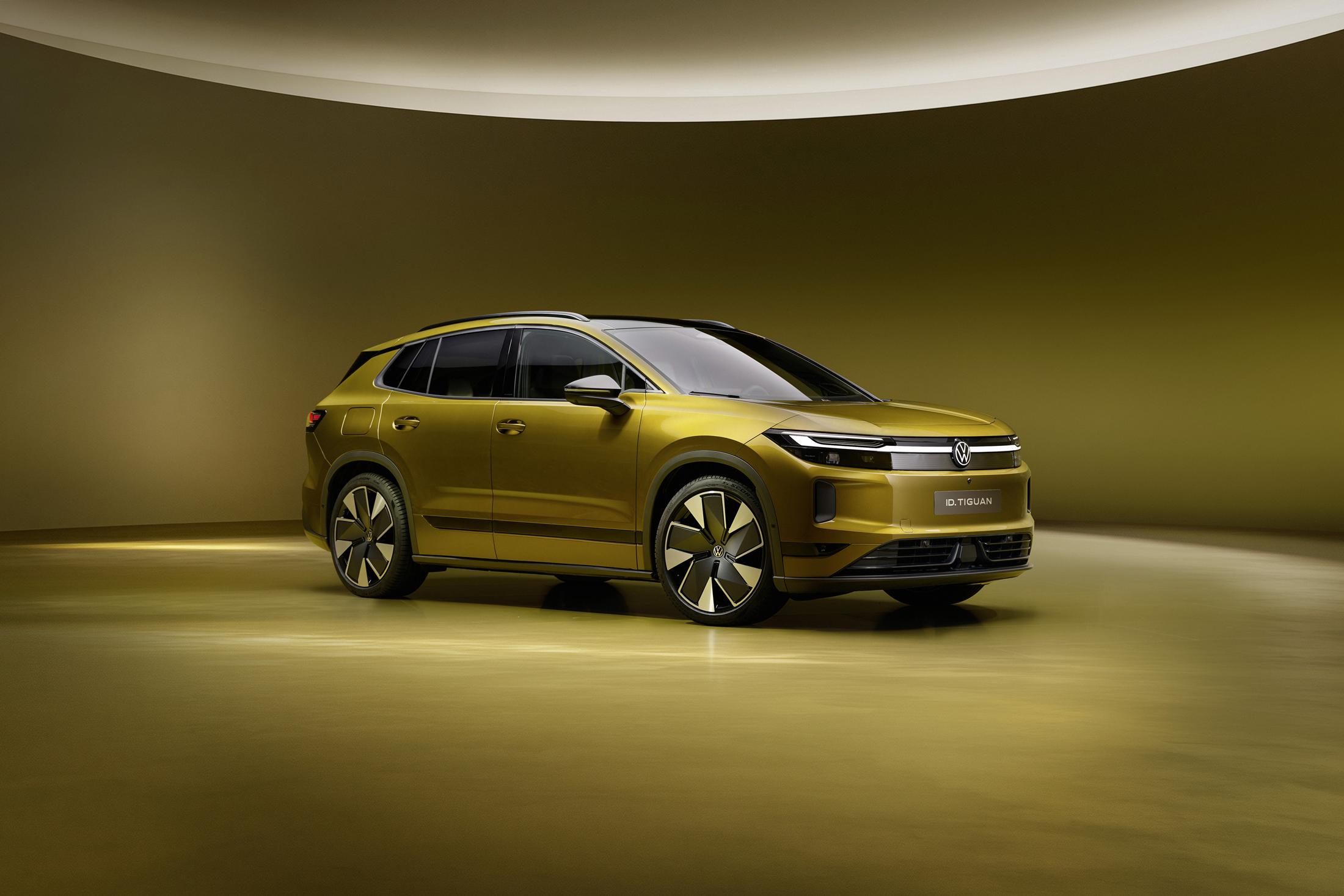
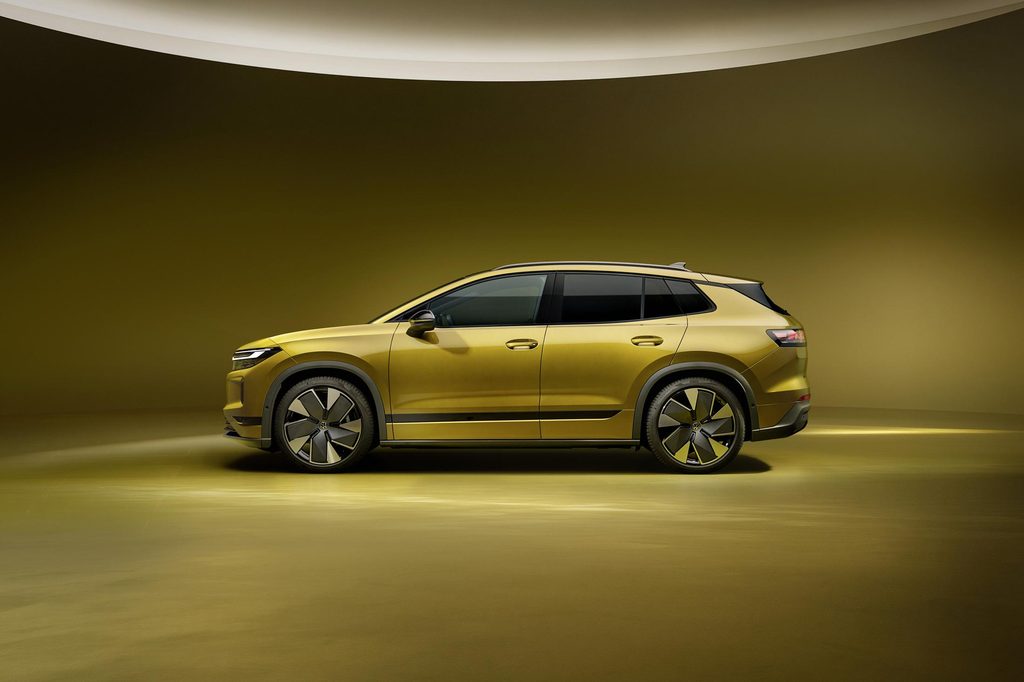
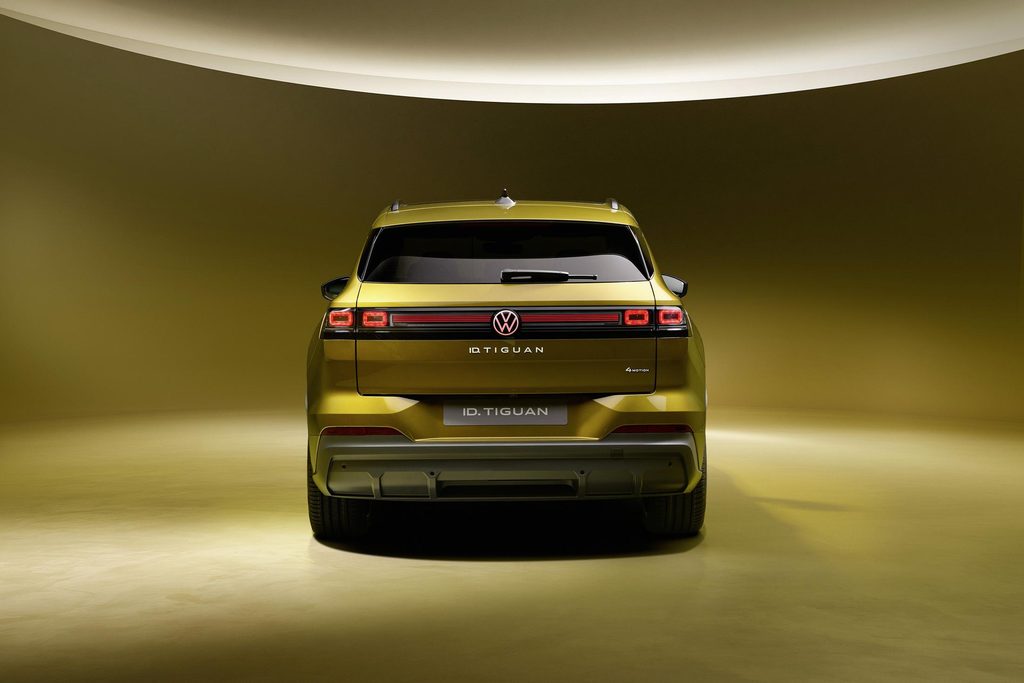
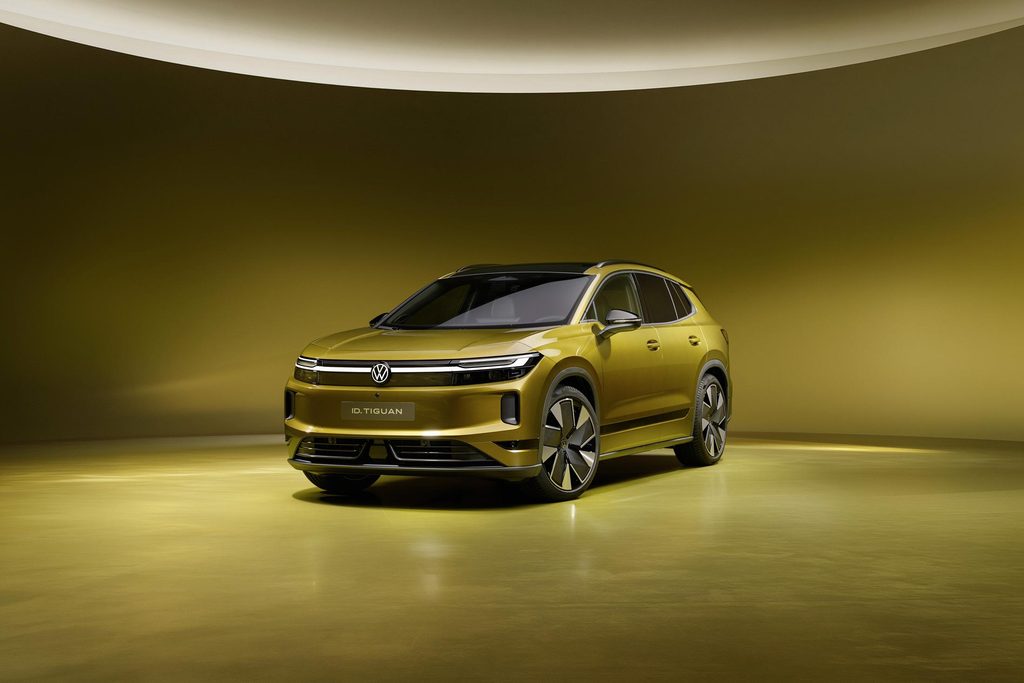
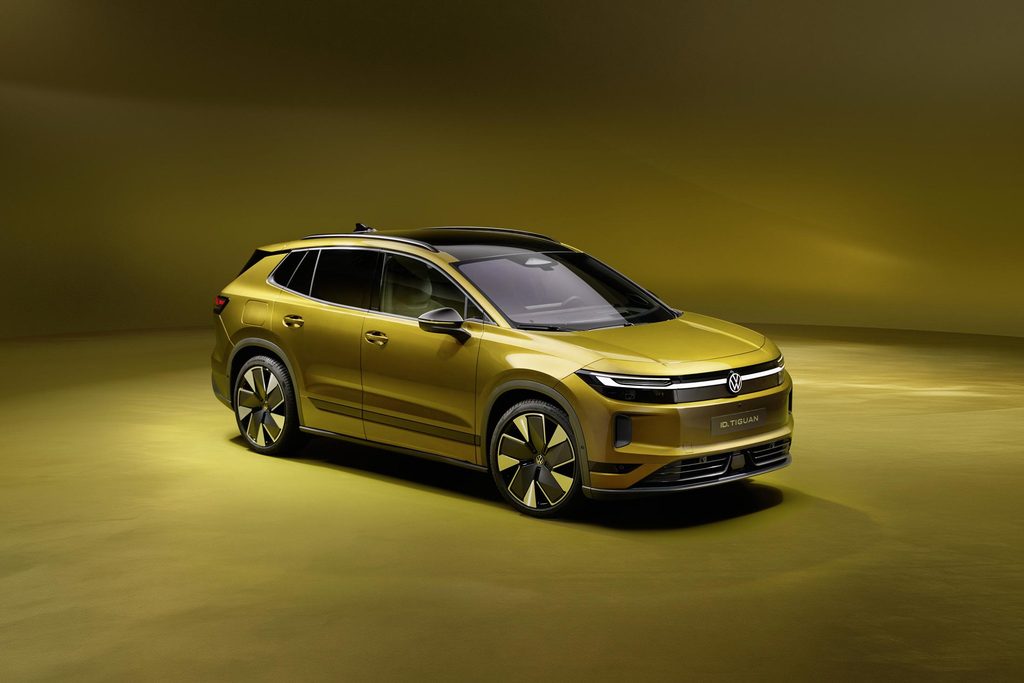
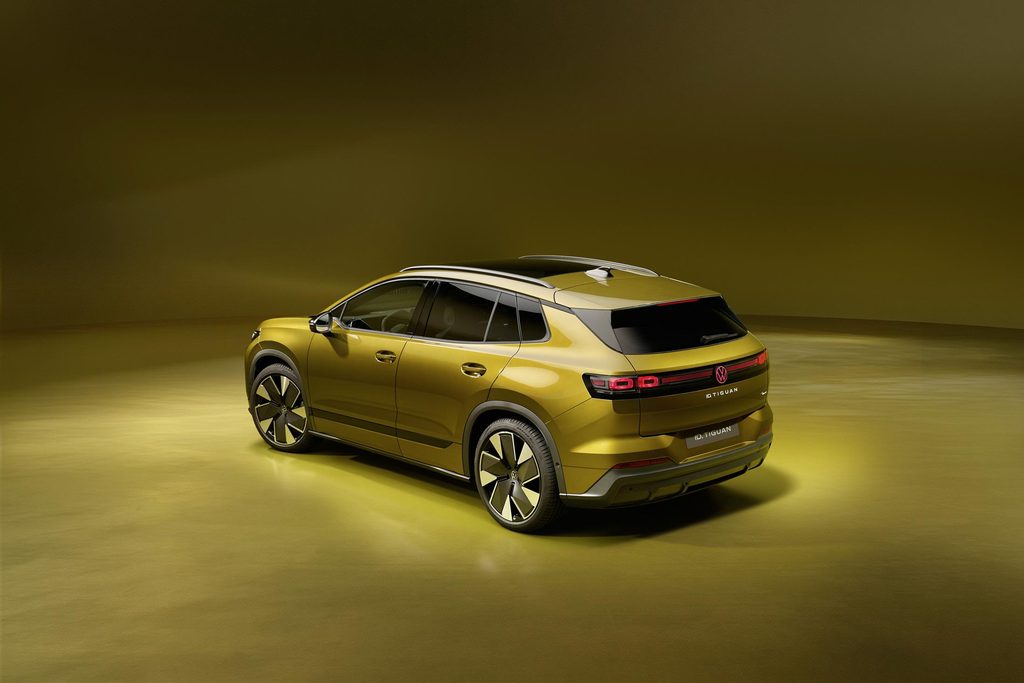
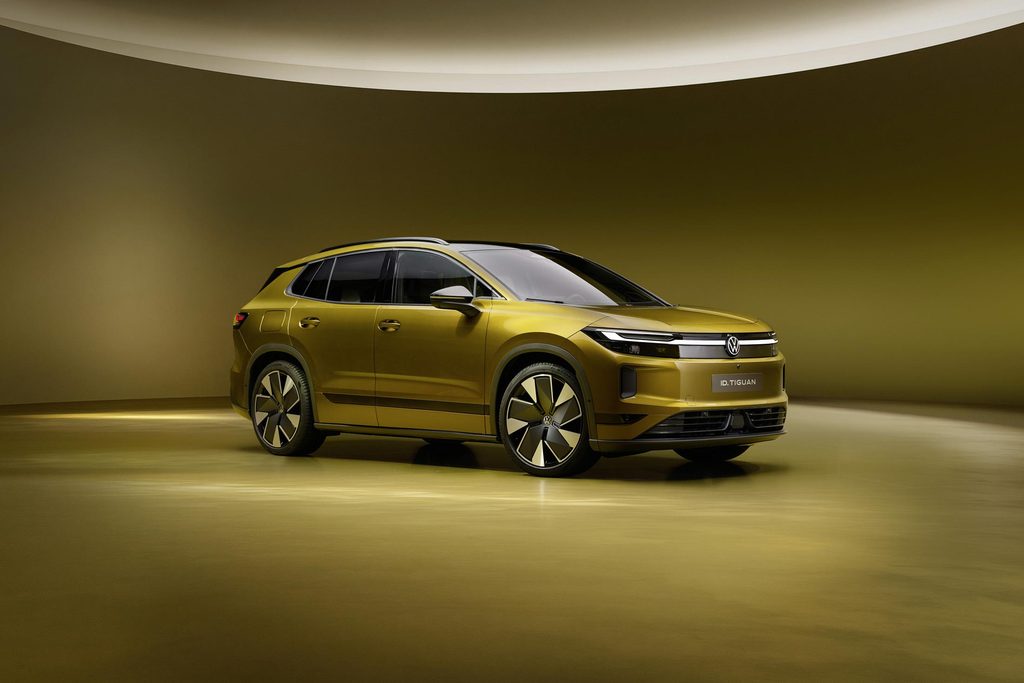
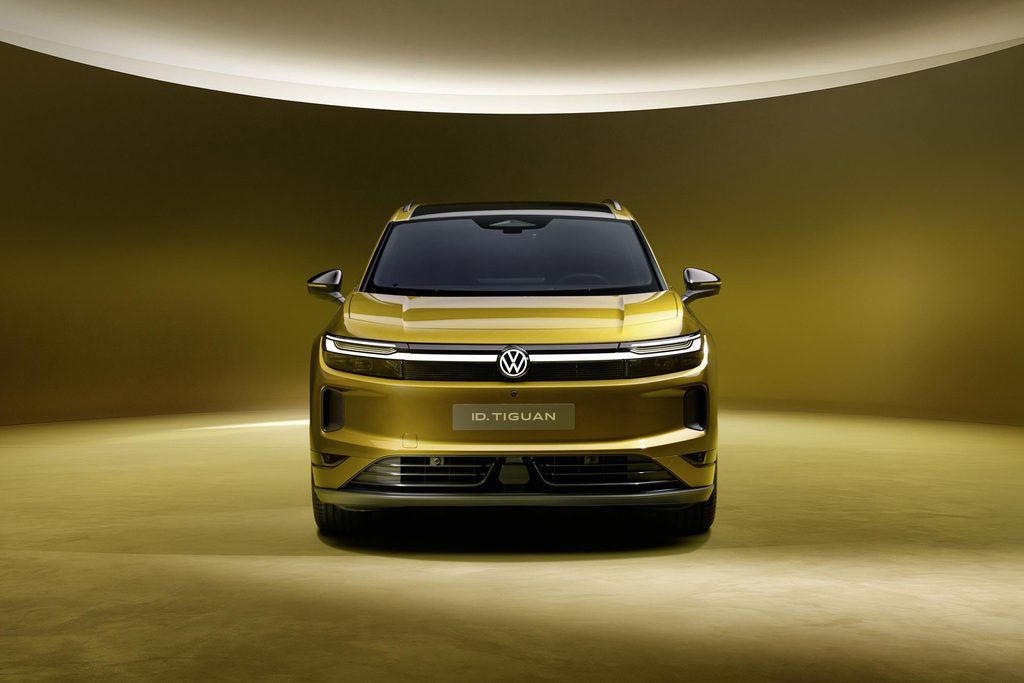
Volkswagen has officially pulled the curtain back on one of its most anticipated strategic shifts in recent memory: the introduction of the all-electric ID. Tiguan. Set to arrive in showrooms at the beginning of 2027, this new SUV is not merely another addition to the "ID." lineup; it marks a fundamental change in how the German automotive giant markets its electric transition. By reclaiming the iconic "Tiguan" moniker—a nameplate synonymous with the brand’s global success in the internal combustion engine (ICE) era—Volkswagen is signaling that its electric vehicles are no longer experimental niche products, but the new standard for the brand’s core identity.
Main Facts: A Strategic Pivot to Familiarity
The decision to drop the numerical suffix (previously used in the ID.4 and ID.5) in favor of the established "Tiguan" name is a calculated marketing maneuver. Volkswagen’s internal data suggests that customers find traditional, recognizable names more evocative and reassuring than abstract numerical sequences.
The new ID. Tiguan is designed to be a direct, zero-emission successor to the legendary combustion-powered Tiguan. It aims to revitalize the sales momentum of a platform that, combined under the ID.4 and ID.5 umbrellas, has already moved nearly one million units worldwide. With a targeted maximum range of 600 kilometers (WLTP cycle) and a powertrain capable of producing up to 299 horsepower, the vehicle positions itself as a premium, high-performance competitor in the crowded mid-size SUV market.
Pricing is expected to be aggressive, with an entry-level price point starting at approximately €42,695 in the German market. This suggests that Volkswagen is fighting hard to maintain its competitive edge against rising pressures from both legacy rivals and emerging electric-first manufacturers.
Chronology: The Path to 2027
The road to the launch of the ID. Tiguan has been a multi-year development process marked by internal restructuring and a radical rethink of the user experience.
- October 2026: The official window for pre-orders opens in Germany and select European markets. This date serves as the critical "go-live" for consumer engagement, setting the stage for the vehicle’s commercial debut.
- Early 2027: The official market launch. Notably, the ID. Tiguan will hit the streets in parallel with the final generation of traditional hybrid and combustion-powered Tiguans, reflecting Volkswagen’s "dual-track" strategy of supporting legacy technology while accelerating the transition to full electrification.
- Post-2027: The vehicle will act as the vanguard for Volkswagen’s next generation of SUV architecture, likely setting the design language for the rest of the electrified fleet through the decade.
Supporting Data: Engineering and Capability
Volkswagen has focused heavily on versatility and performance to ensure the ID. Tiguan appeals to a broad demographic. The vehicle is built on an evolution of the MEB+ platform, offering three distinct powertrain configurations.
Performance and Range Specs
- Entry-Level (Small Battery): Aimed at urban commuters, this configuration is expected to deliver approximately 450 km of range (WLTP), balancing affordability with daily usability.
- Mid-Range (Propulsion Focused): Likely to be the "volume seller," this version maximizes range and driving efficiency, pushing toward the 600 km mark.
- High-Performance (4MOTION): Equipped with dual-motor all-wheel drive, this version will offer superior traction and performance, with a targeted range of around 550 km.
Practicality
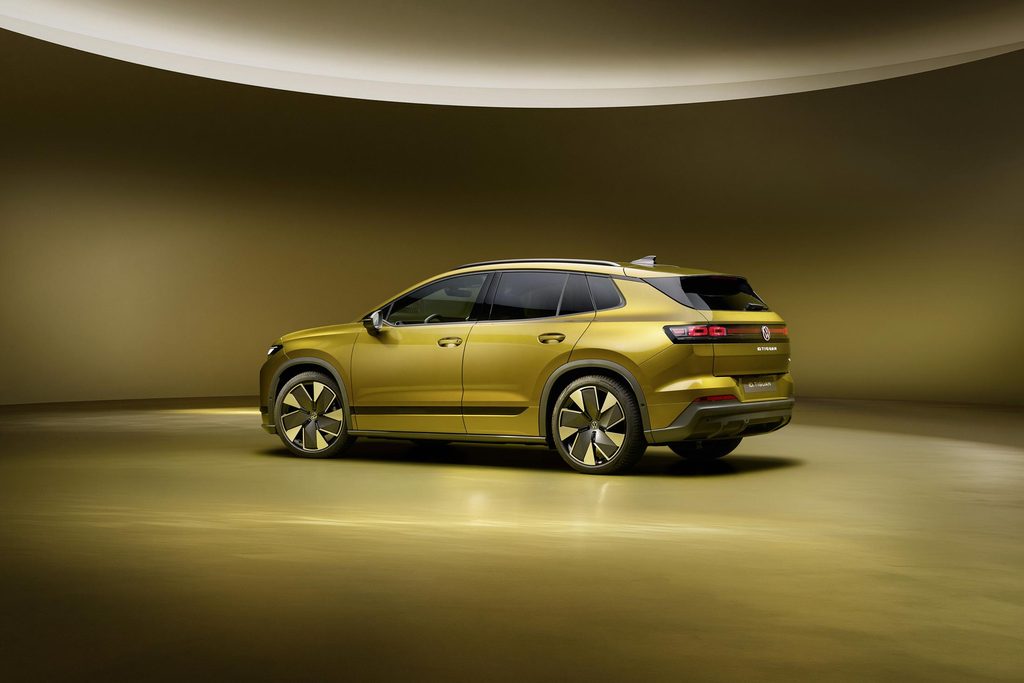
For those who prioritize utility, the ID. Tiguan delivers. It offers a 534-liter rear trunk, significantly bolstered by a 32-liter front storage compartment (commonly referred to as a "frunk"), which provides a secure, clean space for charging cables. Furthermore, the vehicle maintains impressive towing capabilities, allowing owners to pull up to 2,000 kg with the 77 kWh battery pack, proving that electrification does not have to come at the expense of rugged utility.
The Interior Revolution: Three Screens and Tactile Revival
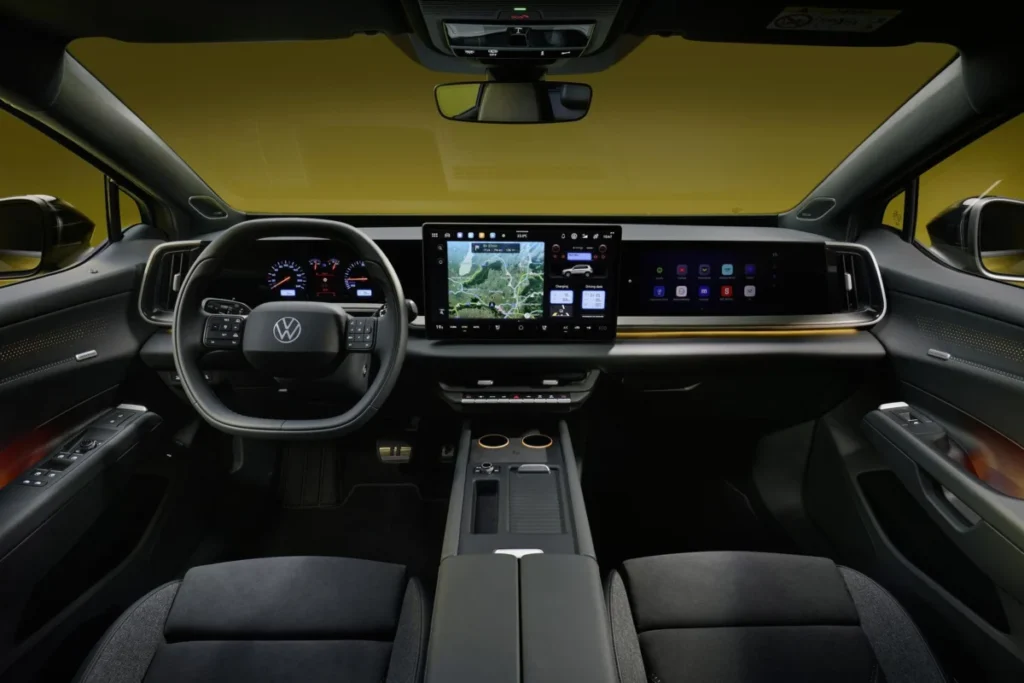
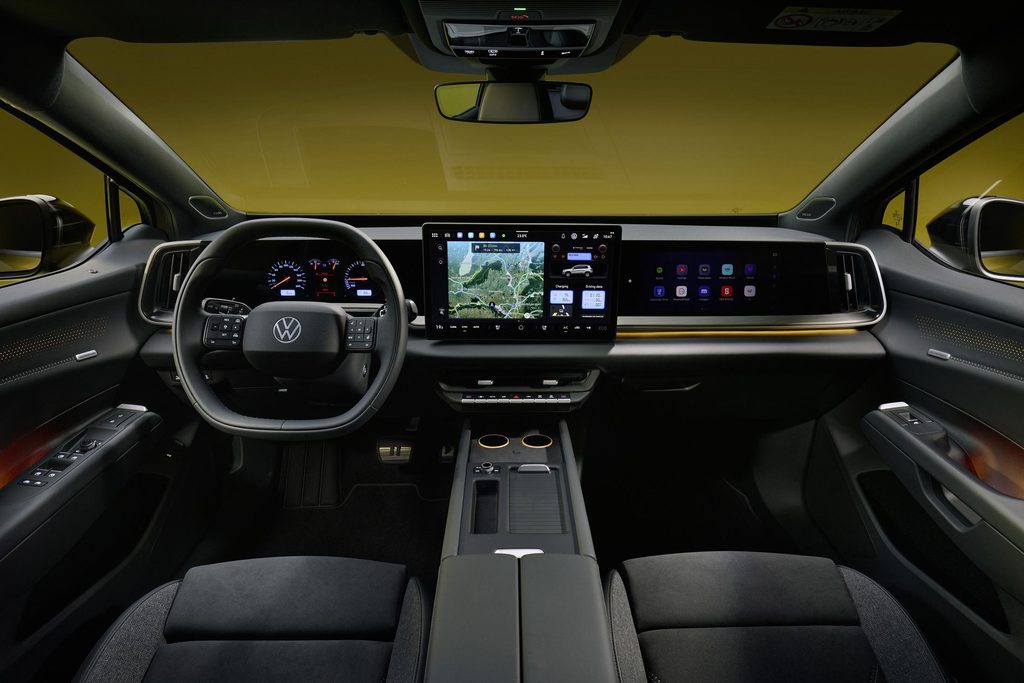
Perhaps the most significant change, based on customer feedback regarding the outgoing ID models, is the interior. The "all-touch" philosophy of the earlier ID generation has been reconsidered.
The Return of Buttons
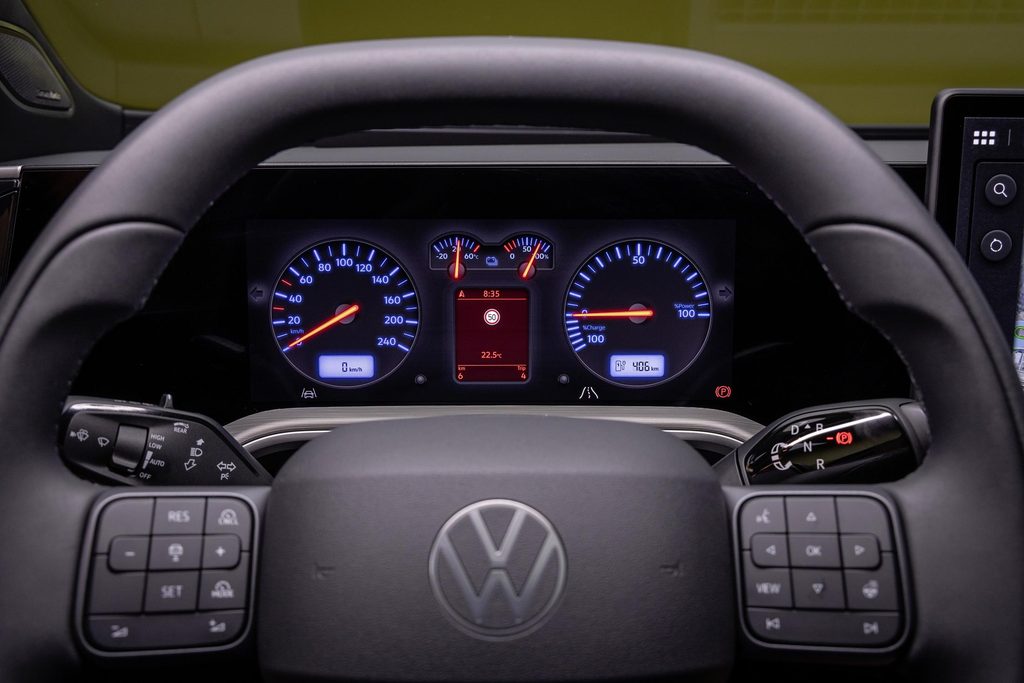
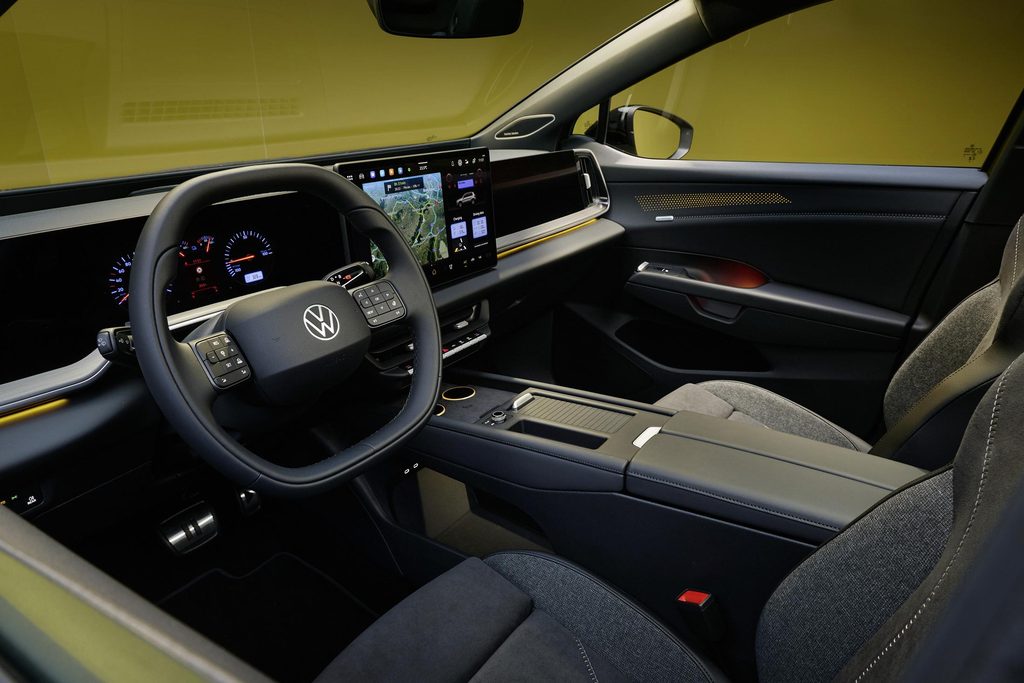
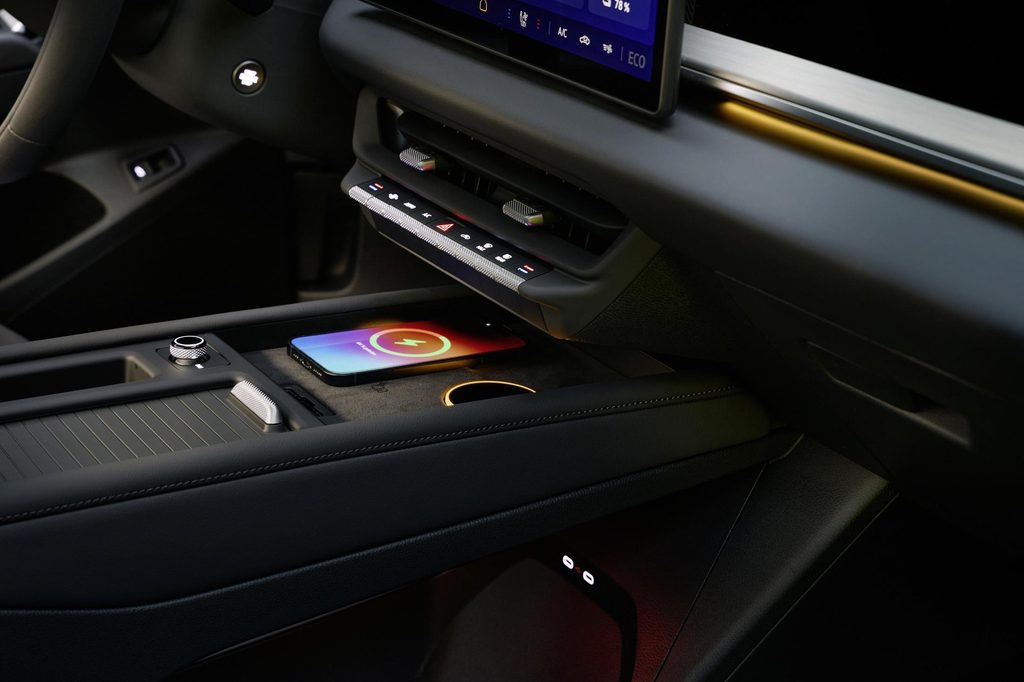
Volkswagen has listened to its critics. The steering wheel, previously a frustration for many due to sensitive touch-capacitive controls, now returns to physical buttons. Similarly, critical climate control functions have been moved to a dedicated, easy-to-reach row in the center console, and physical knobs for volume and track selection have been reinstated.
The Digital Cockpit
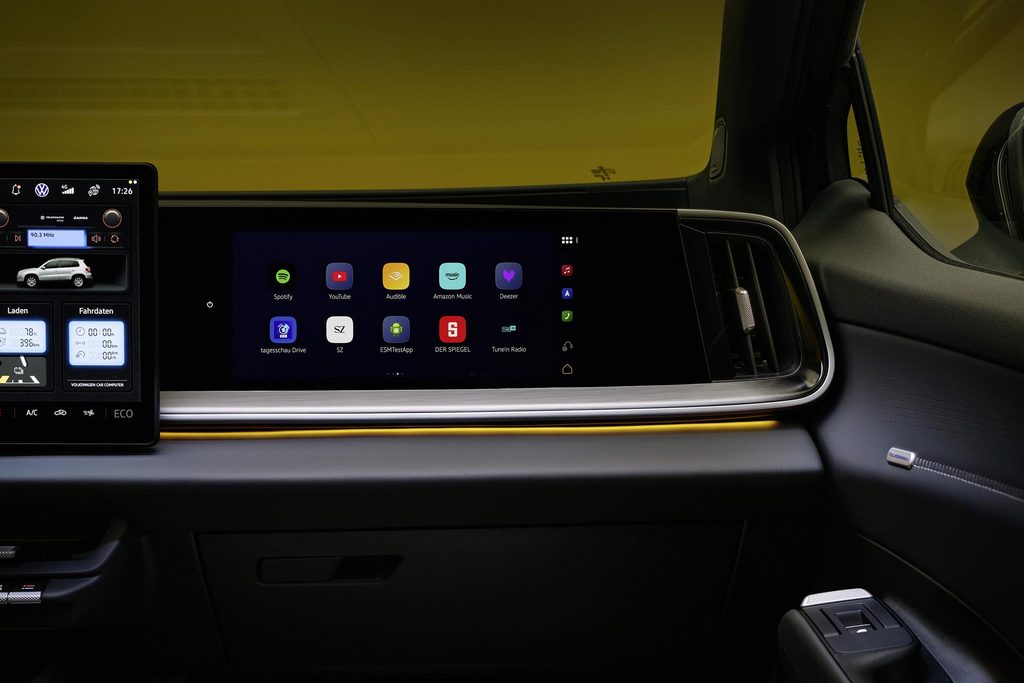
The dashboard is dominated by a triple-screen layout:
- Driver Display: A 10-inch digital instrument cluster provides essential driving data.
- Central Multimedia: A massive 15-inch landscape-oriented screen handles navigation, entertainment, and vehicle settings.
- Passenger Screen: A 12-inch screen dedicated to the front passenger, featuring a "privacy mode" that prevents the driver from being distracted by the content being watched or played on the passenger side.
A charming, if technically unnecessary, addition is the "Heritage Mode." Drivers can toggle the digital displays to mimic the aesthetic of classic VW icons, including the Golf I, the Golf IV, and the original Tiguan. This blend of cutting-edge technology and historical nostalgia is clearly designed to foster an emotional connection with long-time brand loyalists.
Implications: A New Standard for the Market
The launch of the ID. Tiguan holds significant implications for the European automotive landscape.
1. Market Positioning
By abandoning the "ID." branding in favor of the Tiguan name, Volkswagen is effectively ending the "experimentation phase" of its electric fleet. It is an admission that the market wants familiar, trusted vehicles that happen to be electric, rather than "gadgets on wheels" that force a complete change in user behavior.
2. Technological Maturity
Features such as the Connected Travel Assist—which allows for assisted lane changes on the highway and automatic stop-and-go functionality at traffic lights—demonstrate that Volkswagen is catching up to, and in some cases surpassing, the automation features offered by its rivals. The inclusion of V2L (Vehicle-to-Load) technology, which allows the car to power external devices like e-bikes or camping equipment, shows that the company is finally leaning into the "lifestyle" aspects of EV ownership.
3. Sustainability and Manufacturing
The ID. Tiguan is being built with an eye toward modularity. By offering four distinct trim levels (Trend, Life, Style, and R-Line), Volkswagen is ensuring that the vehicle can reach a wide range of price points. However, the reliance on high-end tech like the triple-screen setup and the advanced ADAS (Advanced Driver Assistance Systems) suggests that the company is betting its future on software-defined vehicles.
Final Assessment: The Road Ahead
The ID. Tiguan is not a revolution in terms of physics—it does not claim to offer 1,000 km of range or charge in three minutes. Instead, it is a refinement. It addresses the specific complaints that held back the ID.4 and ID.5: the overly complex software, the lack of tactile controls, and the identity crisis of the "ID" nomenclature.
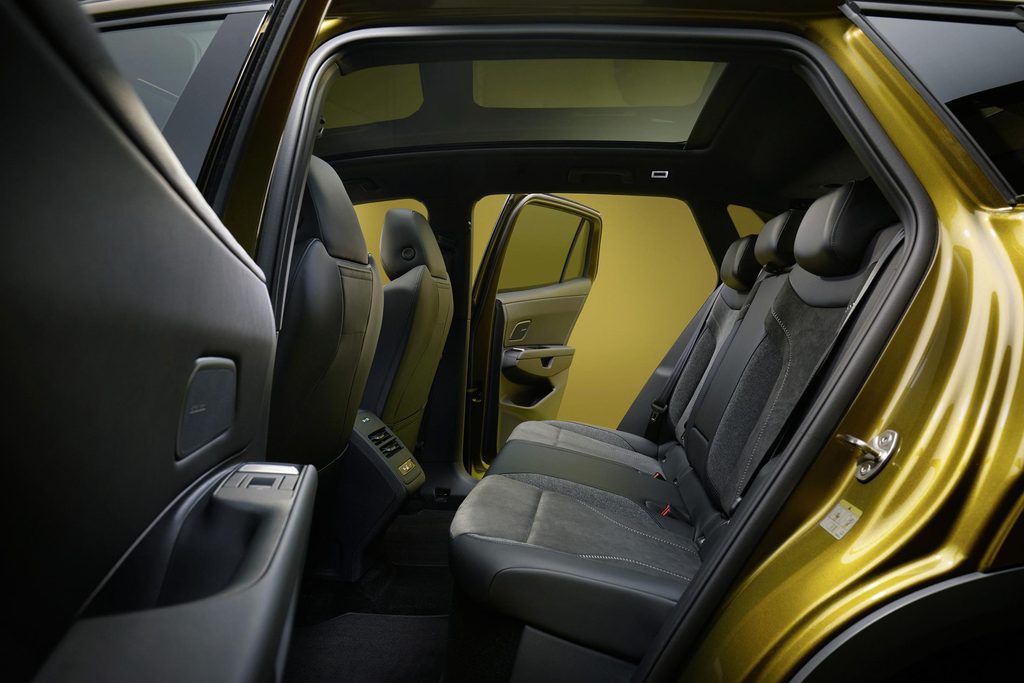
For potential buyers, the message is clear: the transition to electric is no longer a compromise. It is a seamless evolution of the car you already know and trust. While it remains to be seen if the final production model will hit the sub-€43,000 price point in all European markets, the ID. Tiguan represents the most coherent, customer-focused electric vehicle Volkswagen has produced to date. As the industry approaches 2027, the success of this vehicle will be a litmus test for whether the world’s largest traditional automakers can successfully defend their territory against the electric-native upstarts that have dominated the headlines for the last decade.
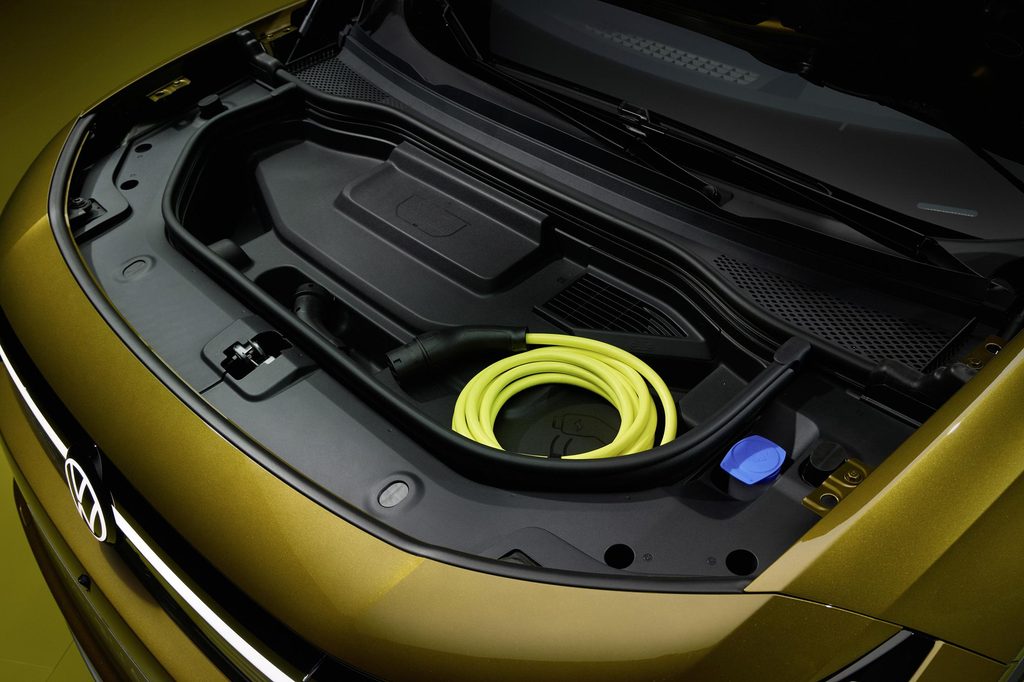
In the final analysis, the ID. Tiguan is a "Goldilocks" vehicle—it is not too experimental, not too expensive, and not too far removed from the DNA of the brand. It is exactly what Volkswagen needs to secure its future in an increasingly electrified world.
