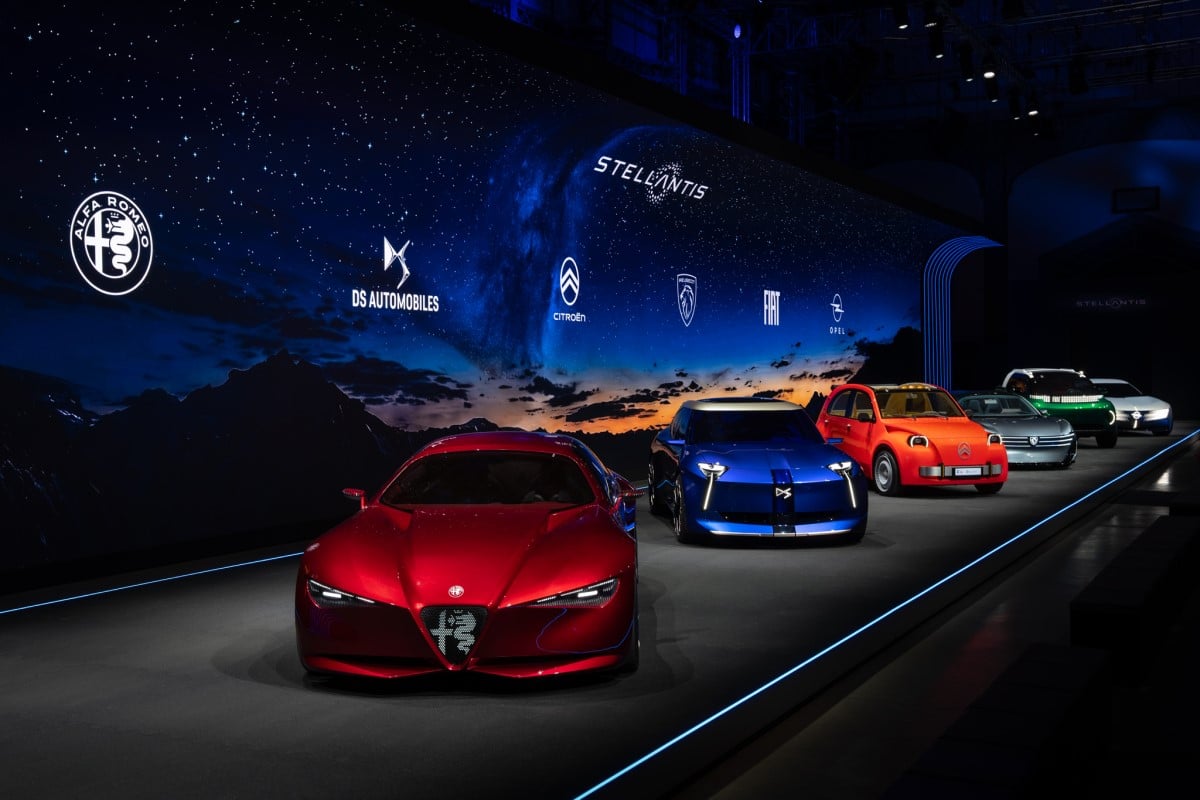
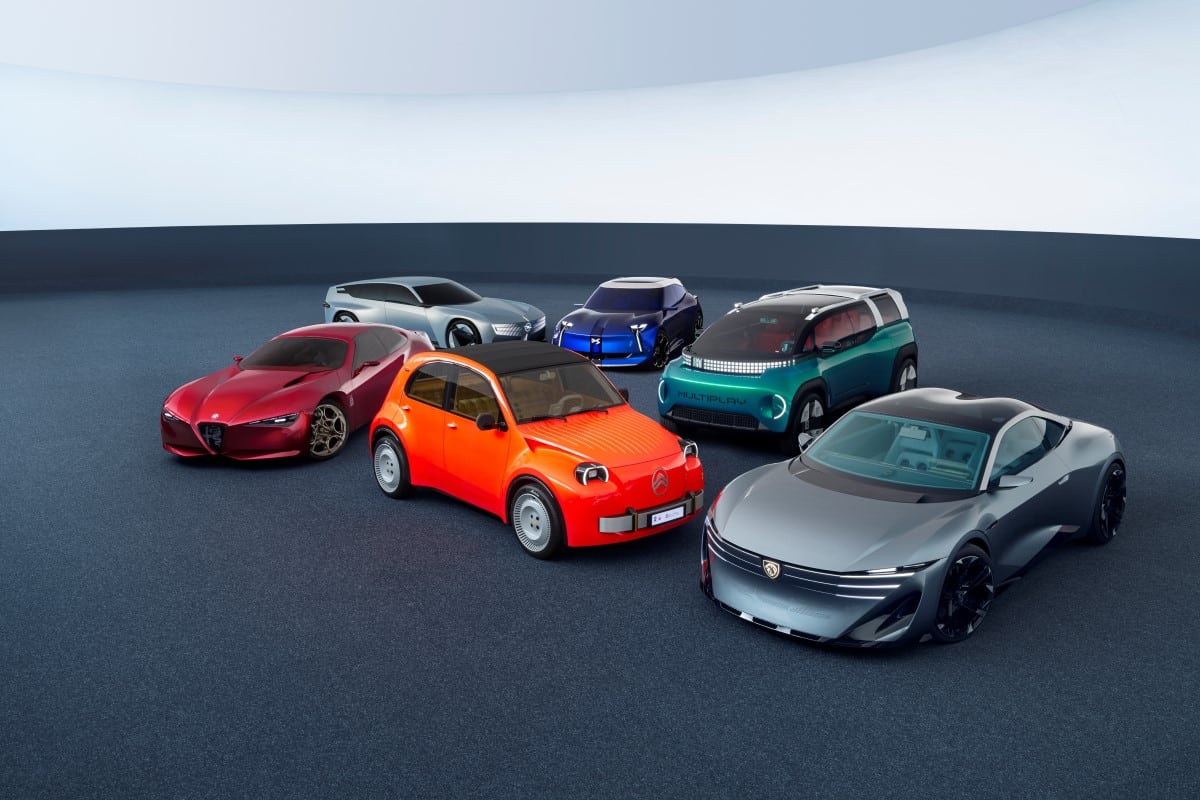
PARIS — To turn the page on a bruising chapter of financial headwinds and sluggish market reception, automotive titan Stellantis chose the atmospheric backdrop of the Hangar Y in Meudon to rewrite its narrative. On the eve of the 2026 Paris Motor Show, the group orchestrated a meticulously curated press event dubbed "The Night Before." Under moody lighting and cinematic stage reveals, Stellantis pulled the wraps off six striking concept cars, deploying an impressive arsenal of nostalgia, calculated modesty, and heavy doses of future-forward engineering.
The message projected to the press was unmistakable: “No, no, these are not direct production models,” insisted the executives on hand. Yet, behind the familiar disclaimer of design-studio flights of fancy lies a serious, high-stakes corporate crusade. Stellantis occupied the physical and psychological high ground of the exhibition space, deploying over 60 vehicles, nine total concepts, and eight distinct brands—double the four brands it showcased at the previous Paris show in 2024. When an automotive conglomerate needs to reassure investors, dealers, and the public, occupying the terrain is the oldest trick in the book.
Main Facts: The "FaSTLAne 2030" Blueprint and the Meudon Reveal
The unveiling of the six concept cars is not merely a styling exercise; it serves as the emotional and visual vanguard for Stellantis’s freshly minted strategic turnaround plan: "FaSTLAne 2030."
Weighing in at a staggering 60 billion euros in projected investments, the FaSTLAne 2030 blueprint outlines a rigorous roadmap featuring more than 60 total new vehicle launches and 50 major vehicle facelifts between now and the end of the decade. Financial gravity dictates resource allocation: 70% of total group investments are channeled directly into four designated global heavy-hitters—Jeep, Ram, Peugeot, and Fiat—alongside the commercial vehicle division, Pro One.
Meanwhile, traditional European pillars Citroën, Opel, and Alfa Romeo have been officially reclassified as "regional brands." Under the guidance of European Design Director Gilles Vidal (formerly of Peugeot), these regional marques must pull off a delicate balancing act: leveraging shared corporate EV platforms to slash development costs while fiercely maintaining unique stylistic and dynamic identities. In essence, the corporate directive reads: “Figure out how to share the architecture, but remain utterly unique.”
The six concept vehicles showcased at Hangar Y—representing Citroën, Peugeot, Alfa Romeo, DS, Fiat, and Opel—are the physical manifestations of this complex balancing act.
Chronology of the Reveal: "The Night Before" in Meudon
The unfolding of events on the evening preceding the official opening of the 2026 Mondial de l’Auto demonstrated Stellantis’s renewed mastery of event-driven PR.
Late Afternoon: Media representatives arrived via private shuttles at the historic Hangar Y, a restored 19th-century industrial airship hangar in the wooded suburbs of Meudon, transformed for the night into a cathedral of automotive design.
The Master Plan Address: Stellantis leadership took the stage to officially detail the FaSTLAne 2030 financial framework, emphasizing cost reduction, platform standardization, and the aggressive electrification timeline.
The Sequential Unveil: Moving from past-inspired simplicity to bleeding-edge performance, the six concept cars were revealed one by one in an immersive light-and-sound performance.
The Close-Up Sessions: Following the formal presentations, journalists were granted static access to dissect the vehicles, interview brand directors, and parse the fine print between promotional hyperbole and production reality.
Supporting Data: Deep Dive into the Six Concepts
Each of the six concepts tells a distinct technical and philosophical story, targeting different consumer segments while testing foundational technologies destined for future production models.
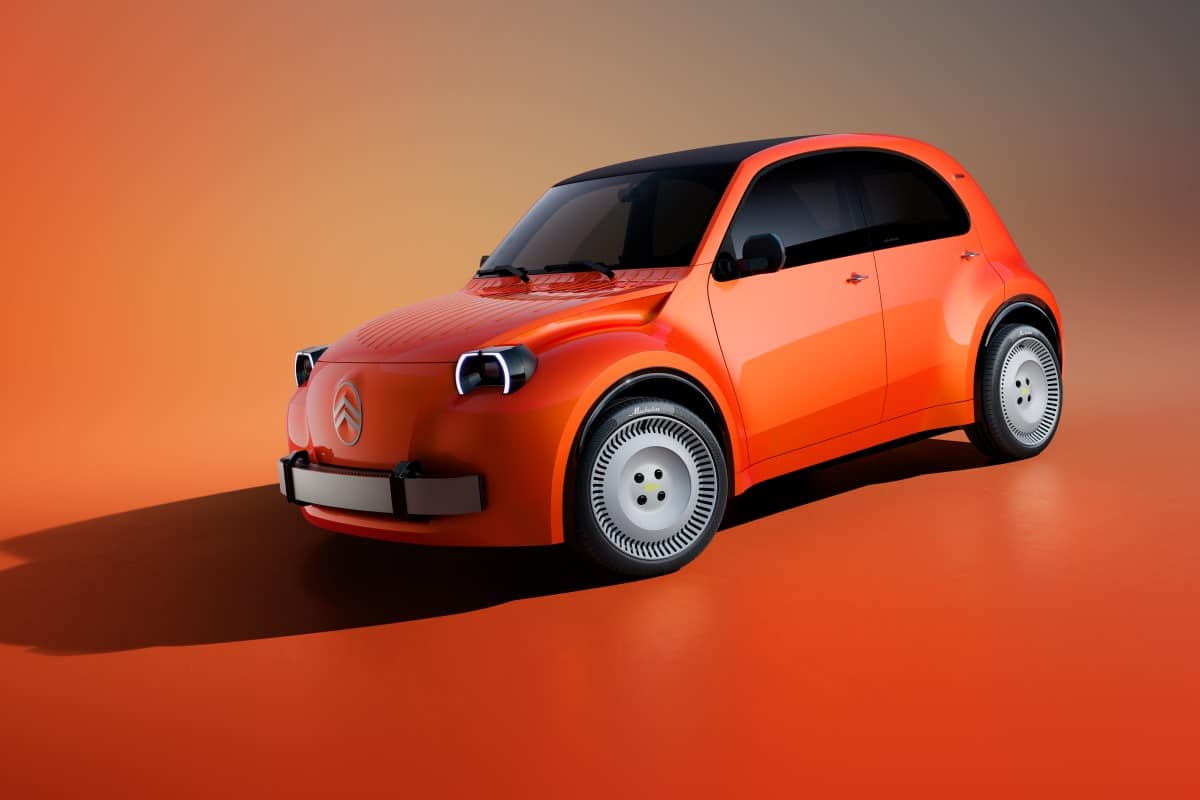
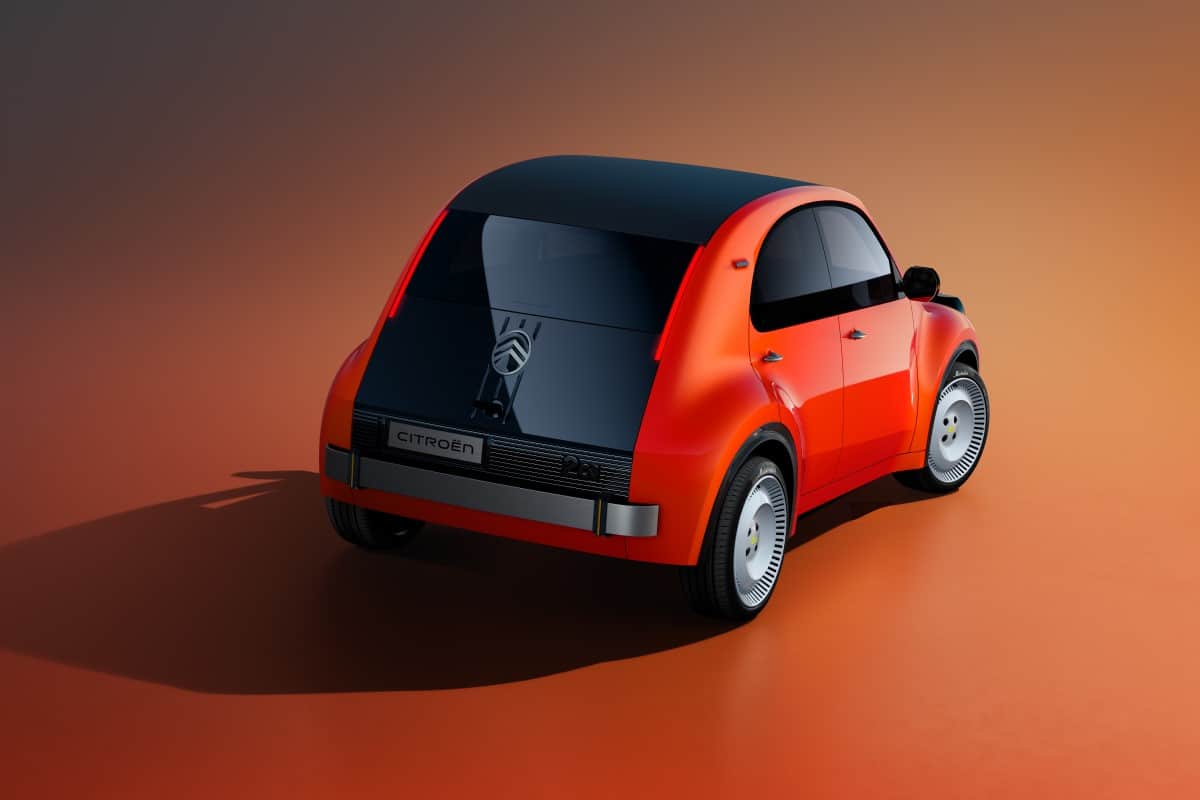
1. Citroën 2 CV Concept: Radical Simplicity in Vivid Red
Undeniably the most charming—and deliberately unpretentious—vehicle of the lot, the Citroën 2 CV Concept looks backward to move forward. Measuring just 3.76 meters in length, it deliberately swims against the modern tide of automotive bloat, coming in shorter than its historic ancestor.
Key Targets: Citroën is targeting a curb weight close to a lean one metric ton, allowing for a physically smaller, significantly cheaper battery pack.
Production Outlook: A production iteration is anticipated around 2028, slated for European manufacturing with a targeted base price hovering "close to €15,000"—positioning it neatly between the ultra-compact Ami and the larger C3.
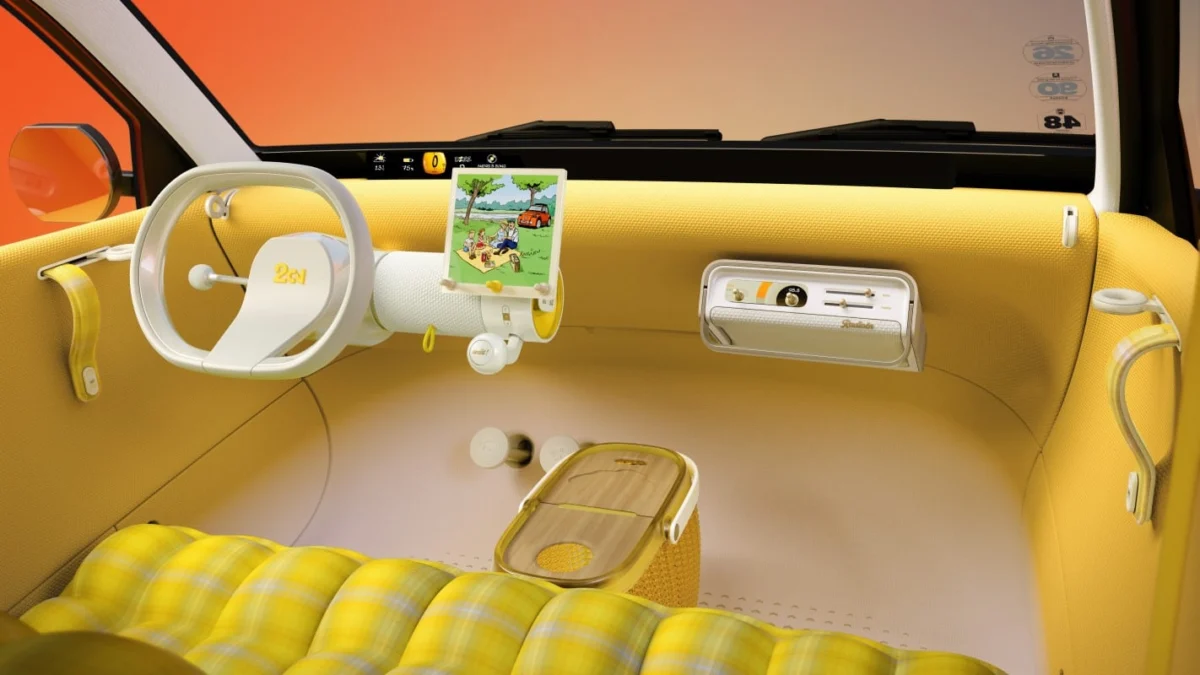
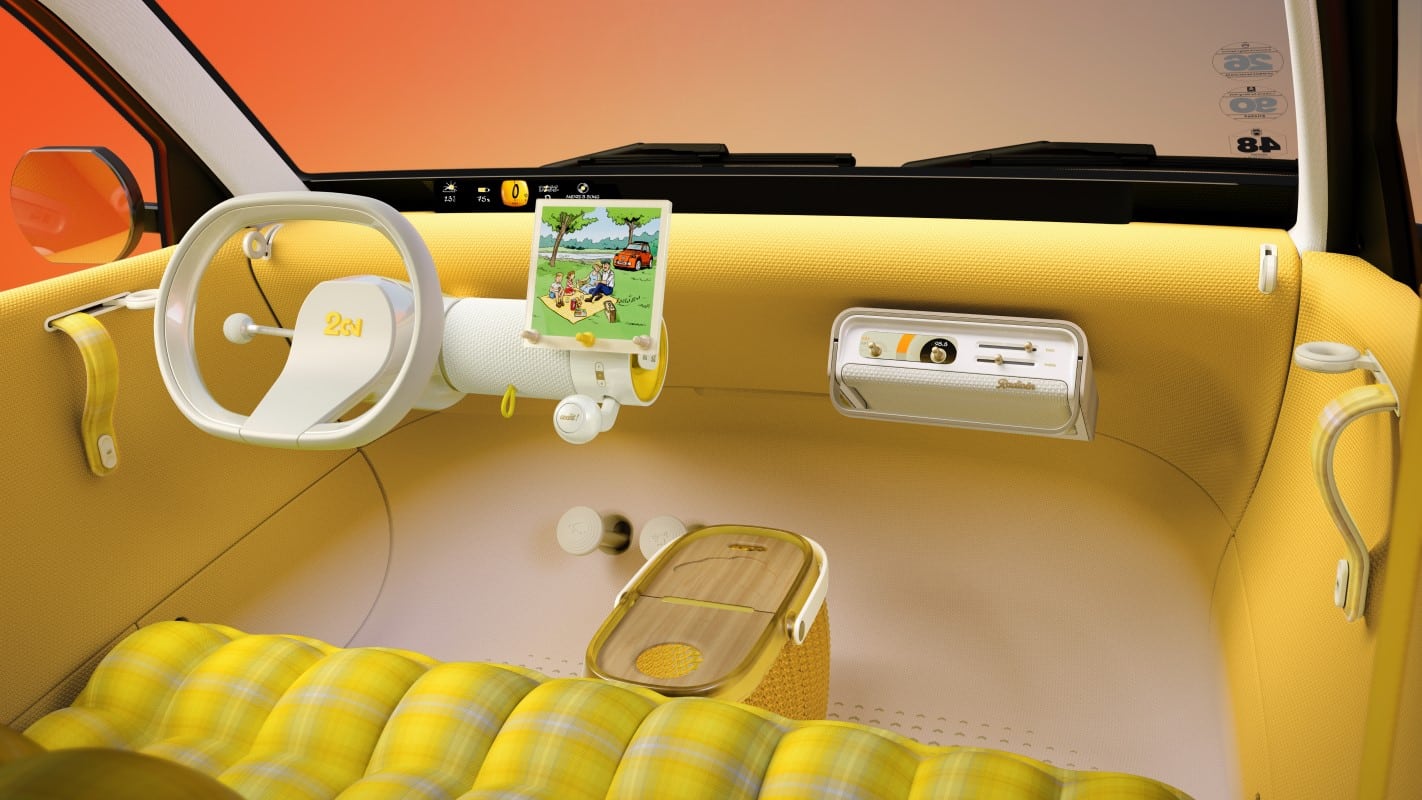
Quirks & Engineering: The interior is overflowing with nostalgic Easter eggs. A removable portable speaker is dubbed "Radioën," while the foot pedals feature a tortoise symbol for the brake and a rabbit for the accelerator. The front windshield bears a tax-vignette sticker style graphic displaying "48/90/26"—referencing the 1948 launch of the original 2 CV, its 1990 end of production, and the current year, 2026. Door storage pockets are expressly dimensioned to safely transport a half-dozen eggs. Beneath the whimsy lies serious, modular engineering: easily replaceable individual bumpers and direct fresh-air intakes tucked beneath the windshield. A utilitarian panel-van variant is already hidden within the feasibility studies.
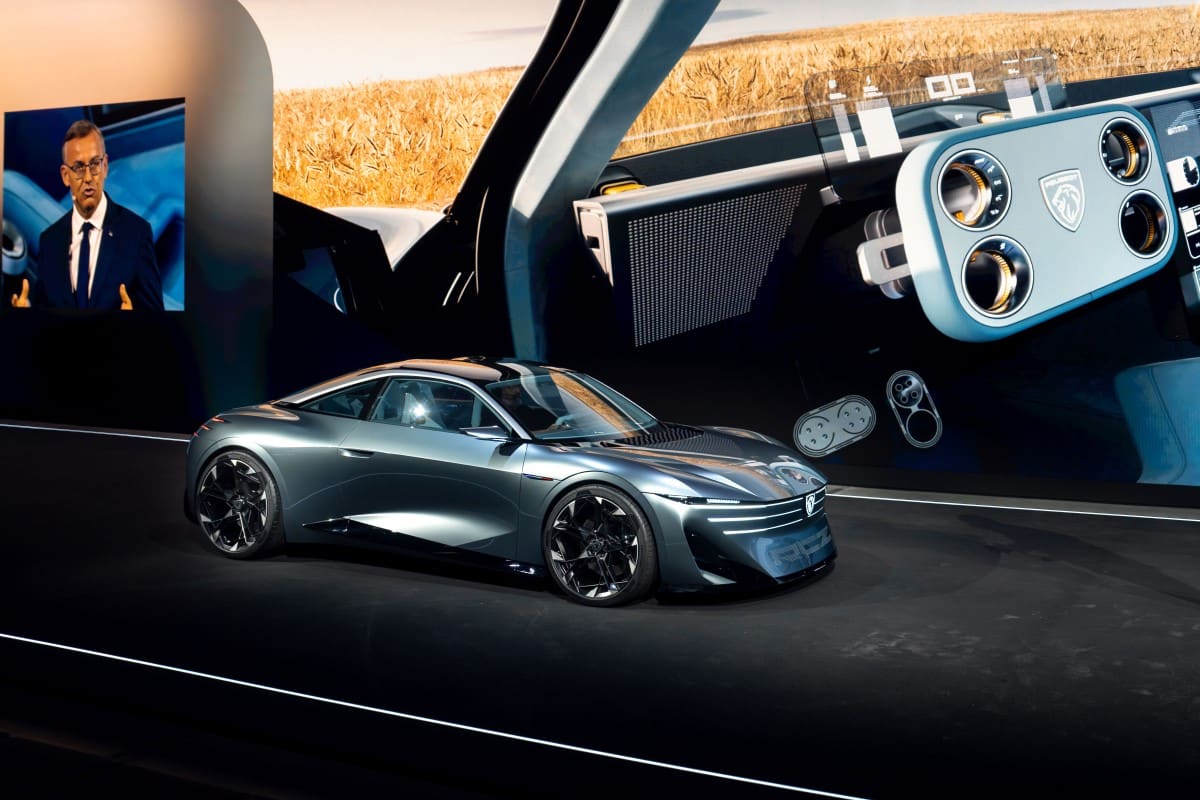
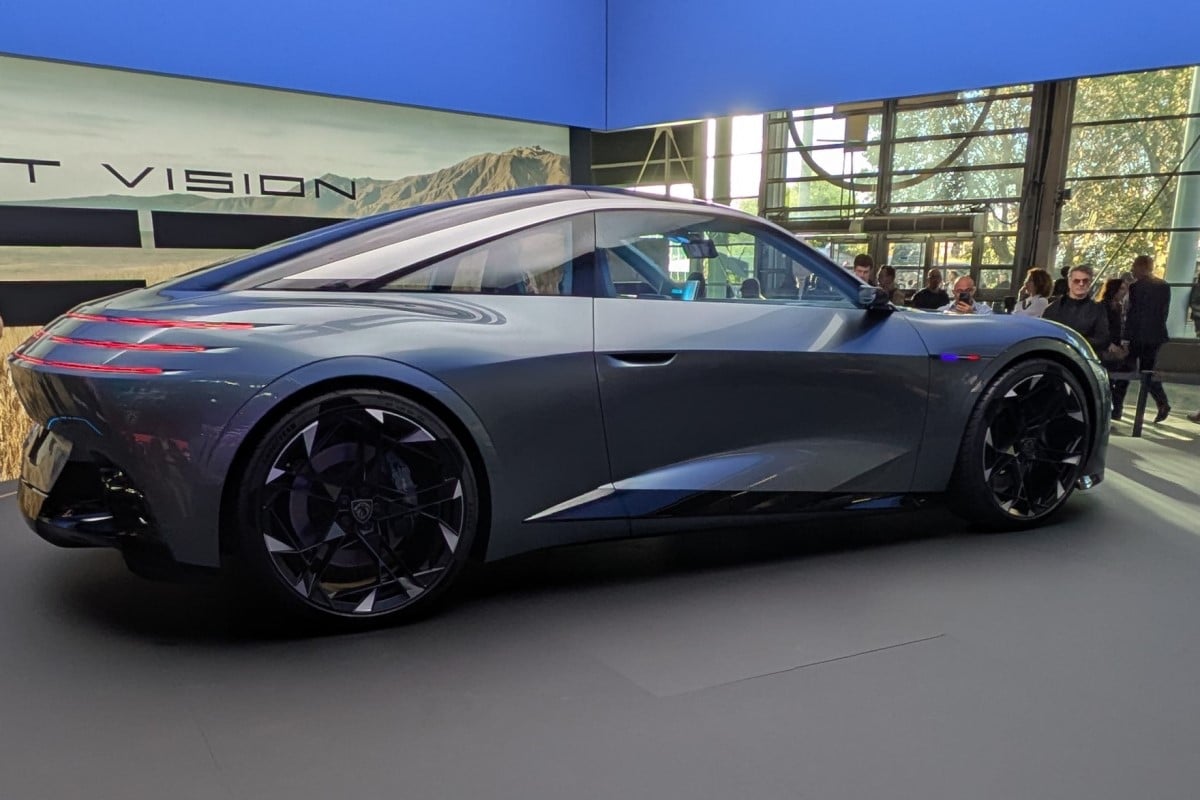
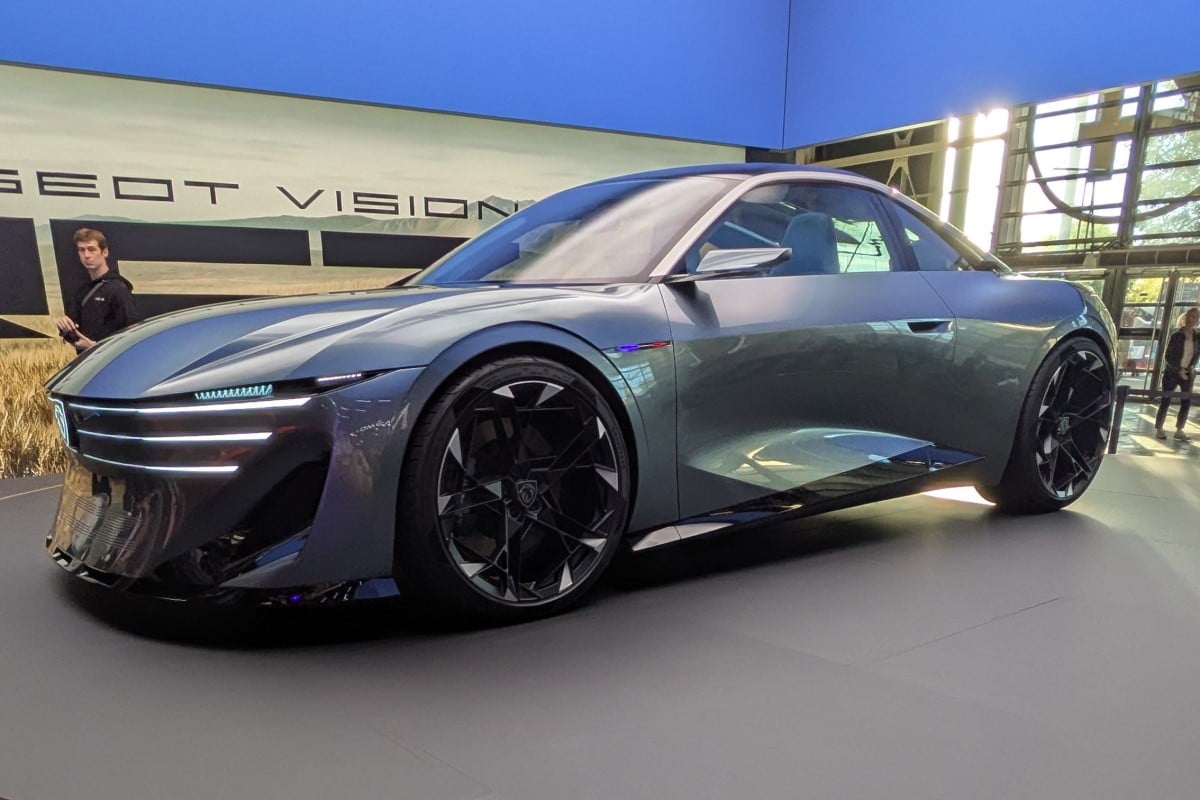
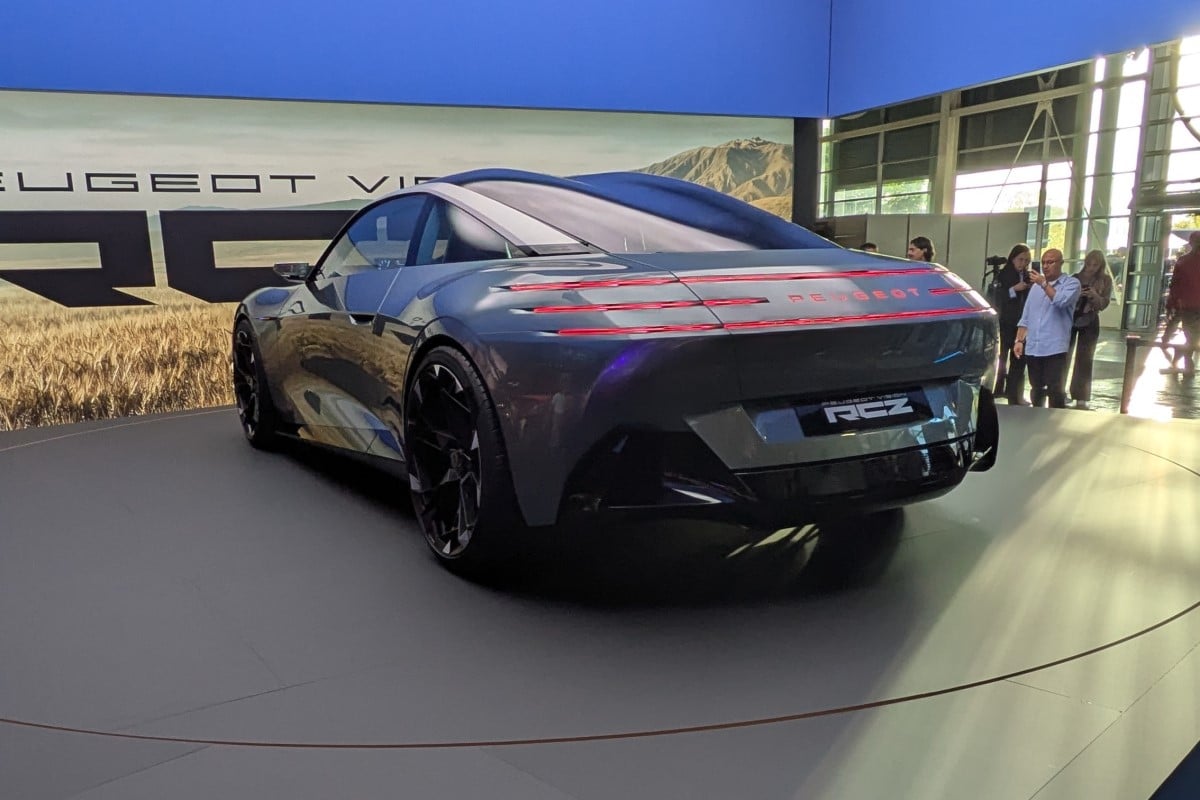
2. Peugeot RCZ Vision: The Lion on High-Octane Steroids
Standing at the opposite end of the ideological spectrum from Citroën’s frugality, Peugeot’s concept makes no apologies. Inheriting the spiritual DNA of the beloved RCZ coupe (produced between 2009 and 2015), this sleek machine introduces Peugeot’s new "Feline Future" design language, anchored by five abstract pillars: Liberty, Courage, Elegance, Force, and Instinct.
Technical Metrics: The RCZ Vision packs an astonishing 500 horsepower, promises up to 600 kilometers of driving range, and boasts a blistering 10% to 80% recharge time in just 10 minutes. This is made possible through a solid-state battery architecture developed in partnership with Factorial Energy, running on a 1,000-volt electrical system. The claimed energy consumption of 11.5 kWh/100 km remains, true to tradition, "to be confirmed."
Cabin & Controls: Mechanically, the steering wheel is completely decoupled from the front wheels via a "Steer-by-Wire" system requiring less than a single full rotation lock-to-lock. It is also Peugeot’s first application of "Brake-by-Wire." A clever party trick involves transparent MicroLED interior screens that can dim to the point of near-invisibility. While the RCZ Vision coupe remains a halo dream, its radical "Hypersquare" steering wheel controller will find its way into the upcoming mass-market e-208.
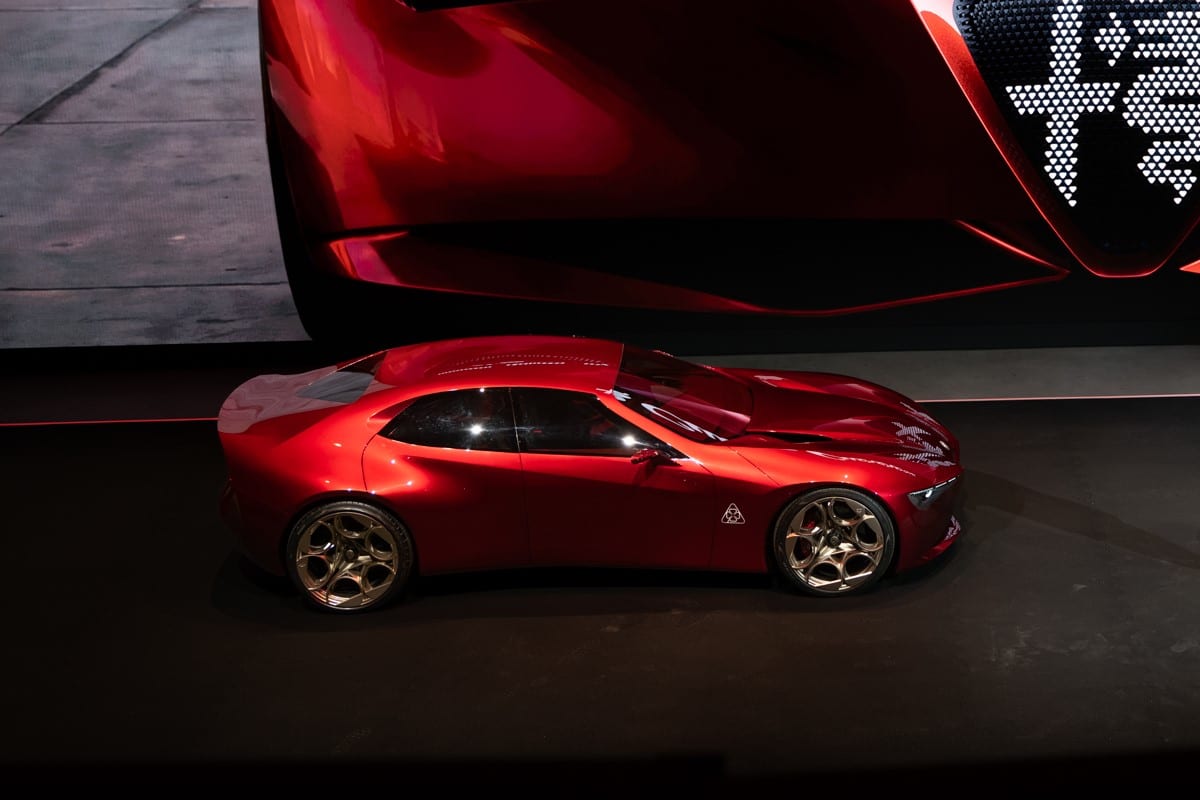
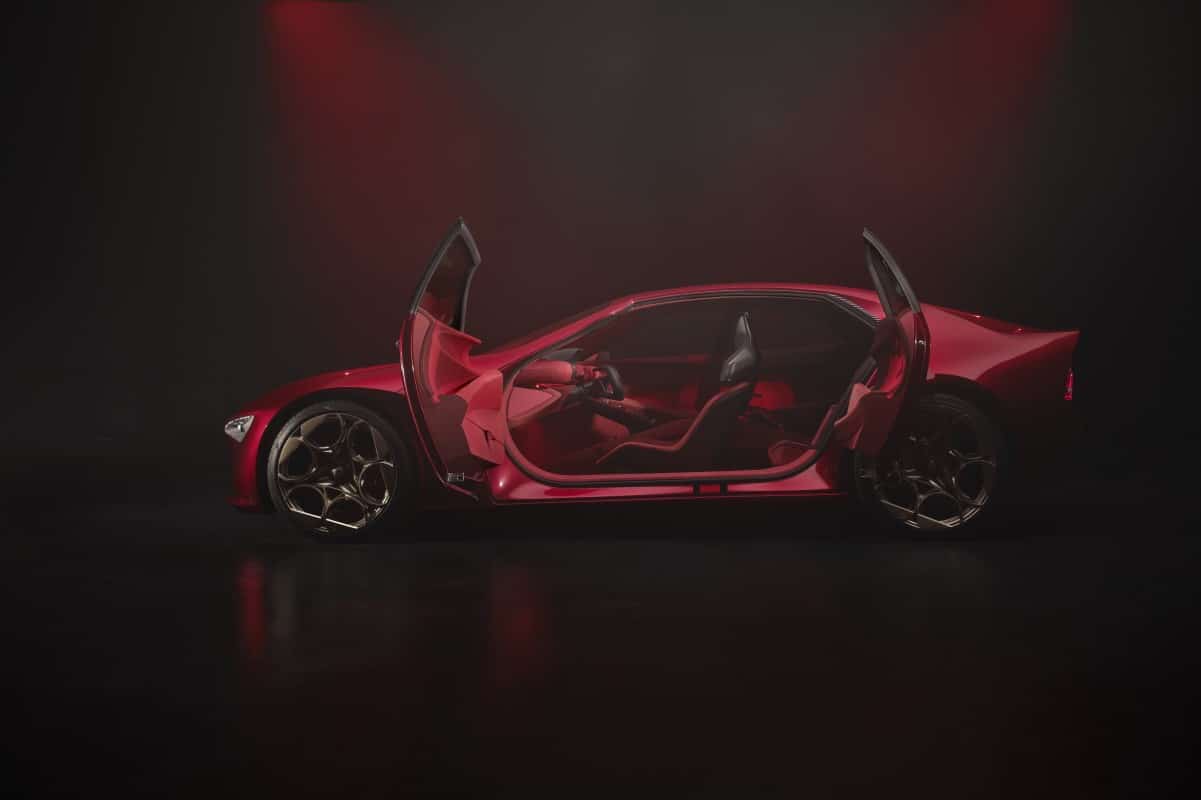
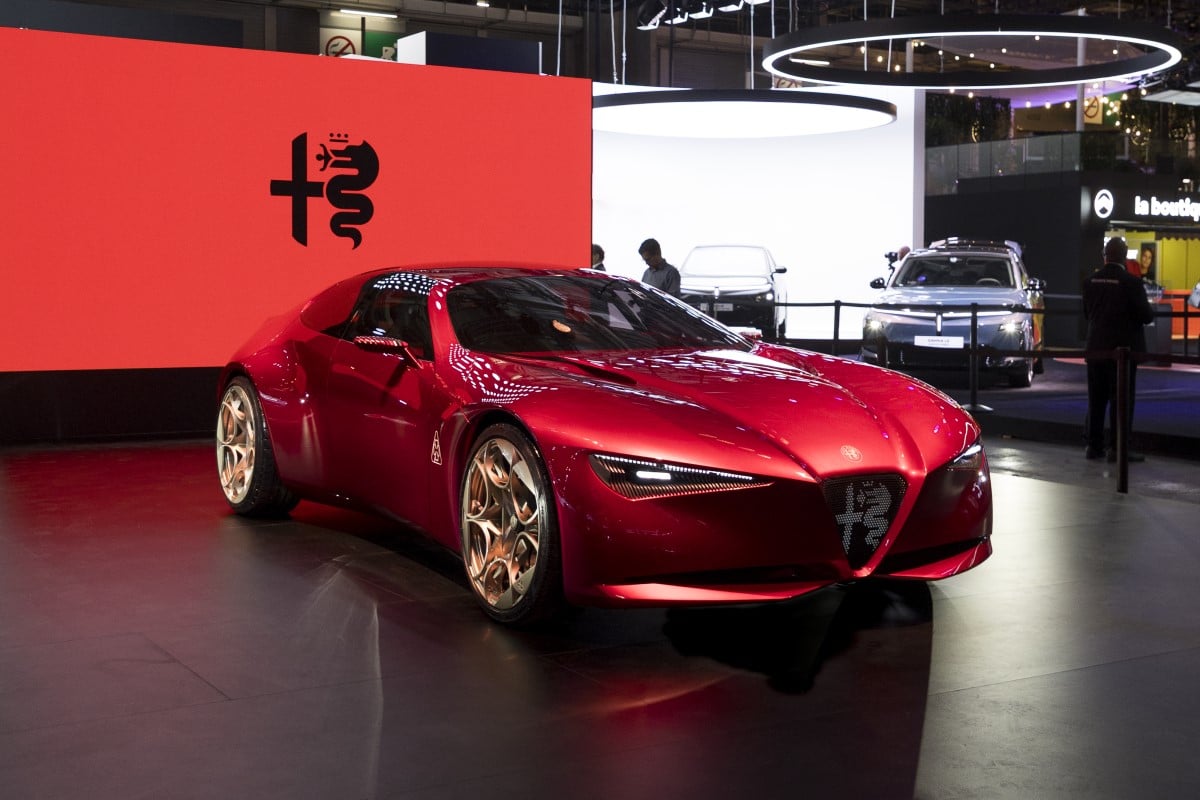
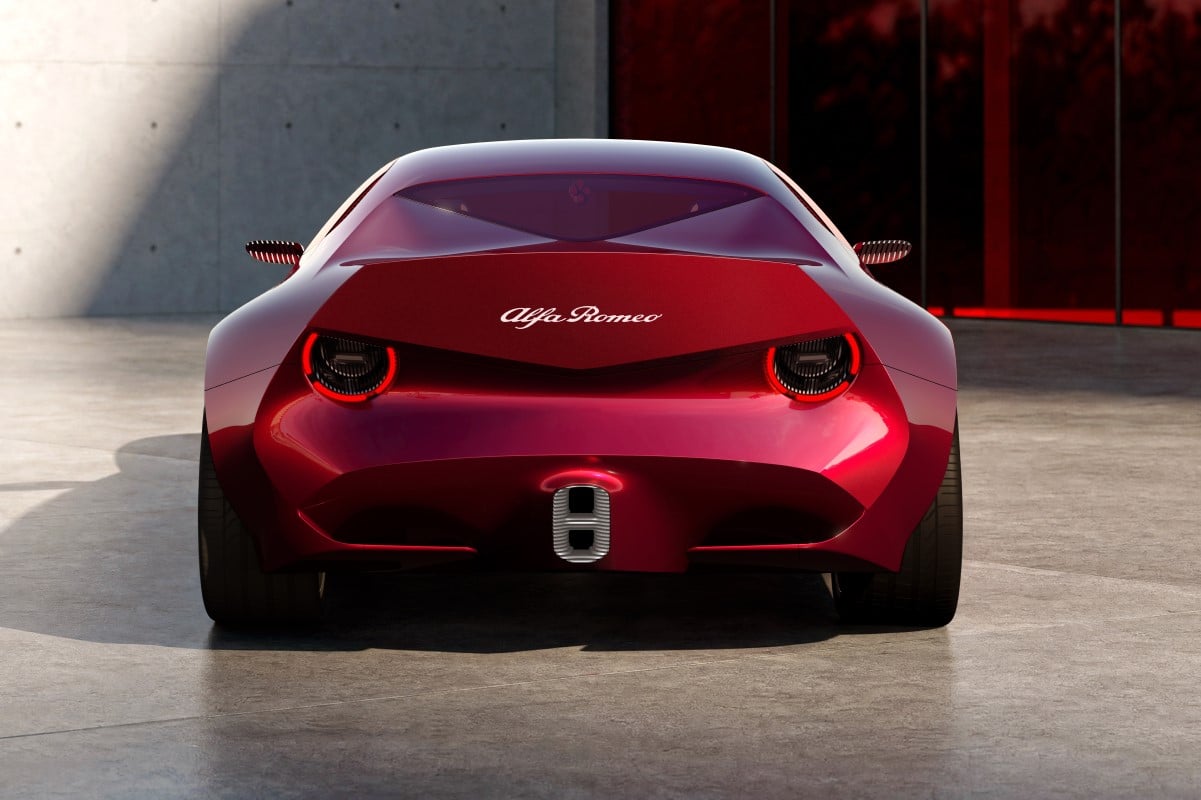
3. Alfa Romeo Cuorerosso: A Crimson Heart with Guarded Promises
Merging the Italian words for "heart" (cuore) and "red" (rosso), Alfa Romeo’s 2+2 grand tourer is a breathtaking study in proportions: 4.70 meters long, 1.98 meters wide, and a mere 1.33 meters high. Despite housing a heavy battery pack, engineers managed to keep the weight penalty to just 90 kilograms over a traditional Giulia Quadrifoglio.
Design Philosophy: Guided by the internal philosophy of Bellezza Necessaria ("Necessary Beauty"), the concept hints at a dream-scenario powertrain: a full-hybrid 2.9-liter V6 coupled with an all-wheel-drive Q4 system and a carbon-fiber driveshaft.
Atmosphere: In Quadrifoglio mode, the cabin lighting dims to mimic an exclusive Milanese night club, complete with an optional driver’s helmet. With the Giulia and Stelvio nameplates now well over a decade old, Alfa Romeo used the concept to swear allegiance to petrolheads and driving enthusiasts—a reassuring reminder, though one that leaves showroom-hungry fans waiting for tangible successors.
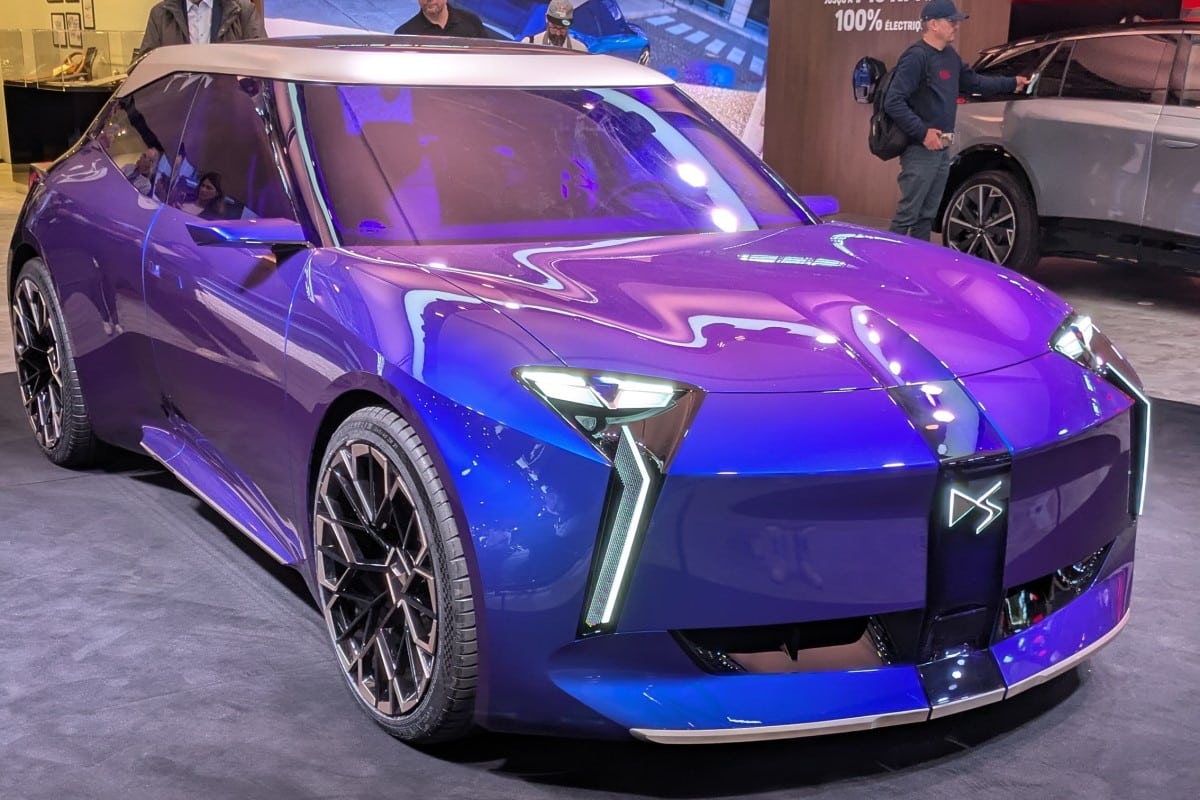
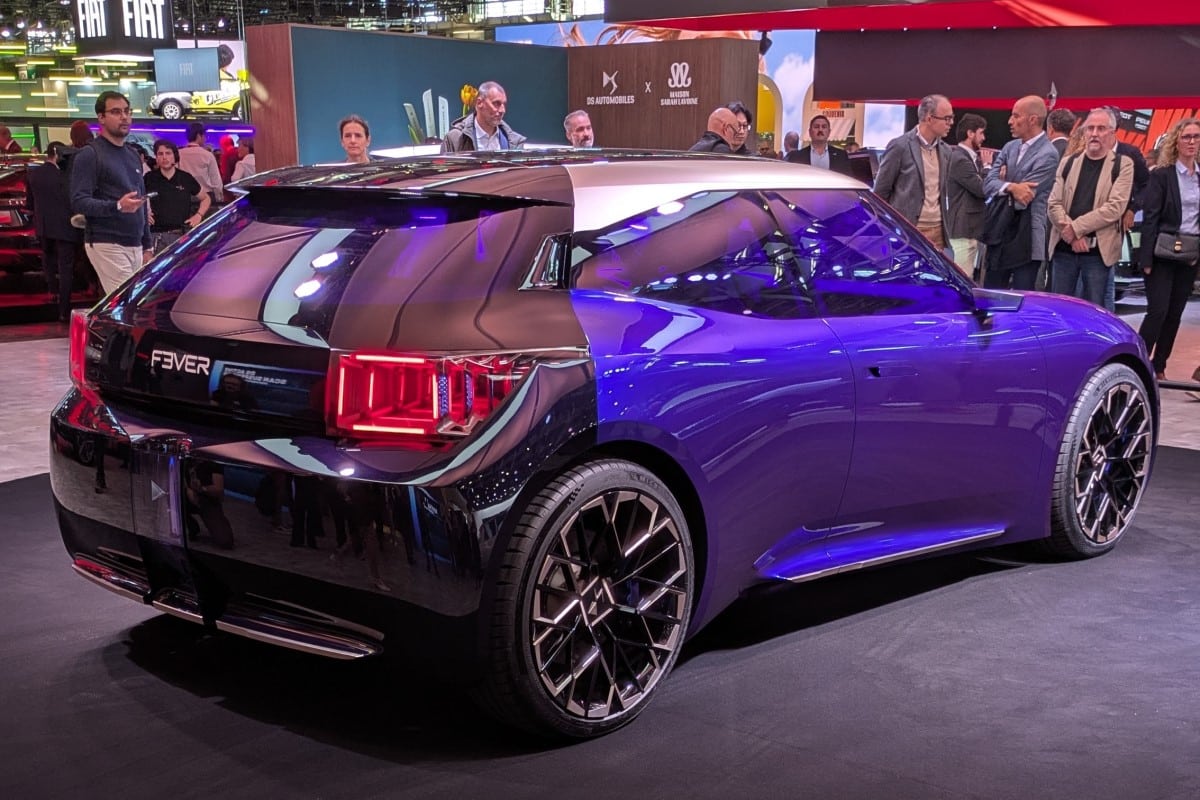
4. DS F3VER: The Compact Premium Enigma
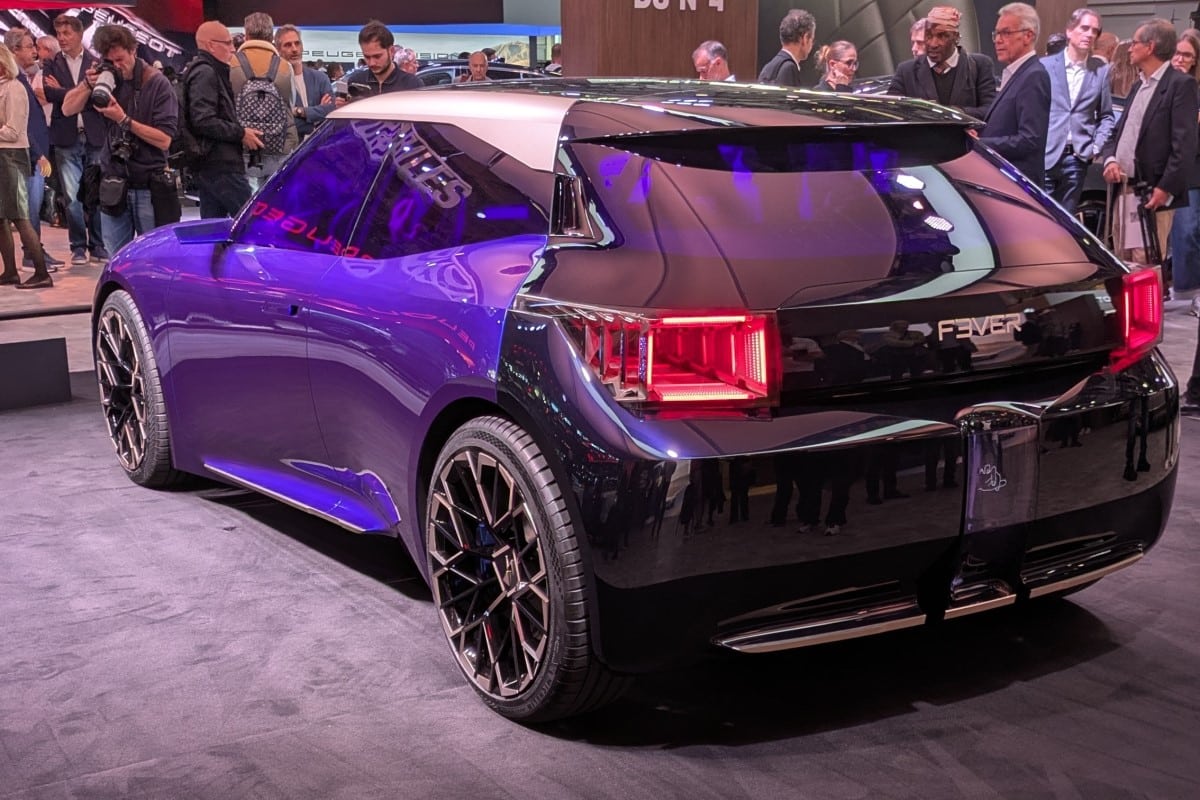
DS Automobiles took a stylized numerical leap by naming its concept "F3VER," replacing the letter ‘E’ with a numeric ‘3’. Measuring 4.19 meters, the concept transparently previews the upcoming production DS Nº3, slated for a commercial rollout in 2028.
Aesthetics: The exterior boasts striking vertical central elements, Y-shaped optical signatures, and a "Cosmic Blue" exterior paint that dynamically shifts into deep violet under high-intensity showroom lighting. The rear fascia incorporates 16 distinct LED panels. DS highlighted a customizable roof surround and its "Design Intelligence" philosophy aimed at reducing component counts.
The Missing Piece: In a surprising twist, the vehicle’s interior was entirely absent from public view, hidden behind aggressively tinted windows. Unveiling an exterior shell without an interior is akin to hosting a black-tie gala without any guests, leaving critics to wonder if the mechanical and digital integration is lagging behind schedule.
5. Fiat Multiplay: The Multi-Role Mobility Lab
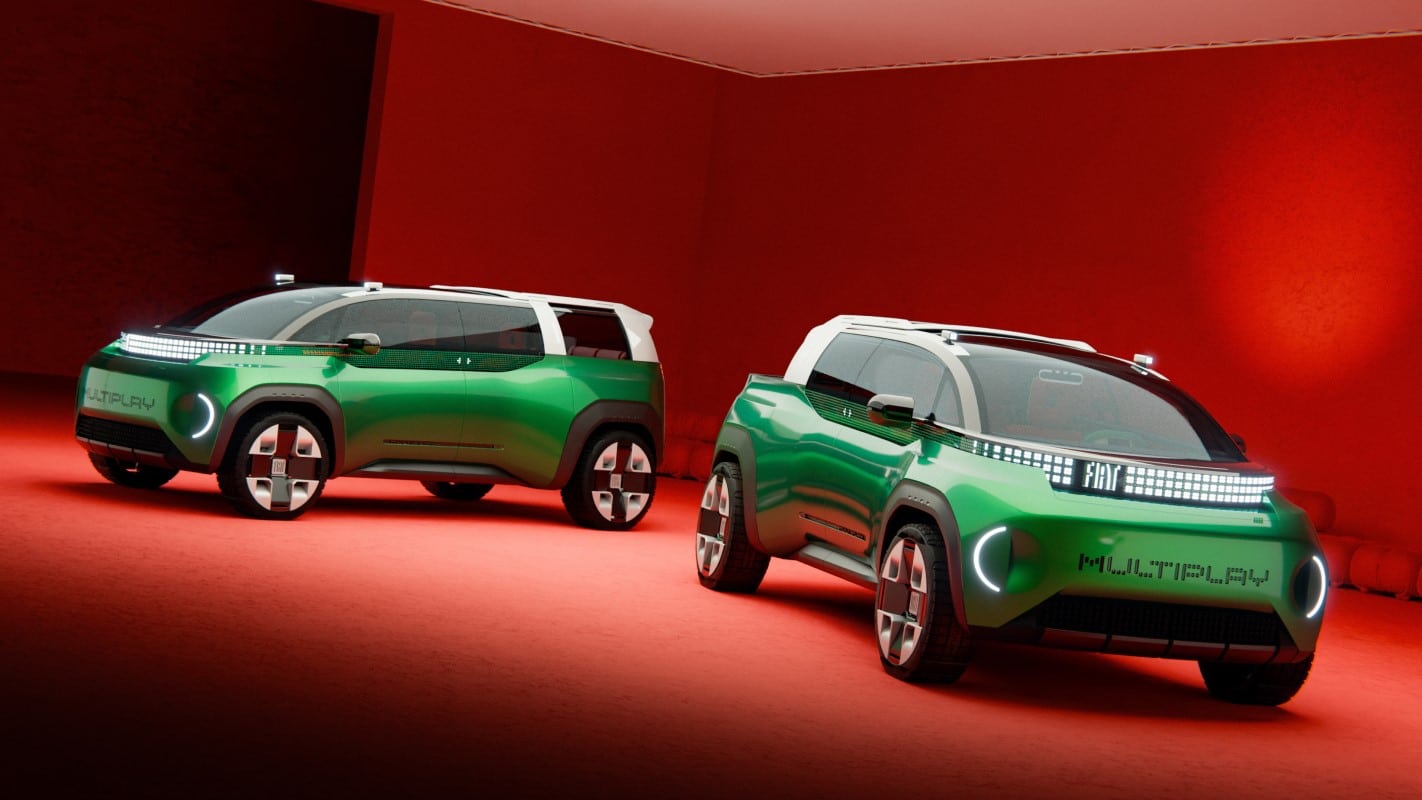
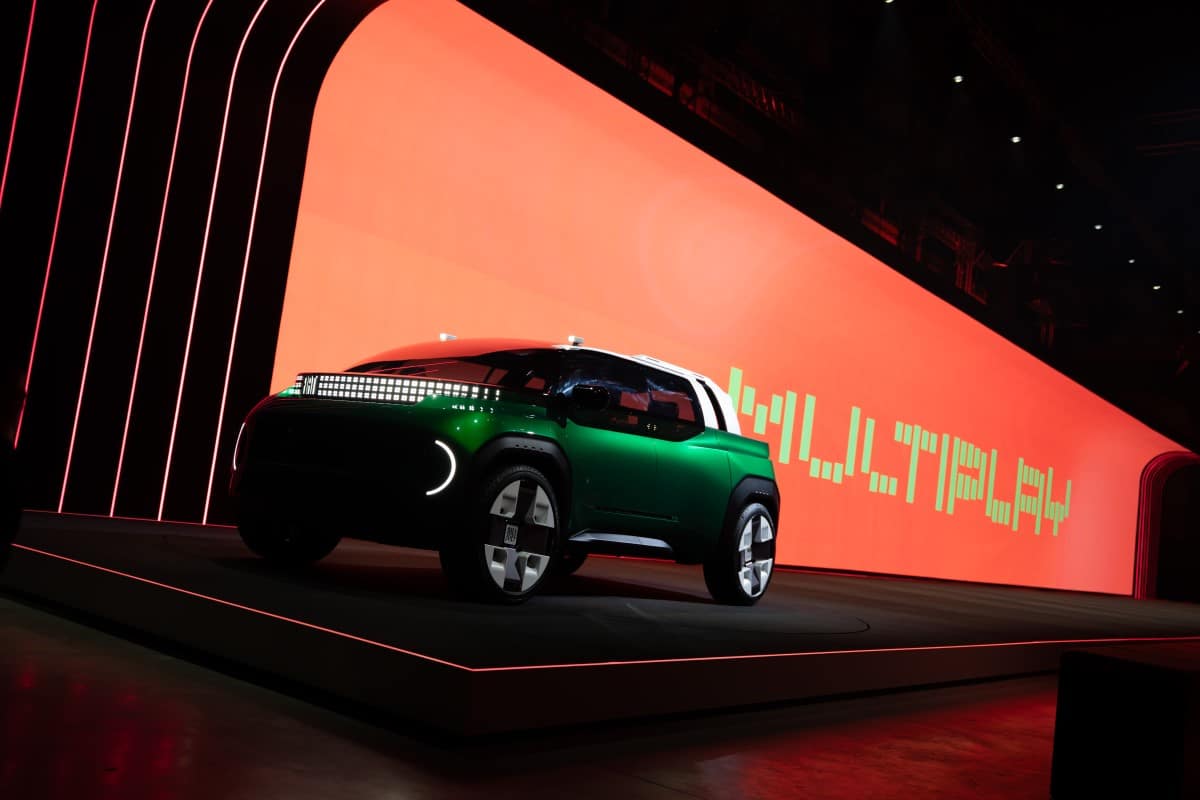
Refusing to be pigeonholed, Fiat’s Multiplay concept measures 4.45 meters and attempts to fuse the cavernous interior space of an MPV, the rugged stance of an SUV, and the functional utility of an open-bed pick-up.
Modularity: Featuring a transformative C-pillar dubbed "Metamorfosi," the vehicle can seamlessly transition from a 6+1 seating layout into a four-seat pick-up with an exposed cargo bed. The "+1" seating designation is a dedicated, backless seat upholstered in green fabric specifically tailored for a family pet, complete with an integrated water bowl built into the door panel and a leash anchor integrated into the seat cushion.
Features: Up front, a "Sunseat" function converts the passenger seat into a reclined chaise lounge during vehicle charging stops. While Fiat labels it merely a "solution laboratory" rather than a direct production preview, stylistic cues are directly borrowed from the 2024 Concept Pick-Up and the pixelated LED lighting language of the new Grande Panda.
6. Opel STX Concept: A Defiant Station Wagon in a Sea of Crossovers
While nearly every mainstream competitor doubles down on high-riding SUVs, Opel boldly swam against the current by introducing the STX Concept—an acronym for Sports Tourer eXperimental.
Performance & Heritage: The STX is an all-electric, all-wheel-drive performance wagon with a top speed exceeding 200 km/h. Opel traces its lineage back to the 1953 Olympia Rekord Caravan, Germany’s first mass-produced station wagon.
Front Fascia: The vehicle showcases an evolution of the "Vizor" front mask originally introduced on the 2018 GT X Experimental concept. Moving against the industry trend of slimming down vehicle faces, the STX’s Vizor is taller and more commanding, flanked by inclined vertical louvers surrounding an illuminated Blitz logo. The STX heavily foreshadows the styling direction of the next-generation Astra while cementing Opel’s commitment to its balanced portfolio of Mokka, Frontera, and Grandland SUVs.
Official Responses and Industry Context
Stellantis executives maintained a unified front throughout the Meudon presentation, emphasizing that these six concepts represent structural experimentation rather than immediate manufacturing commitments.
"Our objective with ‘The Night Before’ is to demonstrate the sheer creative bandwidth of our eight brands under the FaSTLAne 2030 framework," noted a senior Stellantis communications representative. "We are using these design platforms to test avant-garde technologies—from solid-state batteries to steer-by-wire and radical modularity—ensuring that our engineering teams are prepared for the regulatory and consumer demands of the next decade."
Industry analysts present at the event noted, however, that the heavy reliance on retro-futuristic nostalgia is a clear tactical maneuver to counter rivals like Renault, which has successfully weaponized its own historic catalog (such as the electric Renault 5 and 4).
Implications: Promise vs. Production Reality
As the dust settles on the Meudon hangar and the lights go up at the Paris Motor Show, the broader implications for Stellantis are multifaceted:
Brand Differentiation vs. Cost Synergy: The core challenge of Stellantis remains executing the regional brand strategy. Forcing Citroën, Opel, and Alfa Romeo to share under-the-skin EV architectures while demanding distinct emotional resonance will test Gilles Vidal’s design teams to their absolute limits.
The Credibility Gap: With brands like Fiat and Alfa Romeo explicitly stating that their concepts will not directly translate into production models, and DS presenting an empty interior, skepticism remains high among automotive purists. Concept cars are designed to generate headlines, but investors managing a 60-billion-euro transformation plan ultimately demand profitable sales volumes.
The Race for Affordability: Projects like the Citroën 2 CV Concept highlight the industry’s most pressing hurdle: engineering an accessible, sub-€15,000 electric vehicle in Europe that can successfully counter the incoming wave of low-cost Asian imports.
Ultimately, Stellantis has proven it still possesses the theatrical flair and engineering depth required to capture the industry’s attention. Whether these dramatic visions of Meudon can successfully navigate the brutal economic realities of the road to 2030 remains the ultimate question. For now, the automotive world is left waiting, watching—and perhaps packing a few eggs for the journey ahead.