

Main Facts: The Paradox of Fiat in 2025
For decades, the name Fiat has been synonymous with European urban mobility. Ask any driver on the continent to name a vehicle from the Turin-based manufacturer, and two names immediately spring to mind: the utilitarian Panda and the effortlessly stylish 500. Yet, looking at the global sales figures for 2025, a striking paradox emerges. Despite being marketed as the undisputed crown jewel of the Italian brand, the modern Fiat 500 is entirely absent from the manufacturer’s global Top 10 best-selling vehicles.
While Fiat proudly holds its position as the highest-volume brand within the sprawling Stellantis automotive empire, its growth is no longer anchored by romantic European cityscapes. Instead, the brand’s economic engine is fueled by rugged Brazilian pick-up trucks, indispensable commercial utility vehicles, and affordable models tailor-made for emerging Latin American markets.
The primary culprit behind the 500’s shocking commercial evaporation is a combination of strategic missteps: an aggressive, forced transition to a purely battery-electric vehicle (BEV) lineup coupled with an elitist pricing strategy. By pricing the electric iteration well north of the €30,000 threshold (before local ecological bonuses), Fiat effectively priced out its core demographic—urban motorists who historically turned to the 500 for affordable, chic, and accessible daily transportation.
Chronology: From Retro Savior to Electric Miscalculation
To understand how Fiat’s crown jewel tumbled from grace, it is necessary to trace the modern timeline of the vehicle and the corporate decisions that reshaped the brand.
- 2007 (The Renaissance): Fiat launches the modern, retro-styled reincarnation of the iconic 1957 Cinquecento. Designed by Frank Stephenson, it becomes an instant global phenomenon, single-handedly reviving Fiat’s financial health and cultural relevance.
- 2010s (The Golden Age): The gas-powered 500 dominates European capitals. It becomes a lifestyle accessory, dominating sales charts across Italy, France, and the UK thanks to its low operating costs, charming aesthetics, and aggressive entry-level pricing.
- 2020 (The Electric Pivot): Stellantis introduces the Fiat 500e—a ground-up, purely electric architecture. While technologically competent and critically praised for retaining its charming looks, it is sold alongside the aging internal combustion engine (ICE) model at a significantly higher price point.
- 2023–2024 (The ICE Phase-Out): Under stringent European emissions regulations and corporate EV mandates, Fiat abruptly phases out the affordable gasoline-powered variants in key markets. The 500 becomes an EV-exclusive proposition, instantly alienating budget-conscious buyers who lack access to home charging or the capital required for a €30,000+ city car.
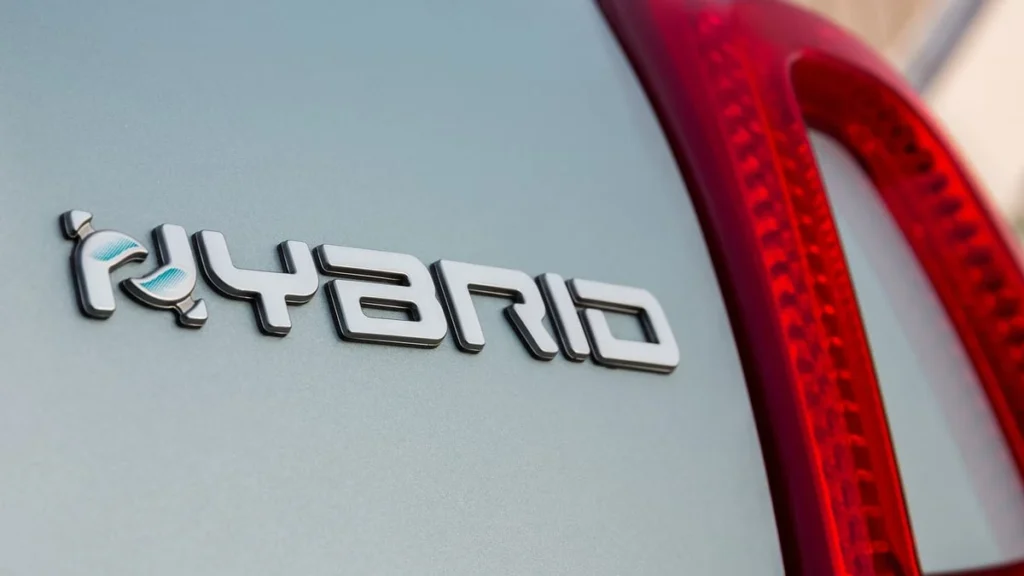
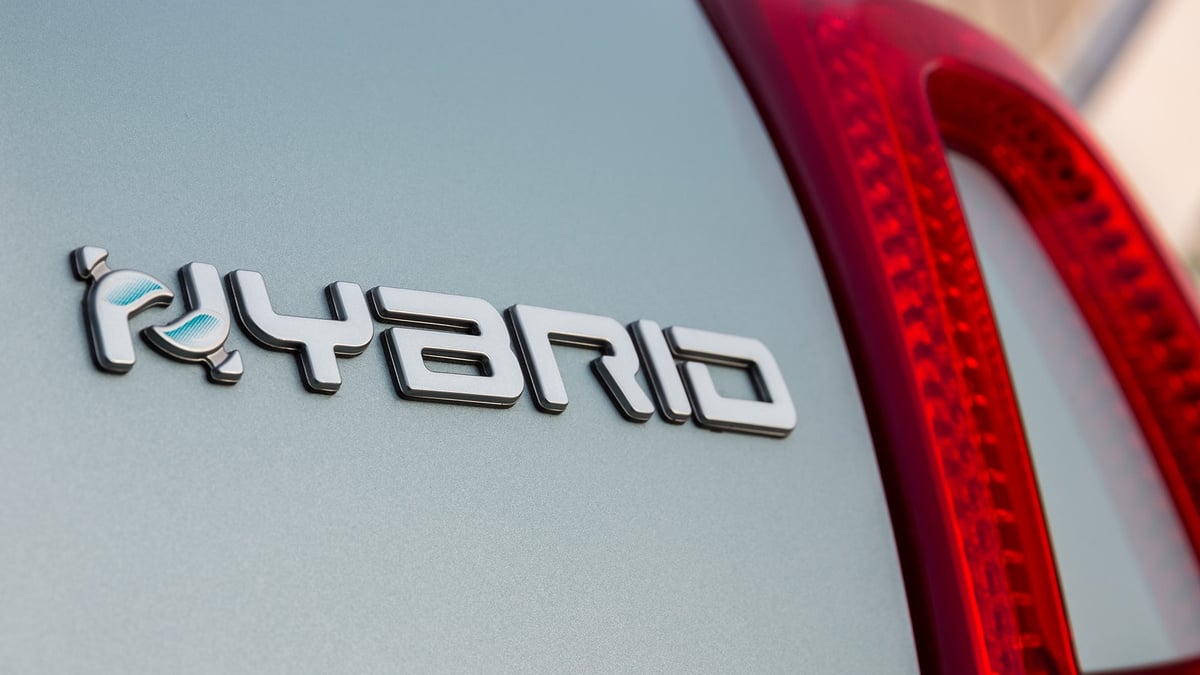
- 2025 (The Global Reality Check): Annual sales figures reveal that the 500 has plummeted out of Fiat’s global Top 10 altogether. Recognizing a commercial catastrophe, Stellantis pivots rapidly to develop an emergency hybrid variant based on the electric platform to salvage the model’s viability.
Supporting Data: Where Fiat Actually Makes Its Money
A deep dive into Fiat’s global sales distribution highlights a geographic and categorical shift. The brand is increasingly dependent on South American markets and commercial fleets rather than private European buyers purchasing lifestyle hatchbacks.
According to global delivery data, the current hierarchy of Fiat’s best-selling models globally paints a fascinating picture:
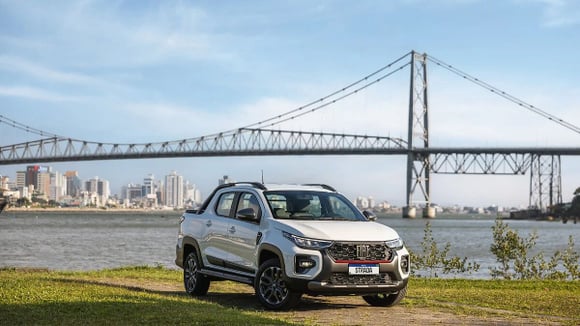
- Fiat Strada: Taking the crown as Fiat’s best-selling vehicle globally in 2025, this compact, robust pick-up truck sold 157,300 units, marking a 2% growth. It reigns supreme across Brazil and neighboring markets.
- Fiat Ducato: The ultimate commercial workhorse and cash cow for the brand. Registering an impressive 17% surge, the Ducato recorded roughly 140,000 global sales.
- Fiat Panda (and Pandina): Proving that affordable, practical European motoring still has a pulse, the classic-style Panda line racked up 119,900 units (-3%), comfortably holding down the fort while awaiting the wider rollout of the new Grande Panda.
- Fiat Argo: Tailored specifically for emerging Latin American economies, the Argo posted 109,100 sales (+16%).
- Fiat Mobi: Another South American market favorite, securing 81,900 units (+11%).
The Middle and Bottom of the Pack
Moving further down the ledger, the traditional C-segment Tipo/Egea duo claimed 6th place with 79,400 sales, closely followed by the Doblò utility vehicle (7th with 75,000 units). South American-specific SUVs like the Fastback and Toro captured the 8th and 9th positions.
Most shockingly, the newly launched Fiat 600—the brand’s recent crossover entry meant to appeal to European families—managed only a meager 10th position with 59,700 immatriculations. While this represented a 122% percentage increase on paper due to its recent rollout, absolute volumes remain modest.
As for the legendary Fiat 500? It is entirely absent from the top tier, eclipsed even by commercial vans and regional crossovers.
Official Responses: Navigating the EV Hangover
The leadership at Stellantis and Fiat has faced mounting pressure from dealers, consumers, and automotive analysts regarding the pricing and powertrain strategy applied to the Italian marque.
Initially, corporate strategy dictated a rigorous, uncompromised march toward electrification. Executives argued that modernizing the brand’s image was vital to meet tightening European Union fleet emissions standards and to compete with high-tech new entrants arriving from China. The belief within top management was that the 500 nameplate held enough cultural equity to command premium, luxury-adjacent pricing.
However, the severe slump in volume forced a pragmatic retreat. Confronted with empty showrooms and disgruntled dealership networks—particularly in Italy, where the 500 had long served as a staple of national mobility—Stellantis leadership was forced to acknowledge the market’s rejection of forced, high-cost electrification.

In response, automotive executives greenlit the hurried development of a hybridized version of the 500e platform. Designed to accommodate a small internal combustion engine mated to a mild-hybrid system, this emergency stopgap aims to slash the entry price point and entice the traditional buyers who were abandoned during the pure-EV transition. While company spokespersons maintain that electrification remains the ultimate long-term horizon, the 2025 fiscal reality has taught Stellantis a humbling lesson: consumer readiness and pricing parity must dictate the pace of transition, not corporate mandates alone.
Implications: Lessons for the European Auto Industry
The dramatic disappearance of the Fiat 500 from global sales prominence serves as a cautionary tale for the broader European automotive sector. As legacy manufacturers grapple with regulatory pressures to transition toward zero-emission fleets, the "Fiat 500 Case Study" highlights several critical takeaways for the future of urban mobility:
1. The Danger of Pricing Out the Working Class
City cars were historically successful because they offered affordable, no-nonsense transportation for students, young professionals, and urban families. By pushing the price ceiling of small cars past the €30,000 mark through expensive battery packs and mandatory tech suites, manufacturers risk turning essential personal transport into luxury commodities. If the working and middle classes can no longer afford new cars, the entire volume-based business model of legacy automakers begins to fracture.

2. The Perils of Monopowertrain Strategies
Forcing a beloved nameplate into a 100% electric-only paradigm before consumer demand and charging infrastructure are fully mature can backfire spectacularly. Automakers are learning that flexibility is paramount. Brands that provide multi-energy platforms—allowing buyers to choose between efficient internal combustion engines, hybrids, plug-in hybrids, and pure electric power—are far better insulated against regulatory shifts and market fluctuations.
3. Geographical Diversification vs. Regional Reliance
Fiat’s survival and growth within the Stellantis family demonstrate the vital importance of global footprint diversification. While its core European passenger car market faces headwinds, stagnation, and regulatory friction, the robust performance of light commercial vehicles and emerging-market models in South America keeps the corporate balance sheet healthy. Nevertheless, abandoning a historic regional stronghold like the European urban segment carries a heavy reputational cost.
Ultimately, the reinvention of the Fiat 500 remains one of the most compelling soap operas of the modern automotive landscape. Whether the emergency introduction of a hybrid variant can successfully lure back alienated buyers—and restore the Italian icon to its rightful place among the world’s top sellers—will define the brand’s trajectory for the remainder of the decade.
