By The Editorial Staff | June 30, 2026
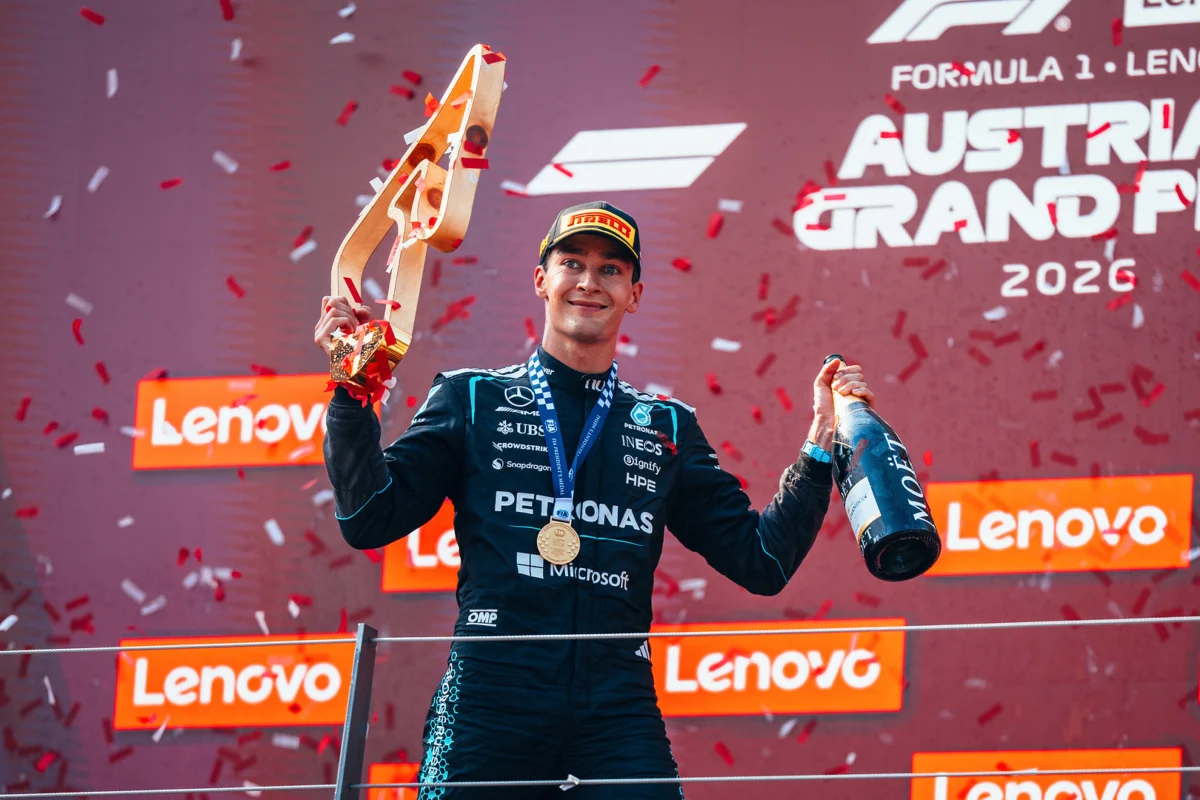
The 2026 Formula 1 World Championship narrative took a dramatic, high-stakes turn this Sunday in Spielberg. At the conclusion of a sweltering and unpredictable Grand Prix of Austria, George Russell emerged victorious, delivering a masterclass in defensive driving to secure his seventh career win. In doing so, the Mercedes driver not only reminded the paddock of his elite capabilities but also reignited the conversation regarding the internal hierarchy at Brackley.
While the Red Bull Ring provided the backdrop for a classic, the race was defined by extreme thermal degradation, mechanical attrition, and a late-race tactical thriller that kept fans on the edge of their seats until the final corner.
The Race at a Glance: A Tactical Chess Match
The weekend in Styria was billed as a pivotal moment for the title contenders, and the race delivered on every front. George Russell, starting from pole position, executed a flawless start, managing his tires through the grueling opening stints. However, the race was far from a simple lights-to-flag victory.
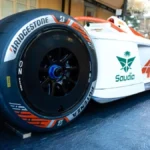
The underlying theme of the afternoon was tire management. With track temperatures soaring, the Pirelli compounds were pushed to their absolute limits. Russell’s radio communications—specifically his assessment that the car’s issues were merely "surface overheating"—highlighted the delicate balance required to maintain pace without compromising the rubber for the final push.
Behind him, the field was chaotic. Kimi Antonelli, the championship leader, faced an uncharacteristically messy start, struggling to keep his Mercedes within the white lines of the circuit. Meanwhile, Max Verstappen, starting fifth following a qualifying incident, mounted a heroic recovery drive that culminated in a wheel-to-wheel scrap with Lewis Hamilton, now sporting Ferrari red.
A Chronology of the Spielberg Drama
The Opening Laps: Chaos and Caution
As the lights went out, Russell immediately asserted his authority, clearing the initial hurdle of the first corner. Behind him, the early laps were marked by a series of off-track excursions from Antonelli, who flirted with track-limit violations. Though the stewards investigated, no penalties were applied, allowing the Italian to maintain his composure.
The drama intensified as Max Verstappen began his charge through the pack. By lap 10, the Dutchman had locked horns with Lewis Hamilton. The ensuing duel was a throwback to the fiercest rivalries of the previous decade, with the two trading positions through the tight confines of the Red Bull Ring. Eventually, the superior pace of the Red Bull allowed Verstappen to clear the Ferrari, setting his sights on the leading Mercedes.
The Mid-Race Attrition
The middle phase of the Grand Prix saw the field thinned by mechanical failures. Cadillac endured a nightmare start, with both Valtteri Bottas and Sergio Perez forced to retire early due to catastrophic brake overheating. The attrition continued when Carlos Sainz pulled his Williams to a halt on the main straight, triggering a Virtual Safety Car (VSC).
This proved to be a defining moment in the race for Kimi Antonelli. Having pitted just moments before the VSC, the championship leader lost the tactical advantage of a "cheap" pit stop, forcing him to fight his way back through the field. As the race progressed, he reported a significant braking imbalance, a technical hurdle that forced him to adjust his driving style significantly.

The Final Sprint: A Nail-Biting Finish
As the race entered its final twenty laps, the gap between the leaders began to shrink. Verstappen, having managed his tires with typical precision, closed the deficit to under two seconds. Antonelli, recovered from his mid-race struggles, was simultaneously closing the gap to the Dutchman.
The final two laps were electric. With the gap between Russell and Verstappen hovering around half a second, the pressure was immense. Russell, however, refused to blink. Despite the intense heat and the aggressive pursuit of the Red Bull, he crossed the line with a 1.611-second cushion, holding off both Verstappen and a surging Antonelli in a grandstand finish.
Supporting Data: Performance and Results
The results in Austria reveal the shifting power dynamics of the 2026 season. While Mercedes remains the team to beat, the gap to their rivals is narrowing significantly.
| Pos | Driver | Team | Gap | Points |
|---|---|---|---|---|
| 1 | George Russell | Mercedes | 1:26:37.979 | 25 |
| 2 | Max Verstappen | Red Bull Racing | +1.611s | 18 |
| 3 | Kimi Antonelli | Mercedes | +1.986s | 15 |
| 4 | Oscar Piastri | McLaren | +21.809s | 12 |
| 5 | Lewis Hamilton | Ferrari | +26.393s | 10 |
| 6 | Isack Hadjar | Red Bull Racing | +29.399s | 8 |
The data confirms that while Ferrari showed promise in qualifying, they struggled with race-pace degradation. Charles Leclerc, who finished eighth, was visibly frustrated over the radio, describing his tires in explicit terms, a sentiment that reflected the general struggles of the Maranello-based team throughout the afternoon. Conversely, Racing Bulls enjoyed a banner day, with Isack Hadjar taking a strong sixth place, marking his emergence as a genuine talent to watch.
Official Responses: Behind the Helmet
Post-race, the atmosphere in the paddock was a mix of exhaustion and reflection.
George Russell: "It was one of the toughest races of my career. The car felt great initially, but the surface heat was a constant worry. When I saw Max in my mirrors, I knew I had to be perfect. Every corner had to be calculated. I’m incredibly proud of the team for the strategy today."
Max Verstappen: "We lacked the pure pace to win, but we made the most of what we had. It’s frustrating to come so close, but given where we started on the grid, this second place is a good recovery. We need to look at the data; we’re missing a few tenths on the straights."
Kimi Antonelli: "It wasn’t my cleanest race, but the pace was there. The braking issues made it very difficult to defend, let alone attack. It’s a good result for the team to have both cars on the podium, and I’m happy to keep the lead in the standings."
Implications for the 2026 Season
The Austrian Grand Prix has fundamentally changed the outlook of the 2026 championship.
- The Internal Mercedes Battle: George Russell has successfully moved to second in the Driver’s Standings. While Kimi Antonelli holds a 40-point advantage, the momentum has shifted toward the more experienced Briton. This internal rivalry will likely define the development path of the Mercedes W17.
- The Red Bull Resilience: Despite their struggles in qualifying, Red Bull’s ability to extract race pace from a damaged car remains their greatest weapon. Verstappen remains the primary challenger to the Mercedes dominance, and his ability to "save" weekends is keeping the team in the hunt for the Constructors’ title.
- The Ferrari Crisis: Ferrari leaves Spielberg with more questions than answers. Having shown blistering speed on Friday and Saturday, their failure to translate that into a podium finish suggests fundamental issues with tire preservation that must be solved before the next round of the championship.
- The Rise of the Mid-Field: The strong showing by Racing Bulls, particularly Isack Hadjar, signals that the points-paying positions will be harder to secure than ever before. With the gap between the top teams and the mid-field closing, every point will be contested with newfound intensity.
As the circus moves to the next venue, the field remains tight, and the title fight is far from settled. George Russell’s victory in Austria serves as a stark reminder that in the high-stakes environment of 2026, precision, patience, and nerves of steel remain the ultimate currency of a Formula 1 champion.