

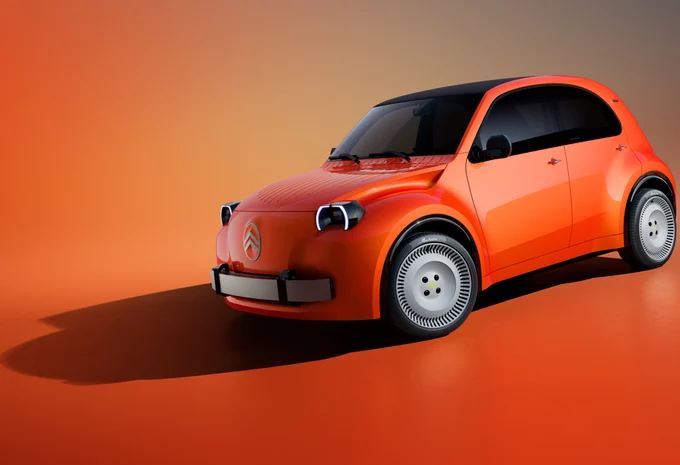
In the annals of automotive history, few vehicles have managed to transcend their status as mere machines to become cultural touchstones. The Citroën 2 CV, or "La Deuche" as it is affectionately known, is one such rarity. Since its inception in 1948, it became a global symbol of French ingenuity, simplicity, and democratic mobility. Now, following the successful market revival of the Renault 5 and Renault 4, Citroën has unveiled a bold vision for the future: the Citroën 2 CV Concept. Presented at the 2026 Paris Motor Show, this modern reinterpretation aims to reclaim the charm of its ancestor—offering a lightweight, practical, and accessible vehicle for the modern age, powered entirely by electricity.
Main Facts: A Modern Manifesto for Affordable Mobility
The Citroën 2 CV Concept is not merely a nostalgia trip; it is a strategic answer to a growing problem in the automotive industry. As vehicles have become increasingly bloated, complex, and prohibitively expensive, the 2 CV Concept returns to the core philosophy that made the original a success: minimalist engineering.
Measuring just 3.76 meters in length, the car is designed for urban agility. Citroën engineers have set a target weight of approximately one metric ton, a figure that is remarkably low by modern EV standards. By keeping the vehicle light, the company can utilize a smaller, more efficient battery pack, thereby reducing both the energy consumption and the final retail price. While technical specifications regarding motor output and battery capacity remain under wraps, the company has indicated that the driving experience will be significantly more refined than the original, which famously struggled to reach a top speed of 110 km/h.
Chronology: From 1948 to the Electric Future
To understand the significance of this concept, one must look at the timeline of the "Deuche":
- 1948: The original Citroën 2 CV is introduced at the Paris Motor Show, designed to replace the horse and carriage for rural France.
- 1948–1990: A production run spanning 42 years results in over five million units, cementing the car’s status as a global icon of freedom and simplicity.
- 2020s: The automotive landscape shifts toward electrification. European regulators begin drafting the "E-Car" framework to incentivize smaller, lighter, and more affordable electric vehicles.
- 2026: The Citroën 2 CV Concept is officially unveiled in Paris, blending iconic design language with contemporary EV technology.
- 2028 (Projected): The production version of the electric 2 CV is slated to enter the market, aiming for a price point of approximately €15,000.
Supporting Data: Design and Technical Philosophy
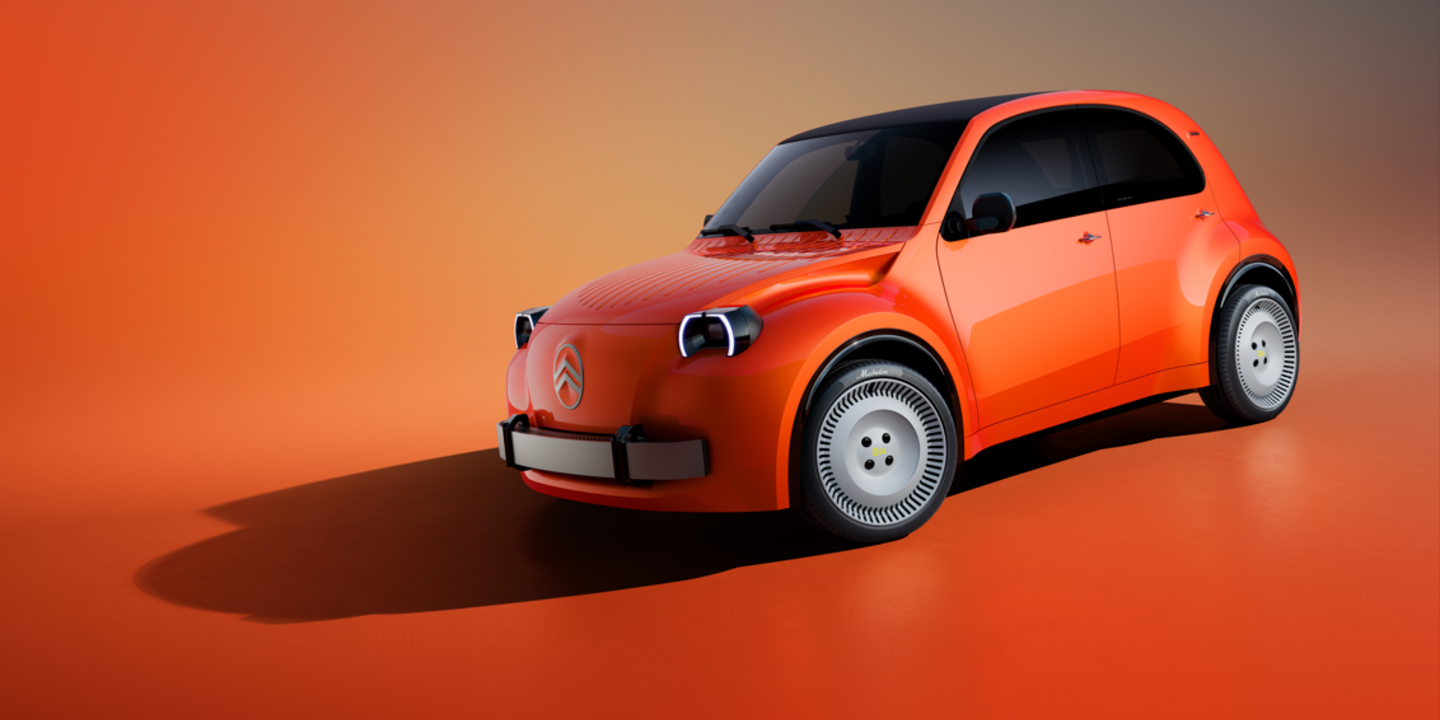
The aesthetic of the 2 CV Concept is a masterclass in neo-retro design. Designers have carefully extracted the visual DNA of the 1948 model—the round, detached headlights, the ribbed hood, the near-vertical windshield, and the sweeping, curved roofline—and blended it with modern requirements.
Exterior Innovation
The exterior is not a carbon copy but a modern evolution. The inclusion of 18-inch steel wheels gives the car a grounded, purposeful stance, while the implementation of LED lighting signatures ensures that it meets modern safety standards without compromising the classic silhouette. The use of "tighter" body surfaces suggests a level of aerodynamic efficiency that the original, which was essentially a box on wheels, never achieved.
Interior Ingenuity
Inside, the concept abandons the traditional, cluttered dashboard. Instead, it features a cylindrical structure housing a single-spoke steering wheel—a nod to the original—paired with a functional 8-inch square display.
Perhaps most charming is the emphasis on lifestyle utility. The seats, finished in a nostalgic yellow tartan pattern, are designed to be modular. The front bench is removable, allowing occupants to set up for a roadside picnic, echoing the original 2 CV’s role as a companion for leisure and work. Other whimsical, yet practical, touches include:
- The "Radioën": A portable radio system that pays homage to the era of analog connectivity.
- Egg-Friendly Storage: Door pockets specifically designed to accommodate the transport of eggs—a direct reference to the original 2 CV’s marketing, which claimed the car could carry a basket of eggs across a ploughed field without breaking a single one.
- The Canvas Roof: A signature element that remains, providing an open-air experience that is central to the "freedom" associated with the brand.
Official Responses and Strategic Implications
Citroën’s leadership has framed the 2 CV Concept as a bridge between the brand’s storied past and its commitment to sustainable mobility. By positioning this vehicle between the ultra-compact Citroën Ami and the more traditional C3, the company is aiming to fill a critical gap in the European market.
The move is strategically timed to coincide with the European Union’s push for the "E-Car" regulation, which seeks to prioritize lightweight, low-carbon vehicles over the heavy, high-tech SUVs that currently dominate the market. By targeting a €15,000 price point, Citroën is directly challenging the perception that electric mobility must be an expensive, premium luxury.
Economic and Environmental Impact
Industry analysts suggest that the success of the 2 CV will hinge on the company’s ability to maintain its "affordable" promise. If the production model can replicate the concept’s material simplicity, it could democratize electric vehicles in a way that previous, more expensive offerings have failed to do. Furthermore, the manufacturing strategy—which aims to keep production within Europe—aligns with broader goals of regionalizing supply chains and reducing the carbon footprint associated with global logistics.
The Road Ahead: Potential and Challenges
The 2 CV carries a "capital of sympathy" that few other brands can leverage. However, the path to 2028 is fraught with challenges. Transforming a design-heavy concept into a mass-produced vehicle often results in the dilution of the original vision. The "egg-friendly" storage and modular benches are clever, but their viability in a high-volume manufacturing environment remains to be proven.

Moreover, the competitive landscape is heating up. With Renault successfully mining its own history, and other manufacturers looking to simplify their EV platforms, the 2 CV will face stiff competition. Yet, if Citroën remains faithful to the spirit of the original—a car that was never about luxury, but about utility, character, and the pure joy of driving—the 2 CV could prove to be the most significant launch of the decade.
The 2 CV Concept is more than a car; it is a statement that the future of mobility does not have to be cold, sterile, or prohibitively expensive. It is a reminder that, sometimes, the best way forward is to look back at the simple, ingenious solutions that defined a generation. Whether or not the production model captures the magic of the 2026 concept, the mere announcement has already succeeded in doing one thing: it has reminded the world that, at its best, the automobile is a tool for freedom.
As the industry pivots toward an all-electric future, the 2 CV reminds us that simplicity is not the absence of technology, but the perfect application of it. With its arrival in 2028, we may finally see the return of a car that doesn’t just transport us from point A to point B, but reminds us of the joy of the journey itself.
